EN
EN

Ship models have long served a purpose far beyond decoration. In maritime education programs, training academies, and industry boardrooms, ship models function as practical tools that communicate scale, structure, and operational context in ways that diagrams and digital screens simply cannot replicate. Whether placed in a classroom, a conference hall, or a reception lobby, ship models carry a depth of meaning that resonates with professionals and students alike. Understanding exactly how ship models are used in these two distinct environments helps clarify their lasting value across the maritime industry.
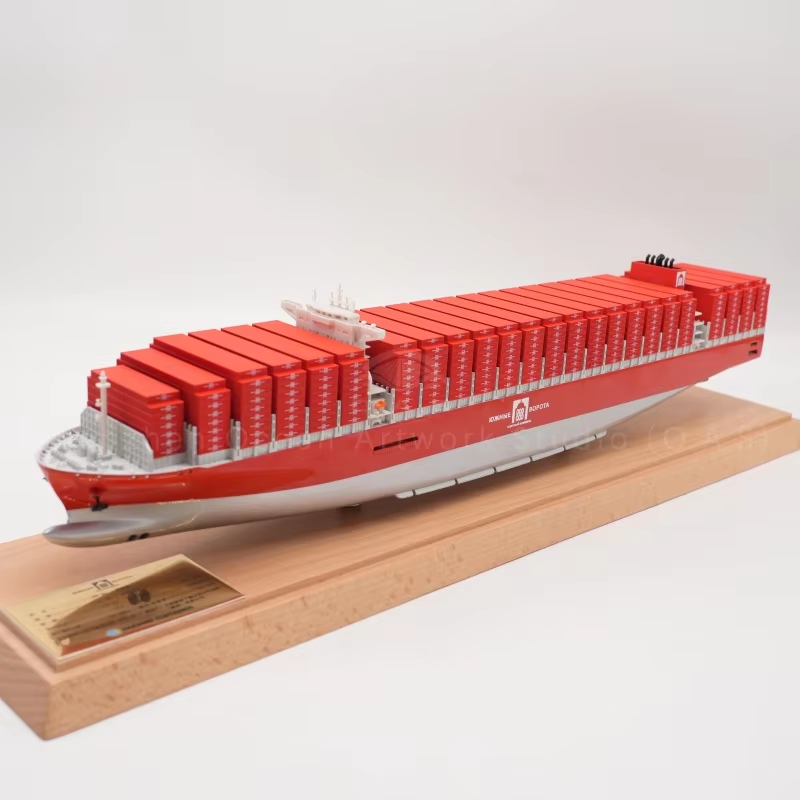
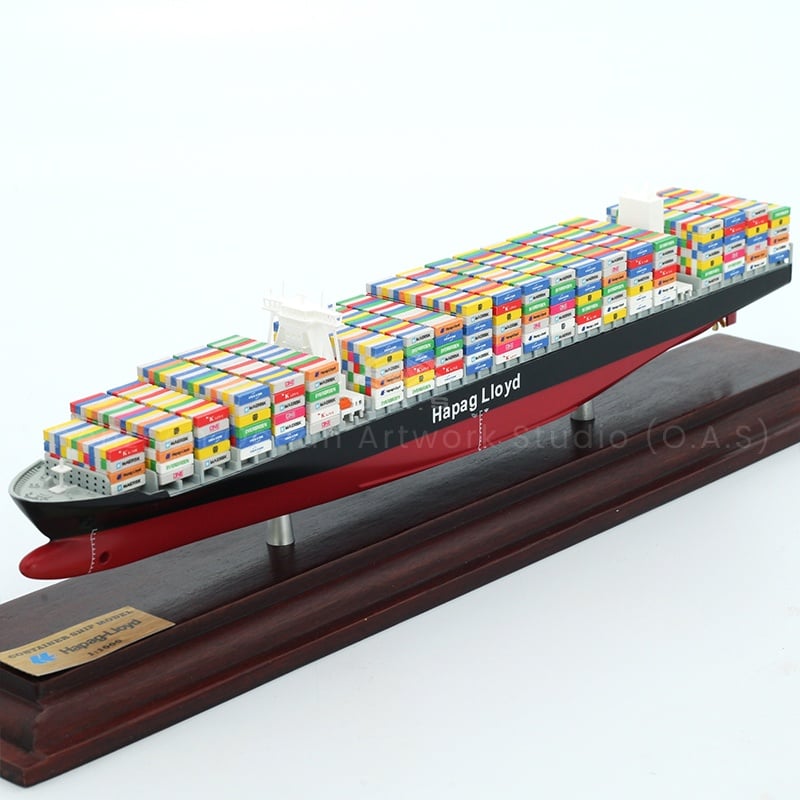
From scale replicas of bulk carriers and tankers to finely crafted container vessel ship models, the variety available today covers virtually every vessel type in commercial and naval fleets. Ship models are selected for specific purposes based on their accuracy, material quality, and scale. This article explores the educational applications of ship models in maritime institutions, their role in corporate and trade environments, and what distinguishes a well-made ship model from a purely decorative piece. If you are evaluating ship models for either purpose, the distinctions covered here will help you make an informed choice.
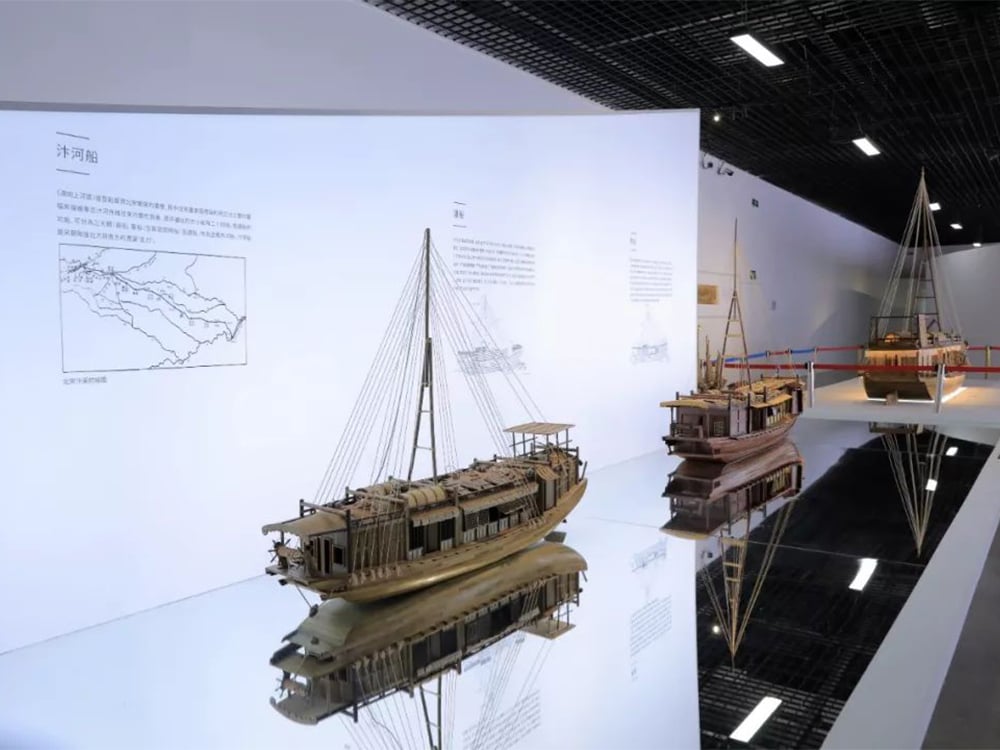
In maritime academies and vocational training centers, ship models are used to teach students about vessel architecture, compartment layout, and cargo systems. When instructors explain concepts such as hull form, deck structure, or container stacking configurations, ship models give learners a three-dimensional reference that anchors theoretical knowledge. Ship models of container vessels, for example, allow students to visualize how twenty-foot equivalent units are arranged across decks and within holds, making abstract capacity calculations tangible and easier to retain.
Ship models are also used in navigation and seamanship courses to demonstrate buoyancy principles, stability conditions, and load distribution. Instructors place ship models in practical demonstrations that support classroom lectures on metacentric height and draft readings. Because ship models maintain accurate proportions at scale, they provide a reliable physical reference even when full-sized vessels are unavailable for inspection. This makes ship models an indispensable asset in any well-equipped maritime training facility.
Beyond technical instruction, ship models are used in safety and emergency response training. Trainees can study evacuation routes, lifeboat placement, and muster station positions on ship models before ever stepping aboard a real vessel. Ship models help safety officers illustrate crew responsibilities during drills by pointing to exact locations on the replica. This use of ship models reduces the learning curve for new crew members and reinforces safety awareness in a low-risk setting. The physical presence of ship models during briefings keeps participants engaged and focused in ways that slide presentations rarely achieve.
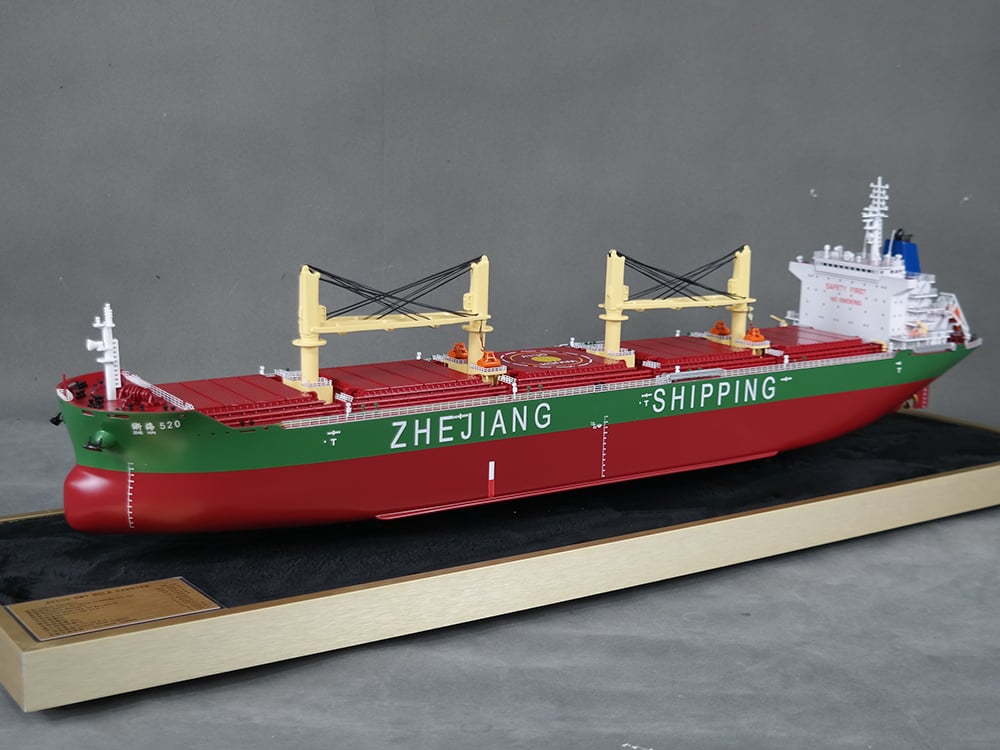
For shipping companies, port operators, and logistics firms, ship models are a powerful tool for communicating brand identity and company heritage. A precisely crafted ship model displayed in a corporate lobby immediately signals industry expertise, operational scale, and professional pride. Ship models bearing a company's livery and vessel name create a visual narrative that clients, partners, and visitors can connect with at a glance. Unlike posters or digital displays, ship models occupy physical space and invite closer inspection, sparking conversations about fleet capabilities and service offerings.
Many shipping lines commission custom ship models of their flagship vessels for boardroom tables and executive offices. These ship models serve as tangible representations of the company's assets and achievements. When senior management presents to investors or clients, ship models reinforce the scale of the operation without requiring a site visit to a port or shipyard. The strategic placement of ship models in meeting rooms and reception areas reflects corporate confidence and attention to detail that sophisticated clients notice and appreciate.
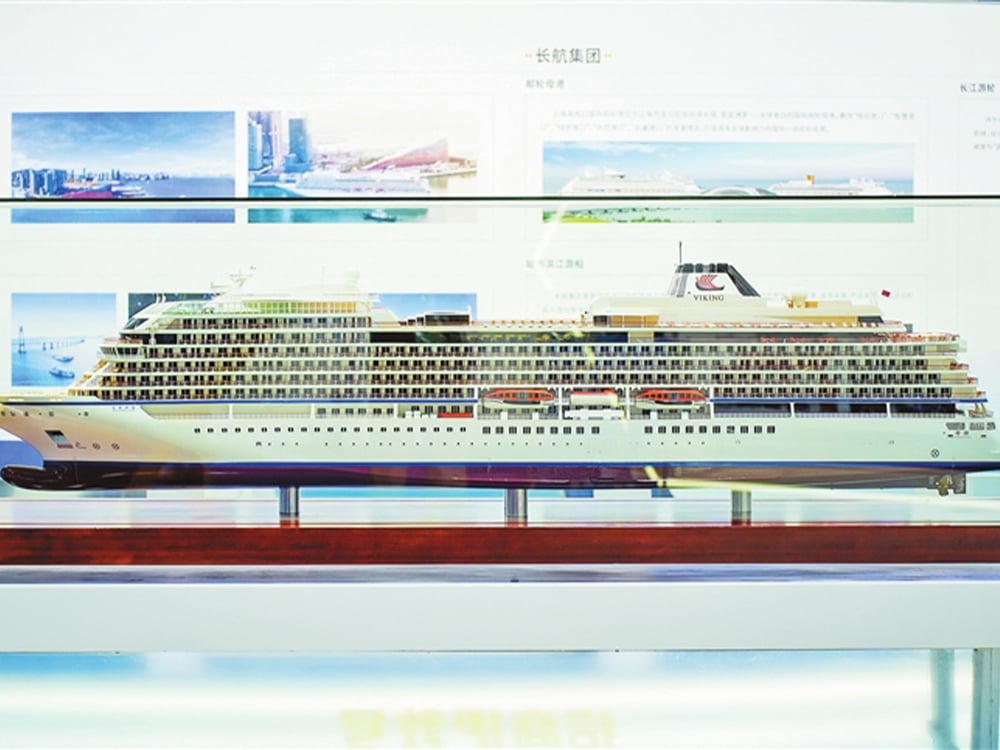
Ship models are widely used at international maritime trade exhibitions as centerpiece displays on exhibition stands. Shipping companies, shipbuilders, and equipment suppliers use ship models to attract visitor attention and initiate conversations about their products and services. A high-quality ship model on an exhibition stand immediately differentiates a company from competitors who rely solely on printed banners. Ship models draw in professionals who appreciate the craftsmanship and engineering accuracy involved, creating a natural opening for business dialogue.
Corporate gifting is another major application for ship models. Shipping companies present ship models to long-standing clients, business partners, and retiring executives as meaningful commemorative items. Unlike generic corporate gifts, ship models carry industry relevance and personal significance. A container ship model presented as a gift to a logistics partner, for instance, reinforces a shared professional identity and leaves a lasting impression. Ship models used for gifting are typically finished to a higher display standard, with custom nameplates and presentation cases that elevate the perceived value.
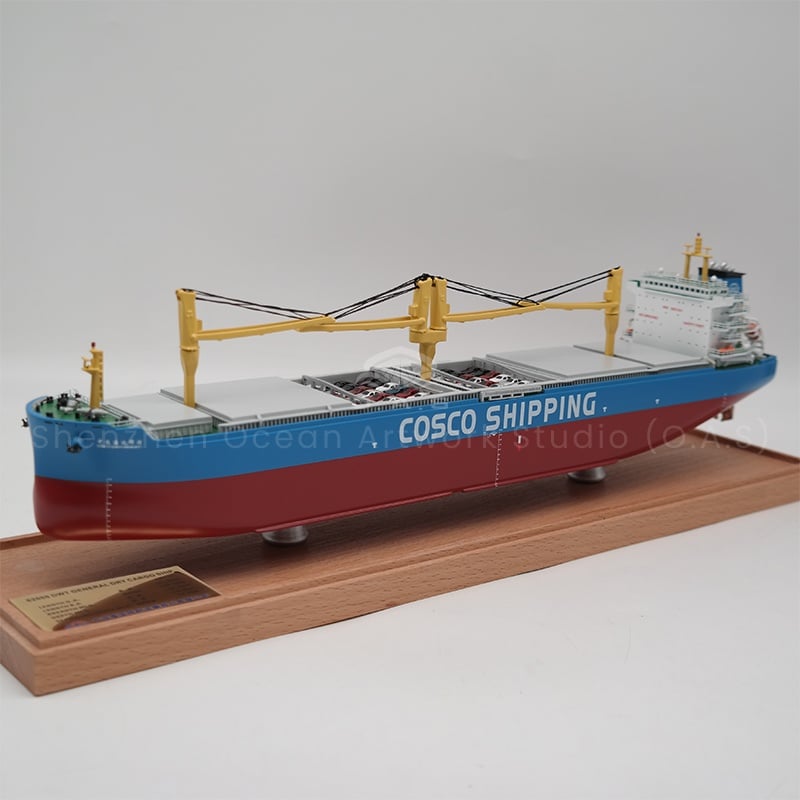
Whether ship models are intended for education or corporate display, quality hinges on three core factors: dimensional accuracy, material durability, and consistent scale. Ship models built from fiberglass or high-density resin hold their form over time and resist warping in climate-controlled indoor environments. Accurate ship models replicate deck fittings, crane positions, hatch covers, and hull markings at the correct proportional scale, which is essential for both educational credibility and display impact. Ship models that cut corners on accuracy may look acceptable at first glance but fail to hold up under closer professional scrutiny.
Scale selection also matters significantly when choosing ship models for specific uses. Educational institutions often prefer larger-scale ship models that allow students to examine fine structural details, while corporate display ship models tend to favor scales that fit elegantly within display cases or desk surfaces. ship models crafted at recognized scales such as 1:100 or 1:200 communicate professional seriousness and allow direct comparison across different vessel types in the same collection. Investing in well-made ship models ensures they retain their value and visual impact for many years of active use.
Container vessel, bulk carrier, and tanker ship models are commonly used in maritime classrooms because they represent the most prevalent commercial vessel categories. Ship models with removable cross-sections or open-deck configurations are especially useful for teaching structural concepts. Accuracy and appropriate scale are the most important selection criteria for educational ship models.
Companies most often place ship models in lobbies, boardrooms, and executive offices, using custom display cases or purpose-built pedestals. Ship models are positioned where clients and visitors will naturally see them during meetings or tours. Lighting is an important consideration, as well-lit ship models create a stronger visual impression and communicate professionalism effectively.
Yes, professional manufacturers routinely produce ship models with custom paint schemes, funnel markings, and company logos that match a specific vessel's actual livery. Custom ship models of this type are popular for corporate gifts, anniversary commemorations, and exhibition displays. Providing accurate reference photographs and vessel specifications ensures the finished ship models closely represent the real vessel.
 Hot News
2024-06-11
2024-06-07
2024-06-01
2024-06-01
2024-06-01
2024-05-25
Shenzhen Ocean Artwork Studio (O.A.S) Technology Co., Ltd. is a leading ship model manufacturer with over 15 years of experience. We specialize in designing and producing civil, military, and engineering ship models, working with top global shipping brands such as MAERSK, COSCO, and EVERGREEN.