EN
EN

Engineering presentations demand precision, credibility, and visual impact. When stakeholders, investors, or technical committees gather to review a maritime project, the tools used to communicate design intent can make or break the outcome. Among those tools, model cargo ships have become an increasingly valued asset in the presenter's toolkit. They translate complex naval architecture and logistics infrastructure into tangible, three-dimensional objects that communicate far more effectively than a slide deck or a flat blueprint ever could.
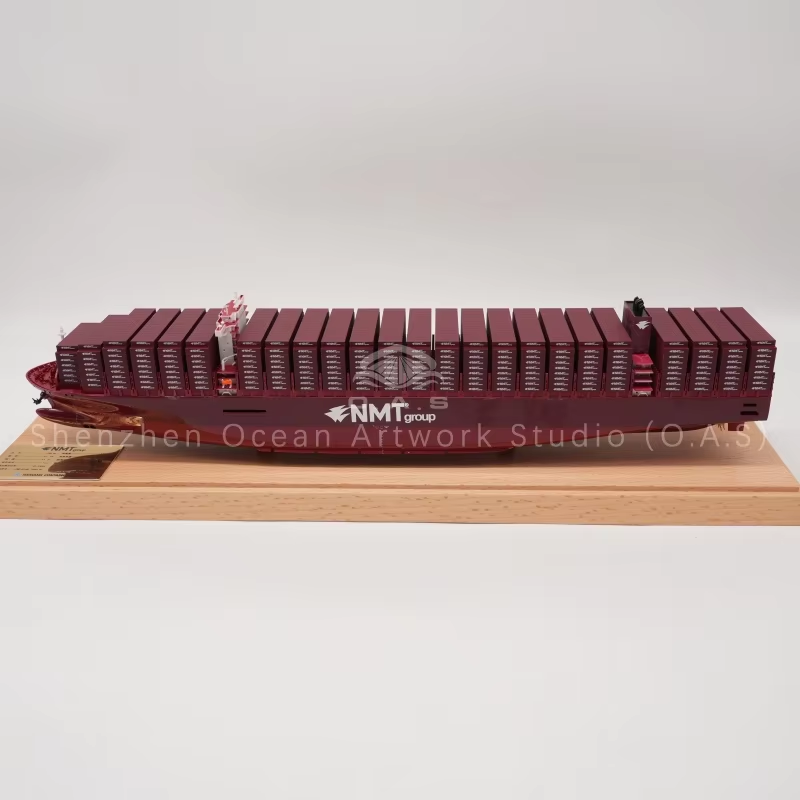
However, not all model cargo ships are created equal. Off-the-shelf replicas may serve decorative purposes, but engineering presentations require something altogether more deliberate — custom-built models aligned with specific vessel types, hull configurations, color schemes, and branded identities. Understanding how to approach the customization process from specification through to final delivery is essential for any engineer, project manager, or naval consultant who wants to use these models with professional confidence.
Digital rendering software has advanced dramatically over the past two decades. Yet physical model cargo ships continue to hold a unique place in high-stakes engineering environments. The tactile quality of a well-crafted model conveys a sense of scale, material weight, and spatial proportion that no screen can fully replicate. When a port authority executive picks up a model and examines its hull lines, they are engaging with the design in a fundamentally different — and often more persuasive — way.
For engineering presentations specifically, physical models serve several functions simultaneously. They demonstrate the presenter's commitment to detail and professionalism. They anchor abstract technical discussions in something concrete and shared. They also help non-technical stakeholders follow along with discussions about vessel capacity, draft requirements, and terminal compatibility — concepts that can easily get lost in numerical abstractions.
Customized model cargo ships go even further by incorporating project-specific branding, accurate livery colors, and vessel class characteristics that align with the actual ships under discussion. This level of accuracy reinforces the credibility of the engineering team's work and signals that every detail has been considered.
Not every engineering context calls for a custom ship model, but several specific scenarios justify the investment. Port development feasibility studies, where new terminals or berth configurations must be evaluated, benefit greatly from having accurate vessel representations on hand. Stakeholders can visualize how a given class of containership or bulk carrier interacts with proposed infrastructure.
Shipbuilding project proposals are another strong use case. When a yard presents a new vessel design to a shipping line, having a high-fidelity custom model cargo ships replica on the conference table signals that the proposal is serious, detailed, and production-ready. The model becomes a physical proxy for the actual ship, inviting inspection and discussion.
Trade exhibitions and industry conferences also create ideal opportunities to deploy custom model cargo ships. In booth environments where dozens of companies compete for attention, a precisely crafted and fully branded model draws visitors, generates conversation, and serves as a long-lasting marketing artifact even after the event concludes.
The starting point for any engineering-grade custom model is the hull form. Different vessel classes — container ships, bulk carriers, tankers, roll-on/roll-off vessels — have fundamentally different hull geometries, and these differences matter enormously when the model is used to discuss technical topics like hydrodynamics, stability, or port compatibility. The customization brief must specify the exact vessel class and, where applicable, the IMO number or vessel name for reference.
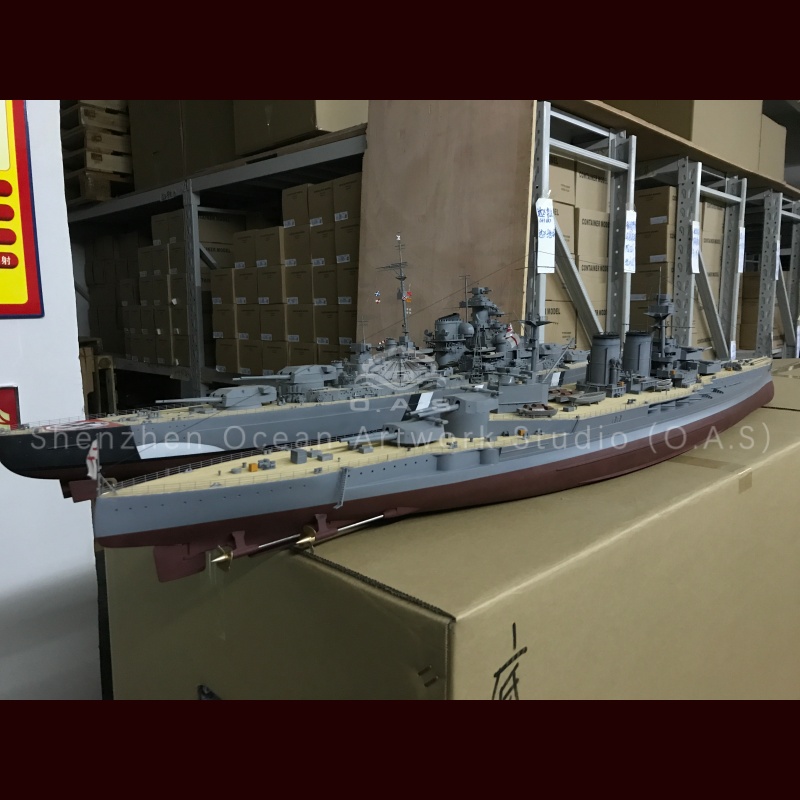
For model cargo ships used in feasibility and planning contexts, the hull proportions should be derived from actual technical drawings or class-certified specifications. Skilled model makers can work from lines plans, GA drawings, or vessel brochures to ensure that the hull form is accurate to scale. Deviations from true proportions, even subtle ones, can undermine the model's value in technical discussions.
The scale itself is a critical decision. Common scales for engineering presentation models range from 1:200 to 1:1200, depending on the size of the actual vessel and the context of the presentation. Larger scales offer more surface detail and are better suited to close-up stakeholder examination, while smaller scales are useful when models need to be placed on site maps or harbor layout boards.
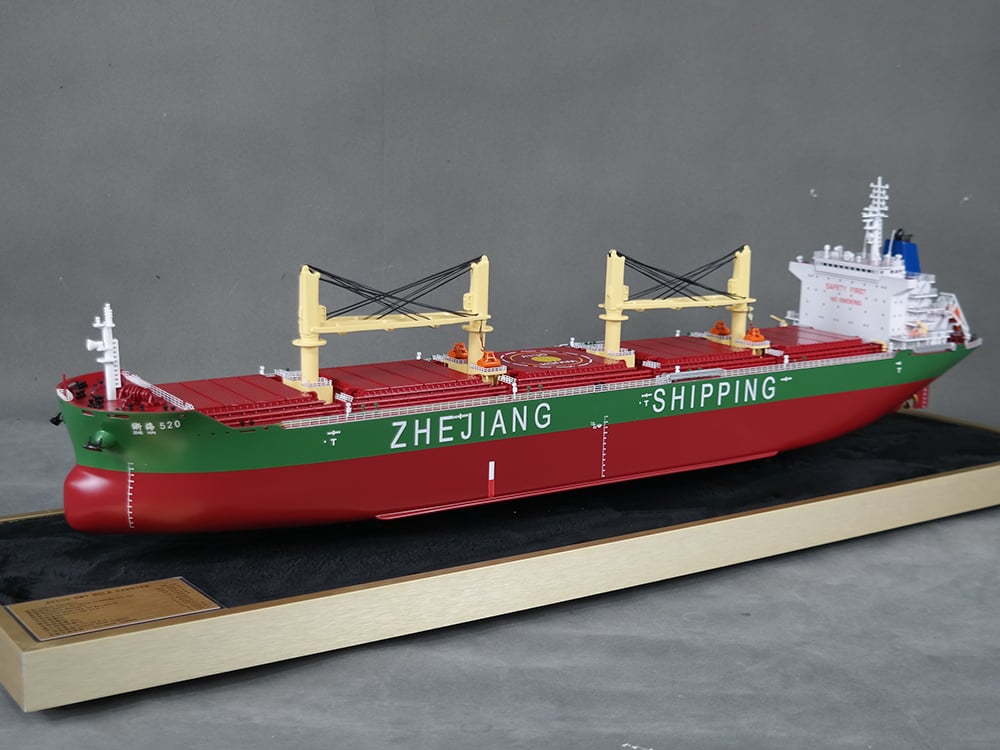
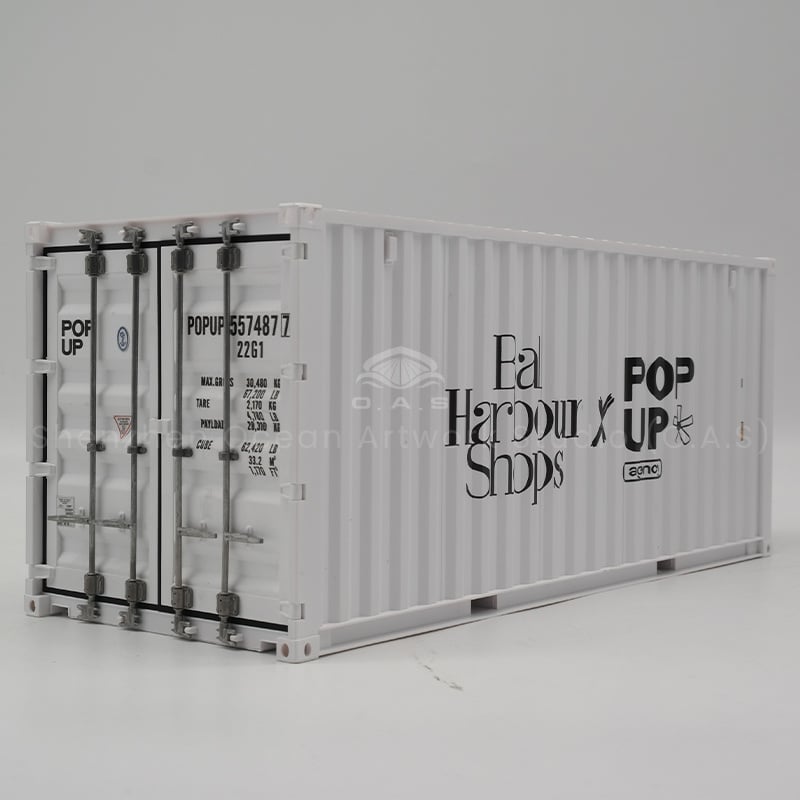
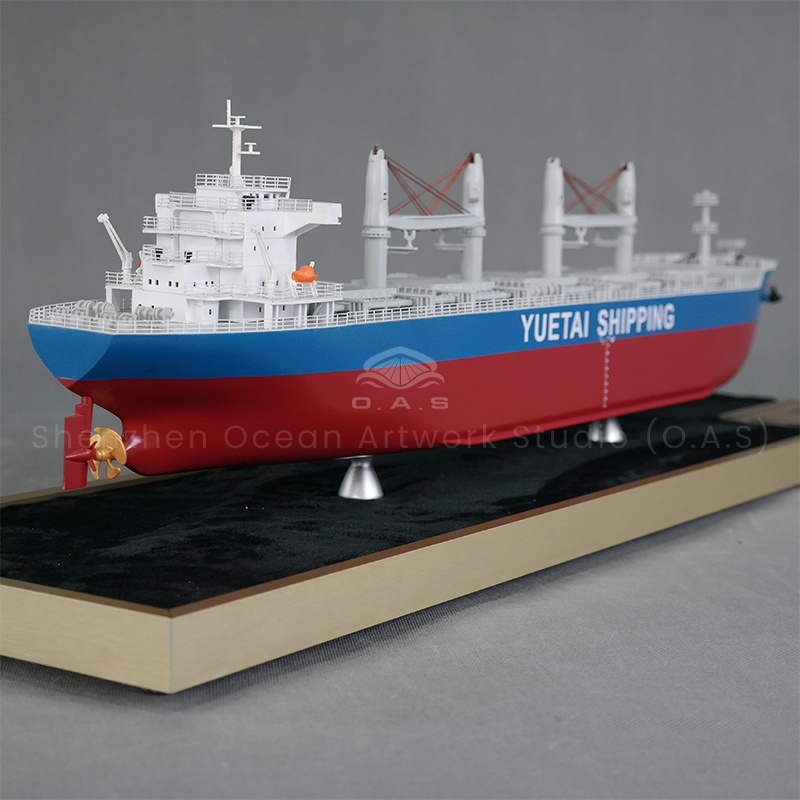
Visual branding is one of the most powerful customization dimensions for model cargo ships used in professional presentations. A model painted in a shipping line's exact hull color, with properly scaled funnel markings and waterline stripes, immediately signals that this is not a generic prop but a project-specific artifact. Companies investing in custom models should provide their brand color specifications in Pantone or RAL codes to ensure accurate color matching.
Logo placement on the hull, funnel, and superstructure must be executed with care. For model cargo ships used in engineering presentations, the logos should be applied using techniques that resist handling, light exposure, and transportation without fading or peeling. Professionally crafted models use transfer decals or UV-resistant printing to ensure logo durability across the model's working lifespan.
Beyond the paint and logos, custom details such as container stack colors, hatch cover finishes, and crane configurations on the superstructure can be specified to match the actual vessel or the proposed design concept. These granular details elevate the perceived quality of the model and demonstrate a level of engineering rigor that resonates with technically literate audiences.
The success of any customization project for model cargo ships depends almost entirely on the quality of the initial technical brief. A vague brief produces a generic model; a precise brief produces an asset that genuinely serves engineering presentations. The brief should include the vessel name or class, the intended scale, the desired dimensions of the finished model, and reference materials such as photographs, GA drawings, and branding guidelines.
It is also worth specifying the end-use environment for the model. A model destined for a static display case in a corporate lobby has different construction requirements than one that will be transported to multiple client meetings and handled repeatedly. Models used in active presentation environments benefit from reinforced structural components, protective transport cases, and finishes that tolerate handling without visible wear.
Delivery timelines are another critical element of the brief. Custom model cargo ships require meaningful lead times — typically several weeks for standard custom builds and longer for highly detailed engineering-grade models. Engineers and project managers should build model procurement into their project schedules well in advance of the presentation date, avoiding last-minute compromises in quality.
The materials used in constructing custom model cargo ships significantly affect their visual quality, structural durability, and long-term presentation value. The most common material options include fiberglass-reinforced resin, ABS plastic, metal alloys. Each material has different weight characteristics, surface finish properties, and machining requirements.
Resin-cast models are popular for production runs where multiple identical models are needed, such as when a shipping company orders models for distribution at multiple office locations. The resin casting process allows for high-detail reproduction of hull lines and surface textures. For one-off engineering presentation models, CNC-machined offer exceptional surface quality and a premium tactile feel that impresses discerning audiences.
Modern fabrication technology has introduced 3D printing as a viable option for certain components or smaller models. While fully 3D-printed model cargo ships are still limited in surface finish compared to traditional methods, hybrid approaches — using 3D printing for complex superstructure components and traditional materials for the hull — can achieve excellent results efficiently. Understanding which production method suits the project's scale, budget, and timeline is a collaborative conversation between the client team and the model maker.
Professional model makers for engineering-grade model cargo ships typically incorporate structured review stages into the production process. These may include a concept sketch approval, a prototype or mock-up review, and a pre-delivery quality inspection. Engineers should engage actively at each stage rather than waiting until delivery to assess whether the model meets requirements.
Digital review tools have made remote approval processes more practical. Many model producers now provide high-resolution photography at key milestones, allowing the engineering team to review and approve hull form, color application, and logo placement without needing to visit the production facility. Clear written approval at each stage protects both parties and ensures the final model arrives ready for use without revisions.
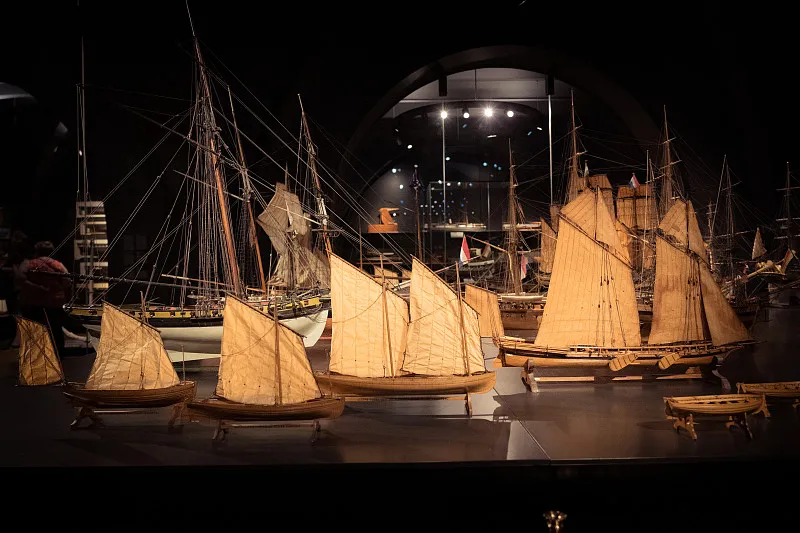
A custom model cargo ships artifact deserves a thoughtful presentation environment. The model should be displayed on a stable, appropriately sized base or stand that complements its visual character without overpowering it. Custom acrylic display bases with engraved vessel names and specifications add a layer of professionalism and provide useful reference information for viewers unfamiliar with the vessel class.
When the model will be handled by meeting participants, briefing them on appropriate handling ensures the model reaches the end of the presentation session in pristine condition. Cotton gloves eliminate fingerprint marks on glossy painted surfaces, and designated inspection zones on the table prevent accidents during busy group sessions. The way the model is presented reflects the care taken in the engineering work itself.
Custom model cargo ships achieve maximum impact in engineering presentations when they are integrated thoughtfully with digital materials rather than used in isolation. A projected slide showing the vessel's technical specifications alongside the physical model creates a powerful dual-channel communication moment. Stakeholders can look from the screen to the model and back, building a richer mental picture of the project than either medium alone could provide.
Photography and videography of the model can extend its value beyond the presentation room. High-quality images of custom model cargo ships can be incorporated into technical reports, investor materials, website content, and press releases. A single well-crafted model can serve multiple communication functions across the life of a project, making the investment in quality customization highly cost-effective over time.
Some engineering teams also use augmented reality overlays in conjunction with physical model cargo ships. By pointing a tablet camera at the physical model, AR applications can display real-time performance data, routing overlays, or structural analysis visualizations layered over the model image. This combination of physical and digital content represents a sophisticated and memorable presentation approach for audiences accustomed to advanced technology.
Lead times for custom model cargo ships vary depending on the complexity of the design, the chosen production materials, and the level of detail required. Standard engineering-grade custom models typically require between four and twelve weeks from brief approval to delivery. Highly detailed builds with complex superstructures, multi-color liveries, and precision-fitted display cases may require longer. It is strongly advisable to initiate the customization process as early as possible in the project planning cycle to allow sufficient time for review stages without compromising quality.
The more technical documentation you can provide, the more accurate the finished model will be. Ideal reference materials include General Arrangement drawings, body plan or lines plan drawings, official vessel photographs from multiple angles, funnel and livery branding guidelines with exact color codes, and any relevant class or type approval documents. For custom model cargo ships where a specific named vessel is being replicated, AIS profile photographs and yard delivery photographs can be extremely useful supplementary references.
Yes, provided they are properly packaged. Custom model cargo ships intended for use at multiple venues should be ordered with purpose-built foam-lined transport cases that hold the model securely during transit. The model itself should be constructed with reinforced structural joints and durable surface finishes resistant to vibration and minor impact. Requesting transport-tested packaging as part of the custom order specification ensures the model arrives at each venue in presentation-ready condition without additional preparation time on site.
Absolutely. One of the most valuable applications of custom model cargo ships in engineering presentations is representing vessels that exist only in the design or pre-contract stage. The model maker works from design drawings, 3D CAD files, or conceptual visualizations rather than photographs of an existing vessel. This approach allows engineering teams to present a credible physical representation of a proposed design before a single plate of steel has been cut, significantly enhancing the persuasiveness of new vessel proposals and shipbuilding tender submissions.
 Hot News
2024-06-11
2024-06-07
2024-06-01
2024-06-01
2024-06-01
2024-05-25
Shenzhen Ocean Artwork Studio (O.A.S) Technology Co., Ltd. is a leading ship model manufacturer with over 15 years of experience. We specialize in designing and producing civil, military, and engineering ship models, working with top global shipping brands such as MAERSK, COSCO, and EVERGREEN.