EN
EN

In the competitive landscape of global logistics and shipping, companies constantly seek innovative ways to strengthen business relationships and enhance brand recognition. One increasingly popular strategy involves the strategic use of container models as corporate gifts, transforming functional maritime equipment into powerful marketing tools. These meticulously crafted miniature replicas serve multiple purposes beyond mere decoration, offering tangible representations of the industry's core operations while creating lasting impressions on clients, partners, and stakeholders.
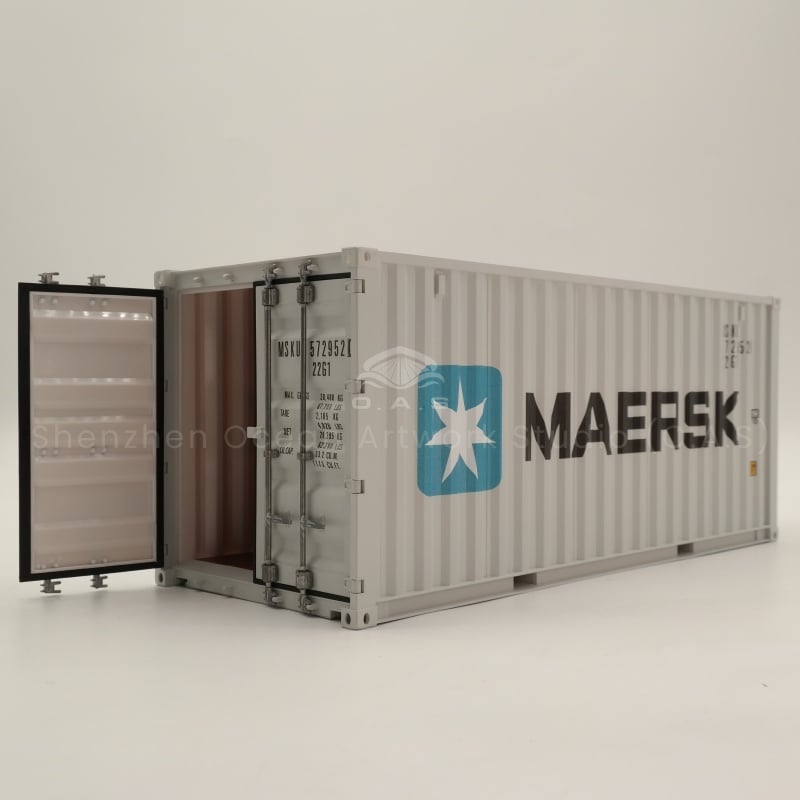
The maritime industry's unique culture of precision, reliability, and global connectivity finds perfect expression through detailed container models. These sophisticated replicas demonstrate a company's attention to detail while symbolizing the vast networks and operational excellence that define successful logistics operations. When presented as corporate gifts, container models communicate professionalism and industry expertise in ways that traditional promotional items simply cannot match.
Container models serve as permanent brand ambassadors, displaying company logos, colors, and messaging in prominent office locations for extended periods. Unlike conventional promotional materials that often end up discarded, these detailed replicas typically occupy prestigious positions on executive desks, conference room displays, or reception areas. The visibility ensures continuous brand exposure, reinforcing company identity every time clients, employees, or visitors encounter the model.
The psychological impact of receiving a high-quality container model extends beyond immediate appreciation. Recipients associate the craftsmanship and attention to detail with the gifting company's operational standards, creating positive brand perceptions that influence future business decisions. This subliminal marketing approach proves particularly effective in B2B environments where purchase decisions involve multiple stakeholders and extended evaluation periods.
Corporate gifts traditionally aim to strengthen business relationships, but container models achieve this objective through industry-specific relevance and conversation-starting potential. When logistics professionals receive accurate replicas of containers they work with daily, the gifts demonstrate genuine understanding of their operational environment. This targeted approach shows respect for the recipient's expertise while acknowledging the complexity of their professional responsibilities.
The interactive nature of detailed container models encourages engagement and discussion during business meetings or office visits. Recipients often use these models to explain operational concepts to colleagues or clients, inadvertently promoting the gifting company's brand during important business conversations. This organic word-of-mouth marketing creates authentic endorsements that paid advertising cannot replicate.
Major shipping lines utilize container models to showcase their fleet capabilities and service offerings to potential customers and partners. These models accurately represent actual container specifications, including dimensions, features, and branding elements that distinguish one carrier from competitors. The visual impact of seeing precise fleet representations helps clients understand service capabilities while reinforcing the shipping line's commitment to quality and attention to detail.
Customization options allow shipping companies to highlight specific container types, special equipment, or innovative features that differentiate their services. Whether showcasing refrigerated containers, oversized cargo capabilities, or specialized handling equipment, these models communicate technical capabilities more effectively than traditional marketing materials. The three-dimensional representation helps clients visualize how their cargo will be transported and handled throughout the supply chain.
Port authorities and terminal operators leverage container models to demonstrate operational efficiency and infrastructure capabilities to potential tenants and shipping line customers. These detailed representations showcase terminal layouts, equipment configurations, and handling procedures that influence carrier route decisions and cargo routing strategies. The models serve as powerful tools during facility tours and business development presentations.
Educational applications extend beyond immediate business development, as container models help train new employees and explain complex operational procedures to stakeholders unfamiliar with maritime logistics. The visual learning aids supplement traditional training materials while providing hands-on reference tools that improve comprehension and retention of critical operational concepts.
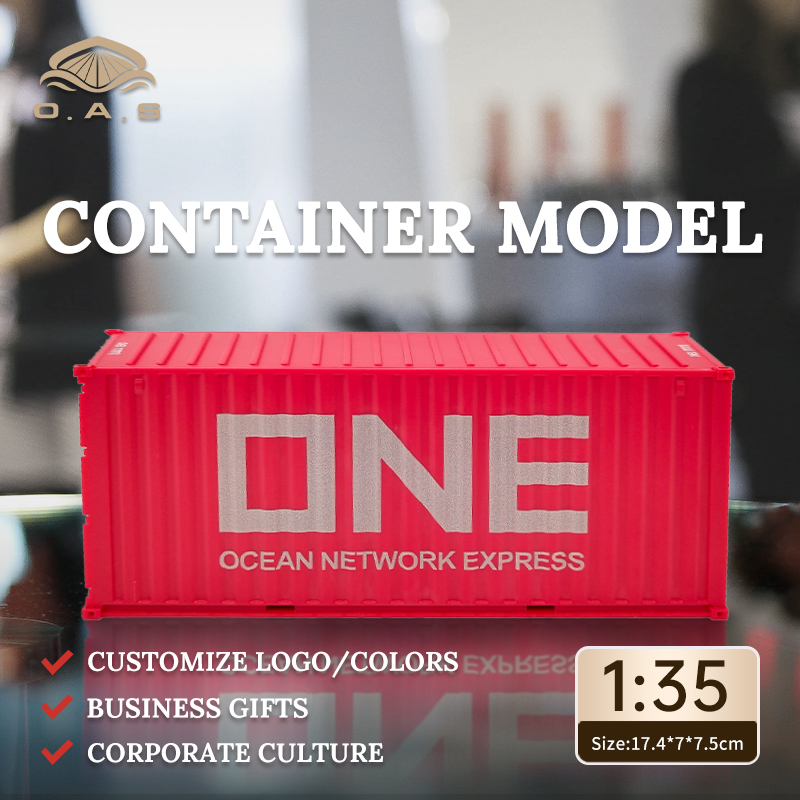
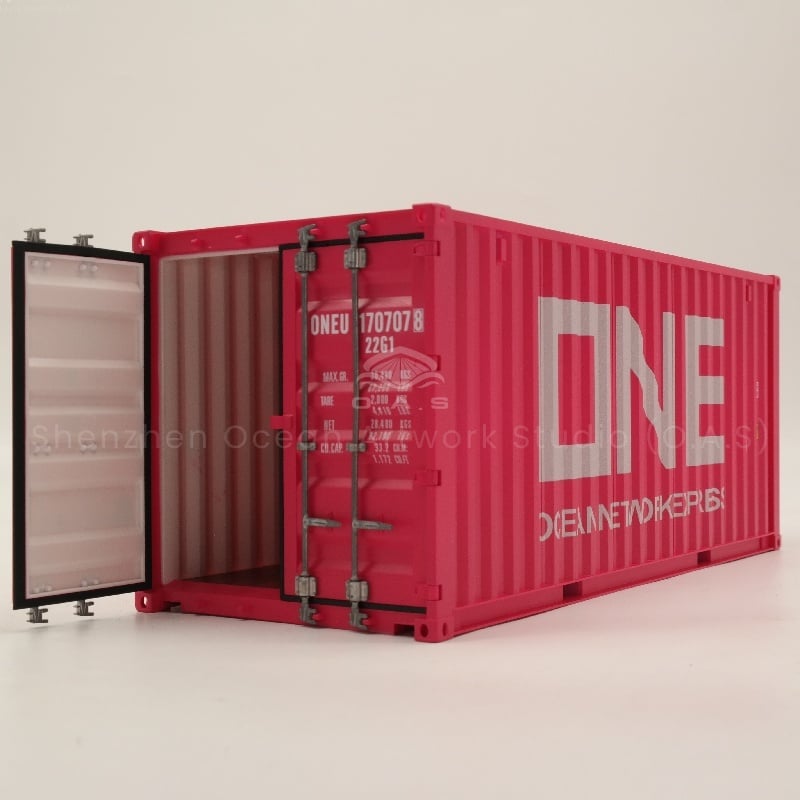
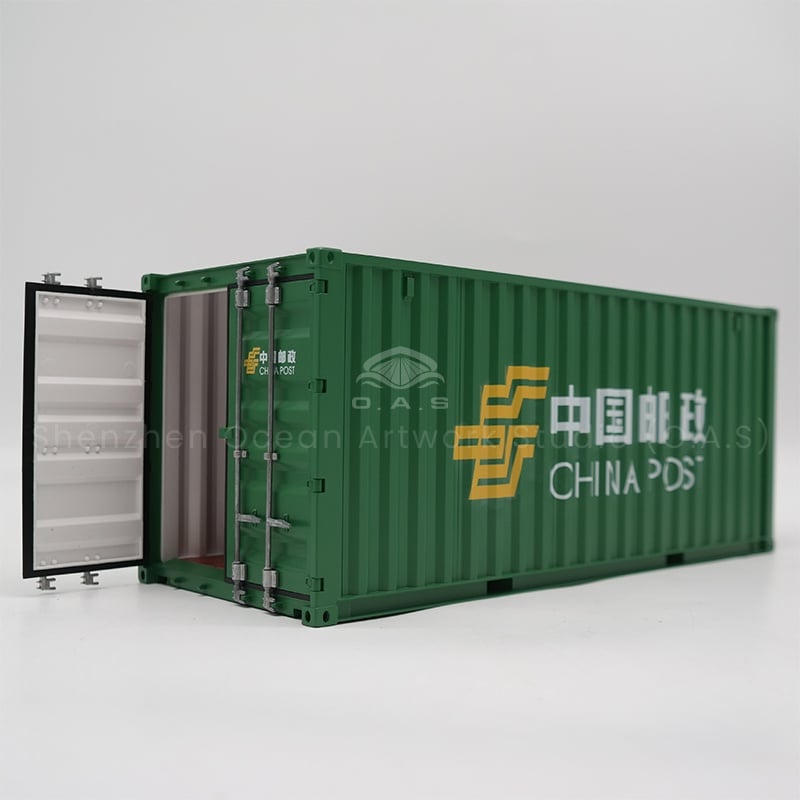
Professional container models require precise attention to scale, proportions, and authentic details that reflect actual equipment specifications. High-quality manufacturers invest in accurate measurements, proper materials, and finishing techniques that create realistic representations worthy of professional environments. The level of detail includes functional elements such as locking mechanisms, door operations, and structural features that mirror full-scale containers.
Color accuracy and branding elements must match actual container specifications to maintain authenticity and professional appearance. This attention to detail extends to weathering effects, wear patterns, and operational markings that give models realistic character while maintaining clean, professional presentation suitable for corporate environments. Quality control processes ensure consistency across multiple units and compliance with client specifications.
Corporate gift applications demand container models capable of withstanding regular handling and display in various environmental conditions. Quality construction materials resist fading, scratching, and structural damage that could diminish professional appearance over time. The investment in durable materials and construction techniques ensures models maintain their visual appeal and marketing value throughout extended display periods.
Packaging and presentation considerations protect models during shipping and enhance the gift-giving experience. Professional packaging reflects the quality standards expected in corporate environments while providing adequate protection during transportation to various global destinations. The unboxing experience contributes to the overall impression and perceived value of the corporate gift.
Successful container model gifting programs require careful identification of appropriate recipients who will appreciate the industry relevance and professional quality. Key stakeholders include shipping line executives, port authority decision-makers, freight forwarders, and major importers or exporters who regularly interact with container operations. Understanding the recipient's role and interests ensures the gift resonates with their professional experience.
Timing considerations maximize the impact and appropriateness of container model gifts. Strategic occasions include contract signings, facility openings, milestone celebrations, or relationship-building events where meaningful gifts demonstrate appreciation and commitment to long-term partnerships. The permanence of container models makes them suitable for commemorating significant business achievements or marking important collaborative milestones.
Effective customization goes beyond simple logo placement to create meaningful connections between the model and the recipient's business operations. This might include replicating specific container types used in their operations, incorporating company colors or branding elements, or adding commemorative plaques that acknowledge specific achievements or partnerships. The personalization demonstrates genuine understanding of the recipient's business while creating unique, memorable gifts.
Scale selection impacts both cost and display considerations, with common options ranging from desktop-sized models suitable for office displays to larger presentation pieces appropriate for reception areas or conference rooms. The chosen scale should match the intended display environment while maintaining sufficient detail to showcase quality and craftsmanship. Consideration of available display space helps ensure the gift will be prominently featured rather than stored away.
Measuring the return on investment for container model corporate gifts requires tracking both direct and indirect brand exposure benefits. Direct metrics include the duration and prominence of display in recipient offices, while indirect benefits encompass conversation generation, social media sharing, and word-of-mouth recommendations that extend brand reach beyond the immediate recipient. Photography of models in professional settings provides evidence of successful placement and utilization.
Long-term relationship outcomes offer more meaningful ROI indicators than immediate response metrics. Tracking business development progress with gift recipients, contract renewal rates, and referral generation provides insight into the gift's contribution to relationship building and business growth. These metrics require longer evaluation periods but offer more accurate assessments of corporate gifting effectiveness.
Container models differentiate companies from competitors using generic promotional items or traditional corporate gifts. The industry-specific relevance and professional quality create memorable impressions that generic gifts cannot achieve. Comparative analysis of competitor promotional strategies helps identify opportunities for differentiation while demonstrating the sophistication and industry knowledge of the gifting company.
Market positioning benefits extend beyond immediate recipient relationships to influence broader industry perceptions. Companies associated with high-quality, industry-relevant corporate gifts develop reputations for professionalism and attention to detail that influence purchasing decisions and partnership opportunities. This enhanced market positioning contributes to long-term competitive advantages that justify corporate gifting investments.
Container models prove effective because they demonstrate industry expertise while providing lasting brand visibility in professional environments. Their relevance to daily operations creates meaningful connections with recipients, while the quality craftsmanship reflects positively on the gifting company's attention to detail and professional standards. Unlike generic promotional items, these models remain prominently displayed for extended periods, ensuring continuous brand exposure.
Effective customization involves incorporating authentic details relevant to the recipient's operations, including accurate container types, company branding, and commemorative elements that acknowledge specific business relationships or achievements. The customization should reflect genuine understanding of the recipient's business while maintaining professional quality and authentic detail that demonstrates respect for their expertise and operational environment.
Professional container models require accurate scale proportions, authentic detailing, durable construction materials, and precise color matching to actual container specifications. Quality manufacturers provide consistent finishing, functional elements where appropriate, and professional packaging suitable for corporate gift presentation. The models should withstand regular handling while maintaining their appearance and professional presentation throughout extended display periods.
Effectiveness measurement combines immediate placement verification with long-term relationship development tracking. Companies should monitor display prominence, recipient feedback, and relationship progression indicators such as increased business engagement, contract renewals, and referral generation. The permanent nature of quality container models provides extended measurement opportunities compared to consumable promotional items, allowing for comprehensive ROI assessment over multiple years.
 Hot News
2024-06-11
2024-06-07
2024-06-01
2024-06-01
2024-06-01
2024-05-25
Shenzhen Ocean Artwork Studio (O.A.S) Technology Co., Ltd. is a leading ship model manufacturer with over 15 years of experience. We specialize in designing and producing civil, military, and engineering ship models, working with top global shipping brands such as MAERSK, COSCO, and EVERGREEN.