EN
EN

The logistics industry relies heavily on visual branding and promotional tools to establish credibility and build lasting relationships with clients. Among these powerful marketing assets, truck models have emerged as sophisticated promotional instruments that offer tangible representation of fleet capabilities and brand values. These detailed miniature replicas serve multiple purposes beyond simple decoration, functioning as conversation starters, brand ambassadors, and memorable gifts that keep logistics companies at the forefront of their clients' minds.
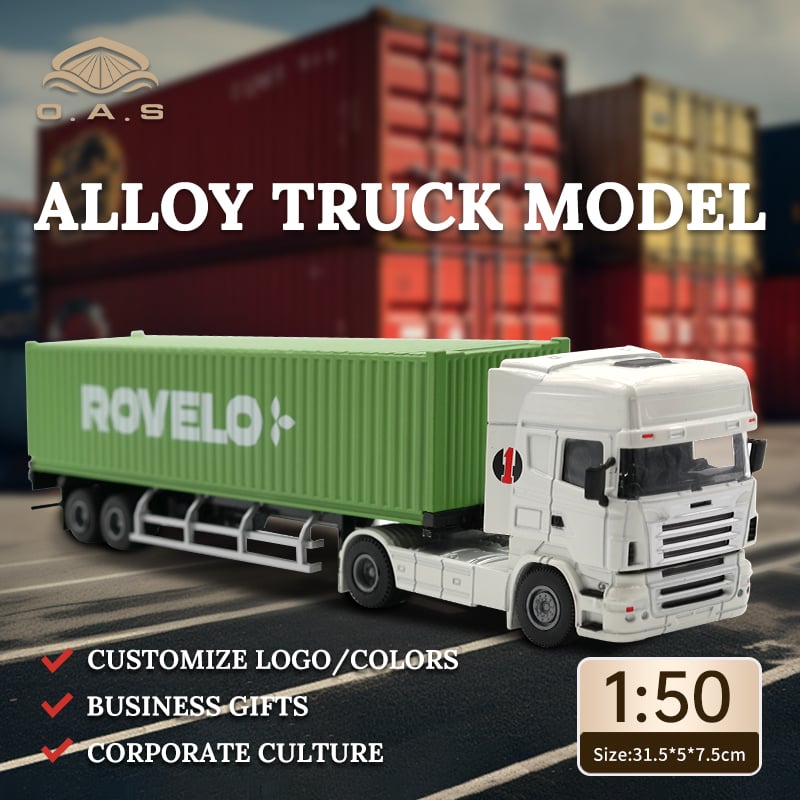
Professional truck models represent more than miniature vehicles; they embody the precision, reliability, and attention to detail that define successful logistics operations. When strategically implemented in marketing campaigns, these promotional tools create lasting impressions that traditional advertising methods often fail to achieve. The physical nature of truck models allows potential clients to interact with brand representations in meaningful ways, fostering deeper connections between service providers and their target audiences.
Effective brand positioning in the logistics sector requires memorable touchpoints that differentiate companies from competitors. High-quality truck models serve as three-dimensional business cards that recipients can display, examine, and remember long after initial meetings conclude. These promotional items create positive associations between the physical model and the company's actual service quality, establishing psychological connections that influence future business decisions.
The tactile experience of handling well-crafted truck models engages multiple senses simultaneously, creating stronger memory formation than purely visual marketing materials. When clients interact with these detailed replicas, they unconsciously associate the model's quality and craftsmanship with the logistics company's operational standards. This subliminal connection proves particularly valuable in competitive bidding situations where emotional factors often influence final selection criteria.
During client presentations and proposal meetings, truck models serve as powerful visual aids that help logistics professionals communicate complex service offerings more effectively. Rather than relying solely on abstract descriptions or static images, presenters can use physical models to demonstrate fleet capabilities, vehicle specifications, and service differentiation factors. This hands-on approach transforms routine business meetings into engaging experiences that capture and maintain client attention.
The professional appearance of custom truck models also reflects the presenting company's commitment to quality and attention to detail. Clients often judge service providers based on the professionalism displayed in initial meetings, and well-designed promotional materials contribute significantly to positive first impressions. Companies that invest in high-quality truck models demonstrate their dedication to excellence in all aspects of their operations.
Unlike traditional advertising materials that clients typically discard after reviewing, truck models often find permanent places on desks, shelves, or display cases within client offices. This extended visibility ensures continuous brand exposure over months or years, providing ongoing marketing value that far exceeds the initial investment. Every time clients or their colleagues notice these promotional truck models, they receive subtle reminders of the logistics company's services and capabilities.
The placement of truck models in client offices also creates opportunities for organic word-of-mouth marketing. When visitors or business partners notice these distinctive promotional items, they naturally inquire about the represented company, generating additional brand awareness and potential leads. This passive marketing approach leverages existing client relationships to expand brand reach without requiring additional promotional expenditure.
Thoughtfully selected truck models function as appreciation gifts that acknowledge important business relationships and celebrate partnership milestones. When logistics companies present custom models to key clients or strategic partners, they demonstrate recognition of mutual business value and investment in long-term collaboration. These gestures of appreciation often strengthen emotional bonds that transcend purely transactional relationships.
The personalization potential of truck models makes them particularly effective relationship-building tools. Companies can customize models with specific client logos, color schemes, or commemorative details that create unique, personalized gifts. This level of customization shows genuine effort and consideration, distinguishing the giving company from competitors who rely on generic promotional materials.
At logistics trade shows and industry exhibitions, truck models serve as effective booth attractions that draw potential clients and industry professionals. The visual appeal and interactive nature of these models create natural conversation starters that help booth staff engage visitors more effectively than traditional brochures or digital presentations. Well-displayed truck models can transform standard exhibition booths into memorable brand experiences that stand out among competing displays.
The collectible nature of high-quality truck models also creates incentives for trade show attendance and booth visits. Industry professionals often seek distinctive promotional items that reflect their professional interests, and logistics-themed models appeal directly to this target audience. Companies can leverage this appeal by creating limited-edition models exclusive to specific events, generating additional buzz and urgency around their booth presentations.
Truck models excel as conversation facilitators during networking events and industry gatherings. Rather than struggling to initiate meaningful conversations with potential clients or partners, logistics professionals can use these physical promotional tools to break ice and establish common ground. The models provide natural discussion topics that can evolve into substantive business conversations about service capabilities and partnership opportunities.
The professional presentation of truck models also helps establish credibility during networking interactions. When logistics representatives present well-crafted promotional items, they demonstrate their company's professionalism and attention to quality details. This positive impression can significantly influence initial relationship development and create favorable conditions for future business discussions.
When evaluated against traditional advertising channels, truck models offer exceptional long-term marketing value that justifies their initial investment costs. While digital advertisements require ongoing spending to maintain visibility, quality truck models provide continuous brand exposure for years after purchase. This extended marketing lifespan creates cost-per-impression ratios that often surpass conventional advertising methods.
The durability of well-manufactured truck models ensures they maintain their promotional effectiveness over extended periods without requiring replacement or refresh investments. Unlike printed materials that become outdated or damaged, quality models retain their visual appeal and functional utility for years. This longevity makes truck models particularly attractive for logistics companies seeking sustainable marketing solutions with proven return on investment.
The distribution and placement of truck models creates trackable marketing touchpoints that allow companies to measure promotional campaign effectiveness. Unlike broad advertising campaigns with difficult-to-quantify results, model-based promotions enable precise tracking of recipient engagement and response rates. Companies can monitor which clients display received models and correlate this visibility with subsequent business development outcomes.
The feedback and reception of truck models also provide valuable insights into client preferences and brand perception. Companies can use recipient responses to refine their promotional strategies and develop more effective marketing approaches. This data-driven approach to promotional planning helps optimize marketing investments and improve overall campaign performance.
Logistics companies can utilize truck models to showcase specific fleet capabilities and service specializations without requiring physical vehicle demonstrations. These detailed replicas allow potential clients to examine vehicle features, understand capacity specifications, and appreciate service differentiation factors in convenient office settings. This approach proves particularly valuable for companies operating specialized equipment or offering unique transportation solutions.
The accuracy and detail level of professional truck models enable effective communication of technical specifications and service capabilities. Rather than relying on abstract descriptions or complex technical documentation, logistics professionals can use physical models to demonstrate vehicle features and explain service advantages. This visual communication approach often proves more effective than traditional presentation methods, particularly when working with clients who lack extensive transportation industry knowledge.
Beyond external marketing applications, truck models serve valuable training and educational purposes within logistics organizations. New employees can use these models to familiarize themselves with fleet equipment and understand service offerings before interacting with actual vehicles. This preliminary exposure helps accelerate training processes and improves employee confidence when discussing company capabilities with clients.
Training programs that incorporate truck models often achieve higher engagement levels and improved knowledge retention compared to purely theoretical instruction methods. The hands-on nature of model-based learning appeals to various learning styles and creates more memorable educational experiences. Companies can develop comprehensive training curricula that leverage these physical tools to enhance employee development and service quality.
Truck models combine visual appeal with practical utility, creating memorable brand experiences that traditional promotional materials cannot match. Their three-dimensional nature engages multiple senses, fostering stronger memory formation and brand association. Additionally, their durability ensures long-term brand visibility in client offices, providing continuous marketing value that extends far beyond initial distribution costs.
Effective customization involves incorporating company branding elements such as logos, color schemes, and contact information while maintaining accurate vehicle proportions and details. Companies should consider creating limited editions for special events or key clients, adding personalization elements that reflect specific business relationships. The key is balancing promotional messaging with aesthetic appeal to create models that recipients genuinely want to display.
Quality truck models feature accurate proportions, detailed craftsmanship, durable materials, and precise branding application. Effective models should reflect the actual vehicles in company fleets while incorporating clear promotional messaging. The choice of materials, manufacturing precision, and attention to detail directly impact recipient perception and long-term promotional value.
Companies can track truck model effectiveness by monitoring recipient feedback, measuring subsequent business inquiries, and correlating model distribution with client engagement levels. Additionally, tracking the display and placement of models in client offices provides insights into brand visibility and relationship strength. Comparing cost-per-impression ratios with traditional advertising methods helps quantify the long-term value proposition of model-based marketing campaigns.
 Hot News
2024-06-11
2024-06-07
2024-06-01
2024-06-01
2024-06-01
2024-05-25
Shenzhen Ocean Artwork Studio (O.A.S) Technology Co., Ltd. is a leading ship model manufacturer with over 15 years of experience. We specialize in designing and producing civil, military, and engineering ship models, working with top global shipping brands such as MAERSK, COSCO, and EVERGREEN.