EN
EN

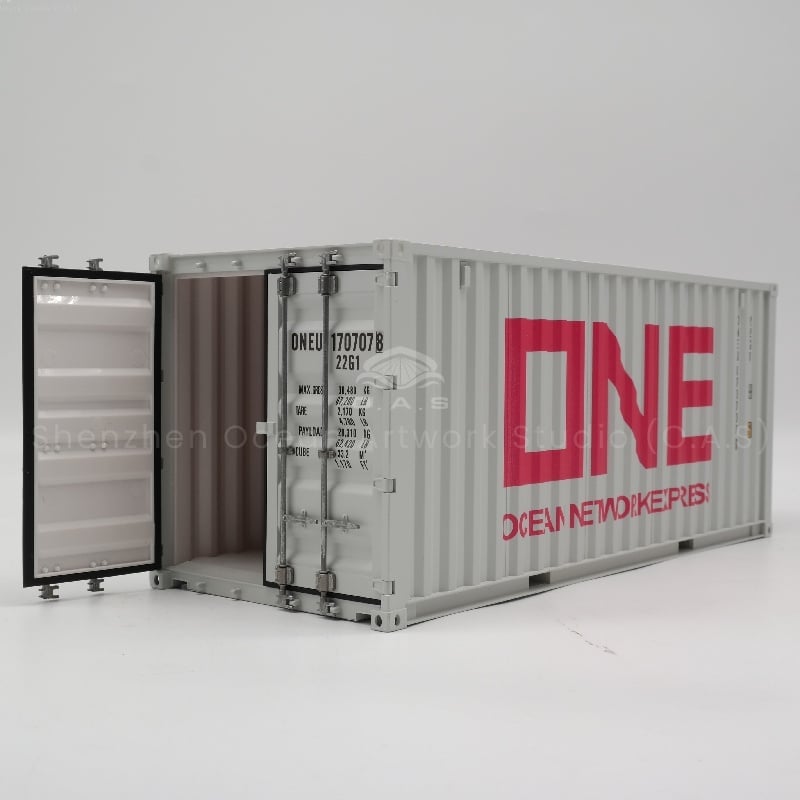
In today's competitive business landscape, B2B companies are constantly seeking innovative ways to showcase their capabilities and strengthen client relationships. Custom container models have emerged as a powerful tool for businesses operating in shipping, logistics, and maritime industries, offering unique opportunities for brand representation and client engagement. These meticulously crafted replicas serve far more than decorative purposes, functioning as strategic marketing assets that communicate professionalism, attention to detail, and industry expertise to potential clients and partners.
The maritime and logistics sectors have long recognized the value of physical representations in business communications. When clients can visualize and interact with tangible models of container vessels, port facilities, or shipping equipment, complex concepts become more accessible and memorable. This tactile approach to business presentation creates lasting impressions that digital presentations alone cannot achieve, making custom container models an invaluable investment for companies serious about their market positioning.
Custom container models serve as exceptional conversation starters during client meetings, trade shows, and industry conferences. These detailed replicas demonstrate a company's commitment to quality and precision, reflecting the same attention to detail that clients can expect from actual business operations. The visual impact of a well-crafted model creates an immediate impression of professionalism that resonates with decision-makers across various industries.
When potential clients visit offices or showrooms, custom container models positioned strategically throughout the space reinforce brand messaging and company capabilities. The physical presence of these models creates a more engaging environment than traditional wall displays or digital presentations, encouraging longer visits and more meaningful conversations about business opportunities.
Unlike conventional marketing materials that often get discarded or forgotten, custom container models possess inherent staying power. Recipients of these models tend to display them prominently in their offices, creating ongoing brand exposure that extends far beyond the initial presentation. This sustained visibility ensures that your company remains top-of-mind when clients consider future business partnerships or expansion opportunities.
The uniqueness of custom container models makes them highly effective as corporate gifts for key clients and stakeholders. These personalized tokens of appreciation demonstrate thoughtfulness while serving practical promotional purposes, creating positive associations with your brand that influence future business decisions.
Complex logistics operations, shipping routes, and supply chain concepts often challenge traditional communication methods. Custom container models provide three-dimensional storytelling platforms that help clients understand intricate business processes more effectively. By incorporating specific details such as company logos, color schemes, and operational elements, these models create comprehensive visual narratives that support verbal presentations and technical discussions.
The ability to physically manipulate and examine models during presentations enhances client engagement and comprehension. Stakeholders can visualize scale relationships, operational workflows, and strategic positioning more clearly when interacting with tangible representations rather than relying solely on abstract concepts or two-dimensional illustrations.
For companies involved in container design, port operations, or logistics planning, custom container models serve as invaluable technical demonstration tools. These models can illustrate specific features, modifications, or innovations that distinguish your services from competitors, providing concrete examples that support technical discussions and proposal presentations.
Engineering teams and project managers can use detailed models to explain complex operational procedures, safety protocols, or efficiency improvements to clients who may not possess technical backgrounds. This bridge between technical expertise and client understanding often proves crucial in securing contracts and building long-term partnerships.
Unlike traditional advertising campaigns that require ongoing financial commitments, custom container models represent one-time investments that continue delivering value for years. These durable marketing assets maintain their impact through countless presentations, client meetings, and promotional events without additional costs or maintenance requirements beyond basic care and cleaning.
The versatility of custom container models allows companies to repurpose them across various marketing initiatives, from trade show displays to executive office presentations. This multi-functional capability maximizes return on investment while providing consistent brand messaging across different business contexts and audience segments.
In industries where companies often present similar services and capabilities, custom container models create distinct competitive advantages. The investment in high-quality, detailed models signals commitment to excellence and attention to detail that resonates with quality-conscious clients. This differentiation becomes particularly valuable when competing for high-value contracts or establishing relationships with premium clients.
The exclusivity of custom-designed models ensures that your presentations stand out from standardized approaches used by competitors. Clients appreciate unique experiences and innovative communication methods, making custom container models powerful tools for memorable business interactions that influence decision-making processes.
Custom container models can be tailored to reflect specific client requirements, project details, or collaborative opportunities, creating personalized experiences that demonstrate understanding of individual client needs. This level of customization shows investment in the relationship beyond standard sales presentations, fostering deeper connections and trust between business partners.
When models incorporate elements specific to client operations, such as their company colors, logos, or operational specifications, they become collaborative tools that facilitate better communication and planning discussions. This personalized approach often accelerates decision-making processes and strengthens long-term business relationships.
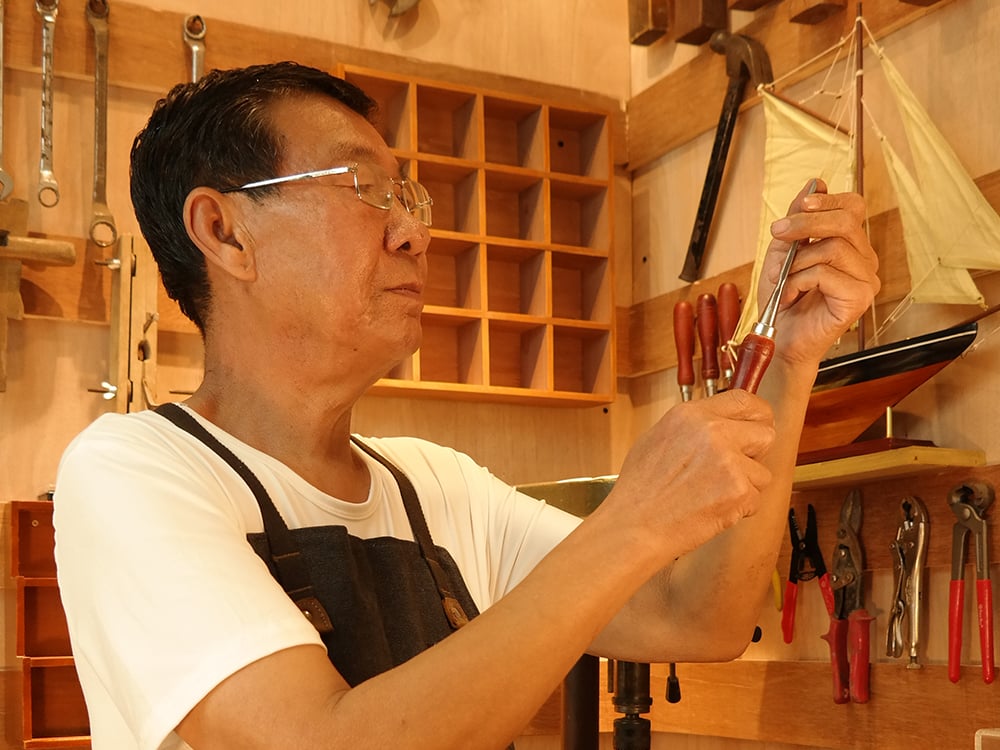
The craftsmanship evident in well-made custom container models reflects the quality standards clients can expect from actual business operations. When potential partners observe the precision, detail, and professional finish of promotional models, they gain confidence in the company's ability to deliver similar quality in real-world applications.
This tangible demonstration of quality standards often proves more convincing than certifications, testimonials, or verbal assurances alone. Clients can examine the model closely, assessing build quality and attention to detail that mirrors the standards they seek in business partnerships, creating natural trust-building opportunities during initial relationship development phases.
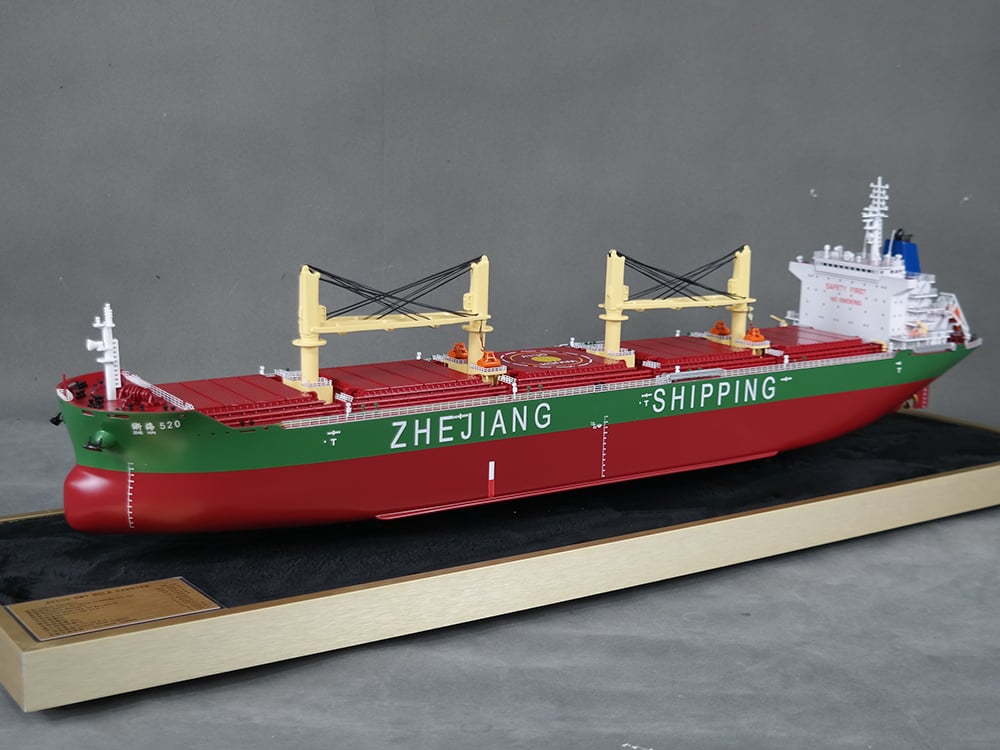
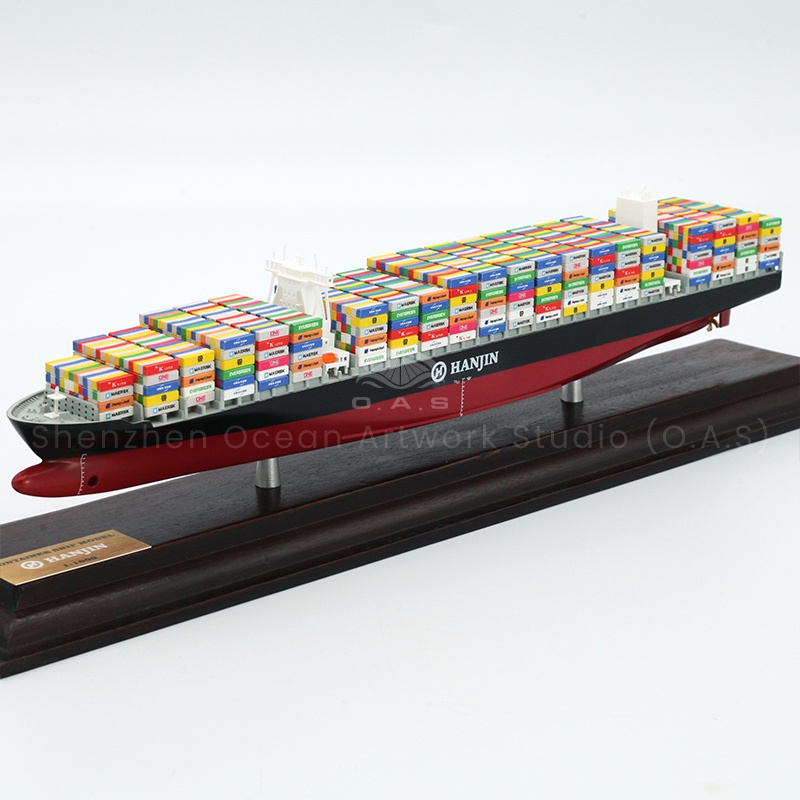
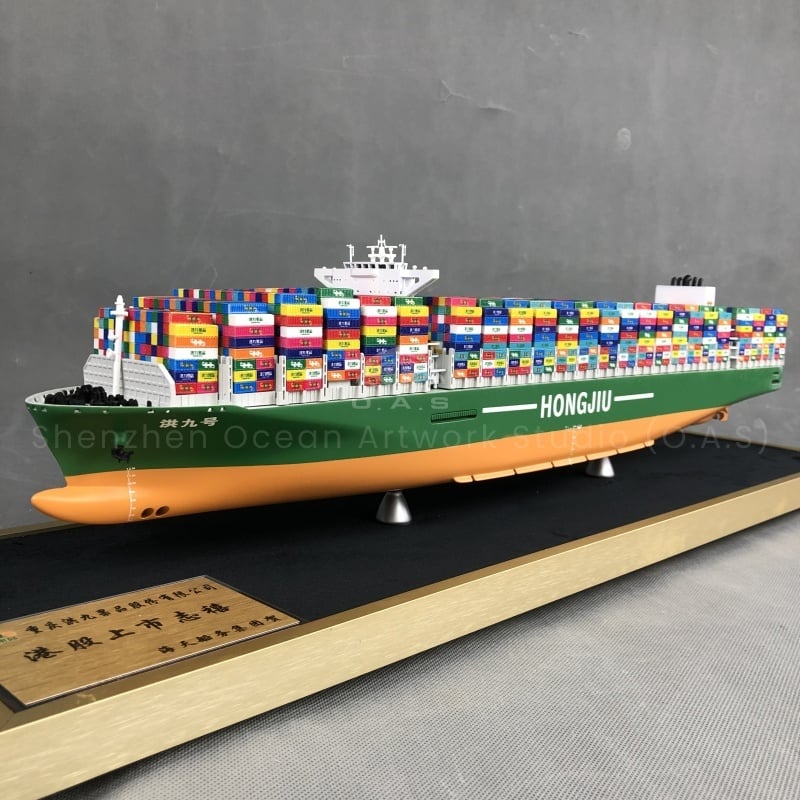
Companies involved in container shipping, port operations, and maritime logistics find custom container models particularly valuable for client education and project visualization. These models help clients understand vessel configurations, loading procedures, and operational capabilities that directly impact their shipping requirements and cost considerations.
Port authorities and terminal operators use detailed models to explain facility layouts, equipment capabilities, and operational workflows to potential clients considering long-term contracts. The ability to visualize complex port operations through scaled models often facilitates better understanding and more informed decision-making regarding facility utilization and service agreements.
Custom container models support logistics companies in explaining multi-modal transportation solutions, warehouse configurations, and supply chain optimization strategies to clients. These visual aids help bridge the gap between complex operational concepts and client understanding, particularly when dealing with stakeholders who may lack technical logistics backgrounds.
Supply chain consultants and third-party logistics providers leverage detailed models to demonstrate proposed improvements, efficiency gains, and cost reduction opportunities. The three-dimensional representation of logistics solutions often proves more effective than traditional charts and graphs in communicating value propositions to executive decision-makers.
High-quality custom container models are typically constructed using durable materials such as die-cast metal, premium plastics, or composite materials that ensure longevity and professional appearance. The choice of materials depends on the intended use, display requirements, and budget considerations, with metal models offering superior durability and weight for premium presentations.
Production timelines for custom container models generally range from 4-8 weeks, depending on complexity, customization requirements, and manufacturer specifications. Simple logo applications may require less time, while detailed custom paint schemes, unique configurations, or special features may extend production schedules. Planning ahead ensures models are available for important presentations or events.
While major structural modifications are typically not feasible after production, minor updates such as logo changes, color adjustments, or additional decals can often be accommodated by skilled model makers. The extent of possible modifications depends on the original construction methods and materials used, making it important to discuss future modification possibilities during the initial design phase.
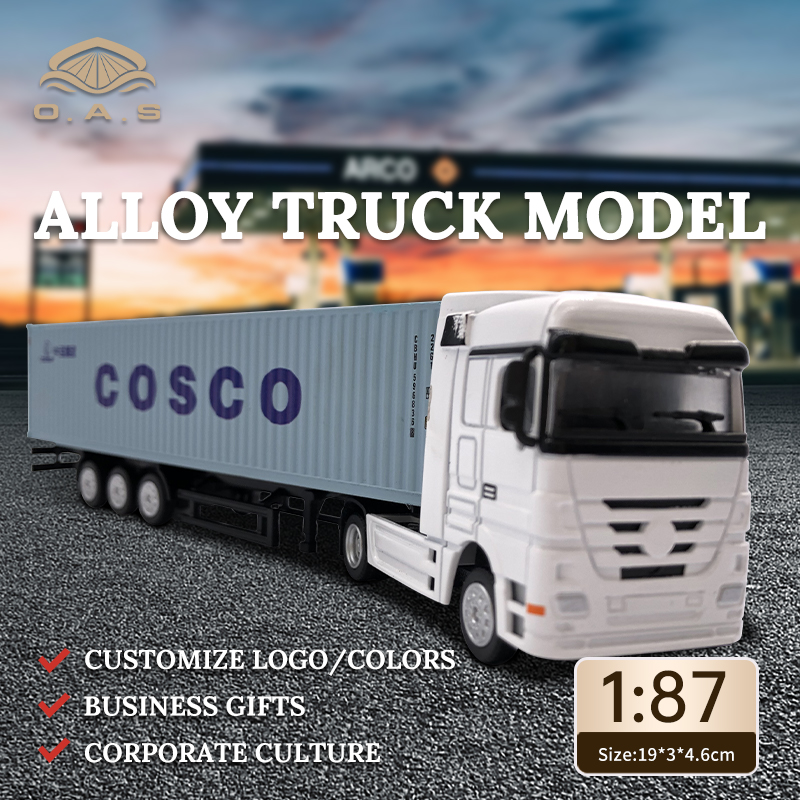
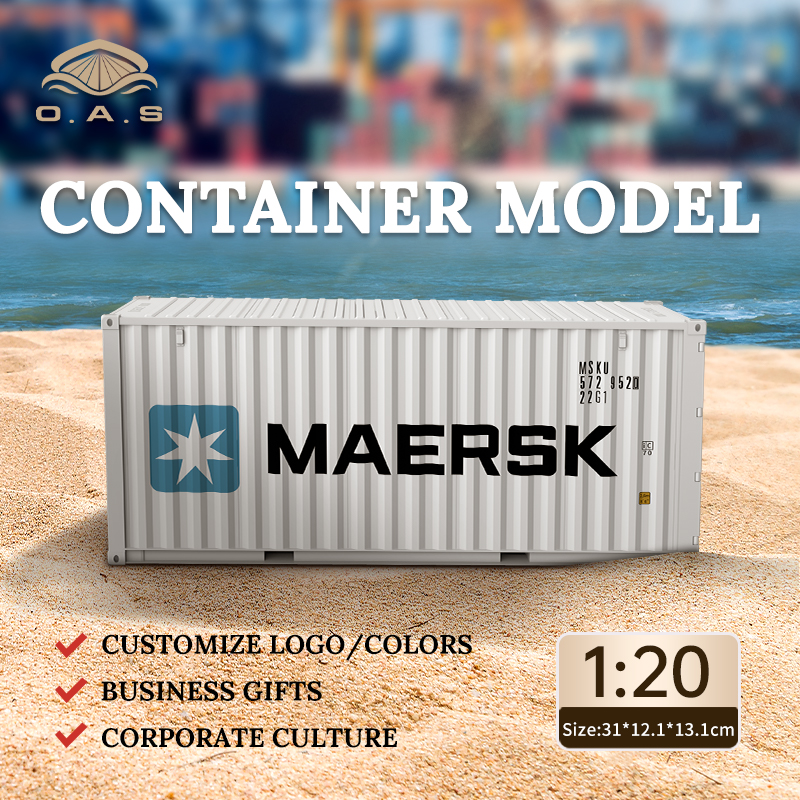
Custom container models are available in various scales ranging from small desktop displays (1:500 or smaller) to large presentation models (1:87 or 1:50). The choice of scale depends on intended use, display space, and level of detail required. Larger scales allow for more intricate details and better visual impact, while smaller scales offer portability and space efficiency for traveling presentations.
 Hot News
2024-06-11
2024-06-07
2024-06-01
2024-06-01
2024-06-01
2024-05-25
Shenzhen Ocean Artwork Studio (O.A.S) Technology Co., Ltd. is a leading ship model manufacturer with over 15 years of experience. We specialize in designing and producing civil, military, and engineering ship models, working with top global shipping brands such as MAERSK, COSCO, and EVERGREEN.