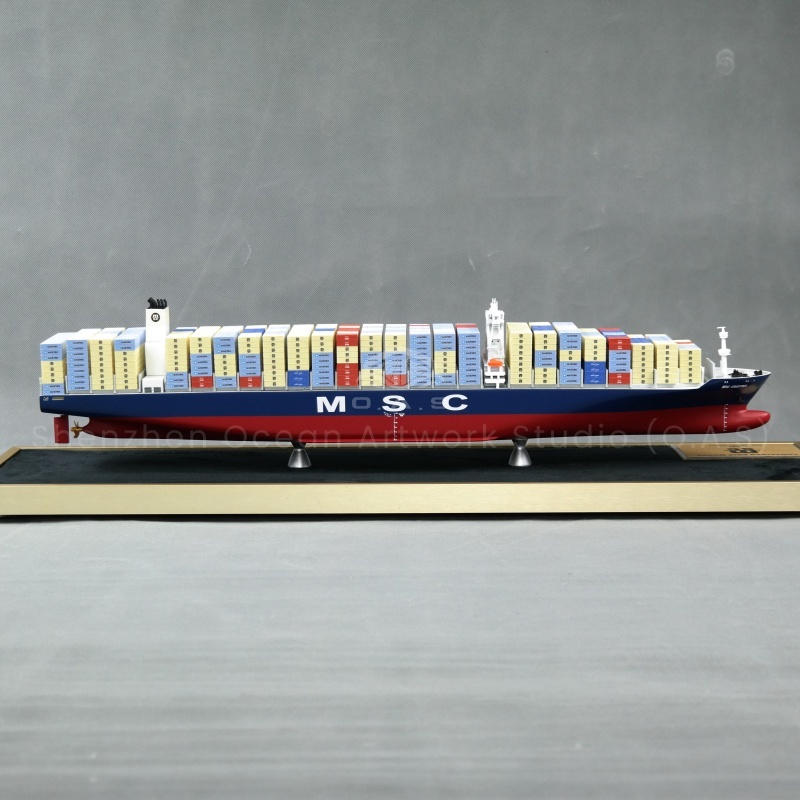
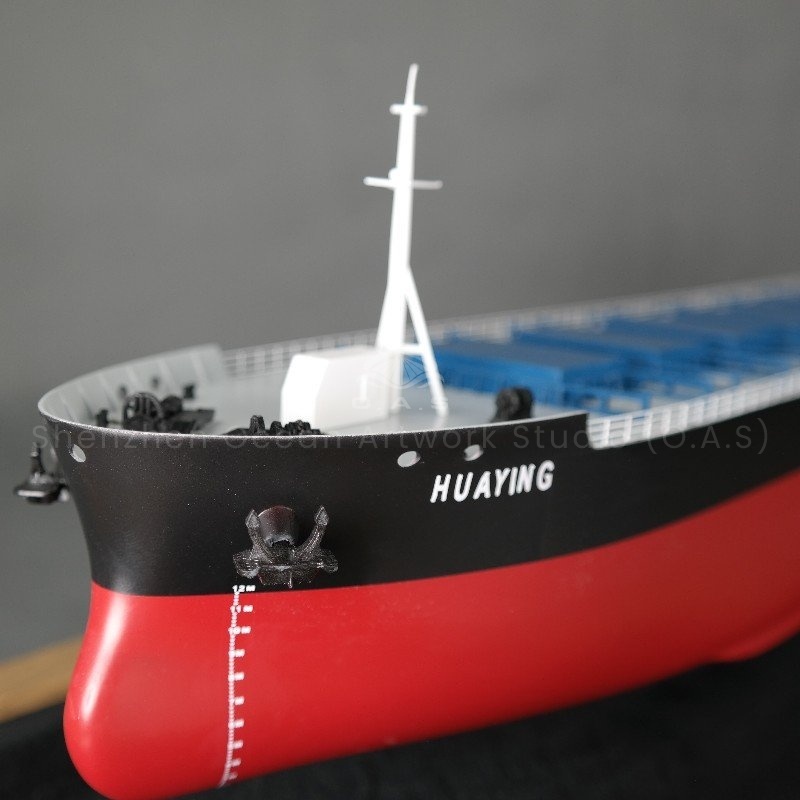
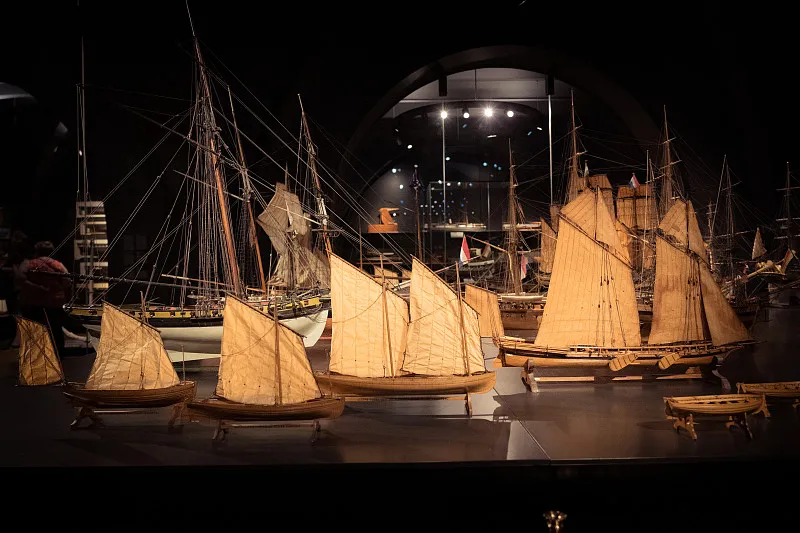
EN
EN

In the world of luxury exhibitions and corporate showcases, yacht models serve as powerful ambassadors of maritime excellence and sophisticated craftsmanship. These meticulously crafted miniatures transcend their physical dimensions to embody the prestige, innovation, and heritage that define leading yacht manufacturers and maritime brands. From international boat shows to exclusive dealership displays, yacht models have become indispensable tools for communicating brand values and capturing the imagination of discerning clientele who appreciate the finest in naval architecture.
Maritime manufacturers rely on yacht models to bridge the gap between conceptual designs and tangible experiences for potential customers. These scaled representations allow visitors to examine intricate details, proportions, and design elements that would be impossible to appreciate through photographs or digital renderings alone. The tactile nature of physical models creates an emotional connection that resonates with luxury consumers who value authenticity and craftsmanship in their purchasing decisions.
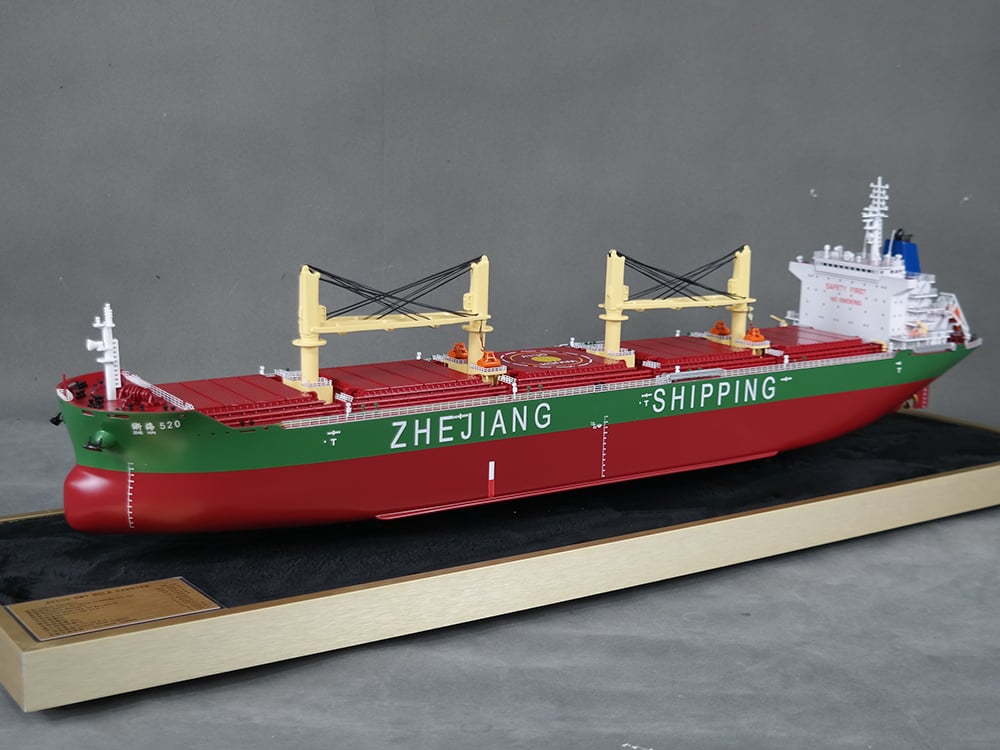
Professional yacht models incorporate authentic materials, precise scaling, and meticulous attention to detail that mirrors the construction standards of full-sized vessels. From hand-painted hull finishes to miniaturized deck hardware, every element contributes to creating a convincing representation of the manufacturer's capabilities and commitment to excellence. This level of detail demonstrates the brand's dedication to quality while showcasing the sophisticated engineering that goes into each vessel.
International boat shows and maritime exhibitions represent significant investments for yacht manufacturers, making it essential to maximize the impact of their display presentations. Yacht models serve as focal points that draw visitors into booth spaces while providing conversation starters for sales representatives. The visual appeal of expertly crafted models creates photo opportunities that extend brand exposure through social media sharing and professional photography coverage of exhibitions.
Beyond their aesthetic appeal, yacht models function as educational tools that help sales teams explain complex design features and technical specifications to potential customers. Interactive elements such as removable sections, detailed interior layouts, and working components transform static displays into engaging experiences that hold visitor attention longer than traditional marketing materials. This extended engagement time provides valuable opportunities for meaningful conversations about customization options and specific customer requirements.
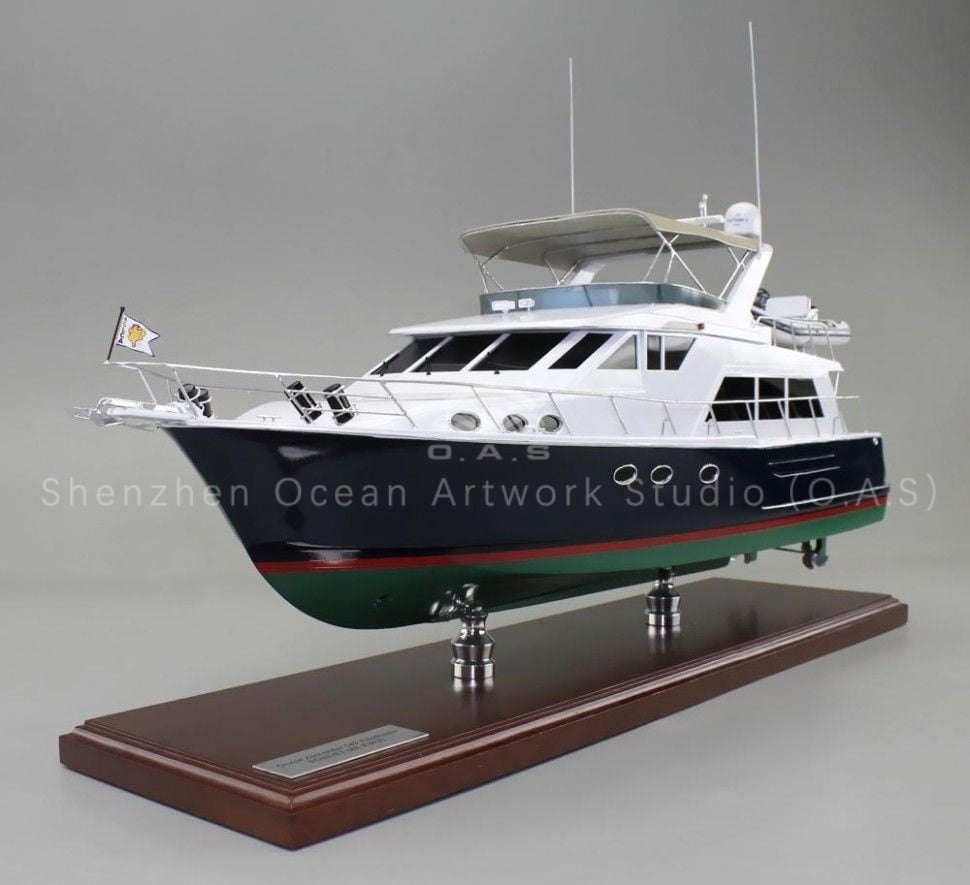
The creation of premium yacht models requires careful selection of materials that accurately represent the textures, colors, and finishes found on actual vessels. Professional model makers utilize marine-grade materials including scaled lumber, metal fittings, and specialized paints that maintain their appearance under exhibition lighting conditions. These material choices ensure that yacht models maintain their visual impact throughout extended display periods while resisting the wear associated with frequent handling and transportation.
Advanced construction techniques allow for the incorporation of functional elements such as retractable landing gear, adjustable sails, and removable cabin sections that reveal detailed interior layouts. These interactive features enhance the educational value of yacht models while demonstrating the sophisticated engineering that characterizes modern vessel design. The ability to showcase both external aesthetics and internal functionality makes these models particularly effective for communicating the comprehensive nature of yacht manufacturing capabilities.
Maintaining accurate proportions across all elements of yacht models requires extensive coordination between model makers and original design teams. Technical drawings, specifications, and dimensional data must be precisely translated to smaller scales while preserving the visual relationships that define the vessel's character and performance characteristics. This attention to proportional accuracy ensures that yacht models serve as reliable references for design discussions and customer consultations.
Professional yacht models typically incorporate multiple levels of detail that become apparent upon closer examination, rewarding extended viewing and creating opportunities for discovery that enhance visitor engagement. From correctly scaled rigging hardware to proportionally accurate deck furniture, these details contribute to the overall credibility of the presentation while demonstrating the manufacturer's commitment to precision in all aspects of their work.
Leading yacht manufacturers utilize custom yacht models to highlight distinctive design elements that set their vessels apart from competitors in crowded marketplace environments. These signature features might include innovative hull designs, proprietary propulsion systems, or distinctive architectural elements that have become associated with specific brands. By emphasizing these unique characteristics through detailed model construction, manufacturers can effectively communicate their value propositions to exhibition visitors.
The customization possibilities for yacht models extend beyond basic structural elements to include brand-specific color schemes, logo placement, and marketing messaging integration. These branded elements ensure that models function as cohesive components of larger marketing campaigns while maintaining the sophisticated aesthetic appeal that attracts luxury consumers. Careful integration of branding elements prevents models from appearing overly commercial while still clearly identifying the manufacturer and their specific vessel offerings.
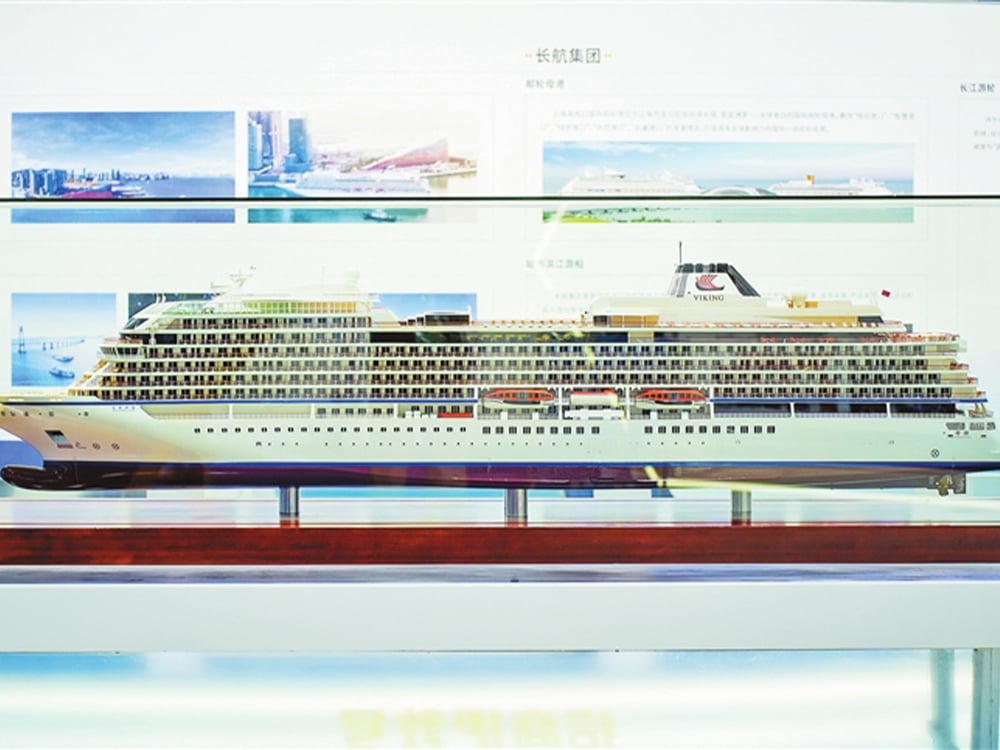
Many yacht manufacturers develop comprehensive collections of yacht models that represent their complete product lines, creating cohesive displays that demonstrate the breadth and depth of their manufacturing capabilities. These coordinated presentations allow visitors to compare different vessel types and sizes while maintaining visual consistency that reinforces brand identity. The ability to showcase multiple models simultaneously provides opportunities for discussing upgrade paths and complementary vessel options with potential customers.
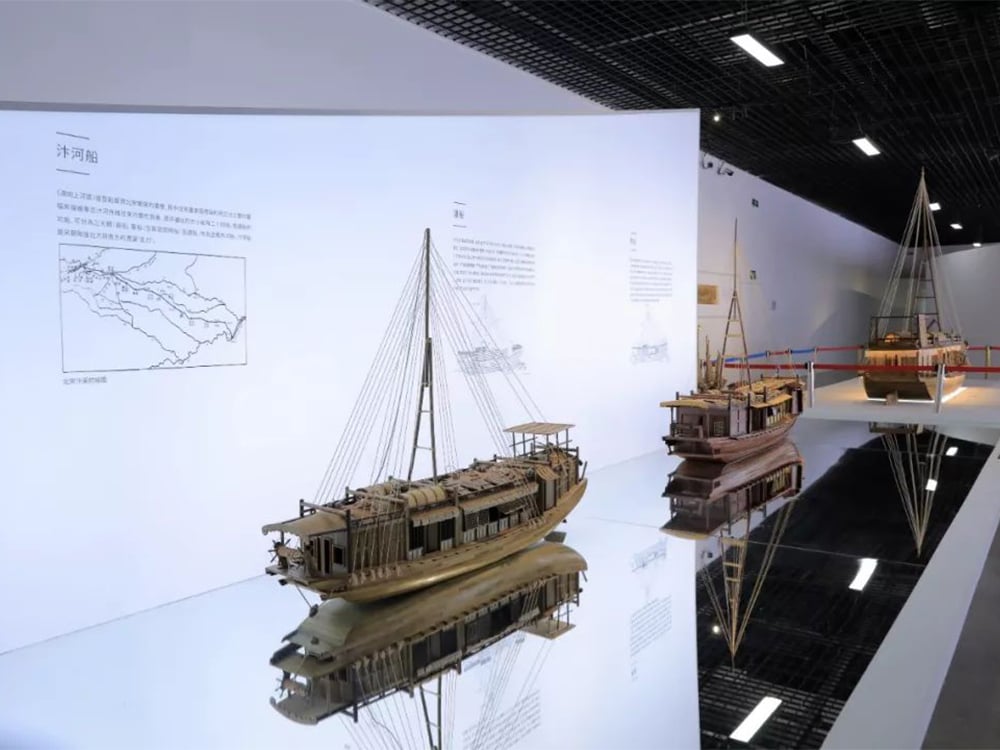
Consistency across model collections requires standardized construction techniques, material specifications, and finishing processes that ensure uniform quality and appearance. This standardization extends to presentation elements such as display bases, information placards, and protective cases that contribute to professional exhibition appearances. The investment in consistent presentation standards reflects the manufacturer's attention to detail while creating memorable brand experiences that distinguish their displays from competitors.
Contemporary yacht models benefit from advanced manufacturing technologies that enable unprecedented levels of detail and accuracy in scaled reproductions. Computer-controlled cutting systems, 3D printing capabilities, and precision molding techniques allow for the creation of components that would be impossible to produce through traditional handcrafting methods alone. These technological advances have expanded the possibilities for incorporating authentic textures, complex geometries, and intricate mechanical elements into exhibition models.
The integration of modern materials science has introduced new possibilities for creating yacht models that maintain their appearance and structural integrity under demanding exhibition conditions. Advanced composites, UV-resistant coatings, and specialized adhesives ensure that models retain their visual impact throughout extended display periods while resisting damage from handling and environmental factors. These material improvements have significantly extended the useful life of exhibition models while reducing maintenance requirements.
Modern yacht models increasingly incorporate digital elements that enhance their educational and marketing effectiveness through interactive features and multimedia presentations. LED lighting systems can highlight specific design features or simulate operational conditions, while integrated display screens provide additional technical information and virtual tours of vessel interiors. These technological enhancements transform traditional static displays into dynamic presentations that engage multiple senses and learning styles.
The integration of QR codes and near-field communication technologies allows yacht models to serve as gateways to comprehensive digital resources including video content, technical specifications, and virtual reality experiences. These digital connections extend the impact of physical models beyond the confines of exhibition spaces while providing opportunities for continued engagement with interested prospects after events conclude. The seamless blend of physical and digital elements creates memorable experiences that reflect the innovative nature of modern yacht manufacturing.
High-quality yacht models represent significant initial investments that deliver ongoing marketing value through repeated use at multiple events and venues over extended periods. Unlike printed materials or digital displays that require frequent updates and replacements, well-constructed models maintain their effectiveness for years when properly maintained and stored. This longevity makes yacht models particularly cost-effective marketing tools for manufacturers who participate in regular exhibition schedules and ongoing promotional activities.
The portability of yacht models enables their use across diverse marketing contexts including trade shows, dealership displays, corporate presentations, and customer entertainment events. This versatility maximizes the return on investment while ensuring consistent brand representation across all customer touchpoints. The ability to adapt models to different presentation contexts through modular display systems and interchangeable components further enhances their value as long-term marketing assets.
The presence of expertly crafted yacht models in exhibition spaces immediately communicates professional competence and attention to detail that reflects positively on the manufacturer's overall brand image. These tangible demonstrations of craftsmanship capability provide reassurance to potential customers who are considering significant investments in luxury vessels. The quality of model construction serves as a preview of the standards that customers can expect in their actual vessel purchases.
Professional yacht models also serve important functions in corporate environments beyond direct sales activities, including boardroom presentations, investor meetings, and media interviews. The presence of impressive physical models adds gravitas to business discussions while providing visual references that enhance communication effectiveness. These applications extend the value of model investments beyond traditional marketing activities to support broader business development objectives.
Yacht models excel in luxury marketing because they provide tactile, three-dimensional experiences that resonate with high-end consumers who value craftsmanship and attention to detail. Unlike digital presentations, physical models allow potential customers to examine construction quality, proportions, and design elements firsthand, creating emotional connections that influence purchasing decisions. The investment in premium model construction demonstrates the manufacturer's commitment to excellence while providing memorable brand experiences that distinguish them from competitors in crowded marketplace environments.
Exhibition yacht models are specifically designed for professional marketing applications and incorporate features that enhance their effectiveness as business tools. These differences include the use of durable materials suitable for frequent handling and transportation, modular construction that facilitates repairs and updates, and integrated branding elements that support marketing objectives. Exhibition models also prioritize accuracy over aesthetic enhancement, ensuring they serve as reliable references for technical discussions and customer consultations rather than decorative objects.
Scale selection for exhibition yacht models depends on several factors including available display space, transportation requirements, viewing distances, and the level of detail needed to effectively communicate design features. Larger scales allow for greater detail incorporation but require more storage and transportation resources, while smaller scales offer portability advantages but may limit the visibility of important design elements. Most exhibition yacht models utilize scales between 1:50 and 1:100, which provide good balances between detail visibility and practical handling requirements.
Well-constructed yacht models using quality materials and proper maintenance can remain effective marketing tools for five to ten years or longer, depending on usage frequency and storage conditions. Regular cleaning, protective storage, and periodic refinishing can extend their useful life while maintaining professional appearance standards. The longevity of yacht models makes them cost-effective marketing investments compared to other promotional materials that require frequent replacement, particularly for manufacturers who participate in regular exhibition schedules and ongoing promotional activities.
 Hot News
2024-06-11
2024-06-07
2024-06-01
2024-06-01
2024-06-01
2024-05-25
Shenzhen Ocean Artwork Studio (O.A.S) Technology Co., Ltd. is a leading ship model manufacturer with over 15 years of experience. We specialize in designing and producing civil, military, and engineering ship models, working with top global shipping brands such as MAERSK, COSCO, and EVERGREEN.