EN
EN

Strategic Visualization: Why Scale Detail and Narrative Matter for Shipping Brands
Strategic Fidelity: Showcasing Brand Authority and Industry Expertise
Professional Cognition in Corporate Showcases and Client Engagement
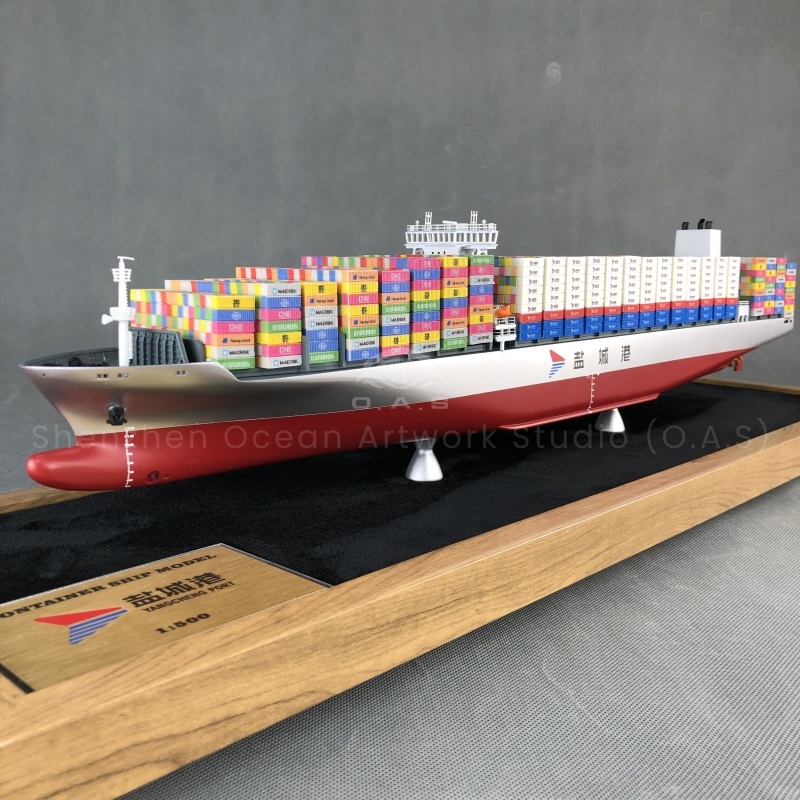
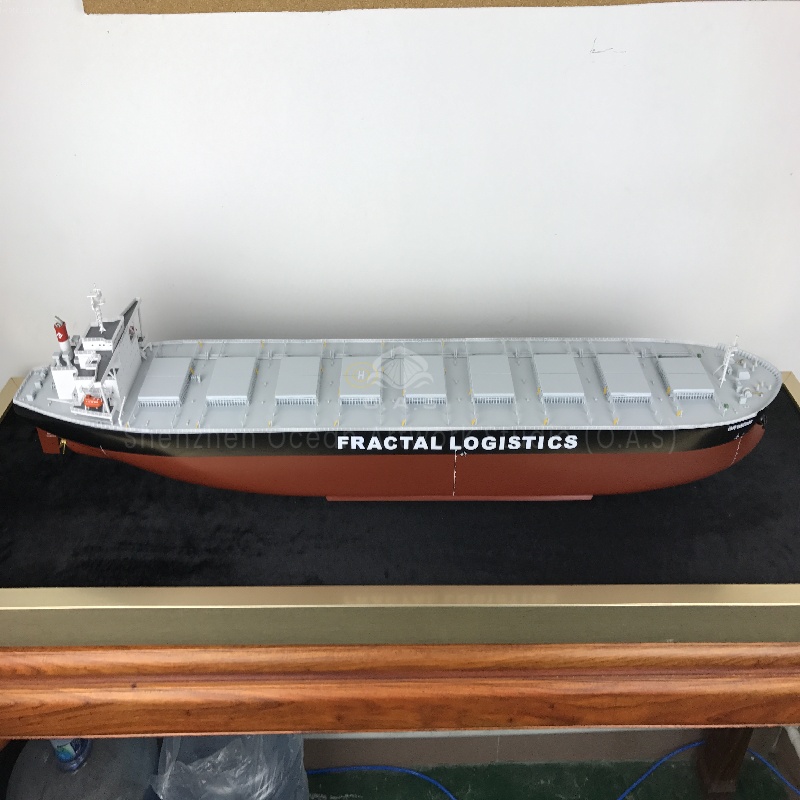
Precision in model craftsmanship transforms shipping assets from abstract concepts into a tangible demonstration of brand strength. While professional spatial calculations for terminal layouts and port planning rely on advanced algorithms and big data, high-fidelity replicas anchor a brand's image. A precisely scaled model provides an intuitive medium to showcase a company’s deep professional cognition of ship structures and the maritime ecosystem to shipyards and global clients. It serves as a visual testament to the firm’s expertise, rather than a tool for engineering-grade calculations.
Visualizing Operational Standards: Cranes, Hatch Covers, and Deck Machinery
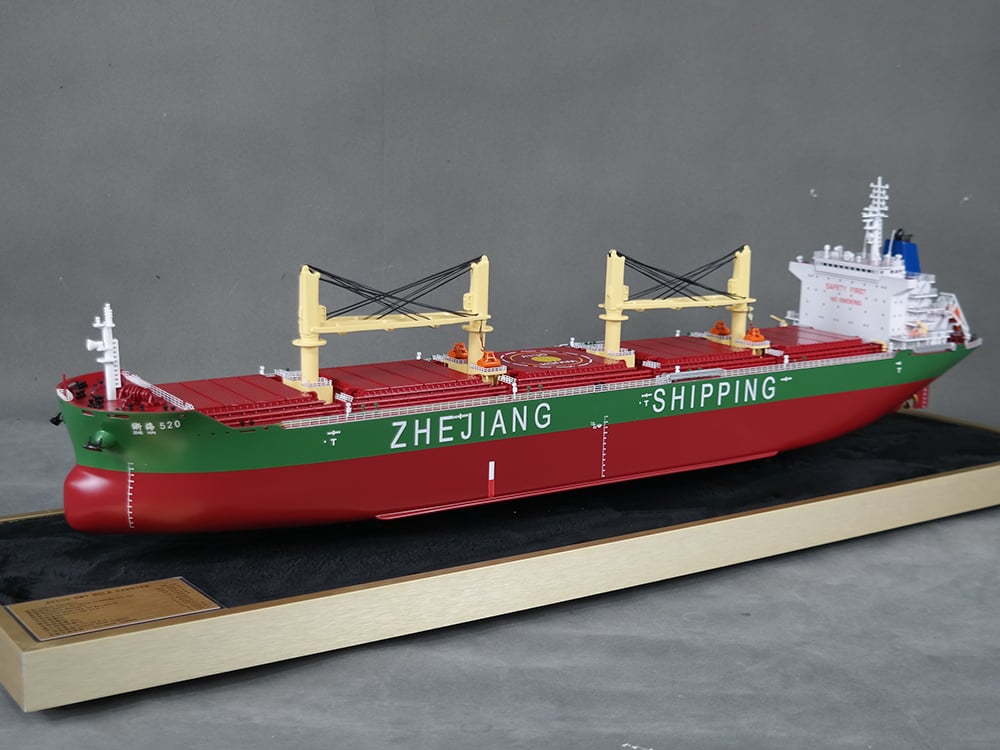
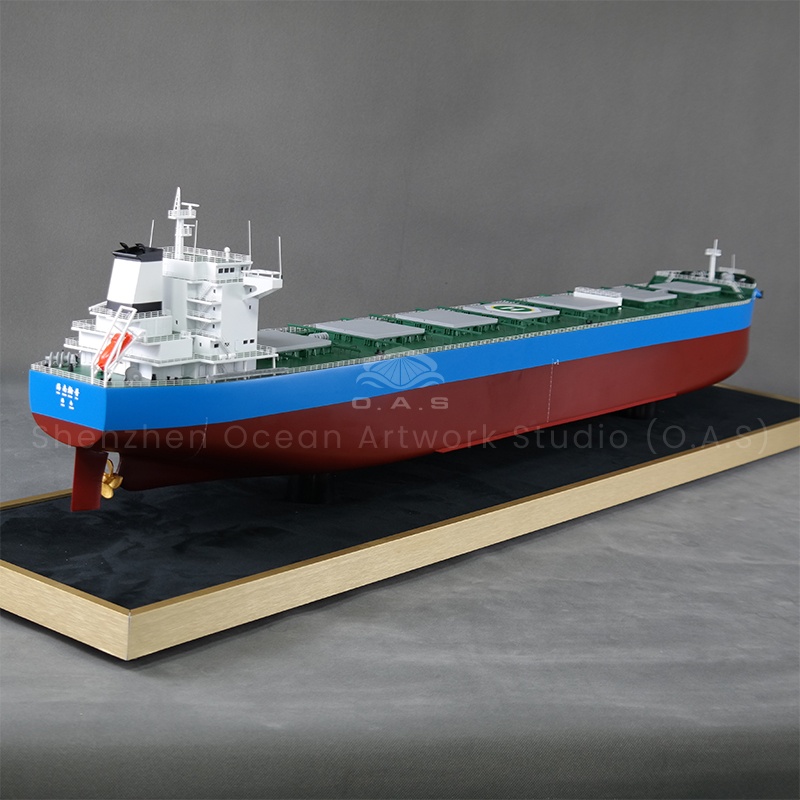
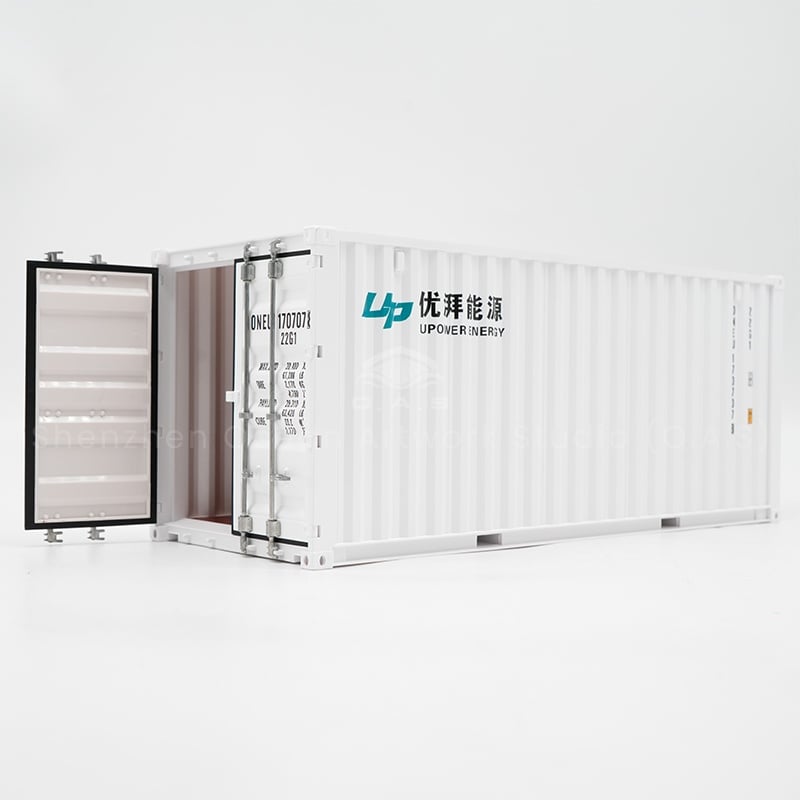
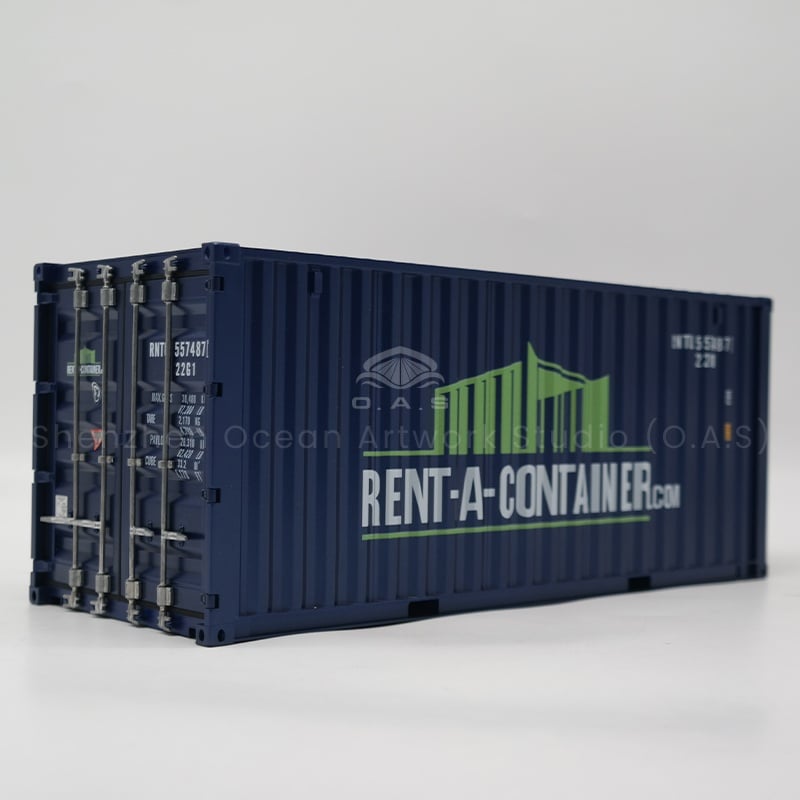
Detail-oriented replicas—featuring container lashing points, hatch covers, and articulating crane booms—visualize the complexity of maritime operations. These models are not intended for engineering-level layout planning or stowage calculations, which require professional systems. Instead, they serve as high-end case presentations. By restoring the intricate hardware of specific projects, a company can demonstrate its rigorous service standards and operational logic, allowing stakeholders to immediately grasp the carrier's professional depth.
Material & Construction: Balancing Durability, Cost, and Realism in Model Production
ABS plastic vs. resin vs. 3D-printed models: suitability for high-traffic environments
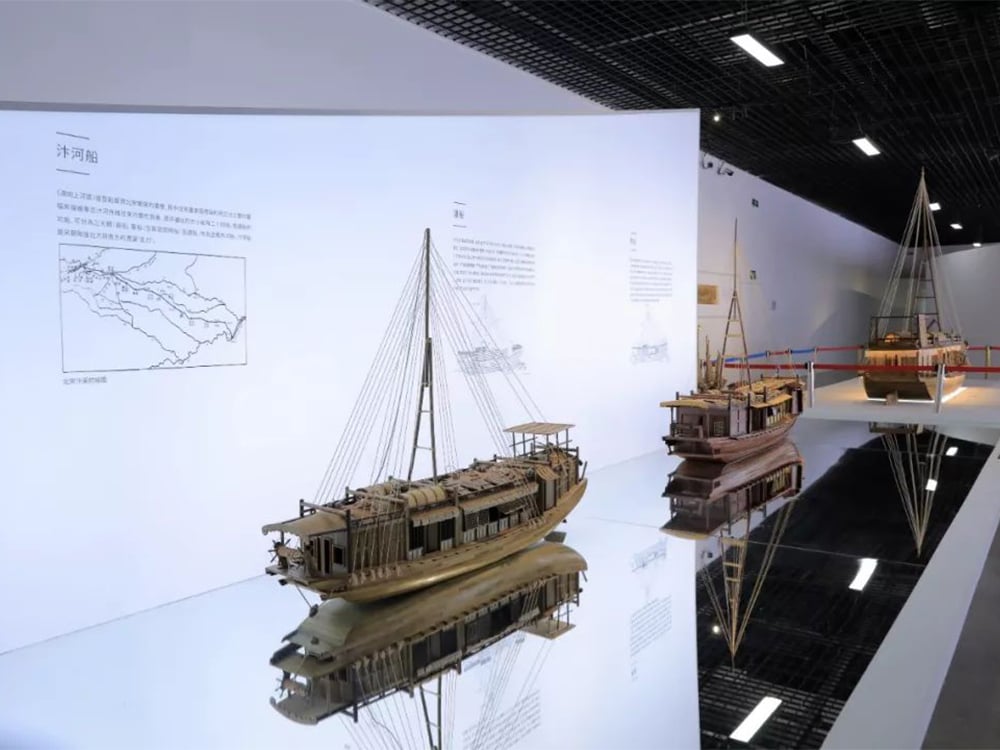
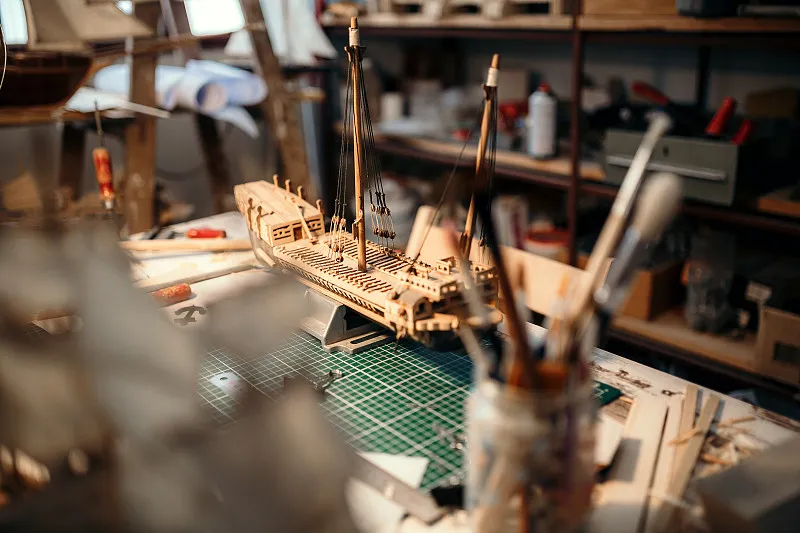
Selecting the right materials involves balancing visual fidelity with durability for frequent handling or public display. ABS plastic offers superior impact resistance for high-traffic environments. Resin models provide exceptional surface detail for stationary office displays, while 3D-printed alternatives allow for rapid customization of bespoke project vessels. To maintain a modern and professional aesthetic, industrial polymers are preferred over traditional materials like wood.
Material |
Durability (High-Traffic) |
Cost Efficiency |
Brand Representation Potential |
ABS Plastic |
Excellent impact resistance |
Moderate |
High with industrial finish |
Cast Resin |
Moderate (UV-sensitive) |
Higher |
Exceptional for fine details |
3D-Printed |
Variable (layer adhesion) |
Low-volume advantage |
Medium (requires finishing) |
For long-term installations, industrial-grade ABS ensures minimal maintenance while authentically replicating deck machinery. Resin suits static exhibits where visual nuance is paramount, whereas 3D printing is ideal for replicating unique project hulls for specific case studies.
Display Integration: Optimizing Model Presentation for Stakeholder Engagement
Lighting and mounting strategies to highlight fleet capacity and project cases
Strategic illumination transforms static models into dynamic tools for visualizing capacity. Focused lighting can emphasize the scale of a vessel’s carrying power, while mounting at viewing angles between 15–25 degrees allows clients to intuitively "scan" the ship's overall dimensions. This presentation style helps stakeholders immediately understand the company’s total carrying capacity and fleet scale, facilitating a faster grasp of the firm's logistical reach without the need for complex analytical tools.
Protecting model integrity to preserve brand image
Maintaining the pristine condition of a model is essential to reflect a brand's commitment to quality. Protection protocols prevent degradation, ensuring the model remains a powerful asset for project case studies.
Threat |
Solution |
Brand Impact |
Dust |
Positive-pressure ventilation |
Maintains professional clarity |
UV Radiation |
Low-iron glass with UV coating |
Prevents color/finish degradation |
Thermal Shift |
Microclimate control systems |
Ensures structural stability |
Contextual Relevance: Selecting the Right Model Size for Specific Scenarios
Souvenirs to Exhibitions: Matching Length and Features to Business Objectives
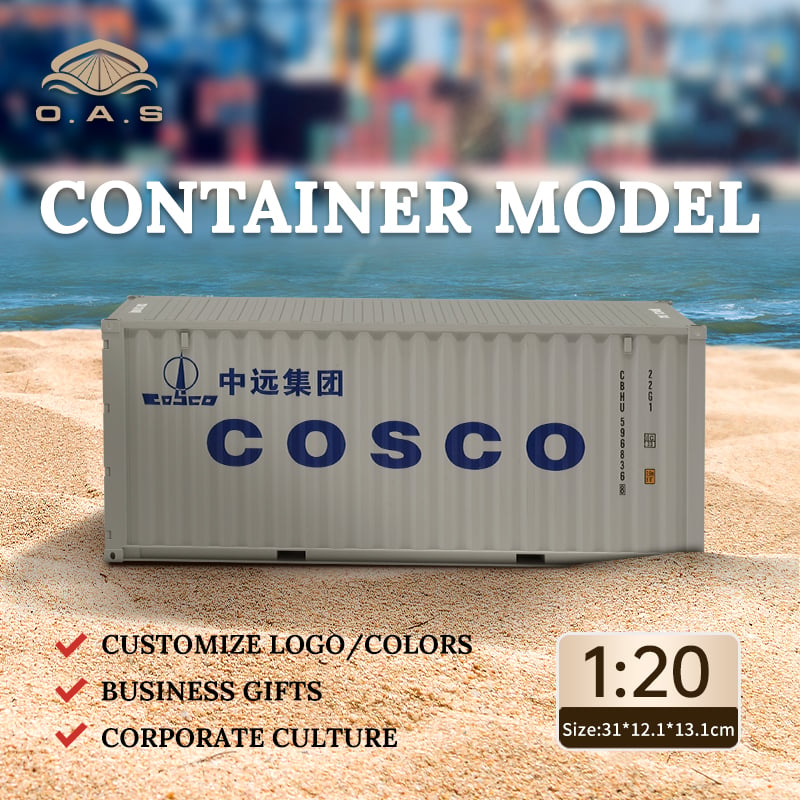
Choosing the correct physical length is more critical than a fixed ratio for business utility. Smaller models (15cm, 20cm, 35cm, 45cm) are ideal for high-end souvenirs and commemorative gifts, while larger models (65cm, 127cm, 150cm) are designed for large-scale exhibition displays and corporate showrooms to visualize massive carrying power.
Vessel Class |
Primary Application |
Recommended Length |
Strategic Objective |
Feeder |
Regional network gifts |
15cm – 35cm |
COMMEMORATIVE / BRANDING |
Panamax |
Trade show highlights |
45cm – 65cm |
CAPACITY VISUALIZATION |
ULCV |
Corporate HQ / Showrooms |
127cm – 150cm |
FLEET SCALE & AUTHORITY |
Aligning model size with specific project cases—such as those served for major logistics groups—allows for a tangible restoration of service standards. These "physical case studies" let clients see the specifications of ships used in previous successful partnerships.
FAQ
• Can these models be used for professional terminal or stowage planning?
No. Professional spatial planning requires system algorithms and big data. These models are strategic assets used to visualize brand authority, fleet capacity, and project standards.
• What materials are best for high-end shipping models?
Industrial ABS and resin are preferred for their durability and high-fidelity surface finish, ensuring a professional brand image.
• How do you choose between different model sizes?
Small sizes (15cm–45cm) are typically used for souvenirs and gifts, while large sizes (65cm–150cm) are utilized for exhibitions to showcase fleet scale and carrying power.
• What is the value of high-precision detail?
It demonstrates the company's deep professional认知 (cognition) of the shipping industry to shipyards and clients, reinforcing the brand's image as a leader in maritime logistics.
 Hot News
2024-06-11
2024-06-07
2024-06-01
2024-06-01
2024-06-01
2024-05-25
Shenzhen Ocean Artwork Studio (O.A.S) Technology Co., Ltd. is a leading ship model manufacturer with over 15 years of experience. We specialize in designing and producing civil, military, and engineering ship models, working with top global shipping brands such as MAERSK, COSCO, and EVERGREEN.