EN
EN

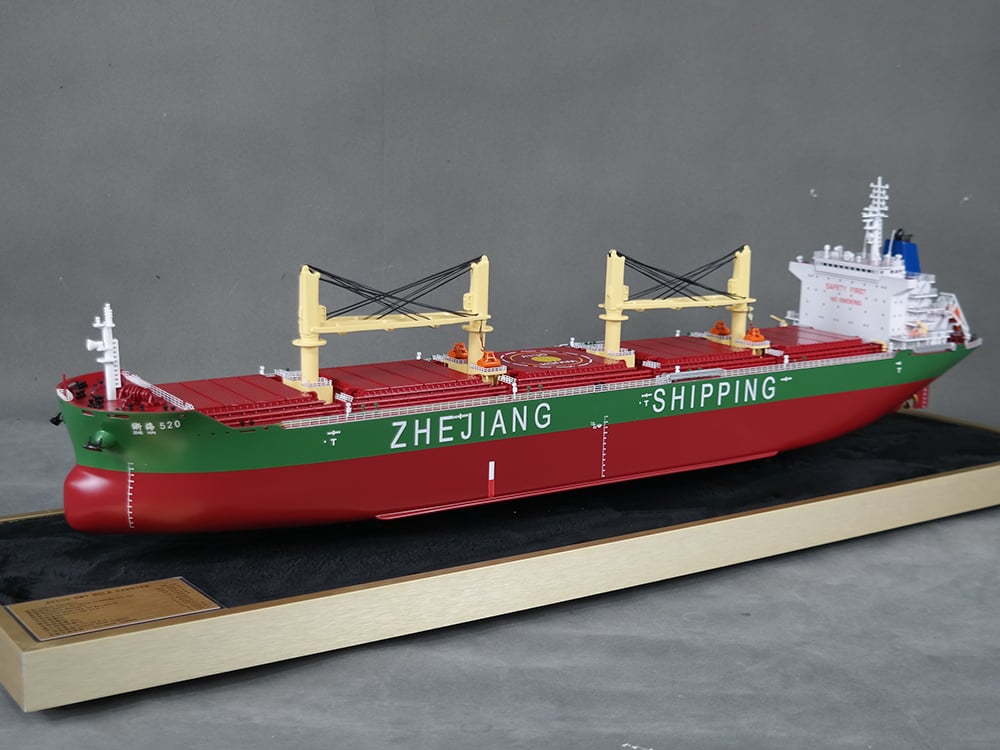
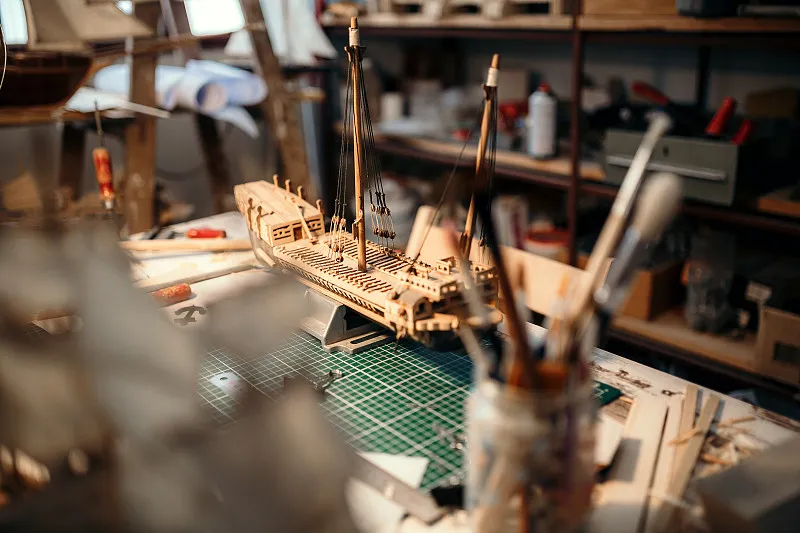
A meticulously crafted model cargo ship transcends decorative appeal—it becomes a tactile testament to maritime proficiency. When clients interact with a physical scale replica during presentations, it demonstrates operational mastery in ways digital renders cannot. The weight of materials, precision of rigging details, and accurate hull design signal deep industry knowledge, transforming abstract capabilities into tangible proof points. This hands-on validation builds credibility faster than technical specifications alone, as 78% of B2B buyers report higher trust in vendors who demonstrate solutions through physical artifacts (Industrial Marketing Journal, 2024).
Strategic branding requires every touchpoint to reflect organizational values—including scale models. Consider these alignment principles:
This intentional design synchronization ensures your model cargo ship operates as a microcosm of corporate identity. When displayed at headquarters or client facilities, it becomes a three-dimensional brand manifesto that elevates perceived industry standing by 41% compared to digital-only displays (B2B Brand Impact Study, 2023).
--- ## Model Cargo Ships in Operational Planning and Infrastructure Validation
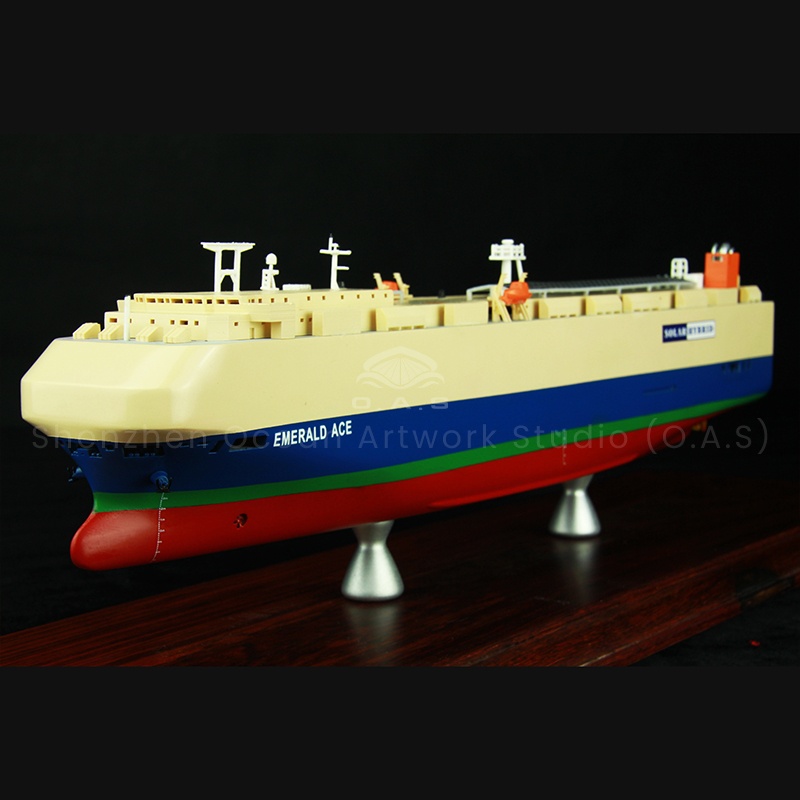
High-fidelity model cargo ships serve as premier instruments for brand authority and professional industry communication. While complex infrastructure planning and berth extensions are strictly driven by advanced system algorithms and big data, scaled replicas provide an intuitive visual anchor for these sophisticated operational strategies.A 2020 Transport Research study found such simulations reduce redesign expenses by 32% per project. For logistics flow, these tactile models enable teams to:
This high-end approach bridges the gap between digital data and stakeholder perception—especially when presenting operational capabilities to global clients and shipyards. Rather than serving as engineering-grade calculation tools, professionally crafted models act as "physical case studies" that demonstrate a firm's deep professional cognition of the maritime industry. The precision of these models allows for the intuitive visualization of vessel carrying capacity and infrastructure compatibility, turning abstract operational data into a clear and authoritative brand narrative.
Physical model cargo ships serve as indispensable catalysts for digital twin implementation in maritime operations. Stakeholders often resist adopting purely virtual simulations due to perceived abstraction risks and integration challenges between physical assets and digital models. A meticulously crafted model provides tactile validation of digital twin outputs, transforming theoretical data streams into observable physical interactions. When executives witness cargo loading sequences or stability simulations on physical models mirroring digital predictions, skepticism transforms into operational confidence. This tangible demonstration proves especially valuable for complex scenarios like port congestion analysis—where hydrodynamic factors interact with cargo distribution. By enabling side-by-side comparison of physical and virtual outcomes, model ships address critical adoption barriers, including scalability concerns in multi-vessel ecosystems and data synchronization latency in real-time decision systems. The resulting alignment between physical and digital domains accelerates stakeholder buy-in while establishing a foundational reference point for continuous system refinement.
Trade fairs and client presentations offer critical platforms for shipping companies to demonstrate expertise and secure new partnerships. Integrating a professionally crafted model cargo ship into these engagements transforms passive displays into interactive conversation starters. These tangible assets attract high-value prospects by visually communicating fleet capabilities and operational precision—key decision factors for logistics partners. They enable teams to dynamically showcase vessel specifications, loading mechanisms, and route efficiencies during live demonstrations.
The reusability and portability of these models significantly reduce event costs over time. One roadshow-ready scale replica can serve multiple exhibitions without rebuild expenses or complex shipping arrangements. This sustainable approach generates consistent brand exposure while optimizing marketing budgets. Event data shows booths featuring physical maritime models achieve 35% longer visitor dwell times compared to digital-only displays (Maritime Expo Trends 2024), directly increasing qualified lead generation. Strategic deployment of these assets at high-traffic industry touchpoints converts transient interest into concrete sales opportunities and strengthens stakeholder confidence in your operational credibility.
Model cargo ships provide tangible proof of operational expertise, build trust with clients, and reflect corporate values through customized designs.
They serve as the core vehicle for exhibition halls, trade shows, and business negotiations, providing a vivid restoration of a vessel's actual appearance and structure. By offering a much stronger sense of visualization and persuasion than raw text or data, they help stakeholders intuitively grasp a project's scale and specifications.
While they do not equate to direct physical-digital interaction, high-precision scale models act as a tangible anchor for digital concepts. They allow clients to bridge the gap between abstract data and real-world assets, making the presentation of digital twin applications more grounded and convincing during professional consultations.
They attract higher visitor engagement, visually communicate operational capabilities, and serve as reusable assets to reduce long-term marketing costs.
 Hot News
2024-06-11
2024-06-07
2024-06-01
2024-06-01
2024-06-01
2024-05-25
Shenzhen Ocean Artwork Studio (O.A.S) Technology Co., Ltd. is a leading ship model manufacturer with over 15 years of experience. We specialize in designing and producing civil, military, and engineering ship models, working with top global shipping brands such as MAERSK, COSCO, and EVERGREEN.