EN
EN

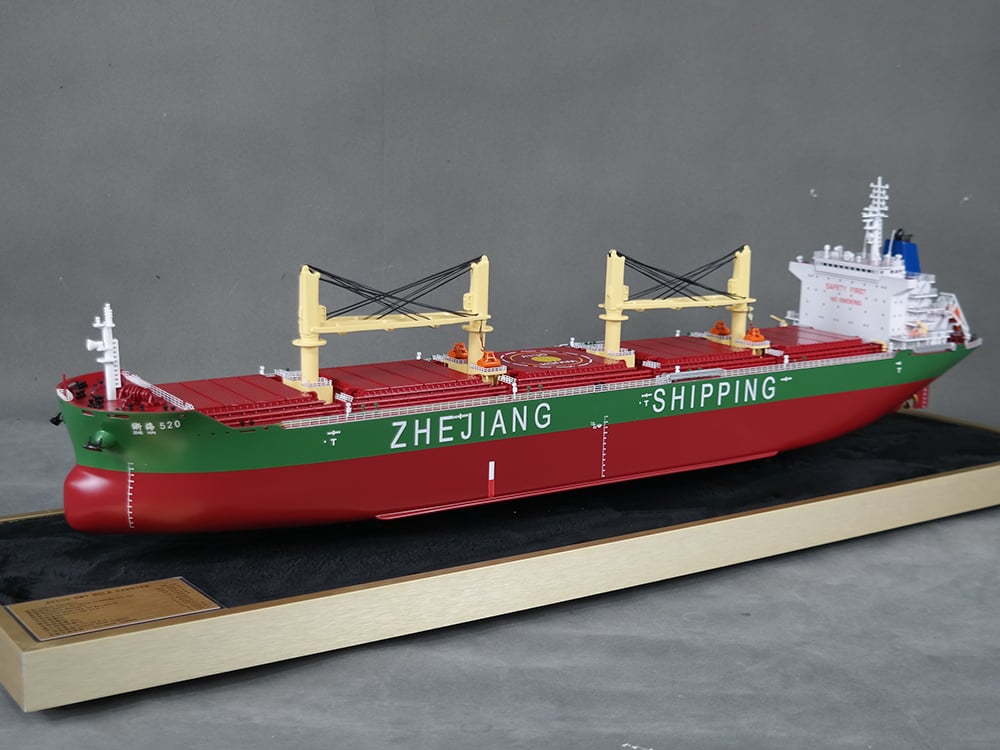
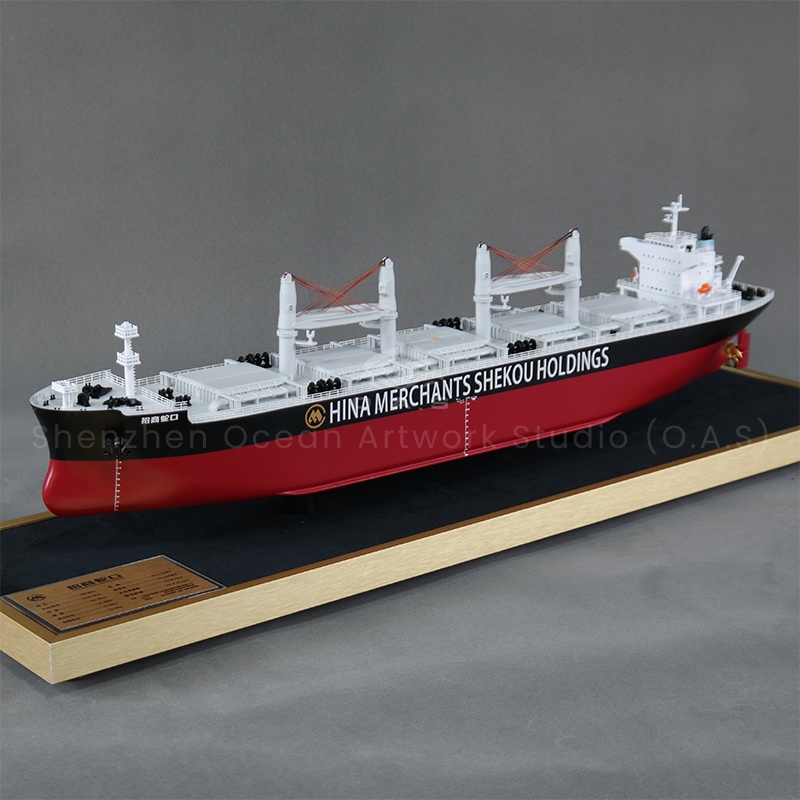
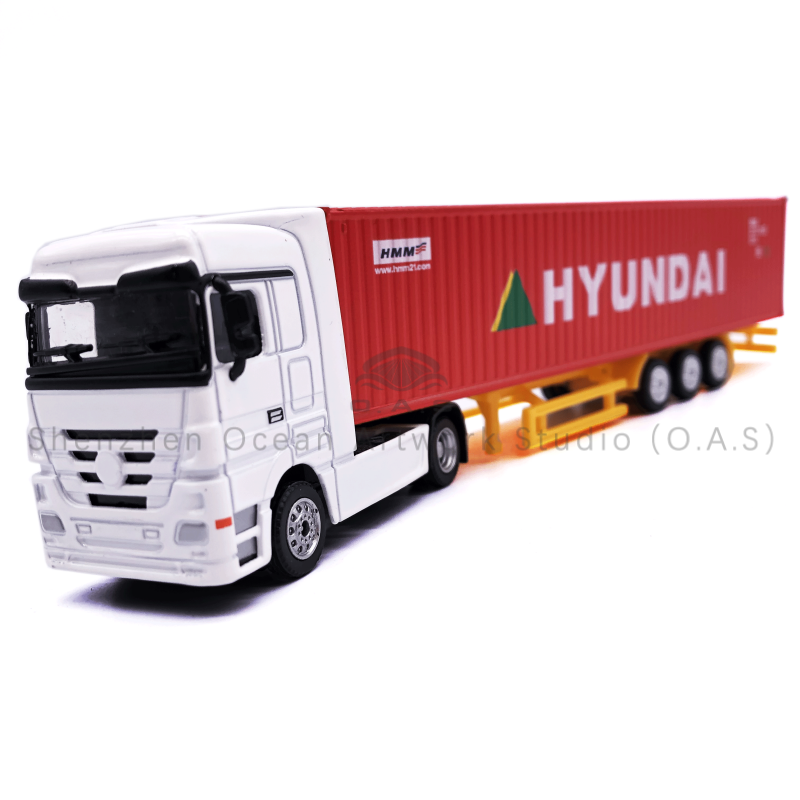
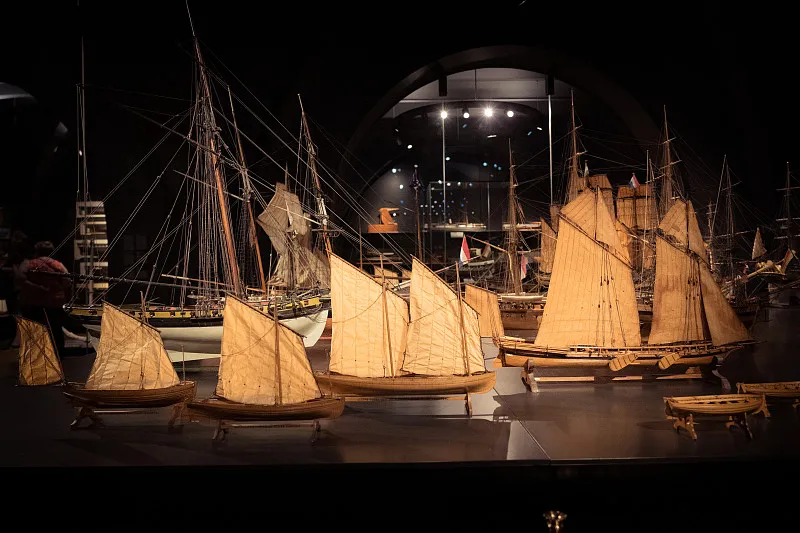
The global shipping industry relies heavily on accurate planning, training, and visualization tools to maintain operational excellence and safety standards. Among these essential tools, container scale models have emerged as indispensable assets across multiple industrial sectors. These meticulously crafted replicas serve purposes far beyond mere display, offering tangible benefits for education, planning, marketing, and strategic decision-making processes.
Modern industries have discovered that high-precision miniature representations provide significant advantages in understanding complex logistics operations, training personnel, and communicating strategic concepts to stakeholders. The versatility and practical applications of these detailed models extend across maritime education, corporate environments, logistics planning, and specialized training facilities. Understanding which industries derive maximum value from these tools helps organizations make informed investment decisions and optimize their operational capabilities.
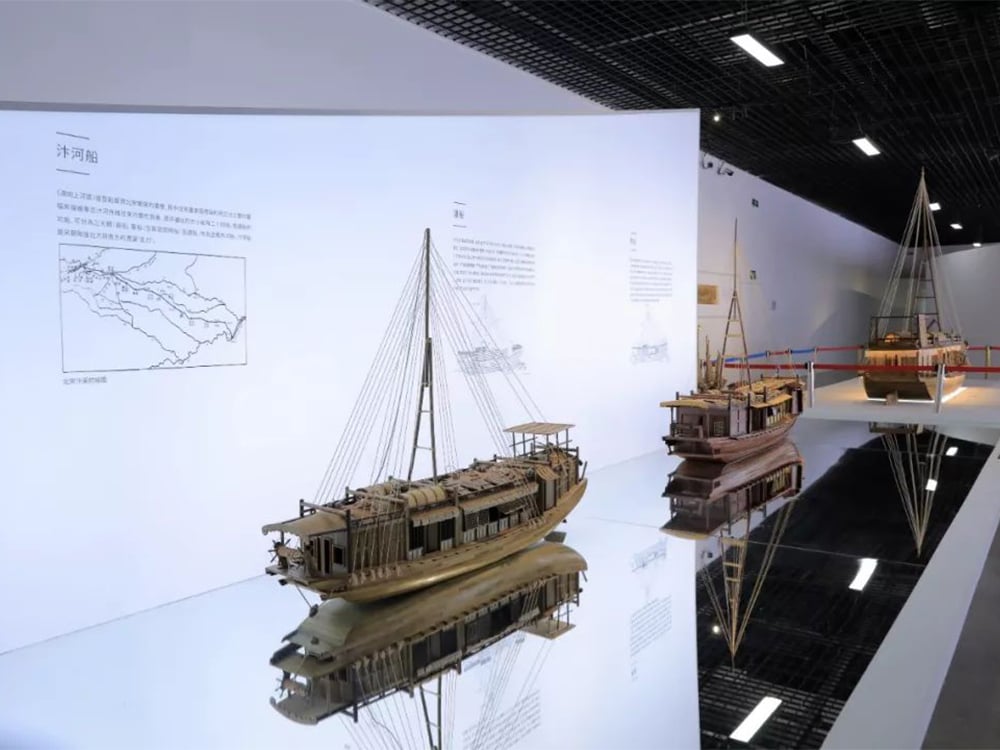
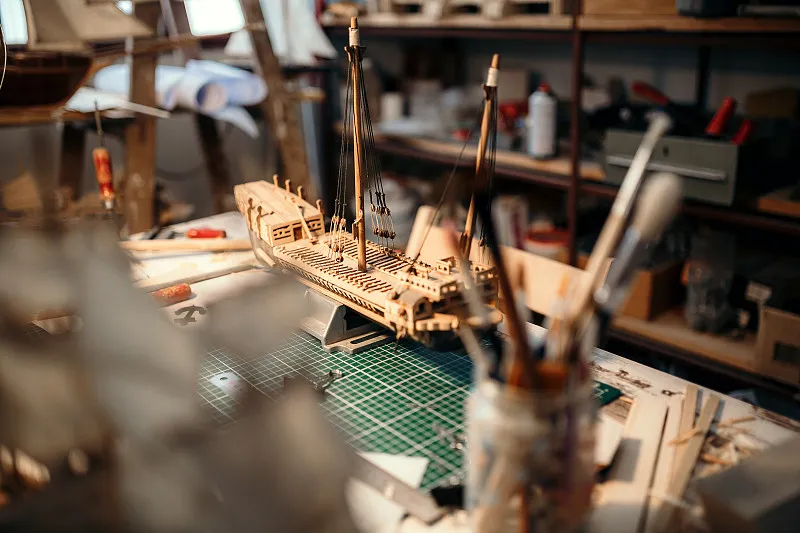
Maritime academies and universities worldwide incorporate detailed scale models into their educational frameworks to provide students with hands-on learning experiences. These institutions utilize precision replicas to demonstrate complex cargo handling procedures, container stacking principles, and port operations logistics. Students benefit from visual and tactile learning opportunities that theoretical coursework alone cannot provide, leading to improved comprehension and retention of critical maritime concepts.
Professional certification programs often require candidates to demonstrate understanding of container dimensions, weight distribution, and loading sequences. Scale models enable instructors to create realistic scenarios where students can practice decision-making processes without the risks associated with actual cargo operations. This practical approach significantly enhances learning outcomes and prepares future maritime professionals for real-world challenges they will encounter in their careers.
Commercial training facilities serving the shipping industry rely extensively on accurate scale representations to conduct specialized workshops and certification courses. These centers use detailed models to simulate various operational scenarios, including emergency procedures, equipment failures, and challenging weather conditions. Trainees gain valuable experience manipulating and positioning containers while learning safety protocols and best practices in controlled environments.
Safety training programs particularly benefit from using scale models to demonstrate proper lifting techniques, load distribution principles, and hazard identification procedures. Instructors can recreate accident scenarios and guide participants through proper response protocols without exposing anyone to actual dangers. This approach ensures comprehensive understanding while maintaining the highest safety standards throughout the training process.
Major logistics corporations utilize container scale models during strategic planning sessions to visualize complex supply chain configurations and identify optimization opportunities. These detailed representations allow management teams to experiment with different container arrangements, evaluate space utilization efficiency, and test various loading strategies without disrupting actual operations. The ability to physically manipulate scaled versions enables planners to identify potential bottlenecks and develop solutions more effectively.
Warehouse design and layout planning benefit significantly from scale model integration, as managers can test different storage configurations and workflow patterns. These tools help organizations optimize facility layouts, improve operational efficiency, and reduce handling costs. The visual nature of scale models facilitates better communication between different departments and ensures all stakeholders understand proposed changes before implementation.
Logistics service providers frequently use precision scale models during client presentations to demonstrate their capabilities and explain complex operational procedures. These tangible representations help clients visualize how their cargo will be handled, stored, and transported throughout the supply chain process. The professional appearance and attention to detail in quality models reinforce the service provider's commitment to excellence and attention to detail.
Investment presentations and board meetings benefit from incorporating scale models to illustrate expansion plans, new facility designs, or operational improvements. Stakeholders can better understand proposed investments when presented with accurate visual representations that demonstrate potential benefits and operational changes. This approach often leads to more informed decision-making and increased stakeholder confidence in proposed initiatives.
Port authorities worldwide rely on detailed scale models to plan infrastructure improvements, evaluate terminal expansion options, and optimize cargo handling operations. These models enable planners to test different configuration scenarios, assess traffic flow patterns, and identify potential operational conflicts before committing significant resources to development projects. The ability to visualize proposed changes helps ensure optimal utilization of available space and resources.
Terminal design projects benefit enormously from scale model integration, as engineers and planners can evaluate equipment placement, access routes, and safety considerations in three-dimensional representations. These tools facilitate collaboration between different engineering disciplines and help identify potential design issues early in the development process, ultimately reducing project costs and implementation timelines.
Terminal operators use scale models to analyze container movement patterns, optimize crane positioning, and improve overall operational efficiency. These detailed representations allow managers to experiment with different operational strategies and identify the most effective approaches for handling various cargo types and volumes. The visual nature of models helps supervisors communicate procedural changes to operational staff more effectively.
Safety management programs incorporate scale models to demonstrate proper procedures, identify potential hazards, and train personnel in emergency response protocols. Supervisors can use these tools to illustrate the consequences of improper procedures and reinforce the importance of following established safety guidelines. This hands-on approach to safety training significantly improves compliance and reduces workplace incidents.
Manufacturing companies involved in container production, handling equipment design, or related industrial applications utilize precision scale models during product development processes. These detailed representations allow engineers to test design concepts, evaluate functionality, and identify potential improvements before investing in full-scale prototypes. The cost-effectiveness of scale model testing enables more thorough evaluation of design alternatives and reduces development risks.
Research and development teams benefit from using scale models to communicate design concepts to stakeholders, gather feedback from potential users, and refine product specifications. These tools facilitate collaboration between engineering teams, marketing departments, and external partners by providing tangible representations of proposed products that everyone can examine and discuss effectively.
Quality control departments use accurate scale models to establish measurement standards, train inspection personnel, and verify compliance with industry specifications. These reference tools help ensure consistency in quality assessments and provide reliable benchmarks for evaluating actual products. The precision required in quality scale models makes them valuable assets for maintaining manufacturing standards.
Compliance testing programs often incorporate scale models to verify that proposed designs meet regulatory requirements and industry standards. Engineers can use these tools to conduct preliminary assessments, identify potential compliance issues, and develop corrective measures before proceeding with full-scale production. This proactive approach helps manufacturers avoid costly compliance problems and ensures products meet all necessary requirements.
Companies participating in maritime and logistics trade shows rely heavily on high-quality scale models to attract visitors, demonstrate capabilities, and create memorable brand experiences. These professional displays serve as powerful marketing tools that effectively communicate company expertise and attention to detail. The visual impact of well-crafted models helps exhibitors stand out in crowded exhibition halls and engage potential customers more effectively.
Product launches and technology demonstrations benefit significantly from incorporating detailed scale models that showcase new developments or innovative solutions. These tangible representations help visitors understand complex concepts and appreciate the practical applications of new technologies. The interactive nature of physical models creates more engaging experiences than traditional presentation methods alone.
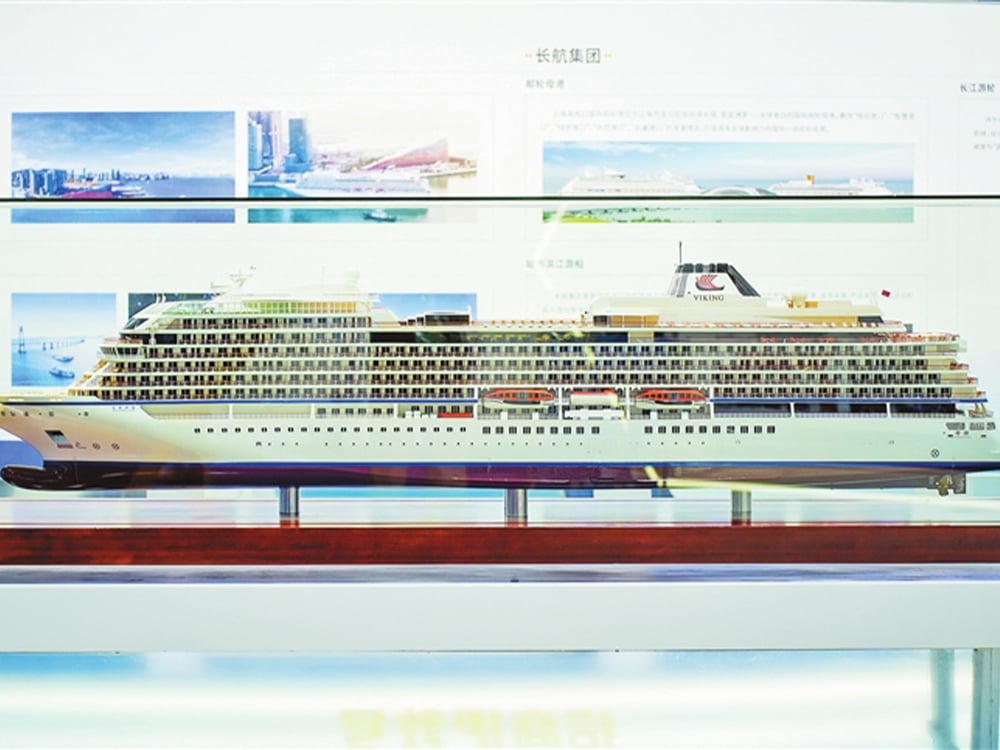
Executive offices and reception areas often feature impressive scale model displays that reinforce corporate identity and demonstrate company involvement in maritime industries. These professional installations create positive impressions on visitors, clients, and potential partners while showcasing the organization's commitment to excellence and attention to detail. Quality models serve as conversation starters and help establish credibility with industry stakeholders.
Corporate gift programs frequently include custom scale models as premium items for important clients, partners, or employees. These distinctive gifts demonstrate appreciation while reinforcing brand recognition and maintaining business relationships. The lasting nature of quality models ensures continued brand exposure long after initial presentation, making them effective long-term marketing investments.
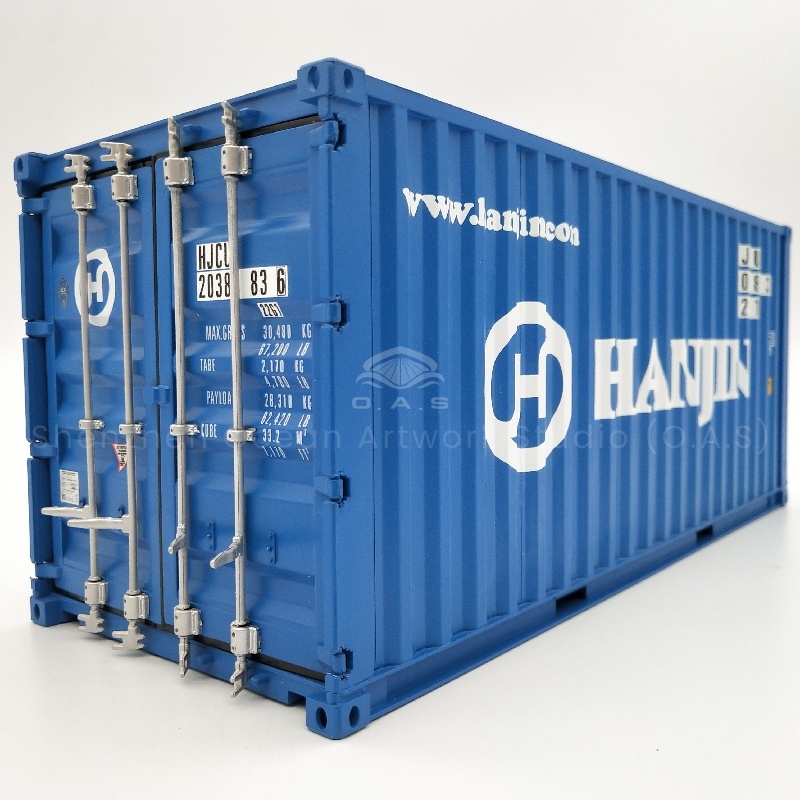
Industries should prioritize accuracy in dimensions, realistic detailing, durable construction materials, and precise color matching to actual containers. Key features include proper scaling ratios, authentic branding elements, removable components for demonstration purposes, and resistance to handling wear. Quality models should also include detailed documentation specifying exact dimensions and specifications to ensure they meet professional requirements for training and presentation applications.
Physical scale models provide tactile learning experiences that enhance understanding of spatial relationships, weight distribution, and handling procedures. Unlike digital simulations, physical models allow trainees to practice actual manipulation techniques, develop muscle memory for proper handling procedures, and experience realistic feedback when positioning containers. This hands-on approach leads to better retention of safety procedures and operational concepts that are critical for professional competency.
Companies typically see returns through reduced training costs, improved safety performance, enhanced client relationships, and more effective strategic planning outcomes. Training programs using scale models often require fewer repetitions to achieve competency, reducing overall training expenses. Additionally, the professional image conveyed through quality model displays often leads to increased client confidence and business opportunities that offset initial investment costs.
While specific certification programs vary by region and application, quality container scale models should conform to recognized scaling standards, use materials meeting safety requirements for educational environments, and accurately represent actual container specifications. Many professional applications require models to meet ISO dimensional standards when scaled appropriately, and educational institutions often specify particular accuracy tolerances for training applications. Reputable manufacturers typically provide detailed specifications and quality certifications with their products.
 Hot News
2024-06-11
2024-06-07
2024-06-01
2024-06-01
2024-06-01
2024-05-25
Shenzhen Ocean Artwork Studio (O.A.S) Technology Co., Ltd. is a leading ship model manufacturer with over 15 years of experience. We specialize in designing and producing civil, military, and engineering ship models, working with top global shipping brands such as MAERSK, COSCO, and EVERGREEN.