EN
EN

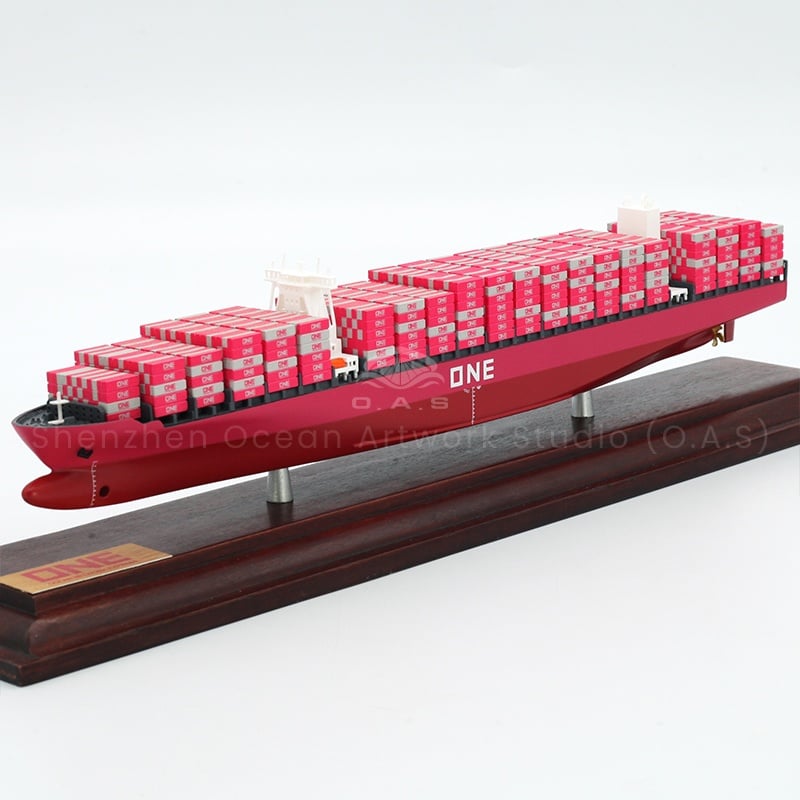
Corporate presentations in the maritime and logistics industries require compelling visual aids that capture attention and communicate complex concepts effectively. Container scale models have emerged as powerful presentation tools that transform abstract shipping concepts into tangible, impressive displays. These meticulously crafted miniatures serve as conversation starters, educational tools, and branding opportunities that can elevate any corporate presentation to professional heights.
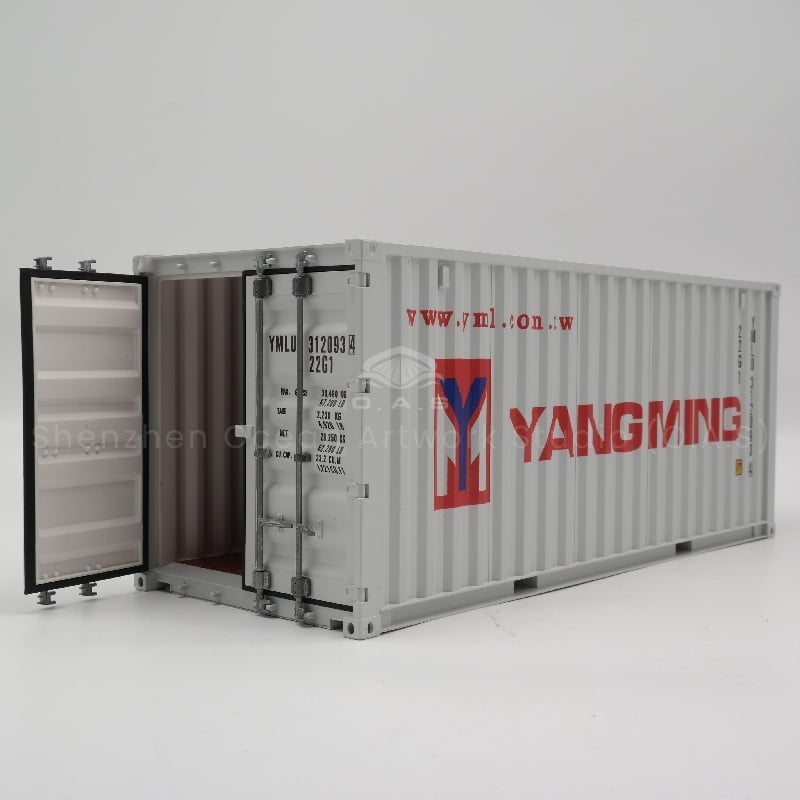
The strategic use of physical models in business presentations creates memorable experiences that digital slides alone cannot achieve. When executives and stakeholders can physically interact with scaled representations of shipping containers, the abstract becomes concrete, fostering deeper understanding and engagement. This approach particularly resonates in industries where spatial relationships, logistics flows, and operational complexities benefit from three-dimensional visualization.
Modern businesses increasingly recognize that effective communication requires multi-sensory approaches. Container scale models bridge the gap between technical specifications and visual comprehension, making them invaluable assets for companies seeking to differentiate their presentations from conventional PowerPoint formats. The tactile nature of these models encourages audience participation and creates lasting impressions that support business objectives.
Successful customization begins with clearly defined presentation goals and target audience analysis. Different stakeholder groups require varying levels of detail and emphasis in model representation. Executive presentations might prioritize brand visibility and overall impact, while technical meetings could focus on operational accuracy and functional elements. Understanding these distinctions guides every customization decision from scale selection to color schemes.
The presentation context significantly influences design requirements. Trade show displays demand robust construction and eye-catching aesthetics, whereas boardroom presentations allow for more delicate detailing and sophisticated finishes. Consider the viewing distance, lighting conditions, and handling frequency when planning your container scale models to ensure optimal visual impact and longevity.
Budget considerations must balance quality expectations with practical constraints. Premium materials and intricate detailing command higher prices but deliver superior presentation value. Establishing clear priorities helps allocate resources effectively, ensuring critical elements receive appropriate attention while managing overall project costs within acceptable parameters.
Scale selection directly impacts both visual effectiveness and practical usability in presentation settings. Popular scales like 1:87, 1:120, and 1:150 offer different advantages depending on available display space and desired detail levels. Larger scales provide enhanced visibility of custom elements but require more storage and transportation considerations for mobile presentations.
The relationship between model scale and presentation venue determines optimal sizing choices. Conference room tables accommodate different dimensions than exhibition booth displays, requiring careful measurement and planning. Consider not only the model itself but also necessary clearance for audience movement and interaction during presentations.
Multiple model scenarios might benefit from consistent scaling across different container types and configurations. This approach creates cohesive visual narratives and enables comparative demonstrations that highlight operational efficiencies or capacity differences. Standardized scaling also simplifies storage solutions and presentation setup procedures.
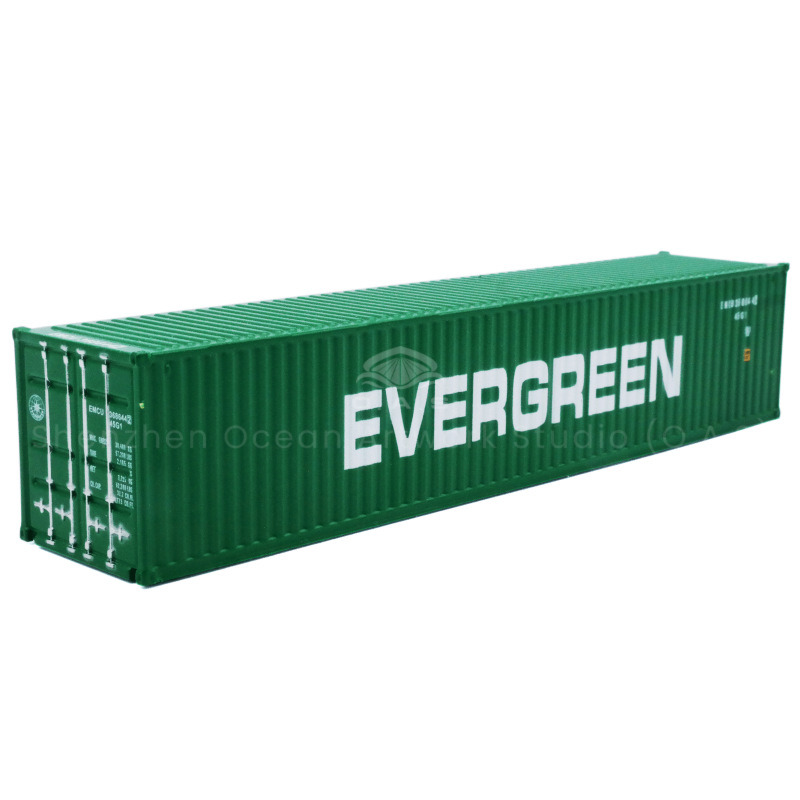
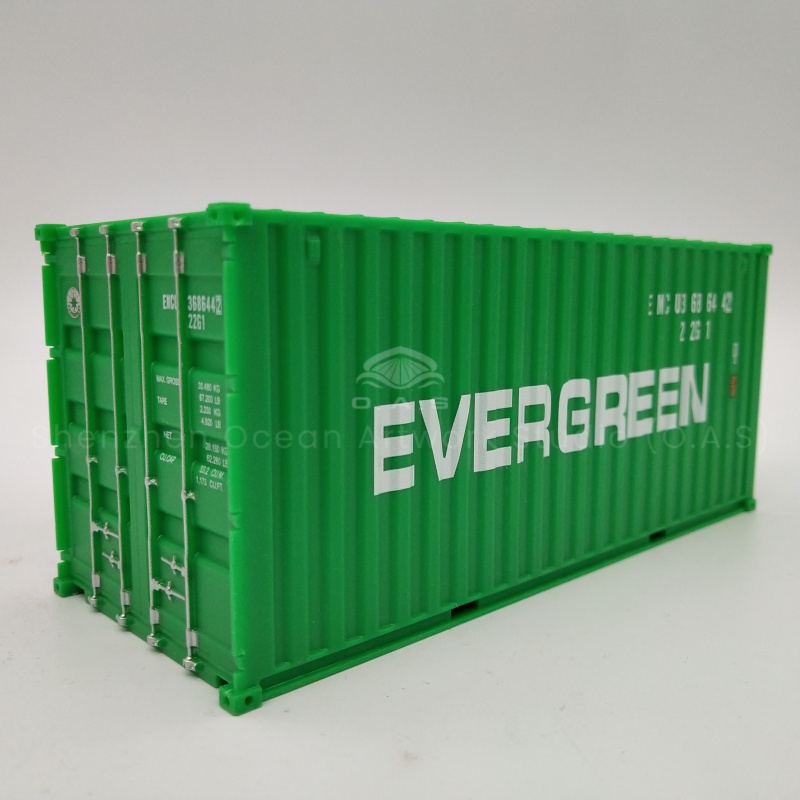
Strategic logo placement maximizes brand visibility while maintaining model authenticity and professional appearance. Container sides offer prime real estate for corporate branding, but placement decisions should consider viewing angles during typical presentation scenarios. Multiple logo positions might be necessary to ensure visibility from different audience perspectives.
Corporate color schemes require careful translation to model scales, considering how colors appear under various lighting conditions and viewing distances. Some colors that appear vibrant in digital formats may require adjustment for physical representation. Professional model makers understand these nuances and can recommend color modifications that maintain brand integrity while optimizing visual impact.
Brand consistency extends beyond logos to include typography, design elements, and overall aesthetic alignment with existing corporate materials. Container scale models should reinforce established visual identity rather than creating disconnected impressions that confuse brand messaging. This holistic approach ensures models complement rather than compete with other presentation elements.
Beyond basic branding, custom graphics enable sophisticated messaging integration that supports specific presentation narratives. Technical specifications, capacity indicators, or operational highlights can be incorporated as detailed graphics that provide educational value alongside visual appeal. These elements transform simple models into comprehensive communication tools.
Message hierarchy guides graphic design decisions, ensuring primary information receives appropriate visual prominence. Critical details should be easily readable from typical viewing distances, while secondary information can utilize smaller fonts or more subtle presentation methods. This layered approach accommodates different audience engagement levels and presentation formats.
Cultural considerations become important for international presentations or global corporate communications. Graphics and messaging should account for cultural sensitivities and communication preferences in target markets. Professional customization services understand these requirements and can adapt designs accordingly while maintaining core brand elements.
Material selection significantly impacts both presentation effectiveness and long-term value of container scale models. High-quality plastics offer excellent detail reproduction and color stability, while metal components provide enhanced durability for frequently handled models. The choice between materials depends on intended usage patterns, budget constraints, and desired aesthetic qualities.
Professional-grade materials resist fading, scratching, and wear that could compromise presentation quality over time. Investment in superior materials pays dividends through extended model lifespan and maintained visual appeal. This consideration becomes particularly important for models intended for multiple presentations or extended display periods.
Quality standards should align with corporate presentation requirements and brand positioning. Companies presenting to high-level stakeholders or in premium venues require models that reflect corresponding quality levels. Substandard materials or construction can undermine credibility and detract from key messages regardless of content quality.
Protective features extend model lifespan and maintain presentation quality despite regular handling and transportation. Protective coatings, reinforced joints, and damage-resistant finishes help preserve appearance and functionality over time. These investments prove particularly valuable for models used in multiple presentation cycles or trade show circuits.
Maintenance requirements vary significantly based on material choices and construction methods. Models requiring minimal maintenance offer obvious advantages for busy presentation schedules, while more complex models might provide superior visual impact at the cost of increased care requirements. Understanding these trade-offs helps establish realistic expectations and proper care protocols.
Storage and transportation considerations influence both protective feature selection and maintenance planning. Models subjected to frequent movement require robust construction and protective packaging systems. Proper care protocols ensure models maintain presentation quality throughout their operational lifespan while minimizing repair or replacement costs.
Technical accuracy enhances credibility and educational value of container scale models in professional presentations. Precise dimensional scaling ensures models accurately represent real-world proportions, supporting technical discussions and operational planning scenarios. This attention to detail demonstrates professionalism and expertise that resonates with knowledgeable audiences.
Proportional scaling extends beyond basic dimensions to include functional elements like door mechanisms, corner castings, and structural details. These elements contribute to model authenticity and provide opportunities for interactive demonstrations that engage audiences more effectively than static displays. Functional elements should operate smoothly and withstand repeated demonstration cycles.
Accuracy requirements must balance precision with practical presentation needs. While complete technical accuracy might be ideal, some simplifications may be necessary for clarity, durability, or cost management. Professional model makers can recommend appropriate compromise points that maintain essential accuracy while optimizing presentation effectiveness.
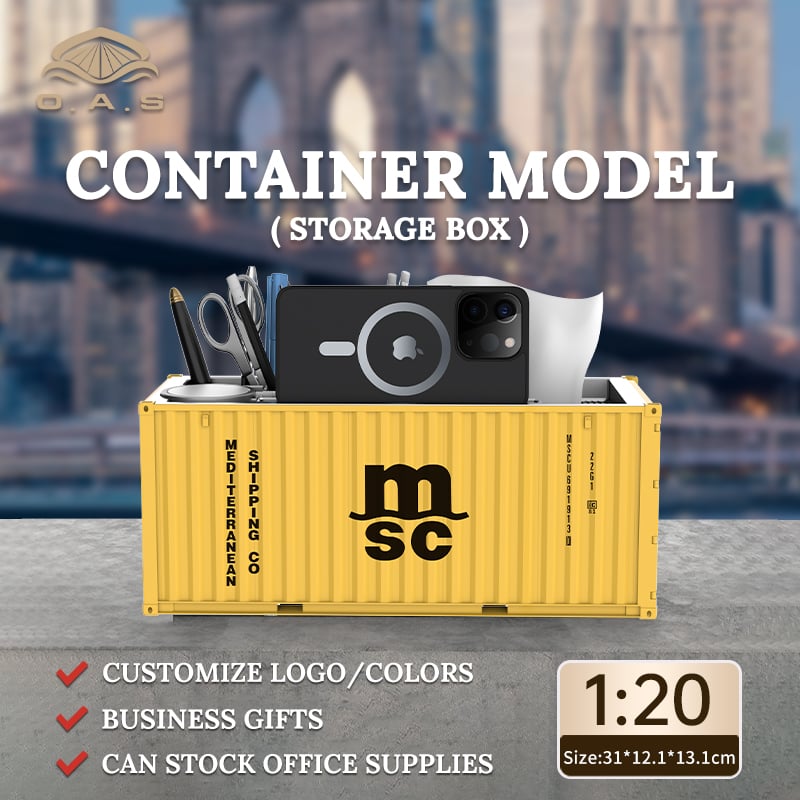
Interactive features transform container scale models from simple visual aids into engaging presentation tools that encourage audience participation. Opening doors, removable tops, or modular components enable demonstration of loading procedures, capacity utilization, or configuration options. These features create memorable experiences that reinforce key messages long after presentations conclude.
Functional elements require careful engineering to ensure reliable operation under presentation conditions. Mechanisms should operate smoothly without excessive force while remaining durable enough for repeated use. Poor functionality can disrupt presentation flow and undermine professional credibility, making quality engineering essential for interactive models.
The balance between functionality and simplicity determines optimal interactive feature selection. Overly complex mechanisms may prove unreliable or difficult to operate during presentations, while insufficient interactivity might miss engagement opportunities. Professional consultation helps identify the most effective interactive elements for specific presentation requirements and audience expectations.
Understanding cost drivers enables informed decision-making that maximizes presentation value within budget constraints. Scale, materials, customization complexity, and quantity all significantly impact pricing structures. Professional model makers can explain these relationships and suggest optimization strategies that deliver desired outcomes while managing costs effectively.
Value engineering identifies opportunities to reduce costs without compromising essential presentation elements. Alternative materials, simplified customization approaches, or modified specifications might achieve similar visual impact at lower price points. These discussions require clear communication about priorities and acceptable trade-offs to ensure satisfactory outcomes.
Long-term value considerations extend beyond initial purchase prices to include durability, maintenance costs, and replacement frequency. Higher initial investments in quality materials and construction often prove more economical over time through extended service life and maintained presentation quality. This perspective helps justify appropriate budget allocations for critical presentation tools.
Quantity requirements significantly influence unit pricing and project economics for container scale models. Bulk orders typically offer substantial per-unit savings, but organizations must balance these advantages against storage requirements and actual usage patterns. Careful analysis helps determine optimal order quantities that maximize value without creating unnecessary inventory burdens.
Multiple model scenarios might justify larger orders even when immediate needs are limited. Different container types, configurations, or customization versions could share development costs while providing presentation flexibility for various scenarios. This approach enables comprehensive presentation capabilities while achieving economies of scale in production.
Future needs should factor into quantity decisions, considering potential presentation growth, replacement requirements, or expanded application scenarios. Organizations experiencing growth or increasing presentation activity might benefit from larger initial orders that accommodate future expansion while capturing current pricing advantages.
Custom container scale models typically require 4-8 weeks for production, depending on complexity and customization requirements. Simple logo additions might be completed more quickly, while extensive custom graphics or specialized features require additional development time. Rush orders may be possible with expedited fees, but planning ahead ensures optimal quality and cost management.
Modern manufacturing techniques enable extremely detailed customization including precise logo reproduction, complex graphics, custom color matching, and even textured finishes. Digital printing and laser engraving technologies support fine details that maintain clarity at scale. Professional model makers can evaluate specific requirements and recommend appropriate techniques for desired outcomes.
Well-constructed container scale models require minimal maintenance beyond basic cleaning and careful handling. Dusting with soft brushes, avoiding harsh chemicals, and proper storage in protective cases preserve appearance and functionality. Models with interactive elements may need occasional lubrication or adjustment to maintain smooth operation during presentations.
Many customization elements can be modified post-production, particularly graphics and removable components. Logo updates, color changes, or additional branding elements are often possible through refinishing or component replacement. However, structural modifications or scale changes typically require new model production. Discussing future modification possibilities during initial design helps ensure appropriate construction methods.
 Hot News
2024-06-11
2024-06-07
2024-06-01
2024-06-01
2024-06-01
2024-05-25
Shenzhen Ocean Artwork Studio (O.A.S) Technology Co., Ltd. is a leading ship model manufacturer with over 15 years of experience. We specialize in designing and producing civil, military, and engineering ship models, working with top global shipping brands such as MAERSK, COSCO, and EVERGREEN.