EN
EN

The production of a model ship is a fascinating blend of industrial craftsmanship, precision engineering, and artistic detailing. Whether destined for corporate display cases, maritime museums, shipping company boardrooms, or collector shelves, every model ship begins its life as a concept and travels through a carefully structured manufacturing journey before reaching its final form. Understanding this journey is valuable for anyone sourcing scale replicas, commissioning custom pieces, or simply seeking insight into how these intricate objects come to life in a professional factory setting.
Factory production of a model ship is not a casual craft activity — it is a disciplined, multi-phase process that demands skilled artisans, specialized equipment, and rigorous quality standards at every stage. From the initial design brief through to final packaging, each step contributes to the accuracy, durability, and visual impact of the finished piece. This article breaks down those key production steps in detail, offering a clear picture of what distinguishes a professionally manufactured model ship from a simple decorative replica.
Every professionally produced model ship begins with a thorough design and documentation phase. Factory engineers and designers gather technical drawings, official vessel blueprints, and photographic references from multiple angles to ensure the replica will accurately reflect the real ship's proportions. This research-intensive step is especially critical for container ships, tankers, and bulk carriers where hull shape, deck layout, and superstructure positioning must align with the original specifications.
Once reference materials are assembled, the design team determines the appropriate scale ratio for the finished model ship. Common scales range from 1:100 to 1:1000 depending on the intended purpose, physical size constraints, and client requirements. At this stage, a detailed 2D technical drawing or 3D CAD model is produced, capturing every major structural element including the hull profile, funnel placement, crane positions, and deck fittings. This blueprint becomes the authoritative reference document that governs every downstream production step.
Modern model ship factories rely heavily on computer-aided design software to transform flat technical drawings into fully rendered three-dimensional digital prototypes. The CAD model allows engineers to evaluate proportions, detect structural anomalies, and refine surface details before any physical material is committed. This digital validation step significantly reduces costly errors during mold-making and assembly phases.
For complex vessels such as container ships with multiple deck layers, the CAD modeling stage may involve dozens of individual component files that are assembled virtually before production begins. Experienced designers will also use this phase to plan the breakpoints where the model ship will be divided into separate molded components, ensuring that seam lines fall in inconspicuous locations and that assembly logic is practical for factory workers during later stages.
With the digital design validated, the factory moves into mold production — one of the most technically demanding steps in model ship manufacturing. Molds are typically machined from aluminum or high-density resin using CNC milling equipment guided by the approved CAD files. The quality of these molds directly determines the sharpness of surface detail on the finished model ship, including hull plating lines, porthole positions, and deck texture.
Mold making requires patience and precision. A single hull mold may take several days to machine and finish before it is ready for test casting. Factory technicians carefully inspect each mold for surface defects, undercuts, and dimensional accuracy before it enters regular production. A well-made mold will support hundreds or thousands of production cycles, making its upfront quality investment economically essential for any factory producing model ship units at scale.
The most common materials used in professional model ship factory production include ABS plastic, fiberglass-reinforced resin, and polyresin composites. Each material has distinct properties suited to different components of the model. ABS plastic is often preferred for hull bodies due to its dimensional stability and ease of post-processing. Resin compounds are frequently used for finer detail components such as cranes, anchors, and structural deck fittings where high surface resolution is required.
Casting is performed under controlled temperature and pressure conditions to ensure consistent fill, minimize air bubbles, and achieve uniform wall thickness across every model ship component. After initial curing, raw cast parts are demolded and transferred to the trimming and surface preparation area where flash lines, gate marks, and minor surface imperfections are removed by skilled workers before painting begins.
Surface finishing is the stage where a raw cast component begins to look like a credible vessel replica. Before any color is applied, each part of the model ship undergoes thorough sanding and priming. Sanding removes minor surface irregularities left from casting and creates a uniform texture that accepts paint adhesion properly. Primer is applied in controlled spray booths to ensure even coverage without runs or pinholes.
The primer stage also serves a functional inspection purpose. Under good lighting conditions, primer reveals surface defects that were invisible on raw resin, allowing technicians to apply spot filler and re-sand before final color coats are applied. This meticulous intermediate inspection step distinguishes professional model ship factory production from lower-quality alternatives where surface imperfections are simply painted over.
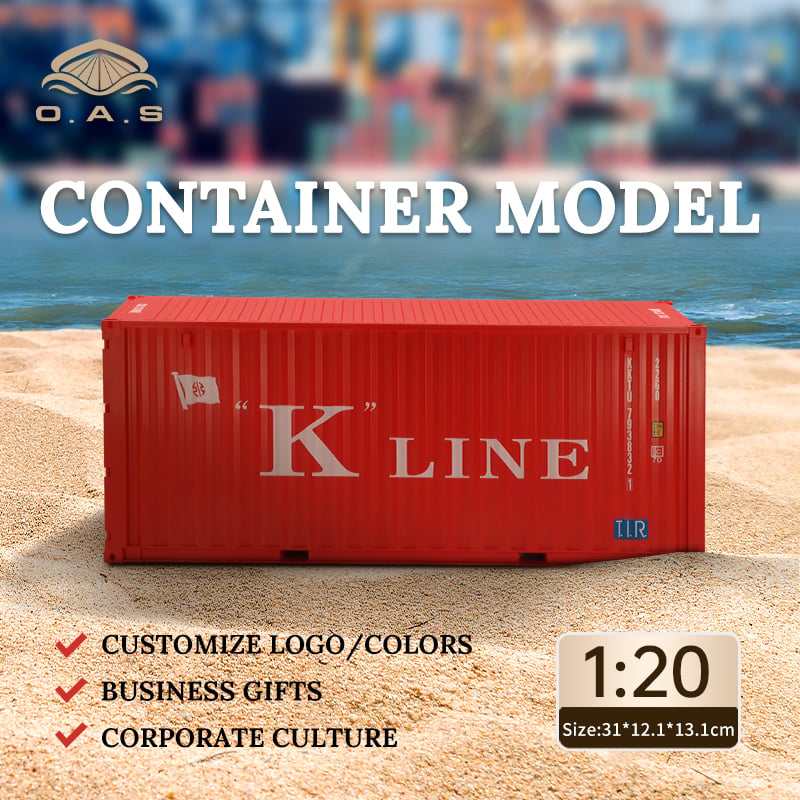
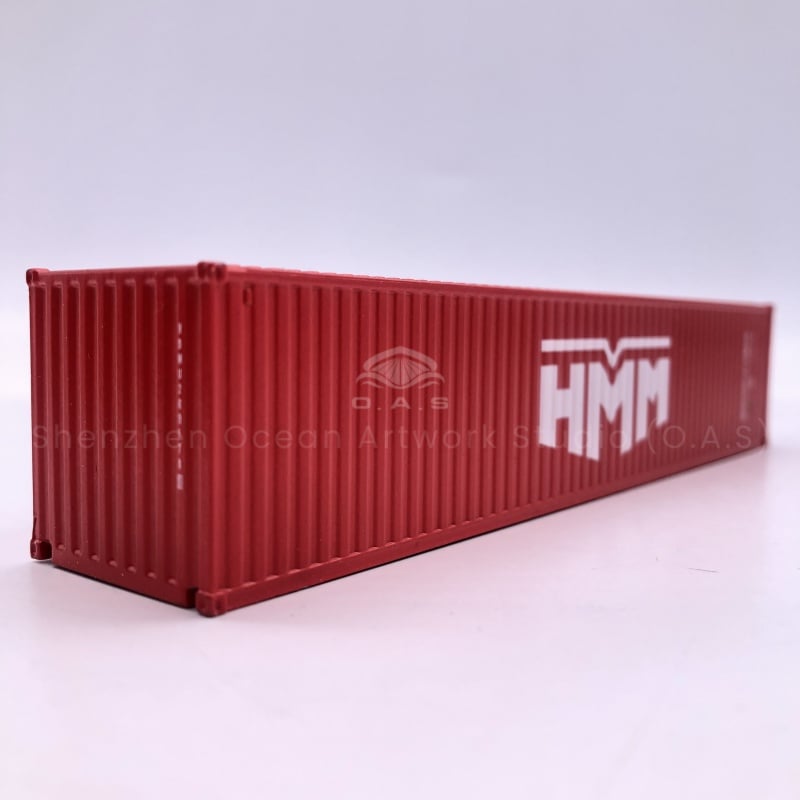
Professional model ship factories maintain detailed color reference libraries matched to real vessel liveries. Hull colors, waterline bands, deck colors, funnel markings, and company logo placements must all correspond precisely to the actual ship's documented paint scheme. For container shipping line models, this includes accurately replicating the operator's corporate colors and container color patterns across the deck load.
Paint is applied in multiple layers using airbrush equipment and masking techniques to achieve clean demarcation lines between color zones. Each model ship component is painted separately before assembly to ensure full coverage of recessed areas and joints. Clear protective topcoats are applied as a final layer to enhance gloss, protect against UV degradation, and provide the finished surface with a durable professional appearance suitable for long-term display.
With all components painted and cured, the factory moves into the assembly phase. Skilled assemblers join hull halves, attach superstructure sections, install masts, and position cranes and deck fittings in strict accordance with the approved design documentation. This phase requires considerable manual dexterity and familiarity with each vessel's structural logic to ensure all elements align correctly on the finished model ship.
Adhesives used during assembly must be carefully selected to bond dissimilar materials effectively without causing surface staining or off-gassing that could affect paint finish. Many professional factories use a combination of structural adhesives for major joints and precision applicator glue for fine detail components. Each assembly station in the factory typically handles a specific category of model ship type, allowing workers to develop deep familiarity with recurring assembly challenges unique to each vessel class.
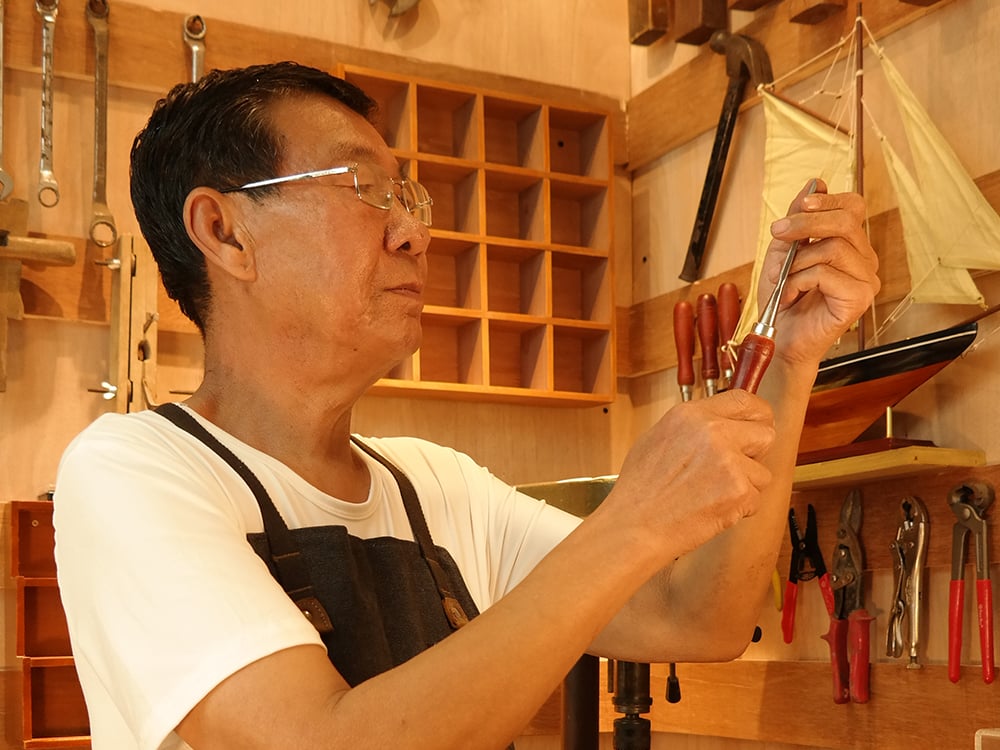
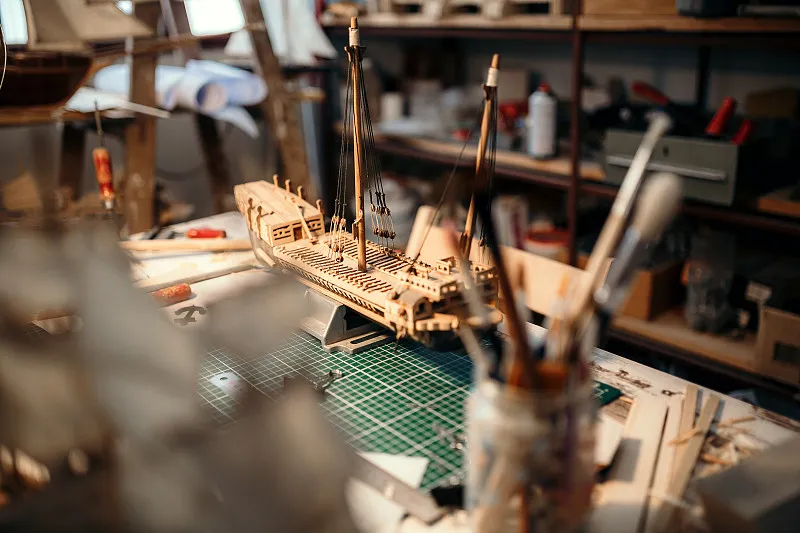
After structural assembly, the model ship receives its finishing details — arguably the most labor-intensive phase of the entire production process. Tiny components such as lifeboat davits, railings, ladders, navigation equipment, anchor chains, and name lettering are added by hand using tweezers, fine brushes, and magnification equipment. The quality of this detailing work is what separates a truly impressive scale replica from a merely adequate one.
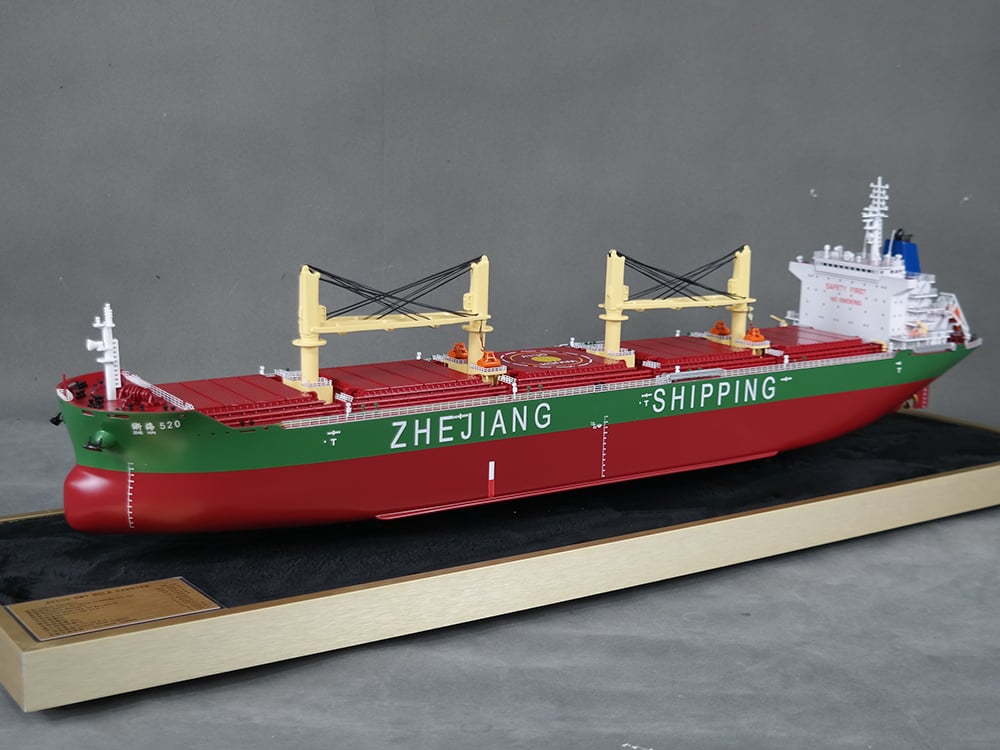
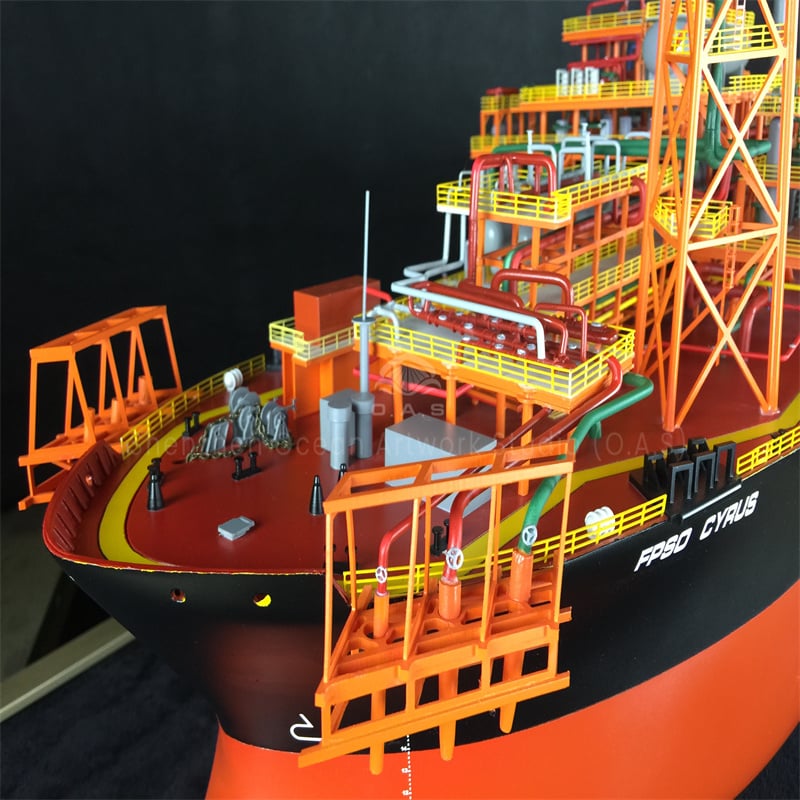
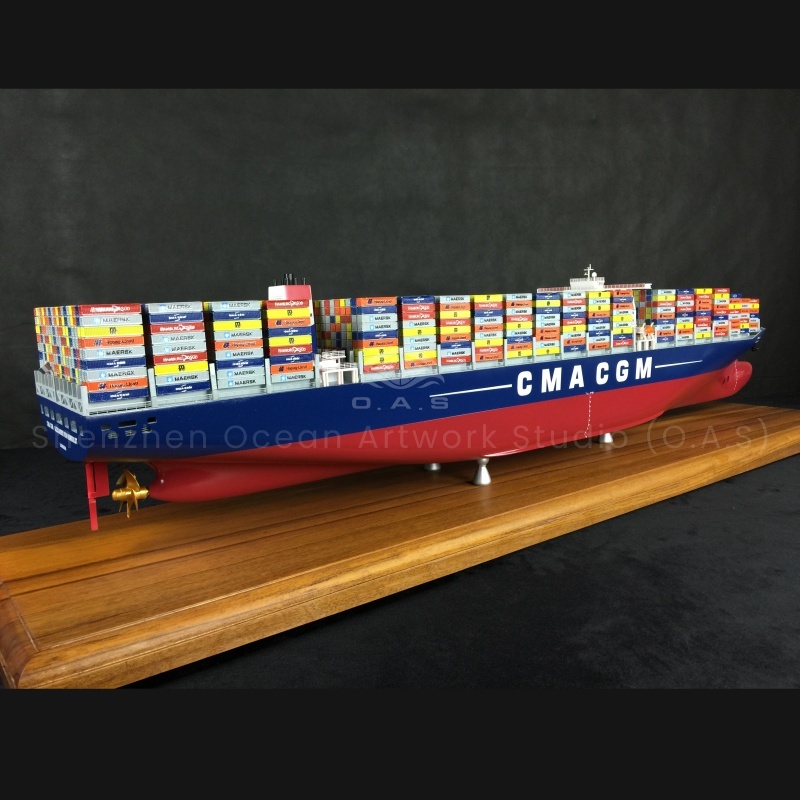
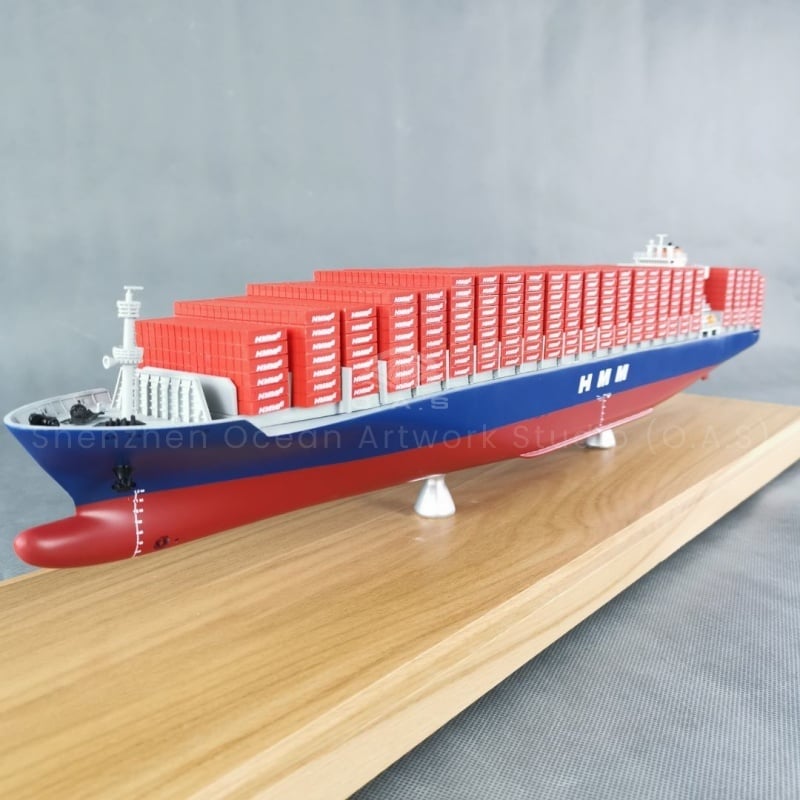
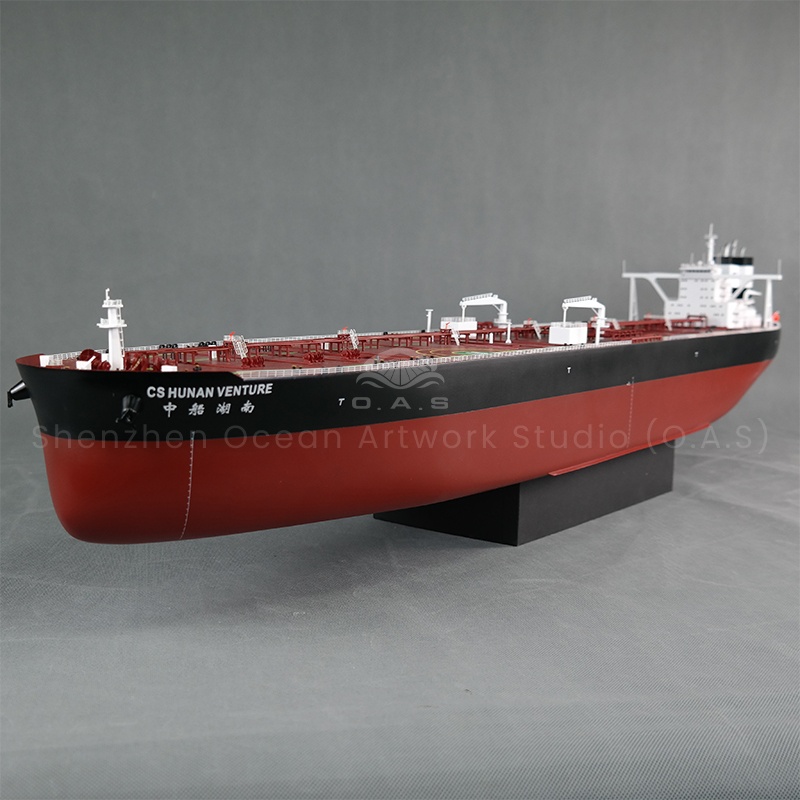
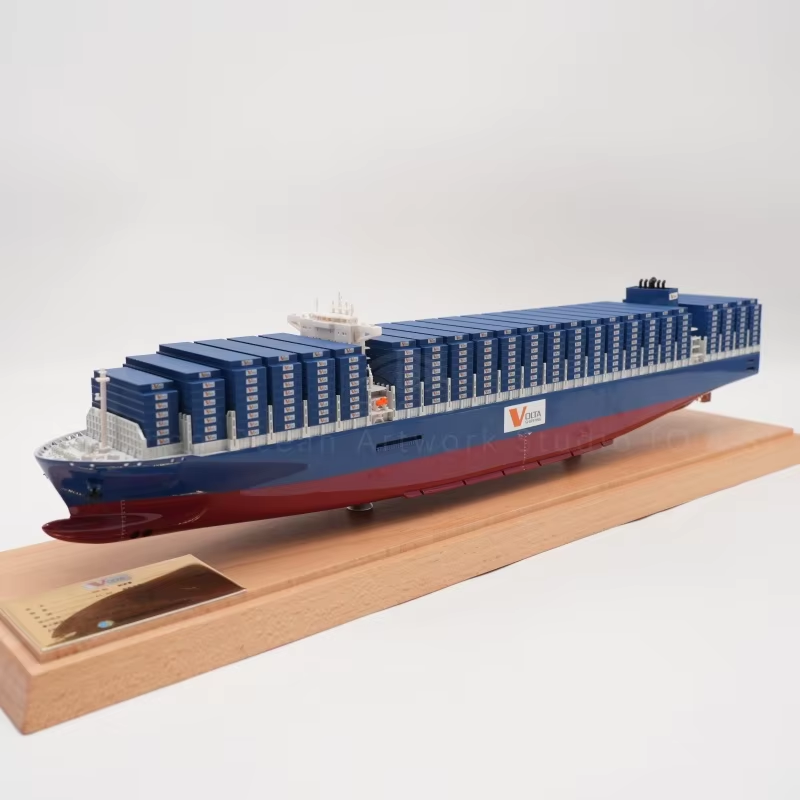
Final quality control inspection involves checking the completed model ship against the original technical drawings and photographic references under strong directional lighting. Inspectors verify dimensional accuracy, color consistency, completeness of detail components, surface finish quality, and structural rigidity. Any unit that fails inspection criteria is returned for rework rather than passed to packaging, ensuring that only fully compliant pieces reach the customer. For a high-quality example of this production standard, explore this model ship that demonstrates the precision achievable through professional factory manufacturing.
A completed model ship represents hours of skilled labor and significant material investment, making its packaging phase critically important. Professional factories engineer custom-fitted packaging solutions for each model design, typically using foam inserts, vacuum-formed trays, or custom-cut protective nesting to immobilize fragile components during transit. Outer boxes are printed with branded artwork appropriate to the product and its intended market channel.
Packaging design must account for the specific fragility profile of each model ship. Masts, antenna arrays, crane booms, and railing sections are the most vulnerable elements during shipping and require individual wrapping or protective foam sleeves. High-quality packaging engineering not only protects the product but also creates a premium unboxing experience that reflects positively on the manufacturer and the customer who commissioned the piece.
Before a finished model ship order leaves the factory, documentation must be assembled and verified. This typically includes a product specification sheet confirming the scale, dimensions, and materials used, a quality inspection certificate, and any certificates of authenticity or official licensing documentation relevant to the vessel being replicated. For export orders, customs documentation and compliance records are prepared in accordance with destination country requirements.
Dispatch logistics for a model ship order require careful coordination between factory staff and freight partners. Fragile product classifications, appropriate carrier selection, and insurance provisions are all part of responsible dispatch preparation. Factories serving international B2B clients typically maintain established relationships with specialist art and fragile goods freight providers who understand the handling requirements unique to precision-crafted display models.
Production timelines for a custom model ship vary significantly depending on the complexity of the vessel, the scale selected, and whether new molds are required. Standard production using existing molds can be completed in four to eight weeks. Custom designs requiring new mold development typically require eight to sixteen weeks from design approval to finished product delivery. Buyers should always confirm lead times at the point of order placement.
The most common scale ratios used in professional model ship factory production are 1:100, 1:200, 1:350, 1:500, and 1:1000. Smaller scales such as 1:500 and 1:1000 are popular for large container vessels and tankers where physical size constraints apply, while scales of 1:100 to 1:200 are preferred for display pieces where fine surface detail is the primary priority. The appropriate scale is determined by the intended display context and budget.
For long-term display purposes, ABS plastic hull bodies combined with high-density resin detail components represent the most durable approach in model ship factory production. These materials resist warping, maintain paint adhesion well over time, and withstand the temperature and humidity variations typical of office and museum display environments. UV-protective topcoats applied during finishing further extend the visual lifespan of the completed model.
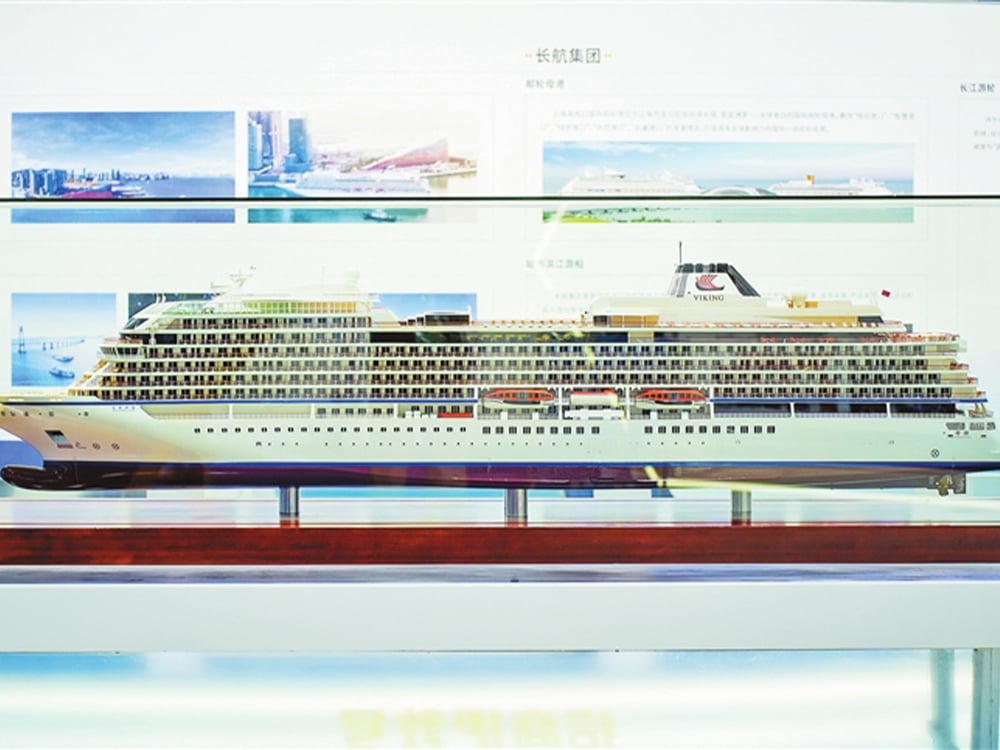
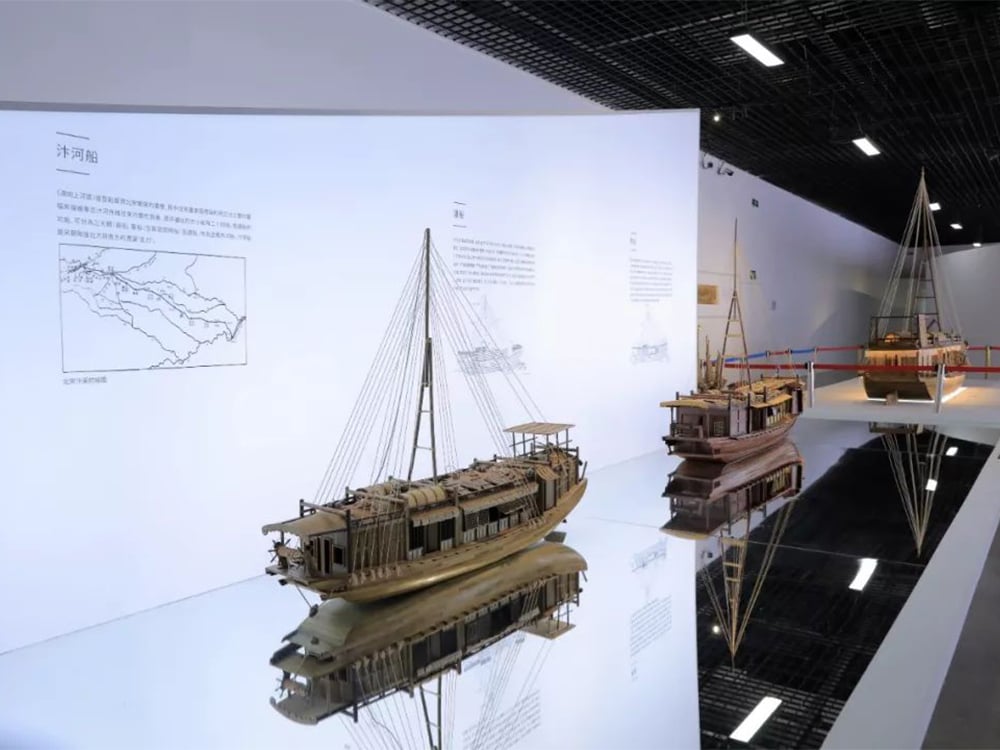
An experienced model ship factory can reproduce virtually any vessel class provided sufficient reference documentation is available. Container ships, bulk carriers, tankers, cruise ships, naval vessels, tugboats, and historical sailing ships are all within the capability range of professional manufacturers. The accuracy of the finished piece depends directly on the quality of technical drawings and photographic references supplied at the design stage, making thorough documentation a critical prerequisite for any custom commission.
 Hot News
2024-06-11
2024-06-07
2024-06-01
2024-06-01
2024-06-01
2024-05-25
Shenzhen Ocean Artwork Studio (O.A.S) Technology Co., Ltd. is a leading ship model manufacturer with over 15 years of experience. We specialize in designing and producing civil, military, and engineering ship models, working with top global shipping brands such as MAERSK, COSCO, and EVERGREEN.