EN
EN

When museums and educational institutions seek authentic, detailed representations of maritime history and global trade, they increasingly turn to specialized model ship factories to fulfill their needs. These facilities are not simply toy manufacturers — they are precision-driven production environments staffed by craftspeople, engineers, and designers who understand the exacting standards required for institutional use. From museum-grade replicas that recreate historical vessels down to the last rigging detail, to simplified educational models that help students grasp the mechanics of container shipping, model ship factories play a foundational role in how knowledge about maritime culture is communicated and preserved.
Understanding how model ship factories structure their services for institutional clients reveals a sophisticated supply chain built on collaboration, customization, and educational intent. Museums need models that withstand years of public display, that meet curatorial accuracy standards, and that can be integrated into broader interpretive programs. Schools and universities require models that are engaging, durable, and pedagogically meaningful. Model ship factories that serve these markets have evolved their processes, materials, and communication workflows specifically to meet these demands — and this article explores exactly how they do it.
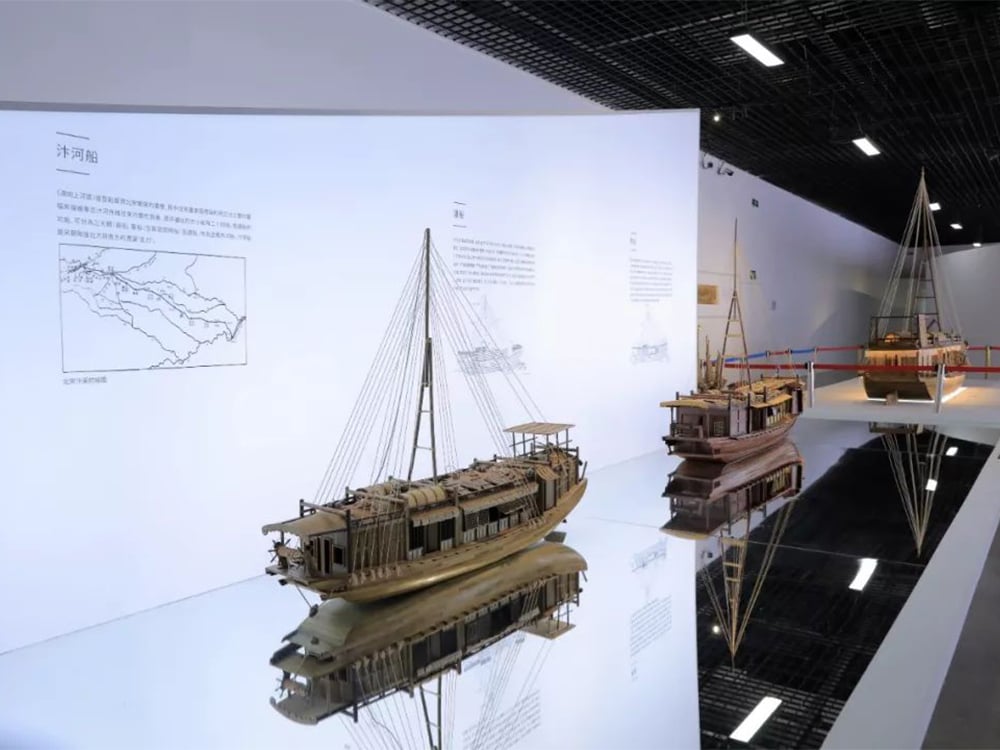
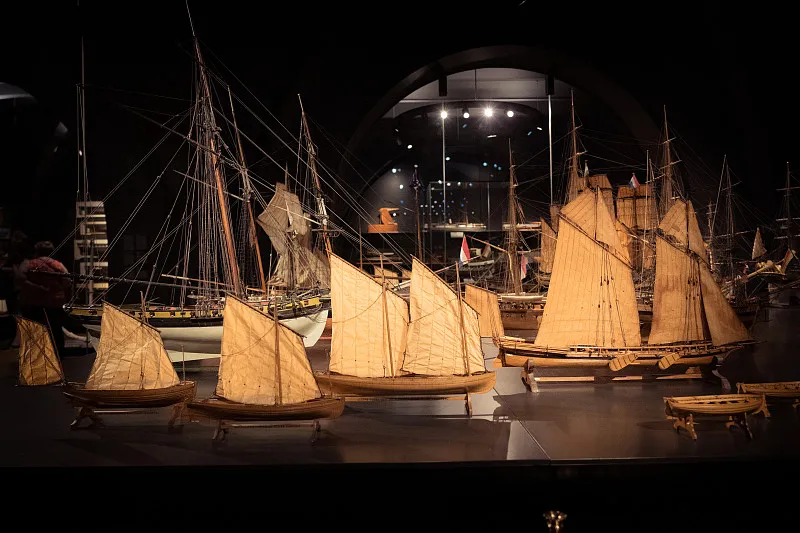
One of the most significant contributions model ship factories make to the museum world is their ability to recreate historical vessels with a level of accuracy that satisfies curatorial review. Maritime museums house exhibits that tell stories spanning centuries — from ancient trading vessels to modern container ships — and the physical models they display must hold up to scholarly scrutiny. Model ship factories that serve this niche invest heavily in historical research, often working directly with museum curators, naval historians, and archivists to ensure that every hull proportion, sail configuration, and deck detail reflects documented historical evidence.
This kind of collaboration between model ship factories and institutional clients is not a one-time transaction. It unfolds over months, sometimes years, as specifications are drafted, prototypes are reviewed, and revisions are implemented based on expert feedback. The factories involved in these projects maintain dedicated project teams who act as liaison between production floor and museum staff. The result is a finished model that functions not just as a display object, but as a tangible piece of historical scholarship — something visitors can view and immediately connect to a broader narrative about navigation, trade, and human ingenuity.
Model ship factories that specialize in heritage projects also understand the importance of material authenticity. While modern production techniques rely on materials like high-grade resin, ABS plastic, and precision-cut wood composites, leading factories are skilled at selecting and finishing these materials so they visually replicate older construction methods. The patina of aged timber, the sheen of period-accurate metalwork, the texture of hand-stitched canvas sails — all of these are achievable through the craft expertise that model ship factories have developed over decades of institutional service.
Beyond permanent collection pieces, model ship factories increasingly support thematic exhibitions and traveling displays that require both visual impact and logistical flexibility. A museum organizing a temporary exhibition on the Age of Sail might commission a series of scale models depicting different vessel types from the 16th to 18th centuries. In this scenario, model ship factories must produce multiple units to a consistent standard, ensuring visual coherence across the entire exhibit without sacrificing individual accuracy.
Traveling displays add another layer of complexity. Models that are transported between venues need to be built to withstand the stresses of packing, transit, and repeated installation. Experienced model ship factories address this by engineering display models with reinforced structural cores, detachable components that reduce shipping footprint, and protective packaging solutions that are integrated into the manufacturing process from the outset. This level of institutional thinking is what separates purpose-built educational models from general commercial products.
Educational institutions that commission models from model ship factories typically have a specific pedagogical goal in mind. A geography teacher might need a series of container ship models to illustrate global supply chain logistics. A maritime academy might require precise cross-section models to help engineering students understand hull construction. A primary school might need simplified, colorful vessel models that make the concept of sea trade accessible to young learners. Model ship factories that operate in the educational sector build workflows that begin with understanding these curriculum objectives before any design work begins.
The intake process at experienced model ship factories often involves structured consultations with educators, curriculum developers, and sometimes students themselves. By understanding how a model will be used in the classroom — whether it will be handled by students, displayed behind glass, integrated into a digital learning module, or used as part of a hands-on assembly exercise — the factory can make informed decisions about scale, material, level of detail, and finish. This alignment between production and pedagogical purpose is what makes institutionally-commissioned models far more effective as learning tools than off-the-shelf alternatives.
Model ship factories also recognize that educational contexts often require accompanying documentation. Detailed specification sheets, historical background notes, scale conversion references, and assembly guides are frequently produced alongside the physical models themselves. Some factories partner with educational content developers to produce supplementary materials that help teachers integrate the model into lesson plans. This value-added service reflects a mature understanding of what institutional buyers actually need — not just a product, but a complete learning resource.
Educational environments impose strict requirements on any physical object that students interact with. Model ship factories supplying schools, science centers, and children's museums must ensure that their products comply with relevant safety standards, including restrictions on sharp edges, toxic materials, and small detachable components that could pose choking hazards for younger age groups. Leading model ship factories maintain active compliance programs that track regulatory requirements across different markets, ensuring that institutional buyers in any country receive products that meet local safety standards.
Durability is equally critical. A model displayed in a busy science center might be handled by hundreds of visitors each week. Model ship factories serving this market engineer their products specifically for high-interaction environments, using materials and assembly methods that resist impact, surface wear, and repeated handling. Finishes are selected for scratch resistance, UV stability, and ease of cleaning. Structural joints are reinforced to handle the torque of curious hands. These engineering decisions are invisible to the end user but essential to the institutional buyer's long-term satisfaction.
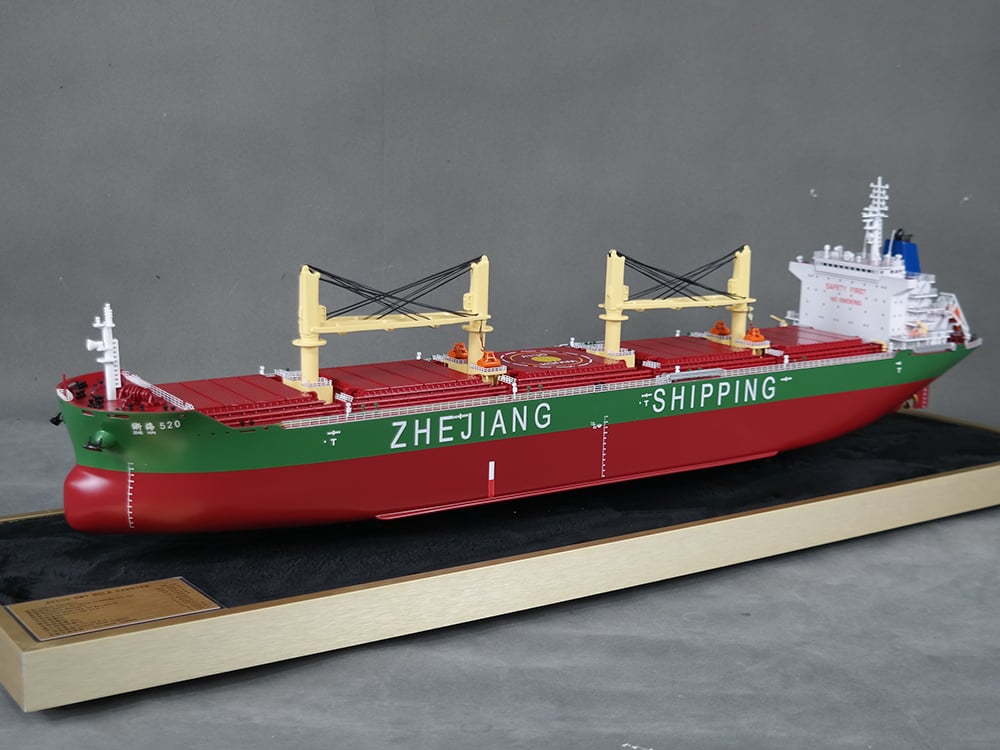
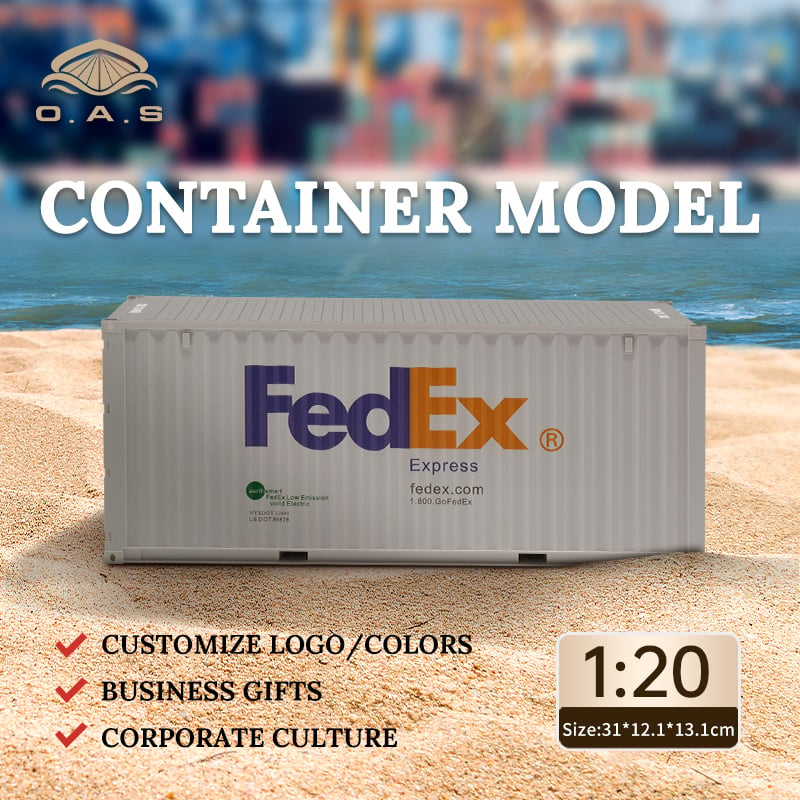
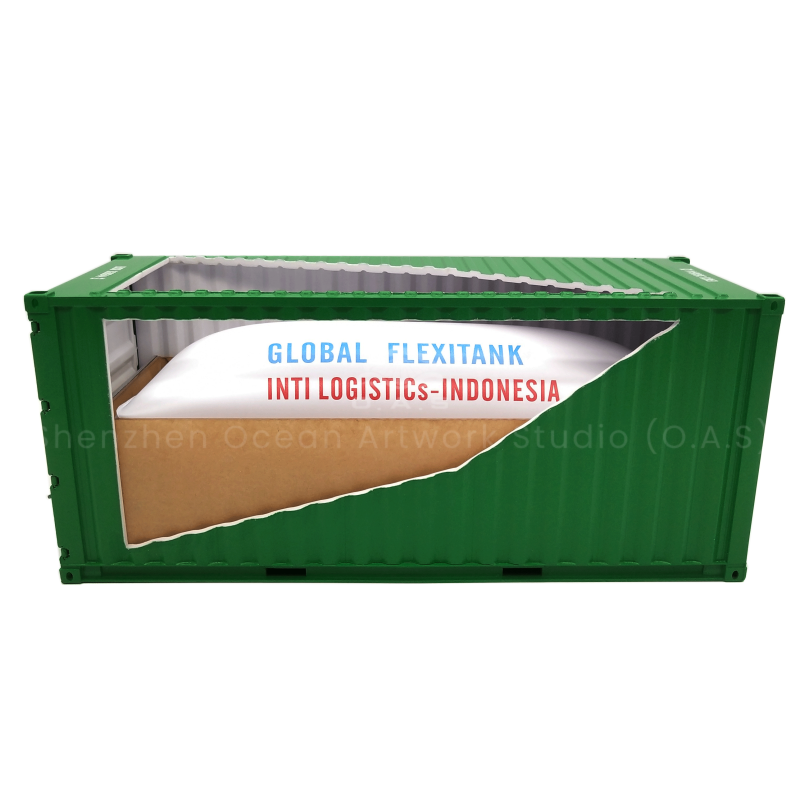
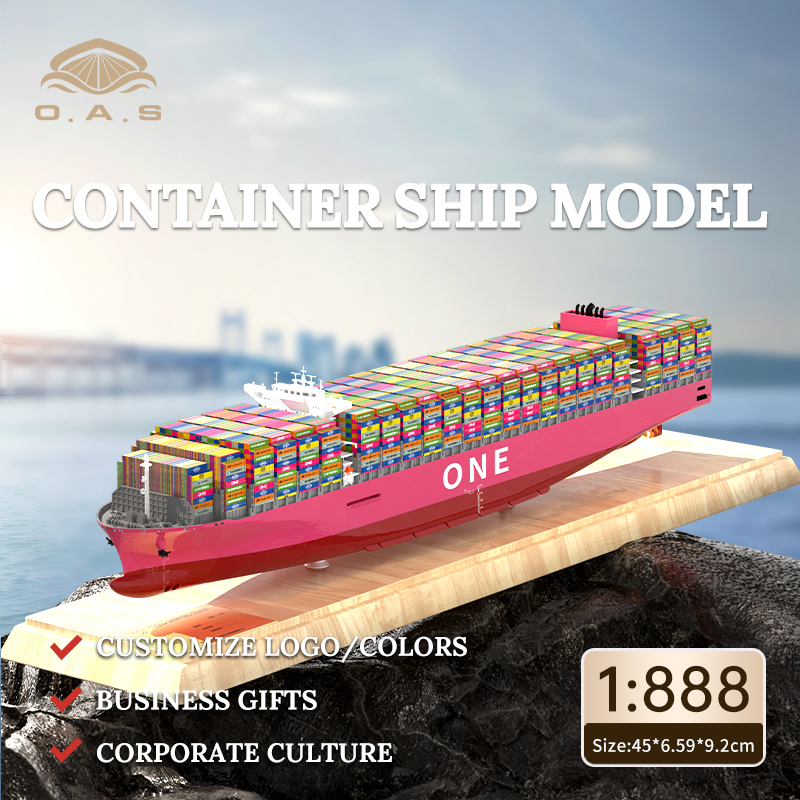
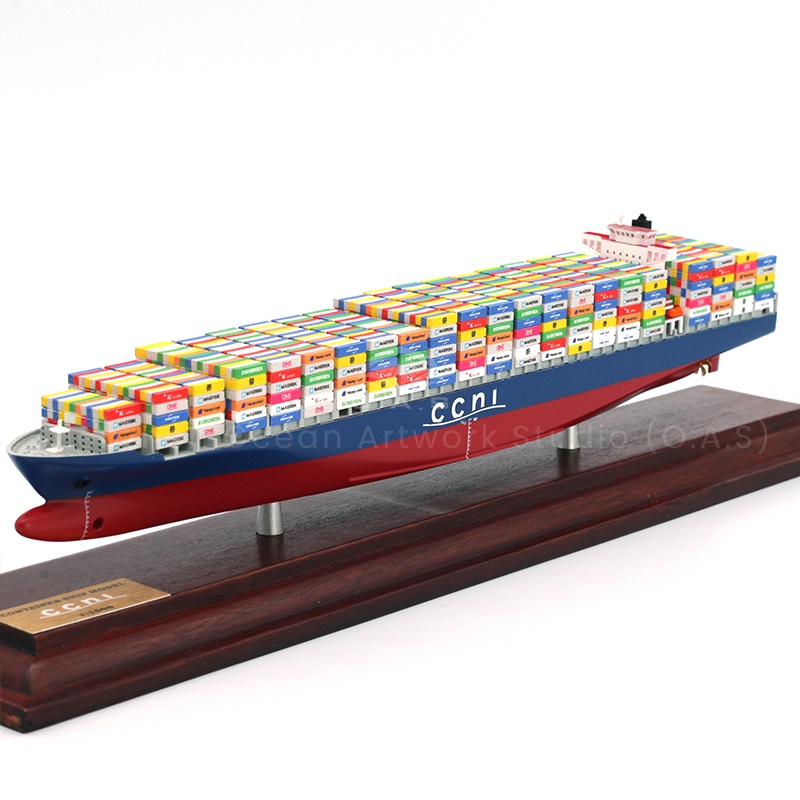
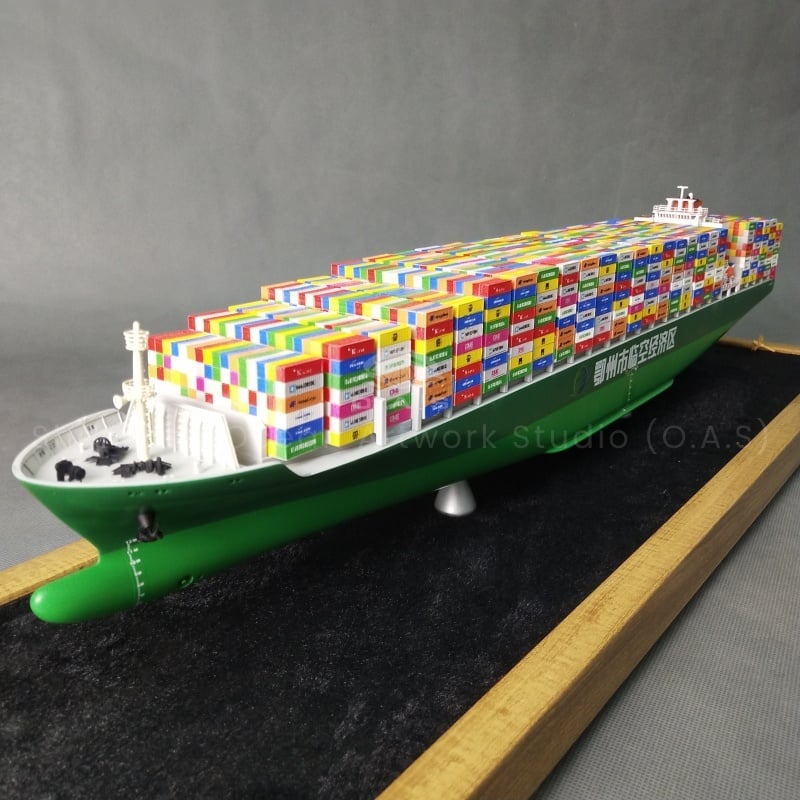
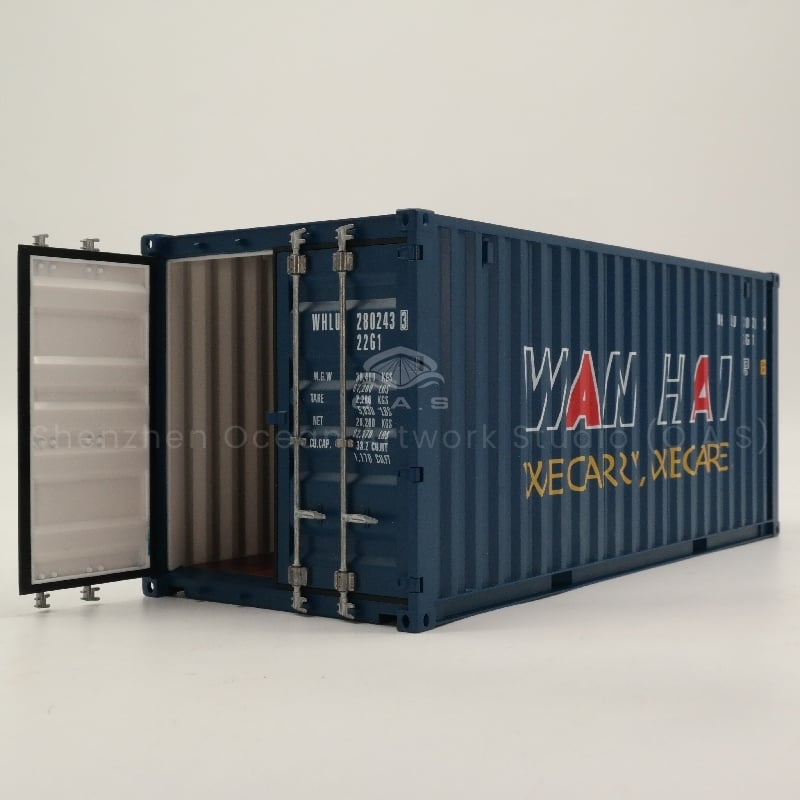
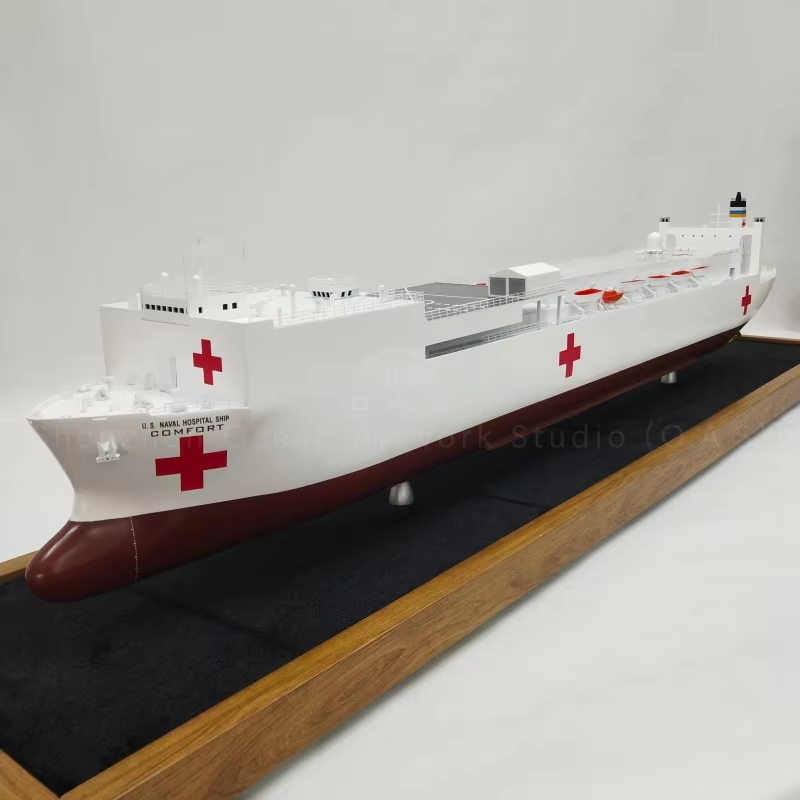
One of the strongest reasons museums and educational institutions choose dedicated model ship factories over general merchandise suppliers is the depth of customization available. Institutional projects rarely fit standard commercial product lines. A naval museum might need a 1:50 scale model of a specific 19th-century warship, complete with period-accurate flags and rigging. A shipping company partnering with a port museum might require branded container ship models featuring their livery and logo. A science center designing a hands-on exhibit about global trade might commission a series of miniature container models in standardized sizes that fit into a purpose-built display infrastructure.
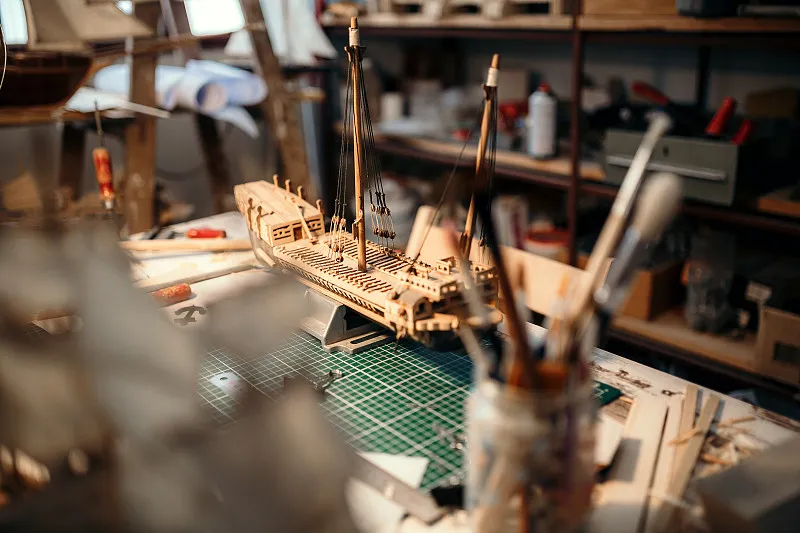
Model ship factories that serve institutional markets have invested in flexible production systems that accommodate these diverse requirements. CNC machining, 3D printing, vacuum forming, and hand-finishing capabilities are combined to produce models at any scale, in any configuration, with any surface treatment. Digital design tools allow factories to provide accurate 3D renderings for client approval before committing to production, reducing revision cycles and ensuring that the finished product meets institutional expectations precisely. This design-to-approval workflow is a hallmark of factories that understand institutional procurement processes.
Museums and educational institutions rarely make one-time purchases. As exhibits are updated, collections are expanded, and educational programs evolve, institutional buyers return to the same model ship factories that delivered quality results in prior projects. This repeat commissioning dynamic is one of the most important aspects of the relationship between institutional clients and specialized factories. It means that model ship factories serving this market must invest in account management, institutional knowledge retention, and production consistency over time.
Experienced model ship factories maintain detailed client records that document every specification, material choice, finish formula, and design decision made during past projects. When a museum returns five years later to commission additional models for a new gallery, the factory can reference these records to ensure that new pieces are visually and technically consistent with previously delivered work. This institutional memory is a significant competitive advantage and a genuine service differentiator for factories that take long-term partnerships seriously.
Beyond consistency, long-term relationships with model ship factories allow institutional buyers to benefit from ongoing product development. As factories improve their materials, refine their production techniques, or develop new finishing capabilities, established clients gain early access to these innovations. A museum that has worked with a factory for a decade may find that new digital printing technologies now allow for even more accurate historical markings on hull surfaces, or that advances in resin formulation have made larger models structurally feasible at lower cost. These improvements compound over time, making long-term partnerships with quality model ship factories increasingly valuable.
The production journey at specialized model ship factories begins long before any material is cut or shaped. For institutional projects, the development phase typically starts with a detailed brief from the client — a document or series of discussions that defines the model's purpose, the vessel being represented, the intended scale, the display environment, and any specific technical or historical requirements. Model ship factories that excel in institutional work assign dedicated project managers to each commission, creating a single point of contact who coordinates between client, design team, and production floor throughout the entire process.
The design phase involves translating the client brief into technical drawings, 3D digital models, and material specifications. For historically significant vessels, design teams at leading model ship factories will research primary sources — ship plans, period illustrations, photographic records, and archival measurements — to establish accurate dimensional data. This research-driven design approach ensures that the final model is grounded in documented evidence rather than artistic interpretation, which is essential for museum-grade work. Client review checkpoints are built into the design phase, allowing institutional buyers to request modifications before production begins.
Prototype production follows design approval. Most model ship factories produce one or more physical prototypes for institutional clients before committing to full production runs. Prototypes allow the client to evaluate scale, proportions, surface finish, and structural quality in person — and to request refinements that might not be apparent from digital renderings alone. This iterative prototype process may seem time-consuming, but it is essential to the institutional quality standard and ultimately reduces costly mistakes in final production.
Final production at model ship factories serving institutional markets is governed by rigorous quality control protocols. Each unit is inspected against the approved prototype and technical specification, with particular attention to dimensional accuracy, finish quality, structural integrity, and the correctness of any markings, insignia, or text elements. For historically themed museum models, a senior craftsperson or quality reviewer with subject matter knowledge may conduct additional checks to verify historical accuracy at the component level.
Delivery logistics for institutional clients require careful planning. Large models, fragile rigging, and display cases must be packed and transported in ways that guarantee arrival in pristine condition. Model ship factories experienced in institutional supply often maintain in-house packaging design capabilities, producing custom foam-lined cases and crating solutions that protect each model throughout its journey from factory to display location. Clear labeling, installation guides, and care instructions are included with every shipment, ensuring that museum and school staff can handle and install the models without specialist assistance.
The most common institutional clients for model ship factories include maritime museums, naval history museums, science and discovery centers, shipping company visitor centers, universities with maritime or engineering programs, and primary and secondary schools developing geography or history curriculum resources. Government agencies involved in heritage preservation and port authorities creating public education initiatives also commission from model ship factories regularly.
The timeline for a museum-grade commission from model ship factories varies significantly depending on complexity, scale, and the volume of units required. A single, highly detailed historical replica might require six to twelve months from initial brief to delivery, accounting for research, design, prototyping, production, and quality review cycles. Simpler educational models produced in larger quantities may be completed within eight to sixteen weeks. Institutional buyers are advised to engage model ship factories early in their project planning cycle to avoid delays.
Yes. Reputable model ship factories that serve educational markets maintain active compliance programs covering major international safety standards for toys and educational materials, including EN71 in Europe and ASTM F963 in the United States. Factories can provide material safety data sheets, compliance certificates, and test reports for their educational model product lines. Institutional buyers sourcing models for use with children should always request documentation of safety compliance as part of the procurement process.
Minimum order quantities at model ship factories vary by project type. For fully custom, museum-grade historical replicas, many factories will accept single-unit commissions, as the value and complexity of the project justifies the setup investment. For standardized educational models or branded commercial vessel replicas, minimum order quantities typically range from ten to fifty units, though some factories will negotiate lower minimums for established institutional clients. It is always worth discussing quantity requirements directly with the factory at the brief stage to identify the most cost-effective production approach.
 Hot News
2024-06-11
2024-06-07
2024-06-01
2024-06-01
2024-06-01
2024-05-25
Shenzhen Ocean Artwork Studio (O.A.S) Technology Co., Ltd. is a leading ship model manufacturer with over 15 years of experience. We specialize in designing and producing civil, military, and engineering ship models, working with top global shipping brands such as MAERSK, COSCO, and EVERGREEN.