EN
EN

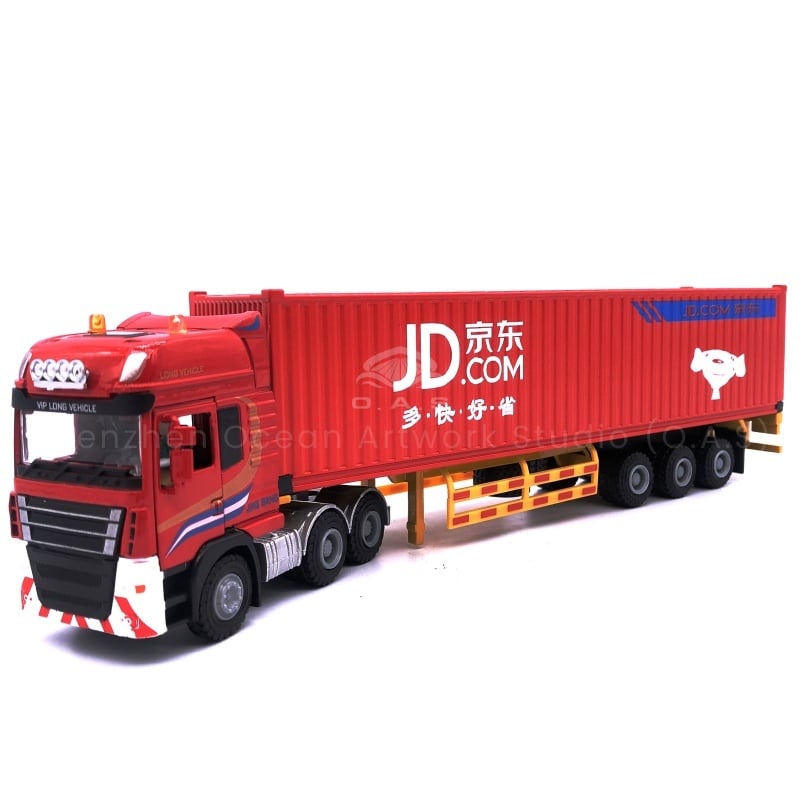
The B2B marketing landscape has witnessed a remarkable transformation in recent years, with companies increasingly turning to unique promotional strategies that create lasting impressions on clients and partners. Among the most notable trends is the rising popularity of corporate model gifts, which have evolved from simple promotional items to sophisticated marketing tools that embody brand values and industry expertise. These meticulously crafted miniature representations of ships, aircraft, buildings, and industrial equipment serve as powerful conversation starters and memorable brand ambassadors that traditional marketing materials simply cannot match.
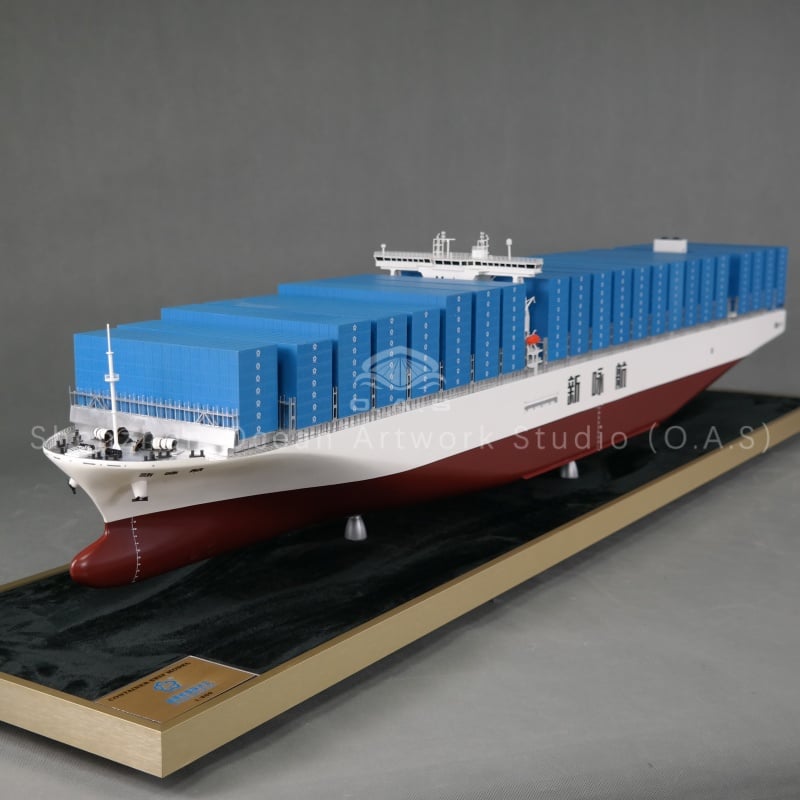
The shift toward experiential and tactile marketing approaches has positioned corporate model gifts at the forefront of B2B relationship building. Unlike digital advertisements or paper brochures that quickly fade from memory, these physical representations create tangible connections between brands and their audiences. The strategic use of custom-designed models allows companies to showcase their products, services, or achievements in a format that recipients can display proudly in their offices, creating ongoing brand visibility and reinforcing business relationships over extended periods.
The effectiveness of corporate model gifts stems from fundamental psychological principles that govern human behavior and memory formation. When recipients receive a carefully crafted model, they engage multiple senses simultaneously, creating stronger neural pathways that enhance brand recall. The tactile experience of handling a well-made model triggers positive emotions and establishes a personal connection that digital marketing channels struggle to achieve.
Research in cognitive psychology demonstrates that physical objects create more memorable experiences than virtual representations. Corporate model gifts leverage this principle by providing recipients with something substantial they can touch, examine, and display. The three-dimensional nature of these gifts allows for detailed exploration, encouraging recipients to spend more time engaging with the brand message embedded within the model's design and craftsmanship.
Professional environments place significant emphasis on visual displays that communicate expertise, partnerships, and industry knowledge. Corporate model gifts serve as sophisticated desk accessories that enhance the recipient's professional image while subtly promoting the gifting company's brand. These models often become conversation pieces during client meetings, creating organic opportunities for brand advocacy and relationship building.
The perceived value of quality corporate model gifts extends beyond their monetary cost, encompassing craftsmanship, attention to detail, and relevance to the recipient's industry. When displayed prominently in offices or boardrooms, these models signal the recipient's connections within their industry and demonstrate the gifting company's commitment to excellence and attention to detail in their business relationships.
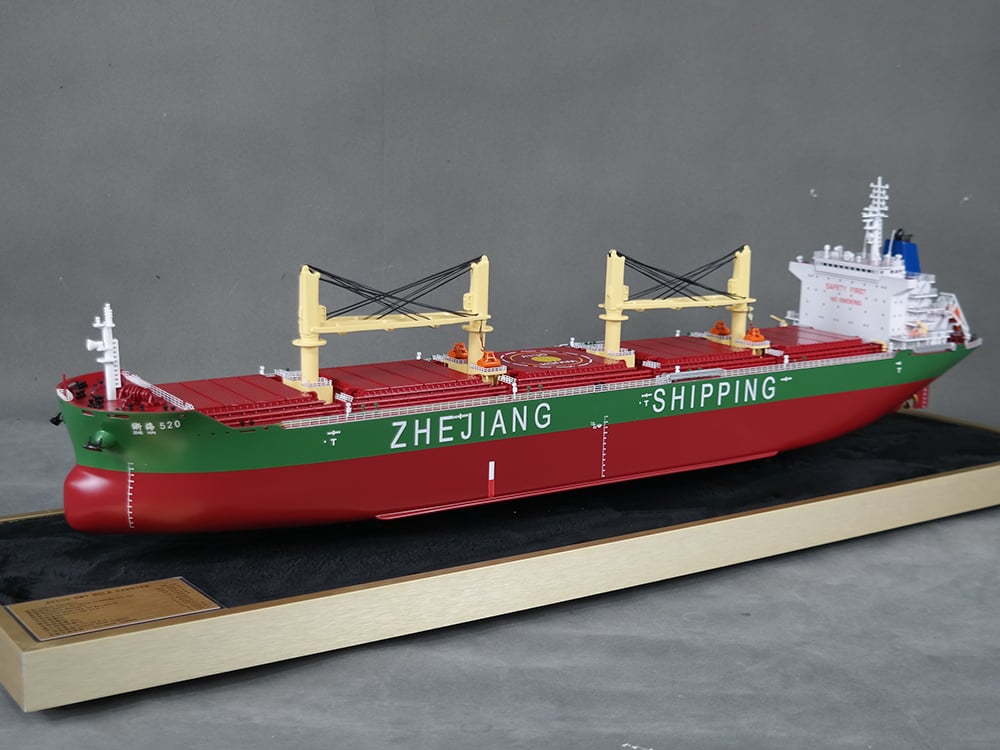
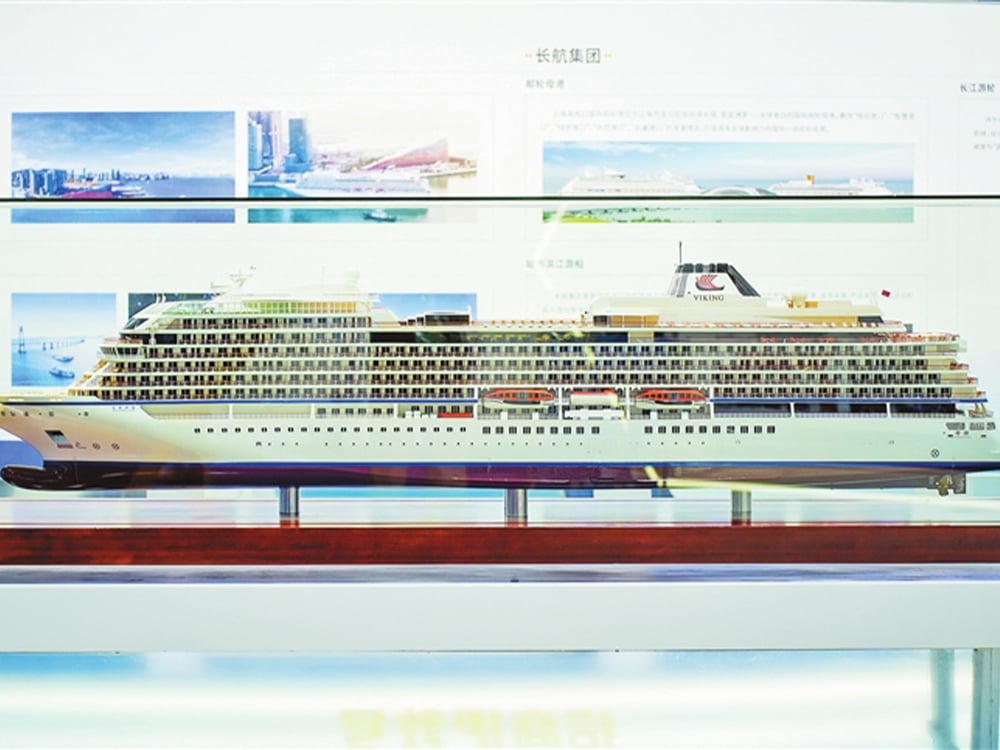
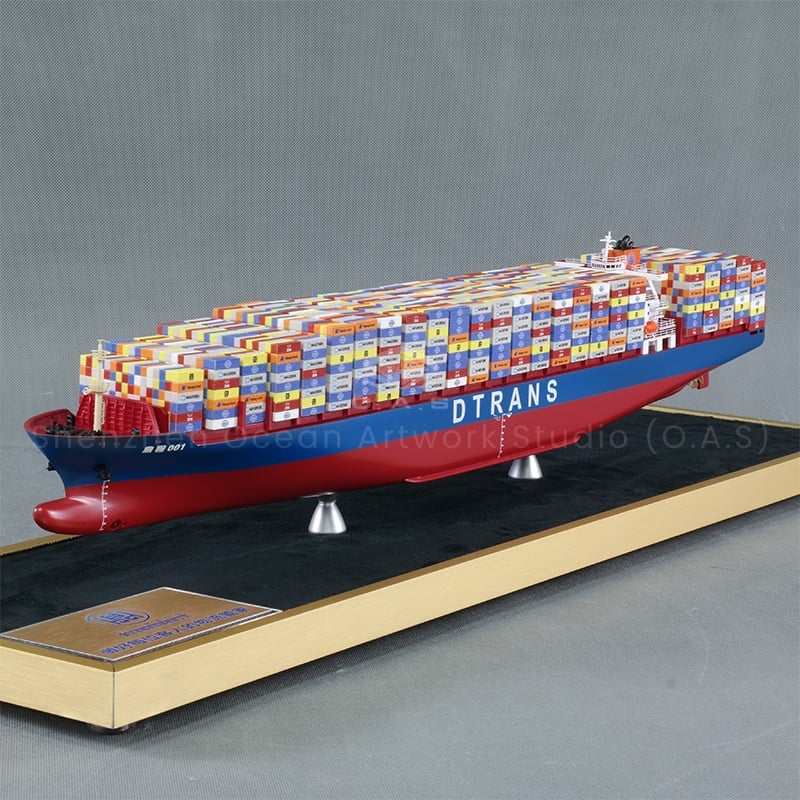
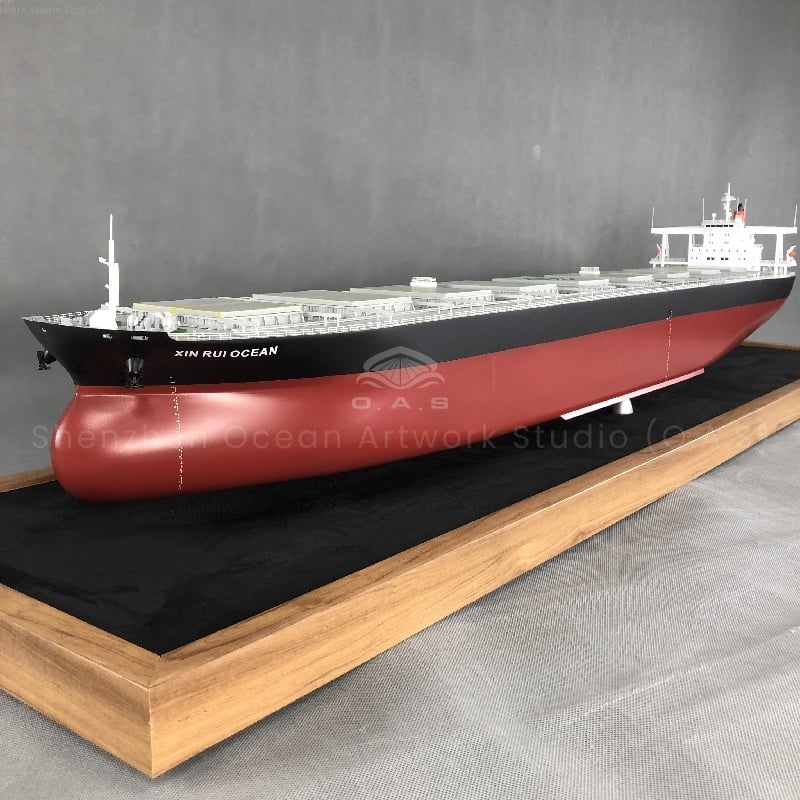
The maritime industry has embraced corporate model gifts as essential tools for client relationship management and brand differentiation. Shipping companies frequently commission detailed scale models of their vessels to present to port authorities, logistics partners, and major clients. These models serve multiple purposes, from celebrating successful partnerships to showcasing new vessel acquisitions or technological innovations in ship design.
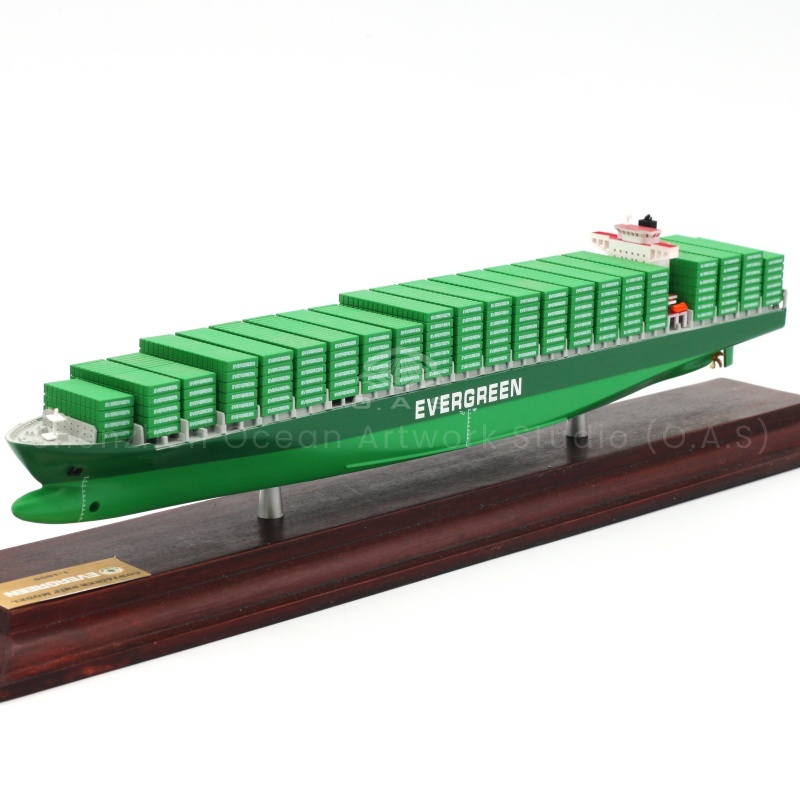
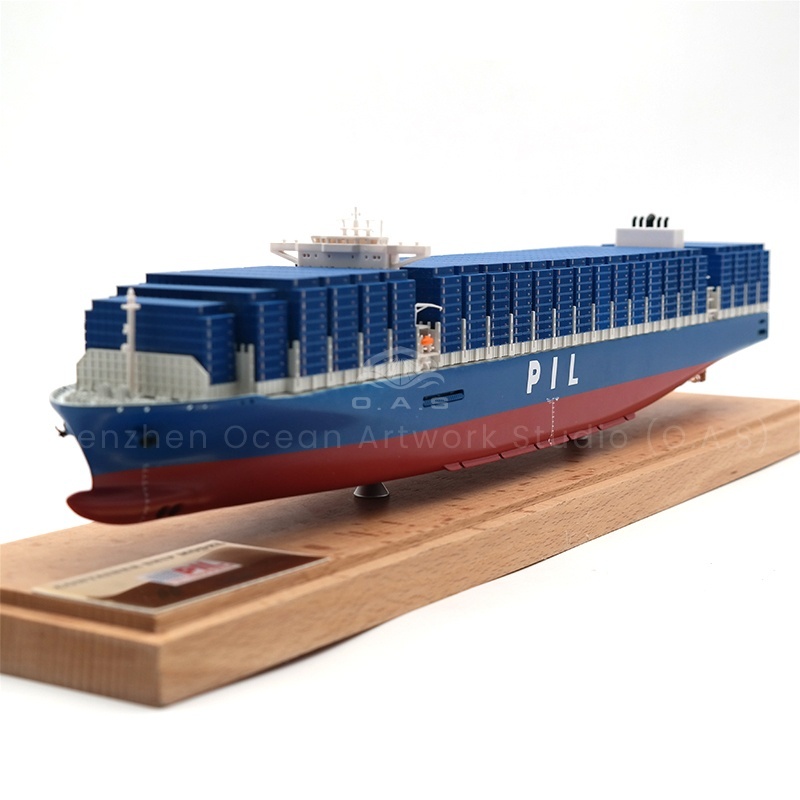
Container shipping companies have found particular success with corporate model gifts that feature their distinctive branding and color schemes. These models not only represent the physical assets of the company but also embody the precision, reliability, and global reach that define successful maritime operations. Recipients often display these models as symbols of their participation in international trade and their partnerships with leading shipping providers.
Airlines, aircraft manufacturers, and aerospace companies leverage corporate model gifts to commemorate significant milestones, celebrate partnerships, and promote new aircraft models or services. Custom aircraft models serve as powerful marketing tools that capture the innovation and engineering excellence associated with aviation industry leaders. These gifts are particularly effective when presented during aircraft delivery ceremonies, partnership announcements, or industry conferences.
The aviation sector's use of corporate model gifts extends beyond commercial airlines to include private aviation companies, maintenance providers, and aviation technology firms. Each model serves as a tangible representation of the company's capabilities and commitment to safety, innovation, and customer service excellence that defines successful aviation businesses.
Successful corporate model gifts require careful attention to design elements that effectively communicate brand identity while maintaining aesthetic appeal. Color schemes, logos, and distinctive markings must be accurately reproduced to ensure brand recognition and authenticity. The level of detail in custom models reflects the gifting company's commitment to quality and precision, attributes that transfer to perceptions of their business operations.
Advanced manufacturing techniques enable the incorporation of intricate brand elements, from company logos and color matching to specific design features that distinguish the gifting company's products or services. The customization process allows for the creation of unique models that cannot be replicated by competitors, ensuring that each gift maintains its exclusivity and special significance to recipients.
The presentation of corporate model gifts plays a crucial role in maximizing their impact and perceived value. Professional packaging that includes branded elements, certificates of authenticity, and informational materials enhances the overall gift experience and reinforces the marketing message. Custom display cases or stands not only protect the model but also facilitate prominent office display, extending the gift's marketing effectiveness over time.
Thoughtful packaging design communicates respect for the recipient and attention to detail that reflects positively on the gifting company's brand. The unboxing experience creates anticipation and excitement that contributes to positive emotional associations with the brand, while premium packaging materials suggest quality and professionalism that align with B2B relationship expectations.
Measuring the return on investment for corporate model gifts requires a comprehensive approach that considers both immediate and long-term benefits. Direct metrics include client retention rates, contract renewals, and new business generated from recipients of model gifts. Companies often track these metrics by comparing performance before and after implementing model gift strategies, providing clear evidence of program effectiveness.
Brand visibility metrics offer additional insights into the value of corporate model gifts through tracking display rates, social media sharing, and mentions in business communications. Many recipients proudly share images of their model gifts on professional networks, creating organic marketing opportunities that extend the reach and impact of the original investment in gift customization and production.
The most significant benefits of corporate model gifts often manifest in strengthened business relationships and enhanced brand loyalty over extended periods. Recipients frequently report increased positive sentiment toward gifting companies and greater willingness to consider their proposals and recommendations. These qualitative improvements in business relationships translate to tangible benefits through preferred vendor status, expanded contract opportunities, and referral generation.
Long-term tracking studies demonstrate that well-executed corporate model gift programs contribute to higher client lifetime values and reduced customer acquisition costs. The durability and display value of quality models ensure ongoing brand exposure that continues to generate marketing benefits years after the initial gift presentation, making them exceptionally cost-effective marketing investments.
Strategic timing enhances the impact and appropriateness of corporate model gifts within B2B relationship management programs. Key opportunities include contract signings, project completions, company anniversaries, and industry milestone celebrations. Presenting corporate model gifts during these significant moments creates positive associations and reinforces the importance of business partnerships through thoughtful recognition.
Holiday seasons and industry-specific events provide additional opportunities for corporate model gift presentation, though timing should align with cultural considerations and business customs of international clients. Understanding recipient preferences and cultural contexts ensures that gift presentations are received positively and achieve their intended relationship-building objectives.
The success of corporate model gifts depends heavily on manufacturing quality and attention to detail that reflects the gifting company's standards and brand image. Selecting reputable suppliers with proven track records in custom model production ensures that finished products meet expectations and properly represent the company's commitment to excellence in all business dealings.
Quality control processes should include detailed specifications, prototype approvals, and final inspections before gift presentation. Investment in superior materials and craftsmanship pays dividends through enhanced recipient satisfaction and positive brand associations that justify the premium costs associated with high-quality custom model production.
Corporate model gifts offer superior effectiveness compared to traditional promotional items due to their unique combination of visual appeal, tactile engagement, and display value. Unlike consumable promotional products or paper materials that quickly lose their impact, quality models create lasting impressions through their three-dimensional presence and craftsmanship. Recipients are more likely to keep and display models prominently in their offices, providing ongoing brand visibility that extends far beyond the initial gift presentation. The perceived value and professional appearance of corporate model gifts also enhance the gifting company's brand image and demonstrate a level of thoughtfulness that standard promotional items cannot match.
Budget determination for corporate model gift programs requires careful consideration of recipient importance, relationship value, and expected return on investment. Companies typically allocate higher budgets for key clients, strategic partners, and high-value prospects while establishing baseline quality standards that maintain brand consistency across all gifts. Successful programs often dedicate between two to five percent of their annual marketing budget to corporate gifting, with model gifts representing a premium tier within this allocation. The cost per gift should reflect the recipient's business value while maintaining quality standards that appropriately represent the company's brand and market position.
The most impactful customization options for corporate model gifts include accurate color reproduction of company branding, prominent logo placement, and incorporation of distinctive design elements that clearly identify the gifting company. Custom base plates or display stands featuring company information and contact details enhance brand recall while providing practical display solutions. Advanced customization techniques such as detailed hull markings, custom paint schemes, and branded packaging create exclusive gifts that cannot be replicated by competitors, ensuring unique brand representation and enhanced perceived value among recipients.
International corporate model gift programs require careful attention to cultural sensitivities, import regulations, and local business customs to ensure appropriate and successful gift presentation. Companies should research cultural attitudes toward gift-giving, appropriate gift values, and any restrictions on business gifts in target countries before implementing international programs. Working with experienced international suppliers or local partners can help navigate customs requirements and ensure timely delivery while maintaining quality standards. Additionally, customization should consider local preferences and cultural symbols that enhance recipient appreciation and demonstrate respect for their business culture and traditions.
 Hot News
2024-06-11
2024-06-07
2024-06-01
2024-06-01
2024-06-01
2024-05-25
Shenzhen Ocean Artwork Studio (O.A.S) Technology Co., Ltd. is a leading ship model manufacturer with over 15 years of experience. We specialize in designing and producing civil, military, and engineering ship models, working with top global shipping brands such as MAERSK, COSCO, and EVERGREEN.