EN
EN

Successful custom marine model projects begin by anchoring the model boat maker’s work to concrete business goals. This alignment ensures the scale replica serves strategic purposes beyond aesthetic appeal—whether for engineering design verification, executive-level investment presentations, or immersive brand storytelling. Clear objectives prevent costly revisions and guarantee the final model delivers measurable value, such as visualizing complex vessel structures and fleet scale to showcase a brand's professional depth, or intuitively demonstrating patented propulsion systems to stakeholders during high-level business negotiations.
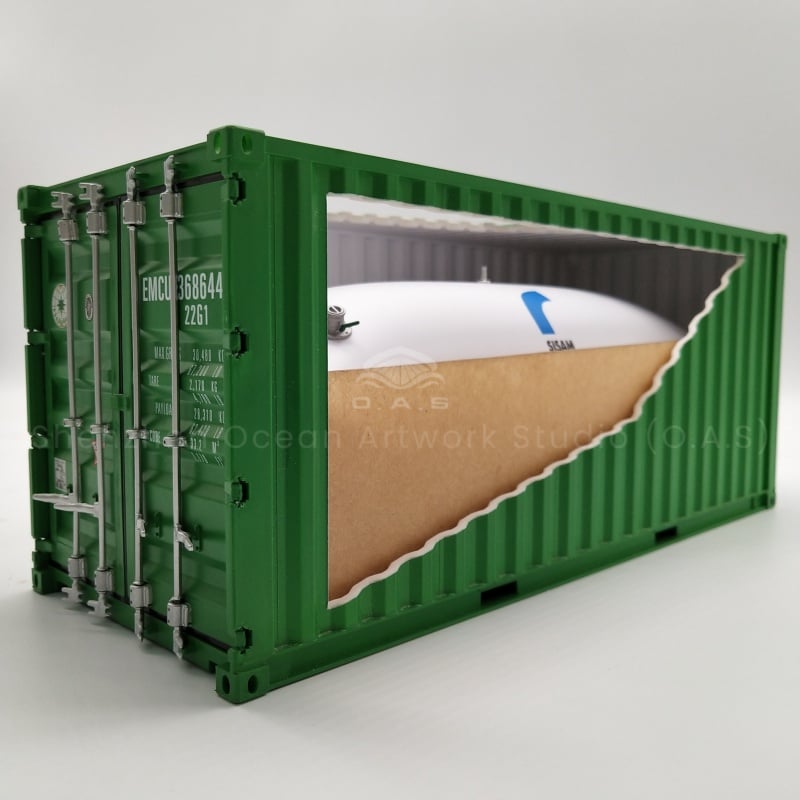
Collaborative requirement gathering bridges departmental priorities into a unified brand narrative. Cross-functional workshops identify critical parameters like the display environment (e.g., long-term UV protection), interactive features (removable sections to visualize carrying capacity), and logistical constraints (standardized lengths of 15cm to 150cm for easy transport). This process crystallizes stakeholder input into a signed-off specification document governing materials like high-grade ABS and brass, ensuring the model serves as a persuasive vehicle for business engagement rather than a tool for engineering-grade calculations—eliminating ambiguity before craftsmanship begins.
Professional model boat makers leverage industry-standard software such as ProE, Rhino, 3dsMax, and AutoCAD to transform concepts into precision-crafted scale replicas. Unlike engineering tools used for actual shipbuilding, these software packages allow craftsmen to work from the General Arrangement (GA) plans and lines plans of real vessels provided by the client. This workflow focuses on achieving exceptional visual fidelity and structural accuracy for display purposes. Parametric modeling within these environments allows for meticulous adjustments to hull aesthetics or deck layouts, ensuring every detail aligns with the branding requirements for client demonstrations or exhibition environments.
The design phase culminates in four critical deliverables enabling seamless workshop execution:
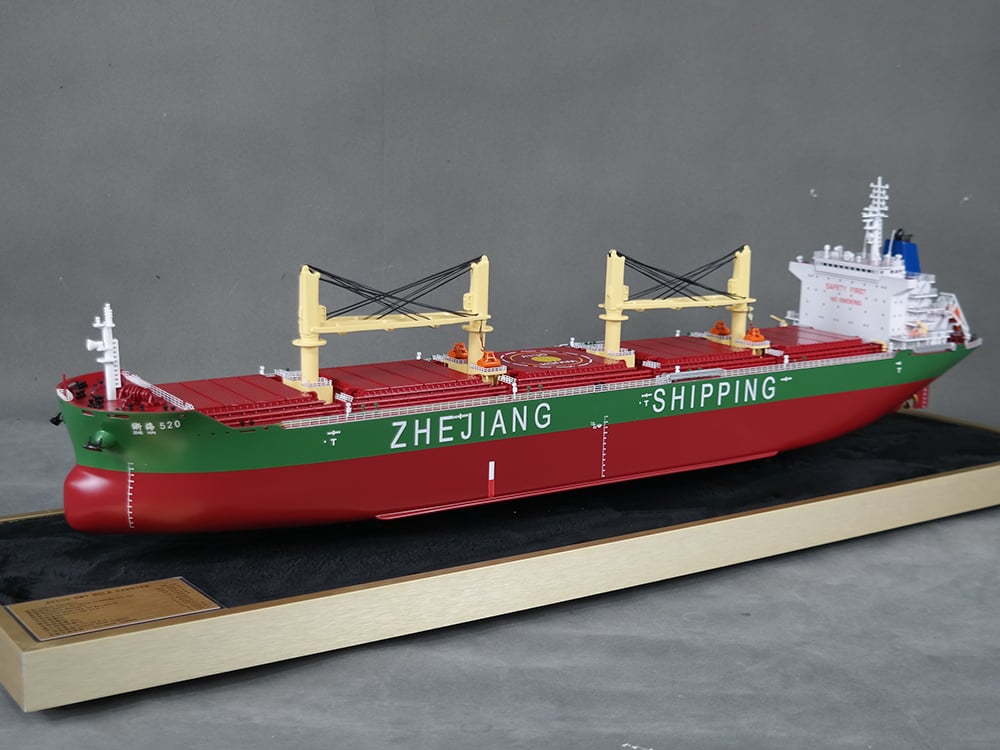
These outputs standardize communication between designers and craftsmen, ensuring precise restoration for custom branding integrations for corporate clients. This digital workflow prevents assembly errors and ensures that the final handcrafted model perfectly reflects the specifications of the actual shipping project.
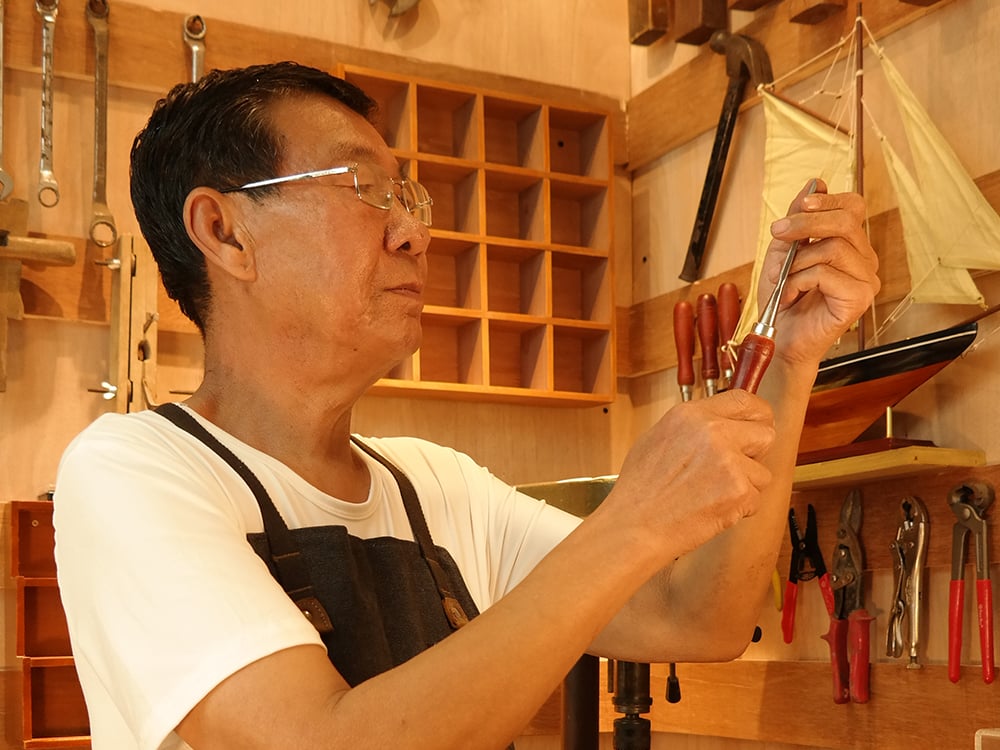
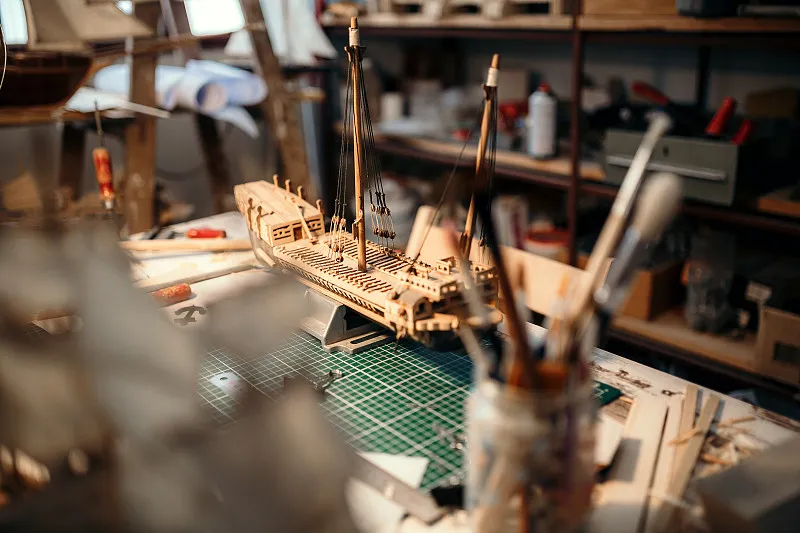
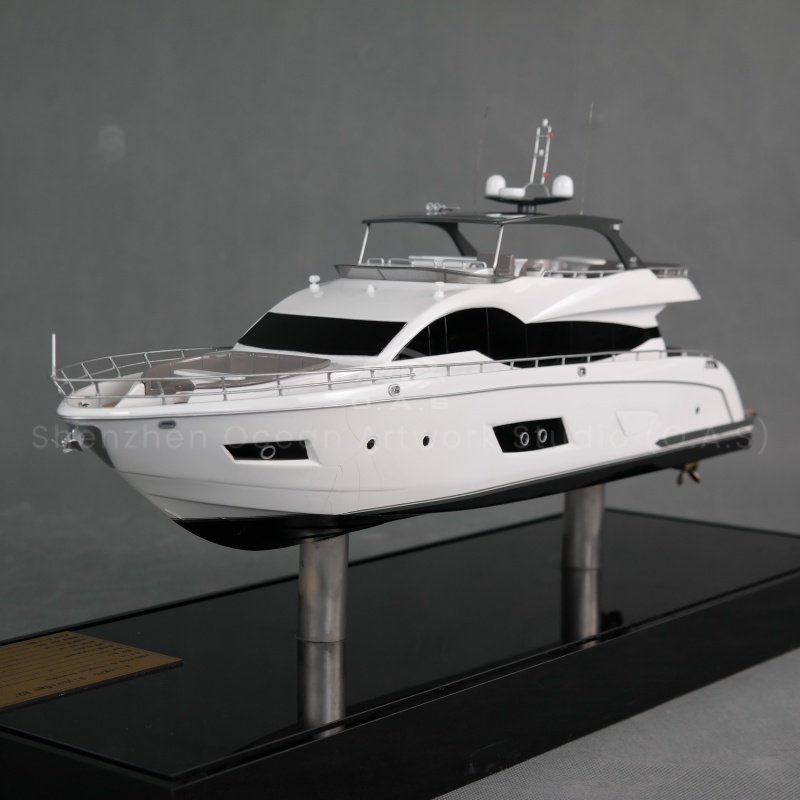
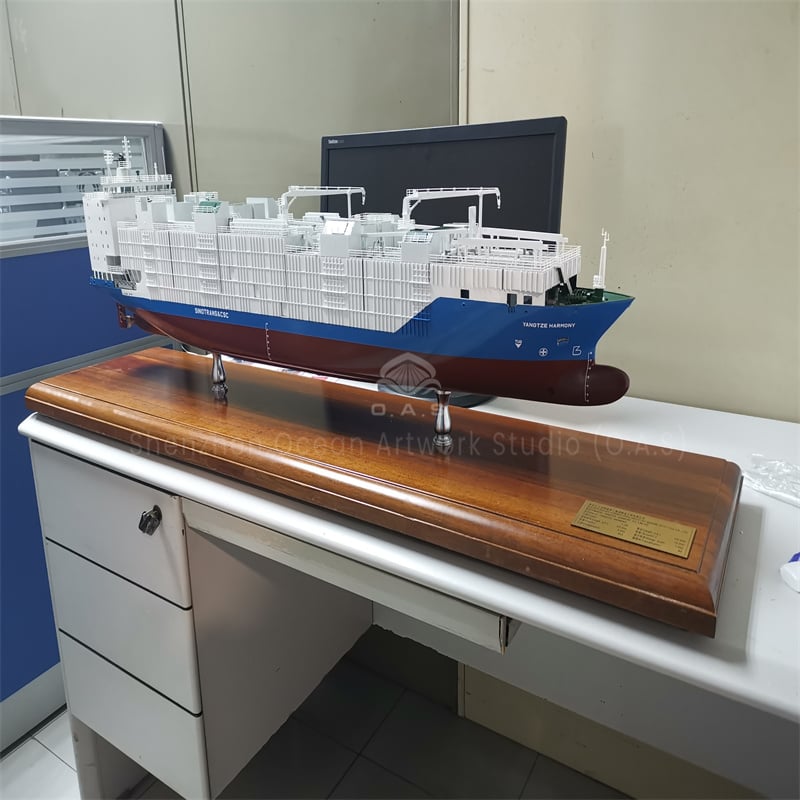
Precision begins with digitally fabricated hull frames cut via CNC machinery, ensuring dimensional accuracy within ±0.1mm tolerance—High-precision craftsmanship is essential for the visual validity and brand storytelling of professional maritime replicas. Laser-etching technology replicates rivet patterns and deck detailing to enhance the model’s realism while maintaining structural integrity. Authentic material selection reflects the industry's high standards: high-grade ABS for the hull, corrosion-resistant brass for propellers and specialized fittings, and precision-molded polymers for complex curves. While these models provide a vivid restoration of a vessel's actual structure, they serve as authoritative exhibition assets rather than tools for engineering-grade hydrodynamic testing or system-driven operational calculations. This technical rigor enables a professional model boat maker to achieve 98% dimensional accuracy compared to original vessel blueprints.
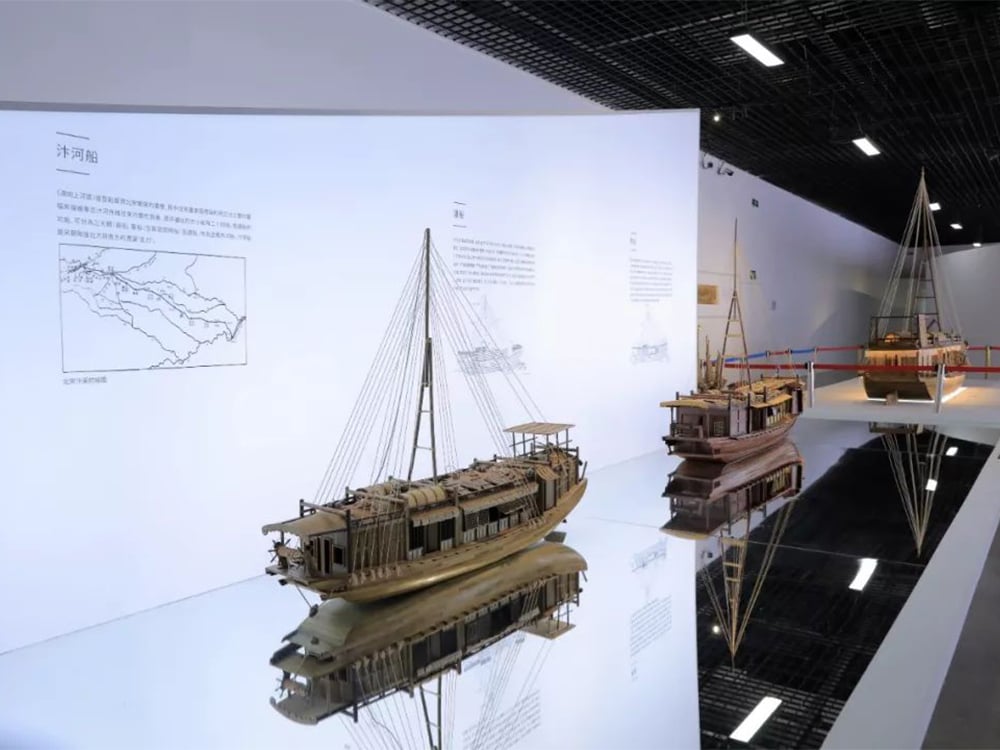
We resolve the tension between archival accuracy and modern utility through modular design principles. A 1920s yacht replica might retain original hull lines while embedding removable deck sections to showcase engine room layouts for investor presentations. UV-printed graphics on sails engineered to withstand 500+ hours of exhibition lighting. For technical demonstrations, waterline models serve as high-fidelity visual representations of a vessel's actual structure, reflecting an industry shift where maritime manufacturers prioritize models for both heritage preservation and brand storytelling.
The final phase transforms engineered designs into tangible value through rigorous client collaboration and precision execution. A professional model boat maker establishes continuous feedback loops during assembly, allowing real-time adjustments to materials or branding elements before finalization. This prevents costly rework while ensuring the scale replica meets exact functional objectives—whether for engineering validation or executive presentations. Multi-stage quality assurance protocols then verify dimensional accuracy (±0.5mm tolerance), material integrity, and operational mechanics against the original specifications.
 Hot News
2024-06-11
2024-06-07
2024-06-01
2024-06-01
2024-06-01
2024-05-25
Shenzhen Ocean Artwork Studio (O.A.S) Technology Co., Ltd. is a leading ship model manufacturer with over 15 years of experience. We specialize in designing and producing civil, military, and engineering ship models, working with top global shipping brands such as MAERSK, COSCO, and EVERGREEN.