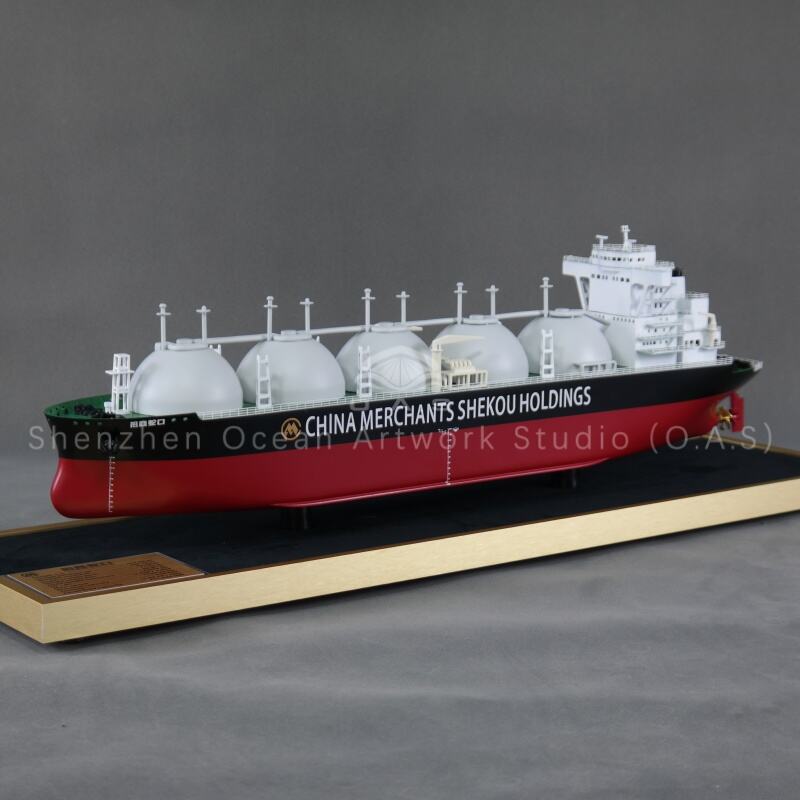
hull structure model
Hullin rakennemalli edustaa mullistavaa lähestymistapaa meritekniikan suunnitteluun, tarjoten kattavat visualisointi- ja analyysimahdollisuudet merikoneteeknikoille ja meri-insinööreille. Tämä kehittynyt mallinnusjärjestelmä käsittää aluksen hullin täydellisen kehikon, mukaan lukien rungot, levyt, vahvistusalueet ja eristykset, jotka muodostavat merikelpoisen aluksen perustan. Hullin rakennemalli toimii digitaalisena kaksoisena todelliselle aluksen rakenteelle, mahdollistaen yksityiskohtaisen tarkastelun rakenteellisesta eheydestä, painojakaumasta ja suorituskyvystä ennen fyysisen rakentamisen alkua. Sen päätoiminnot sisältävät rakenteellisen analyysin, jännityssimuloinnit, materiaalin optimoinnin ja kansainvälisten merikuljetusstandardien noudattamisen varmistamisen. Hullin rakennemallin teknologiset ominaisuudet sisältävät edistyneen elementtimenetelmän (FEA), kolmiulotteiset visualisointityökalut ja reaaliaikaiset laskenta-algoritmit, jotka käsittelevät monimutkaisia insinöörilaskelmia huomattavan tarkasti. Nämä järjestelmät integroituvat saumattomasti tietokoneavusteiseen suunnitteluun (CAD), mahdollistaen insinööreille heti muuttaa suunnitelmia ja havaita tulokset välittömästi. Malli tukee useita materiaalityyppejä, perinteisestä teräksestä ja alumiinista nykyaikaisiin komposiittimateriaaleihin asti, tarjoten joustavuutta erilaisten alusten suunnitteluun. Hullin rakennemallin sovellukset kattavat useita merialoja, mukaan lukien kaupallinen merenkulku, meripuolustus, offshore-energia, harrasteveneily ja erikoismerialukset. Telakat käyttävät näitä malleja tehostamaan tuotantoprosesseja, vähentämään materiaalihukkaa ja varmistamaan laadun hallinnan koko rakennusprosessin ajan. Hullin rakennemalli mahdollistaa ennakoivan kunnossapidon aikataulutuksen tunnistamalla potentiaaliset rasituskohdat ja väsymisalueet ennen kuin ne muuttuvat kriittisiksi ongelmiksi. Tutkimuslaitokset käyttävät näitä malleja innovatiivisiin hullisuunnitteluun, jotka parantavat polttoaineen tehokkuutta ja ympäristösuorituskykyä. Järjestelmän kyky simuloida äärimmäisiä sääolosuhteita ja käyttötilanteita tekee siitä korvaattoman turvallisuusarviointeihin ja säädösten noudattamiseen, mikä viime kädessä edistää turvallisempia ja tehokkaampia merikuljetuksia maailmanlaajuisesti.
 EN
EN