EN
EN

Professionaalse mudelilaeva valmistaja leidmine kaubanduslikuks eesmärgiks nõuab tähelepanelikku kaalutlemist ekspertteadmiste, kvaliteedinormide ja tööstusliku maine suhtes. Kaubandusettevõtted laevandus-, haridus- ja reklaamivaldkonnas toetuvad üha rohkem täpselt valmistatud skaalamudelitele, et näidata oma laevu, edastada disainikonseptsioone ja tugevdada turundusalgatusi. Valikuprotsess hõlmab tehniliste võimaluste, tootmisvõimsuse ja spetsialiseeritud teadmiste hindamist, mis eristab amatöörhobiharrastajaid professionaalsetest käsitöölistest, kes on pühendunud kaubanduslikule täiuslikkusele.
Professionaalne mudelilaeva ehitamine erineb oluliselt rekreatiivsest modelleerimisest, nõudes inseneriteaduste, materjaliteaduse ja tootmistehnoloogiate põhimõtete järgimist, et tagada vastavalt tugevus ja täpsus. Äriklendid ootavad tulemusi, mis vastavad rangele spetsifikatsioonile, säilitavad mõõtmete täpsuse ning taluvad esitluskeskkondi – alates ettevõtluslikest juhatuskoosolekutest kuni mereajaloomuuseumiteni. Nende nõuete arusaamine aitab tuvastada pädevaid spetsialiste, kes suudavad keerukaid projekte ellu viia kindlaksmääratud ajaplaanis ja eelarves.
Kvalifitseeritud mudelilaevade valmistaja peaks demonstreerima põhjalikku mõistmist merearhitektuuri põhimõtetest, kere konstrueerimise mehaanikast ja struktuuritehnika mõistetest. See alus võimaldab täpset tehniliste jooniste, plaanide ja kaupluste klientide poolt esitatud spetsifikatsioonide tõlgendamist. Professionaalsed käsitöömeistrid omavad tavaliselt formaalset koolituset tehnika valdkonnas, mereuurimistes või laialdast õppijakogemust kindlate laevadeehitajate juhendamisel.
Materjaliteadus on veel üks oluline kvalifikatsioonivaldkond, mis hõlmab teadmisi puiduliikide valikust, metalli sulamite omadustest, komposiitmaterjalidest ja spetsiaalsetest liimidest. Kaubanduslikud projektid nõuavad sageli konkreetseid materjalivalikuid näitusekeskkonna, kasutusiga nõuete ja esteetiliste eelistuste alusel. Mudelilaevade valmistaja peab mõistma, kuidas erinevad materjalid omavahel interakteeruvad, vananevad ja reageerivad keskkonnateguritele, nagu niiskus, temperatuuri kõikumised ja ultraviolettkiirguse mõju.
Mudelilaevade valmistaja portfoolio analüüs paljastab nende võimekuste ulatuse, kvaliteedi pidevuse ja spetsialiseerumisvaldkonnad. Kaubanduslikud projektid hõlmavad laia spektrit laevatüüpe, sealhulgas kaubalaevu, sõjalaevu, luksusjahi, mere ääres asuvaid platvorme ja ajaloolisi rekonstruktsioone. Iga kategooria nõuab erilisi oskusi, uurimisvõimet ja tähelepanu ajaperioodile sobivatele või tööstuslikult spetsiifilistele detailidele, mida amatöör-ehitajad sageli eiravad.
Kogemus skaalamodelleerimise konventsioonide, proportsioonide täpsuse ja detailide usaldusväärsusega eristab professionaalseid tegelasi entusiastidest. Äriühingud ootavad mudeleid, mis säilitavad matemaatilise täpsuse kõikides mõõtmetes, sisaldavad funktsionaalseid elemente vastavalt vajadusele ning esitavad täpselt keerukaid mehaanilisi süsteeme skaalas komponentidena. Seda ekspertteadmist arendatakse aastatepikkuse professionaalse tegevuse ja pideva oskuste täiendamisega.
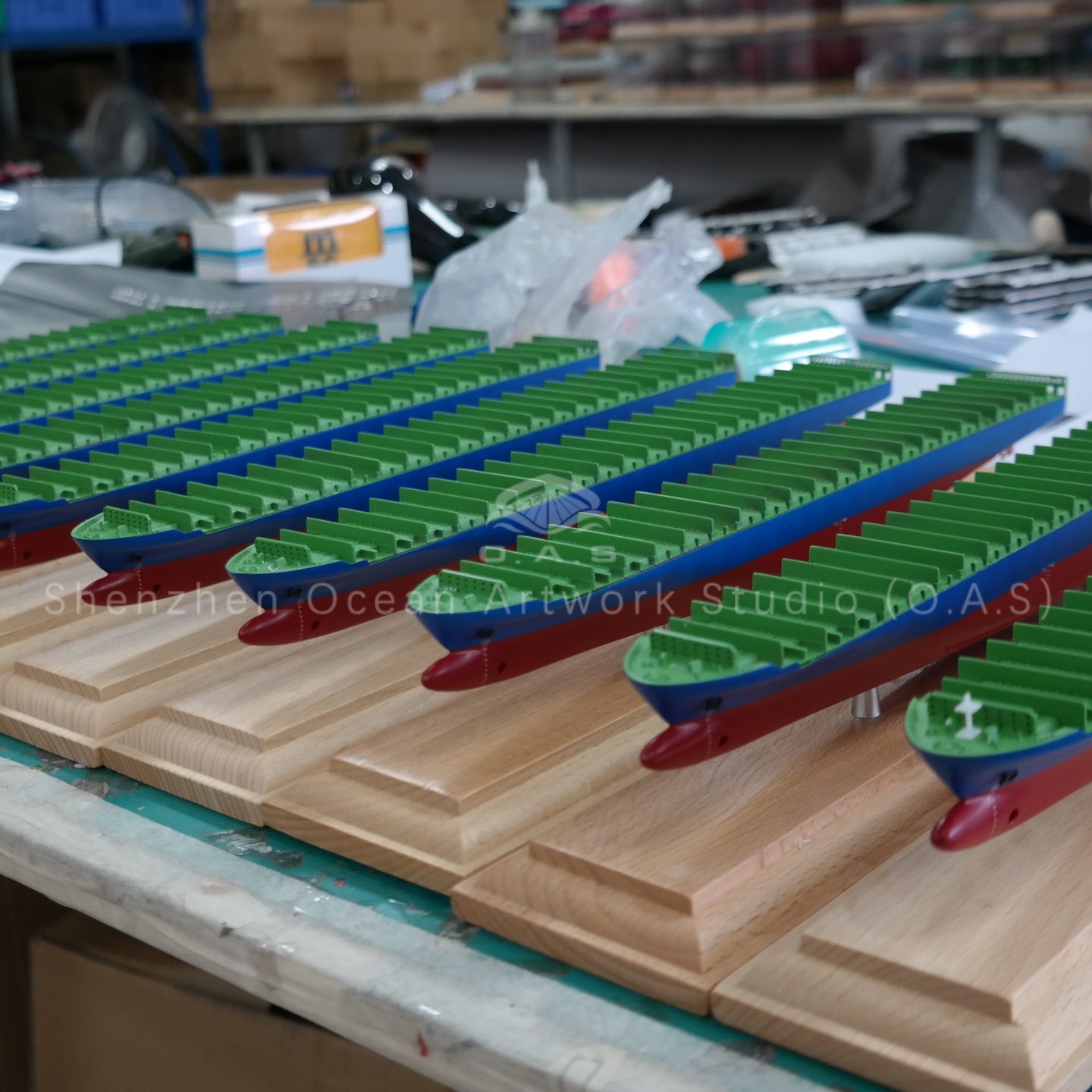
Professionaalne mudelilaevade ehitus kasutab tänapäevaseid tootmistehnoloogiaid, sealhulgas arvutitugevdatud disaini integreerimist, täppismehaanilisi töötlemisvõimalusi ja kvaliteedikontrolli protokolle. Kaasaegsed mudelilaevade valmistajad kasutavad digitaalseid valmistustööriistu, nagu laserlõike, 3D-trükkimine ja CNC-töötlemine, et saavutada täpsusi, mida üksi traditsiooniliste käsitöömeetoditega ei ole võimalik saavutada. Need tehnoloogiad võimaldavad keerukate komponentide ühtlast taasloomist ja tagavad mõõtmete täpsuse mitmesuguste mudeliversioonide puhul.
Kvaliteedikontrolli protseduurid hõlmavad materjalide inspekteerimist, mõõtmete kontrolli ja pinnakvaliteedi hindamist mitmes tootmisetasemel. Professionaalsed töökohad säilitavad dokumenteeritud protsessid, mõõtmisstandardid ja inspekteerimiskriteeriumid, mis tagavad kaubandusliku kvaliteediga tooted. See süstemaatiline lähenemisviis vähendab vigade arvu, tagab klientide rahulolu ja toetab garantiitingimusi, mis kaitsevad kaubanduslikke investeeringuid.
Kauplemisotstarbeliste mudelilaevade projektide puhul on vajalik täielik dokumentatsioon, sealhulgas materjalide sertifikaadid, mõõtmete aruanded ja fotoülesvõtted projektis saavutatud edusammude kohta. Professionaalsed mudelilaevade valmistajad esitavad üksikasjalikud projekti ajakavad, spetsifikatsioonidele vastavuse kontrolli ja lõpetamise sertifikaadid, mis toetavad klientide nõudeid sisemiseks heakskiiduks, kindlustusdokumentatsiooniks või asjakohasel juhul regulaatorsetele nõuetele vastavuseks.
Sertifitseerimisstandardid erinevad tööstusharu ja kasutusotstarbe järgi, kuid üldiselt hõlmavad need materjalide jälgitavust, tootmisprotsessi dokumentatsiooni ja kvaliteedikontrolli salvestusi. Merendussektori klientidel on sageli nõudmiks vastavus konkreetsetele mudeliehituse standarditele või sertifitseerimisasutustele, kes kinnitavad täpsust ja ehituslikku terviklikkust reklaami- või hariduslikel eesmärkidel.
Kauplemisalased mudelilaevaprojektid toimuvad kindlaksmääratud ajakavas, mis sobib kokku turunduskampaaniatega, objektide avamistega või näituste tähtaegadega. Professionaalne mudelilaeva valmistaja demonstreerib tõestatud projektijuhtimisoskusi, reaalset ajaplani hindamist ja tagavaraplanne võimalike viivituste või ulatuse muudatuste korral. Tootmisvõimsuse hindamine tagab, et töökoda suudab projektisuurust vastu võtta ilma kvaliteedi või tarnimispingutuste kompromisse tegemata.
Resursside jaotamise planeerimine hõlmab materjalide ostu, kvalifitseeritud tööjõu ajastamist ja seadmete saadavuse koordineerimist. Suured kaubanduslikud projektid võivad nõuda mitme käsitöömeistri samaaegset töötamist, spetsialiseeritud tööriistade ostmist või pikendatud tootmisperioode, mis koormavad töökoha võimsust. Professionaalsed tegevused tagavad ressursside paindlikkuse ja tarnijatega suhtlemise, mis toetab erinevaid projektnõudeid ilma praeguste kohustusteta kokku puutumata.
Tõhus klientidega suhtlemine eristab professionaalseid mudelilaevade valmistajaid käsitöö tegemisest keskenduvatest meistritest. Kaubanduslikud projektid nõuavad regulaarseid edenemisaruandeid, disainikonsultatsioone ning koostöös põhjustatud probleemide lahendamist juhul, kui tehniliste probleemide tõttu tuleb spetsifikatsioone muuta. Professionaalsete tegelaste suhtlusprotokollid on struktureeritud, nad esitavad visuaalseid edenemisaruandeid ja reageerivad kiiresti klientide küsimustele või murele.
Disainikonsultatsiooniteenused ulatuvad sageli kaugemale kui lihtne ehitus ja hõlmavad näituse soovitusi, hooldusjuhiseid ning tulevaste vajaduste jaoks muudatuste võimalusi. See nõuandev roll lisab olulist väärtust kaubanduslikele klientidele, kes pole tuttavad mudelilaevade kasutamisega, aitades neil maksimeerida investeeringu tagasitulu ja saavutada soovitud eesmärgid teadliku otsustamisega.
Professionaalsete mudelilaevade valmistajate hinna määramine peegeldab oskustaset, materjalide kvaliteeti, projektikomplekssust ja tarneaegade nõudeid. Kaubandusprojektid õigustavad tavaliselt kõrgemat hinda üleüldise suurepärase töökvaliteediga, garanteeritud tarneaegadega ning laiaulatusliku teenuspakettiga, mis hõlmab disainikonsultatsioone, edenemise jälgimist ja pärast tarneaega pakutavat toetust. Eelarve planeerimisel tuleb arvesse võtta alusehituskulusid, valikuliste funktsioonide lisamise kuluid ning võimalikke muudatuste kuluid projekti elluviimise ajal.
Väärtushinnang ulatub kaugemale esialgsest hinna võrdlusest, hõlmates ka eluea ootusi, hooldusvajadusi ja tulevikus võimalikke muudatusi. Kõrgkvaliteedilised kaubanduslikud mudelid on pikaajalised investeeringud, mis säilitavad oma välimust ja struktuurilist terviklikkust kümnenditeks, kui neid õigesti ehitatakse ja hooldatakse. Professionaalsed ehitajad pakuvad hooldusjuhiseid ja remonditeenuseid, mis kaitsevad klientide investeeringuid pikema tööperioodi jooksul.
Kauplemismudelite investeeringud toovad tagasi tulu turunduse efektiivsuse, haridusliku mõju ja brändi tugevdamise tegevuste kaudu. Professionaalsed mudelilaevade valmistajad mõistavad neid kasutusalasid ja saavad anda juhiseid disainiomaduste, skaala valiku ja esitlusvõimaluste kohta, et maksimeerida kaubanduslikku väärtust. Investeeringuanalüüs peaks arvesse võtma mudeli eluiga, mitmeotstarbelisust erinevates rakendustes ning potentsiaalset tagasimüügi- või üleandmisväärtust organisatsioonistruktuurides.
Kvaliteetne ehitus võimaldab mudelite kasutamist mitmesugustes eesmärkides, sealhulgas kaubamärgi näitustel, klientidele esitlustel, juhtkonna kingitustena ja püsivate paigaldustena. See universaalsus suurendab investeeringu väärtust võrreldes ühekordsete turundusmaterjalidega või ajutiste eksponeerimislahendustega, mida tuleb sageli asendada või uuendada, et säilitada professionaalne välimus.
Potentsiaalsete mudelilaevade valmistajate tuvastamine nõuab süstemaatilist uurimist tööstuskaustades, kutseühingutes ja mere- ning mudelikogukondade soovitusvõrkudes. Esmane filtreerimise kriteeriumid peaksid hõlmama geograafilist lähedust koostöö mugavuse tagamiseks, portfoolio kvaliteedi hindamist ning esmatähtsustavaid võimekust arutlevaid vestlusi, mis kindlustavad projekti teostatavuse ja huvitunud kvalifitseeritud spetsialistide huvi taseme.
Veebisä presence'i hindamine annab teavet professionaalsuse, klientide soovitusi ja projektide mitmekesisuse kohta, mis näitavad kaubanduslikku valmisolekut ja turunduslikku täiukust. Professionaalsed mudelilaevade valmistajad hoivad tavaliselt põhjalikke veebisaidisid, kus on esitatud lõpetatud projektid, tehnilised võimalused ja klientide soovitused, mis demonstreerivad edukaid kaubanduslikke suhteid ja tarneaja täitmise ajalugu.
Pakkumiste taotlemise protsessid võimaldavad otseselt võrrelda tehnilisi lähenemisviise, tähtaegade kohustusi ja maksumustrite erinevate kvalifitseeritud kandidaatide vahel. Hindamiskriteeriumid peaksid kaaluma tehnilist eksperttäpsust, tarne usaldusväärsust ja suhtluskvaliteeti koos kuluküsimustega, et tagada optimaalne tarnija valik konkreetsete projekti nõuete ja organisatsiooni prioriteetide jaoks.
Viidete kontroll ja kohapealsed külastused annavad väärtuslikke teadmisi töökoha võimalustest, kvaliteedinormidest ja operatsioonilisest professionaalsusest, mis täiendavad pakkumisdokumentatsiooni. Otsene vaatlus käimasolevatest projektidest, varustuse seisundist ja organisatsioonisüsteemidest aitab kinnitada esitatud väiteid ning hinnata vastavust kaubanduslikele ootustele ja standarditele.
Otsige ametlikku koolitusõpet laevaehitusarhitektuuris, meretehnikas või laialdast õpilaspuhkus-kogemust kindlalt kehtestatud laevatehaste juures. Professionaalne mudelilaeva ehitaja peaks tõendama materjalide oskust, täpsustootevalmistamise võimalusi ja ülevaatlikku portfooliot, mis näitab mitmekesiseid kaubanduslikke projekte. Tehnilised kvalifikatsioonid hõlmavad skaalamudeliteerimise põhimõtete mõistmist, arvutitugevdatud disaini (CAD) oskust ja kvaliteedikontrollisüsteemide rakendamist.
Tööstusliku mudelilaeva hindamine varieerub oluliselt sõltuvalt suurusest, keerukusest, kasutatavatest materjalidest ja tähtaegadest. Professionaalsed projektid kuluvad tavaliselt mitu tuhat kuni kümneid tuhandeid dollarit sõltuvalt mastaabist, detailitasemest ja eripärasest varustusest. Eelarve planeerimisel tuleb arvesse võtta baaskonstruktsiooni maksumust, valikulisi täiendusi ning võimalikke muudatusi, mis võivad tekkida projekti elluviimise käigus.
Professionaalsete mudelilaevade valmistajate ajakavad sõltuvad projekti keerukusest, suuruse nõuetest ja praegusest töökoha võimsusest. Lihtsad tööstuslikud mudelid võivad vajada 4–8 nädalat, samas kui keerukad eritellimusega projektid võivad kesta 3–6 kuud või pikemalt. Ajakava mõjutavad tegurid hõlmavad disainikonsultatsiooni kestust, materjalide hankimist, ehitusfaase ning lõpetustööd, mis vastab tööstuslikule kvaliteedinõuetele.
Kontrollige mudelilaevade valmistajate kvaliteeti portfoolio ülevaate, klientide viidete ja töökohvisiitide (kui võimalik) kaudu. Paluge näited sarnastest kaubanduslikest projektidest, võtke ühendust eelmiste klientidega tagasiside saamiseks ning hindage esialgsete konsultatsioonide ajal suhtluskutse professionaalsust. Professionaalsed teenuseosutajad esitavad üksikasjalikud ettepanekud, säilitavad dokumenteeritud protsessid ja pakkuvad garantii- või tagatislepinguid, mis tõendavad nende usku oma käsitöö kvaliteedi ja tähtaegade järgmise võimekusse.
 Külm uudised
2024-06-11
2024-06-07
2024-06-01
2024-06-01
2024-06-01
2024-05-25
Shenzhen Ocean Artwork Studio (O.A.S) Technology Co., Ltd. on juhtiv laeva mudelite tootja, kellel on üle 15 aasta pika töökogemuse. Me eriala on tsiviil-, sõja- ja insenerilaevade mudelite disainimine ja tootmine ning me koostöös maailma tipptasemel laevakompaniatega nagu MAERSK, COSCO ja EVERGREEN.