EN
EN

The maritime industry represents one of humanity's most complex engineering achievements, with vessels designed to navigate vast oceans while carrying enormous cargo loads. Custom model ships serve as precise miniaturized representations of these engineering marvels, offering enthusiasts, professionals, and collectors an intimate way to appreciate the intricate details and sophisticated design principles that govern modern shipping. These meticulously crafted replicas capture every aspect of maritime engineering excellence, from hull design and propulsion systems to cargo handling equipment and navigation technology.
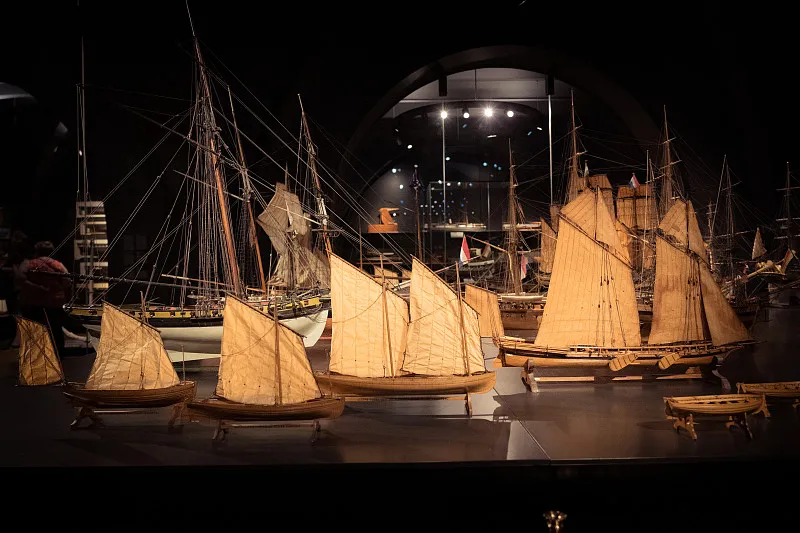
Maritime engineering has evolved dramatically over centuries, transforming from simple wooden sailing vessels to sophisticated steel giants capable of transporting thousands of containers across global trade routes. Custom model ships preserve this evolutionary journey by providing scaled representations that maintain architectural accuracy while showcasing the technological innovations that have revolutionized ocean transportation. These models serve educational purposes, design visualization tools, and artistic expressions of maritime heritage.
Creating custom model ships requires extraordinary attention to structural engineering principles that govern full-scale vessel construction. Model builders must understand how hull shapes affect stability, buoyancy, and hydrodynamic performance to accurately represent these characteristics in miniature form. The proportional relationships between different ship components, including superstructure placement, cargo hold dimensions, and deck equipment positioning, must be maintained with mathematical precision to ensure authentic representation of the original vessel's engineering specifications.
Professional model makers study original blueprints, construction drawings, and technical specifications to ensure their custom model ships reflect the precise engineering calculations used in actual shipbuilding. This attention to detail includes replicating the complex curves of hull forms, the strategic placement of reinforcing structures, and the integration of various mechanical systems that enable modern vessels to operate efficiently in challenging marine environments.
The materials used in constructing custom model ships must balance aesthetic appeal with structural integrity while maintaining appropriate scale relationships. High-quality wood, metals, and composite materials are carefully selected to represent the properties of full-scale construction materials while accommodating the unique challenges of miniature fabrication. Advanced modeling techniques incorporate laser cutting, precision machining, and 3D printing technologies to achieve the exacting tolerances required for authentic representation.
Scale considerations extend beyond simple dimensional reduction to include the complex physics of how different materials behave at various sizes. Custom model ships must account for the square-cube law and other scaling principles that affect structural performance, ensuring that the miniature version maintains visual and functional authenticity while remaining structurally sound as a display piece or operational model.
Modern maritime vessels employ sophisticated propulsion technologies, from traditional propeller systems to advanced azimuth thrusters and hybrid electric drives. Custom model ships showcase these technological innovations through detailed representations of engine rooms, propeller configurations, and auxiliary power systems. These models serve as educational tools that help viewers understand the complex mechanical systems that enable massive ships to navigate efficiently across ocean distances.
The representation of propulsion systems in custom model ships often includes functional elements such as rotating propellers, articulating thruster pods, and detailed engine compartments that demonstrate the engineering principles governing maritime propulsion. These features provide insight into the technological advancement that has enabled the development of increasingly efficient and environmentally responsible shipping solutions.
Contemporary vessels rely on sophisticated navigation and control technologies, including GPS systems, radar arrays, automatic identification systems, and integrated bridge management platforms. Custom model ships incorporate scaled representations of these technological components, including miniature radar dishes, communication antennas, and bridge equipment that demonstrate the complexity of modern maritime navigation systems.
The integration of navigation technology representations in custom model ships helps viewers appreciate the technological sophistication required for safe ocean navigation. These models often include detailed bridge layouts, control panels, and communication equipment that showcase the human-machine interface design principles that enable ship operators to manage complex vessels efficiently and safely in all weather conditions.
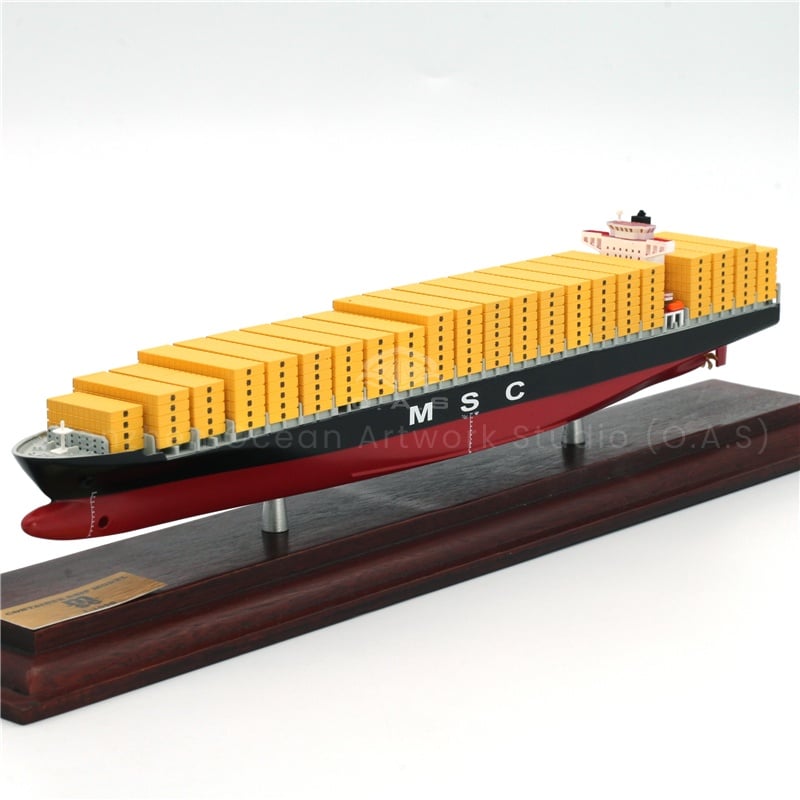
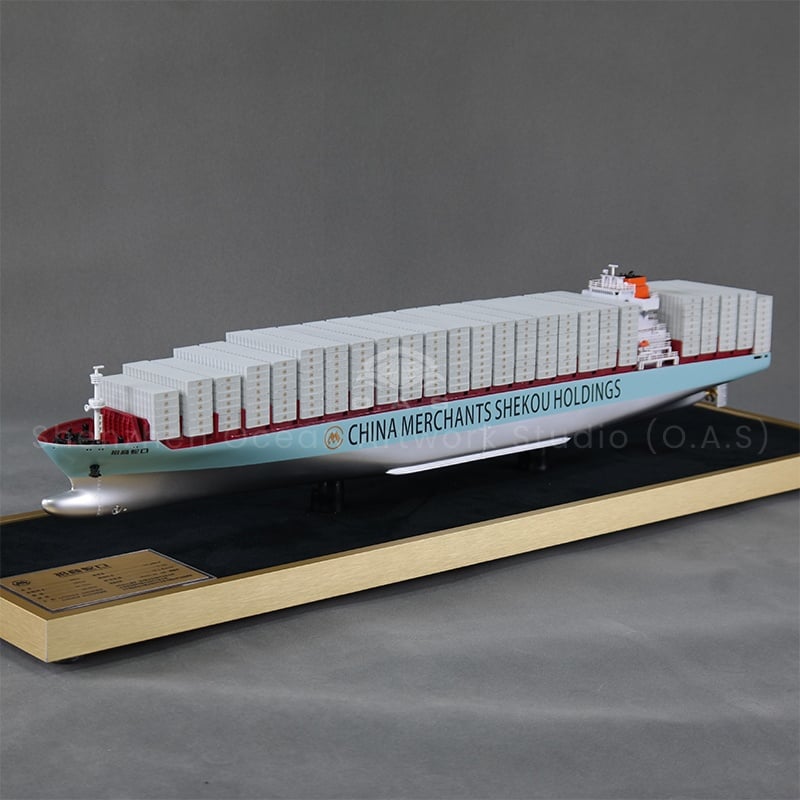
Container ships represent pinnacles of maritime engineering efficiency, designed to transport standardized shipping containers with maximum speed and reliability. Custom model ships of container vessels showcase the sophisticated cargo handling systems, including container guides, lashing points, and bay configurations that enable rapid loading and unloading operations in ports worldwide. These models demonstrate how engineering optimization has revolutionized global trade logistics.
The precise arrangement of container bays in custom model ships illustrates the complex three-dimensional puzzle that ship planners must solve to maximize cargo capacity while maintaining vessel stability and structural integrity. Model representations include detailed container stacking systems, access walkways, and safety equipment that highlight the engineering solutions developed to manage thousands of containers during ocean voyages.
Container ship hulls must withstand enormous structural stresses generated by heavy cargo loads and dynamic sea conditions. Custom model ships demonstrate these engineering solutions through accurate representations of hull reinforcement systems, container cell guides, and structural frameworks that distribute loads safely throughout the vessel. These models showcase the sophisticated finite element analysis and structural optimization techniques used in modern ship design.
The representation of structural engineering elements in container ship models includes detailed cross-sections showing internal framework systems, bulkhead arrangements, and reinforcing structures that enable these vessels to carry cargo loads exceeding 200,000 tons. Custom model ships provide visual insights into the engineering principles that govern large-scale structural design and the innovative solutions developed to optimize strength-to-weight ratios.
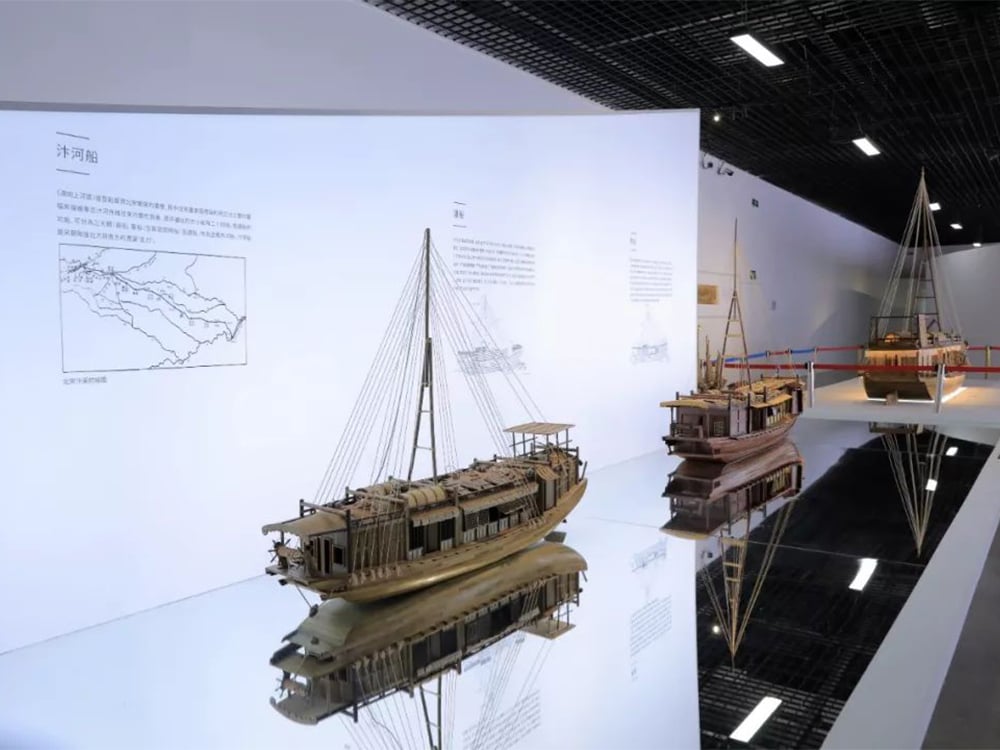
Custom model ships serve as historical archives that preserve traditional maritime engineering knowledge and craftsmanship techniques developed over centuries. These models document the evolution from wooden sailing ships to steel steamships to modern container vessels, showcasing how engineering principles and construction methods have advanced while maintaining fundamental design concepts that ensure seaworthiness and operational efficiency.
Historical accuracy in custom model ships requires extensive research into period-specific construction techniques, materials, and design philosophies. Model builders must understand traditional joinery methods, rigging systems, and hull construction approaches to create authentic representations that honor the engineering achievements of earlier maritime civilizations while demonstrating the continuous innovation that characterizes maritime engineering development.
Contemporary custom model ships integrate traditional craftsmanship with modern engineering analysis tools and construction technologies. Computer-aided design software, precision manufacturing equipment, and advanced materials science enable model builders to achieve unprecedented accuracy while maintaining the artistic qualities that make these models compelling display pieces and educational tools.
The fusion of traditional and modern approaches in custom model ships reflects the broader evolution of maritime engineering, where time-tested design principles are enhanced by contemporary technology to create increasingly efficient and capable vessels. These models demonstrate how engineering innovation builds upon historical knowledge while pushing the boundaries of what is possible in maritime transportation.
Educational institutions utilize custom model ships as powerful teaching tools that help students understand complex maritime engineering concepts through tangible, visual representations. These models enable hands-on learning experiences that complement theoretical coursework by providing physical examples of engineering principles in action. Students can examine hull shapes, propulsion systems, and structural arrangements to develop intuitive understanding of ship design and operation.
Professional development programs in maritime industries often incorporate custom model ships to demonstrate best practices, safety procedures, and operational techniques. These models serve as discussion focal points during training sessions, enabling experienced professionals to share knowledge and insights while providing visual references that enhance comprehension and retention of complex technical information.
Naval architects and marine engineers use custom model ships as design visualization tools that help stakeholders understand proposed vessel concepts before committing to full-scale construction. These models enable design teams to identify potential issues, optimize configurations, and communicate design intentions effectively to clients, regulatory agencies, and construction teams.
The planning phases of major maritime projects often benefit from detailed custom model ships that demonstrate operational concepts, maintenance access requirements, and integration challenges. These models facilitate collaborative design processes by providing common reference points that enable multidisciplinary teams to coordinate their efforts effectively and ensure successful project outcomes.
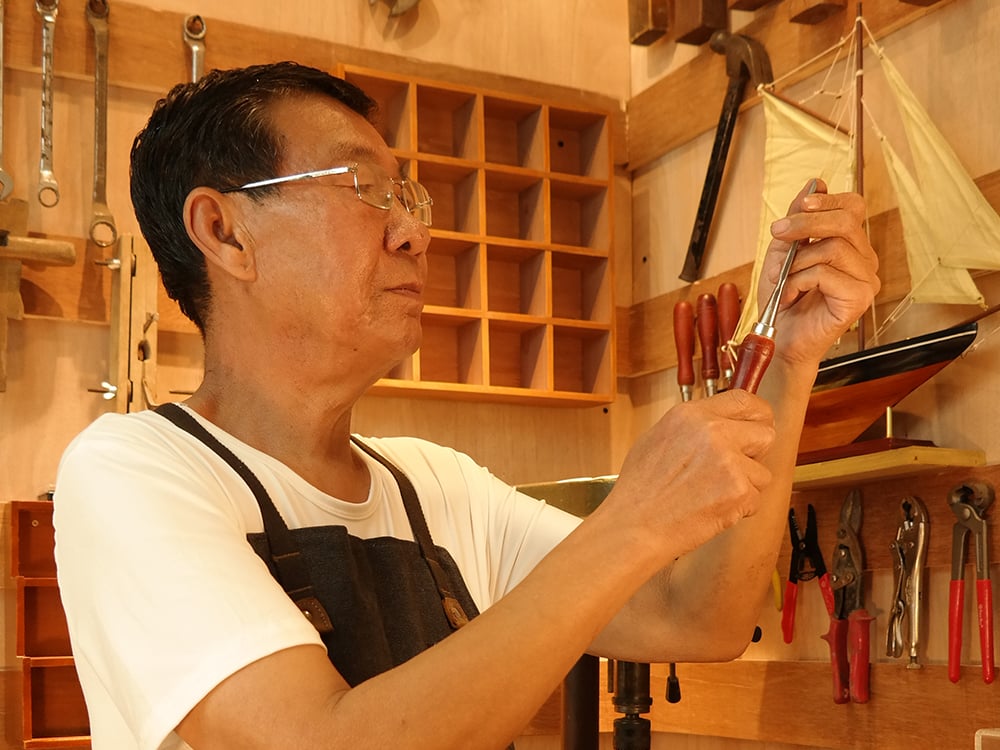
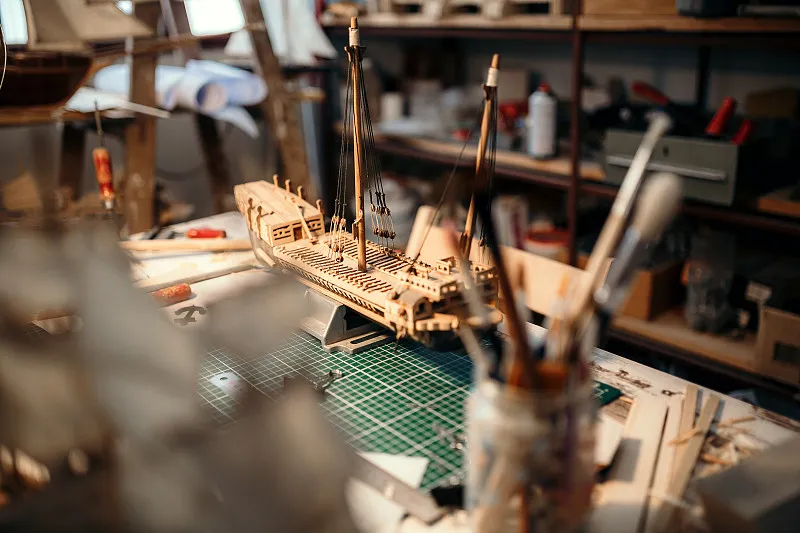
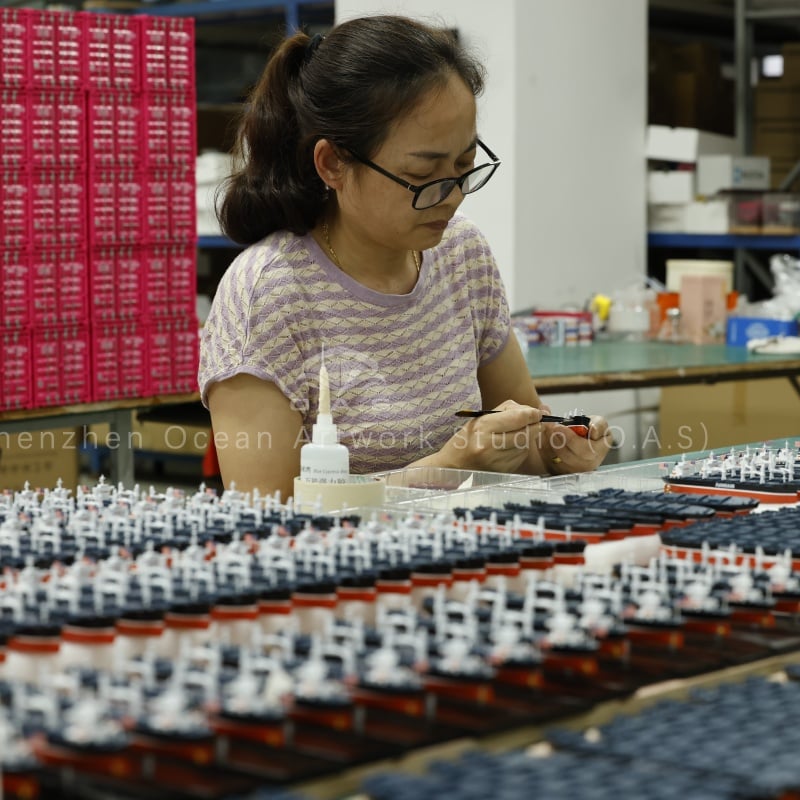
Premium custom model ships represent extraordinary achievements in precision craftsmanship, combining technical accuracy with artistic excellence to create display pieces that appeal to collectors, maritime professionals, and art enthusiasts. The finest examples demonstrate mastery of multiple craftsmanship disciplines, including woodworking, metalworking, painting, and rigging techniques that require years of specialized training to perfect.
Collector-grade custom model ships often incorporate hand-fabricated components, custom-mixed paints, and period-appropriate materials that ensure historical authenticity and visual appeal. These models represent significant investments of time and skill, with master craftsmen spending hundreds of hours perfecting details that may be barely visible but contribute to the overall accuracy and aesthetic impact of the finished piece.
High-quality custom model ships represent valuable investments that appreciate over time while preserving maritime heritage for future generations. These models document specific vessels, design concepts, and engineering achievements that might otherwise be forgotten as technology advances and older ships are retired or scrapped.
The investment value of custom model ships depends on factors including historical significance, craftsmanship quality, documentation completeness, and condition preservation. Serious collectors recognize that these models serve dual purposes as financial investments and cultural artifacts that contribute to maritime heritage preservation efforts worldwide.
Custom model ships achieve accuracy through extensive research using original blueprints, construction drawings, photographs, and technical specifications from the actual vessels. Master model builders study hull lines, structural details, equipment placement, and paint schemes to ensure their miniature reproductions maintain precise proportional relationships and authentic visual characteristics. Advanced measurement techniques and scaling calculations ensure dimensional accuracy while specialized materials and construction methods replicate the appearance and structural properties of full-scale ship components.
Custom model ships serve as three-dimensional textbooks that illustrate complex maritime engineering concepts through visual representation and scaled detail. These models demonstrate hull form optimization for stability and efficiency, structural engineering solutions for strength and weight distribution, propulsion system integration, cargo handling mechanisms, and safety equipment placement. By maintaining accurate proportional relationships and technical details, custom model ships enable viewers to understand how engineering principles translate from theoretical concepts to practical maritime applications.
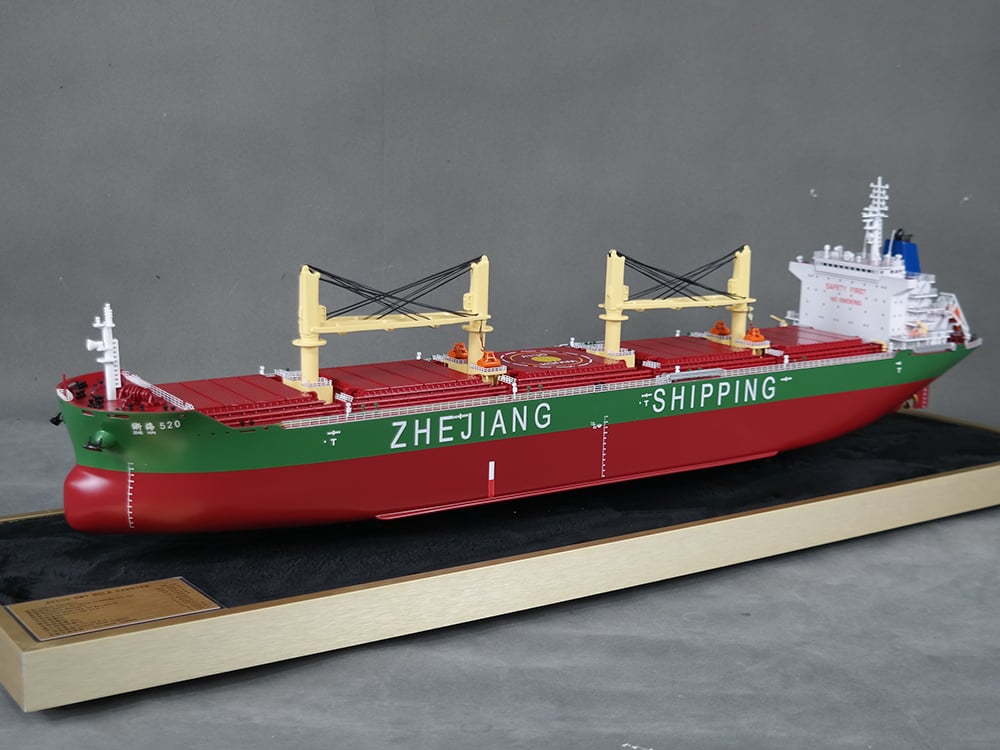
Professional custom model ships can achieve extraordinary levels of detail, including functional components, interior layouts, machinery spaces, and operational equipment. Advanced models may incorporate working propellers, detailed engine rooms, scaled containers, operational cranes, and accurately reproduced bridge equipment. The finest examples include hand-fabricated components measuring mere millimeters, custom-mixed paints matching original vessel colors, and rigging systems that replicate the exact specifications of full-scale ships. Modern manufacturing technologies enable precision that was impossible with traditional hand-crafting methods alone.
The time required to complete custom model ships varies dramatically based on size, complexity, detail level, and construction methods. Simple models may require several weeks, while museum-quality reproductions of large vessels can take many months or even years to complete. Complex container ship models with detailed superstructures, operational features, and extensive rigging systems typically require 200-500 hours of skilled craftwork. Factors affecting completion time include research requirements, custom component fabrication, painting and finishing work, and quality control processes that ensure accuracy and durability.
 Hot News
2024-06-11
2024-06-07
2024-06-01
2024-06-01
2024-06-01
2024-05-25
Shenzhen Ocean Artwork Studio (O.A.S) Technology Co., Ltd. is a leading ship model manufacturer with over 15 years of experience. We specialize in designing and producing civil, military, and engineering ship models, working with top global shipping brands such as MAERSK, COSCO, and EVERGREEN.