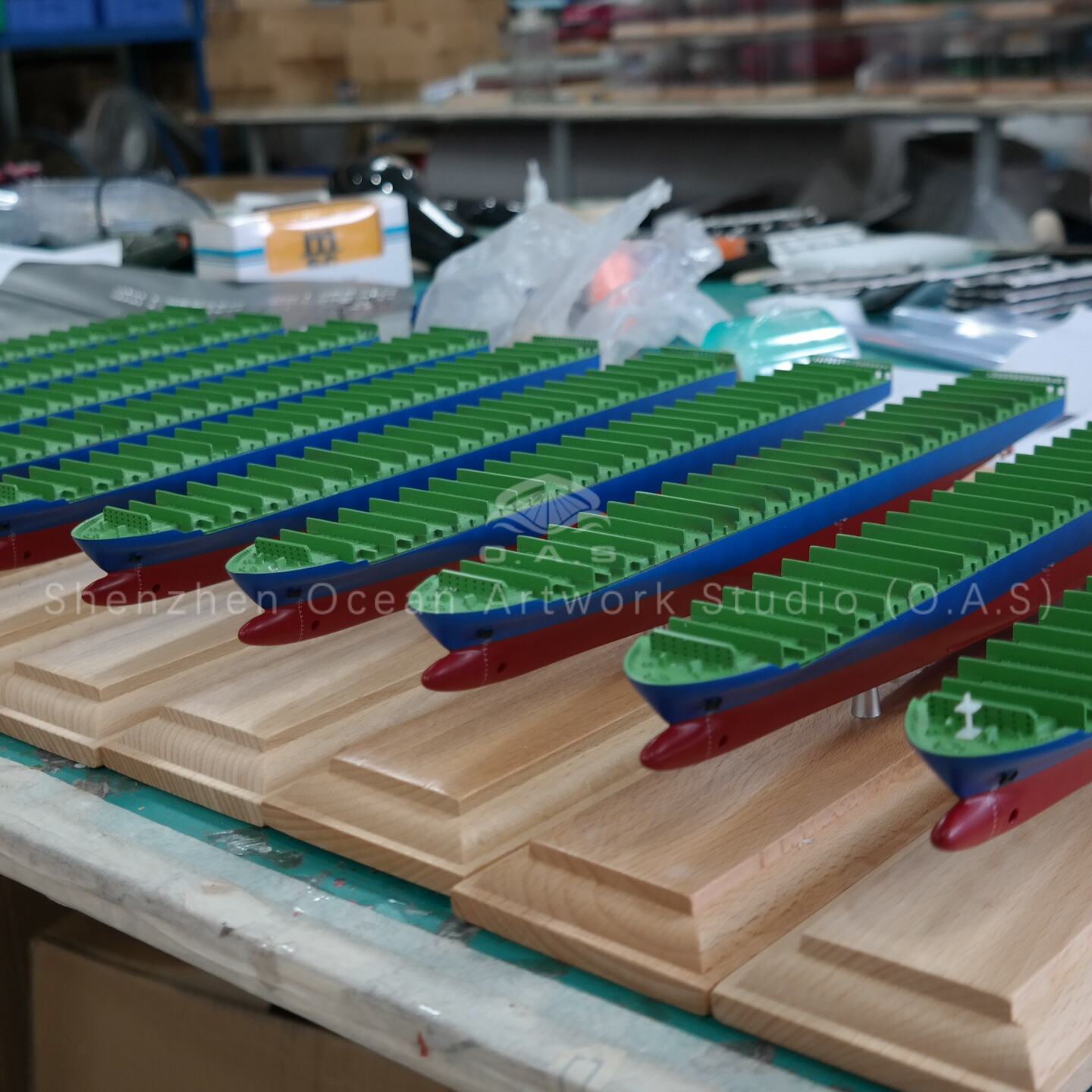
Realistisk skala og detaljering i byggeriet
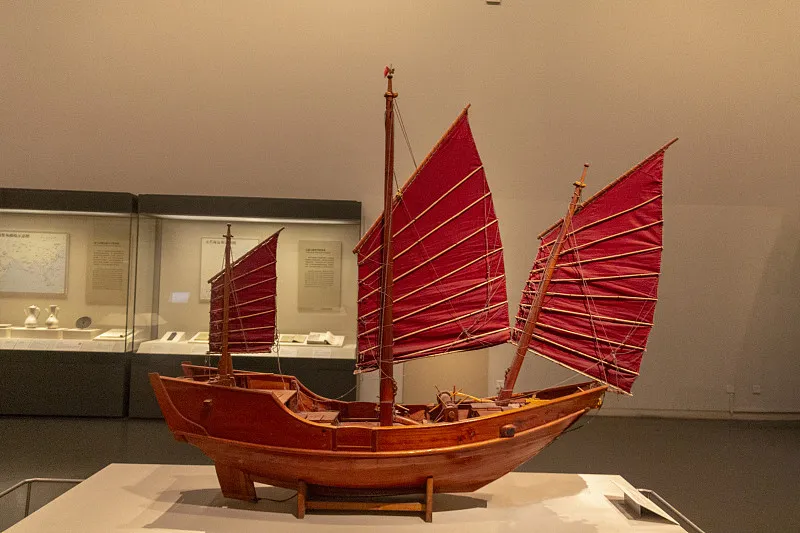
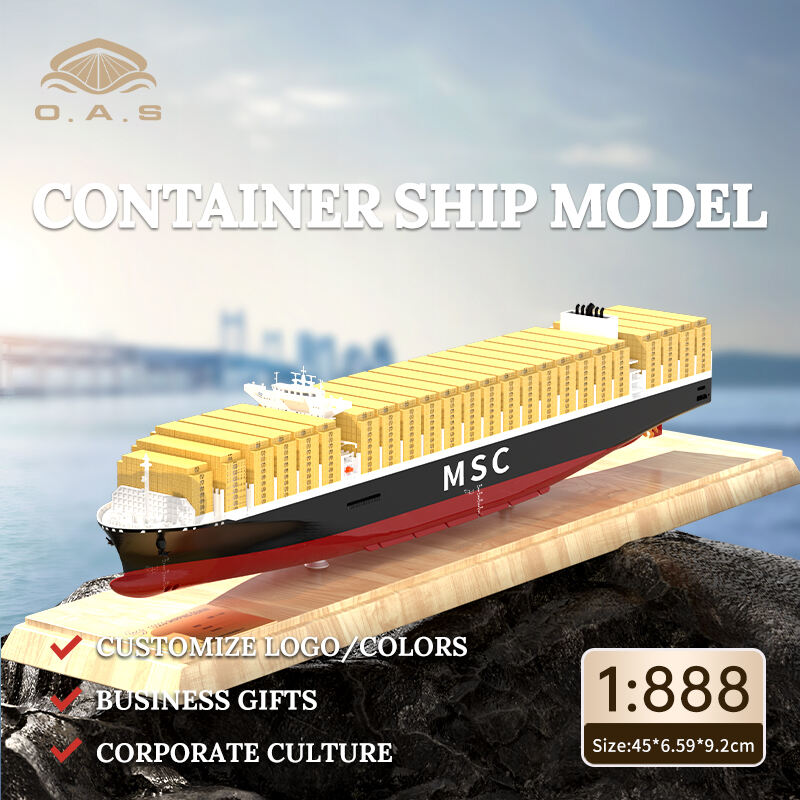
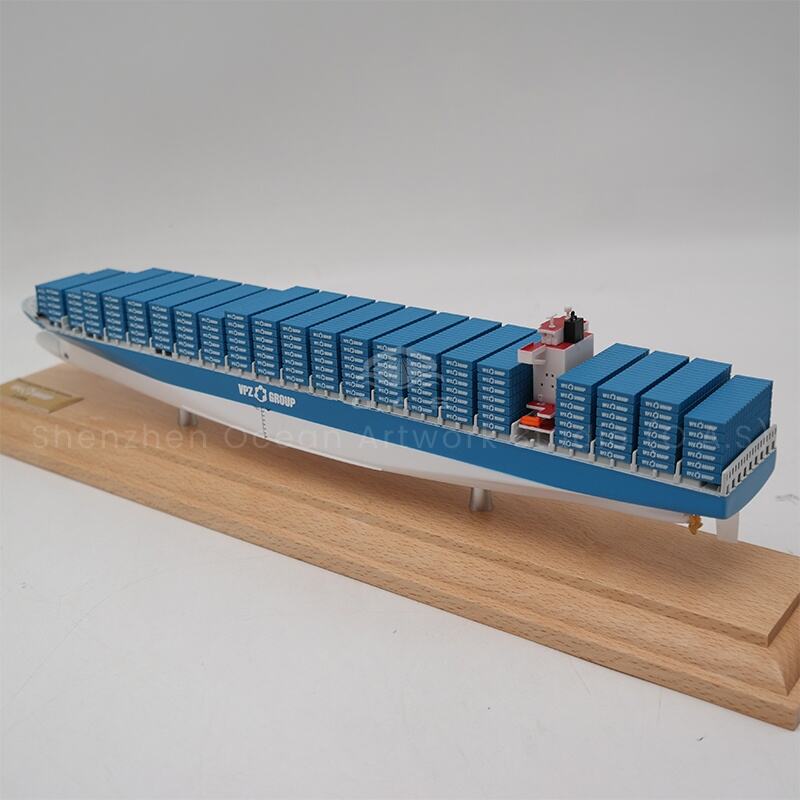
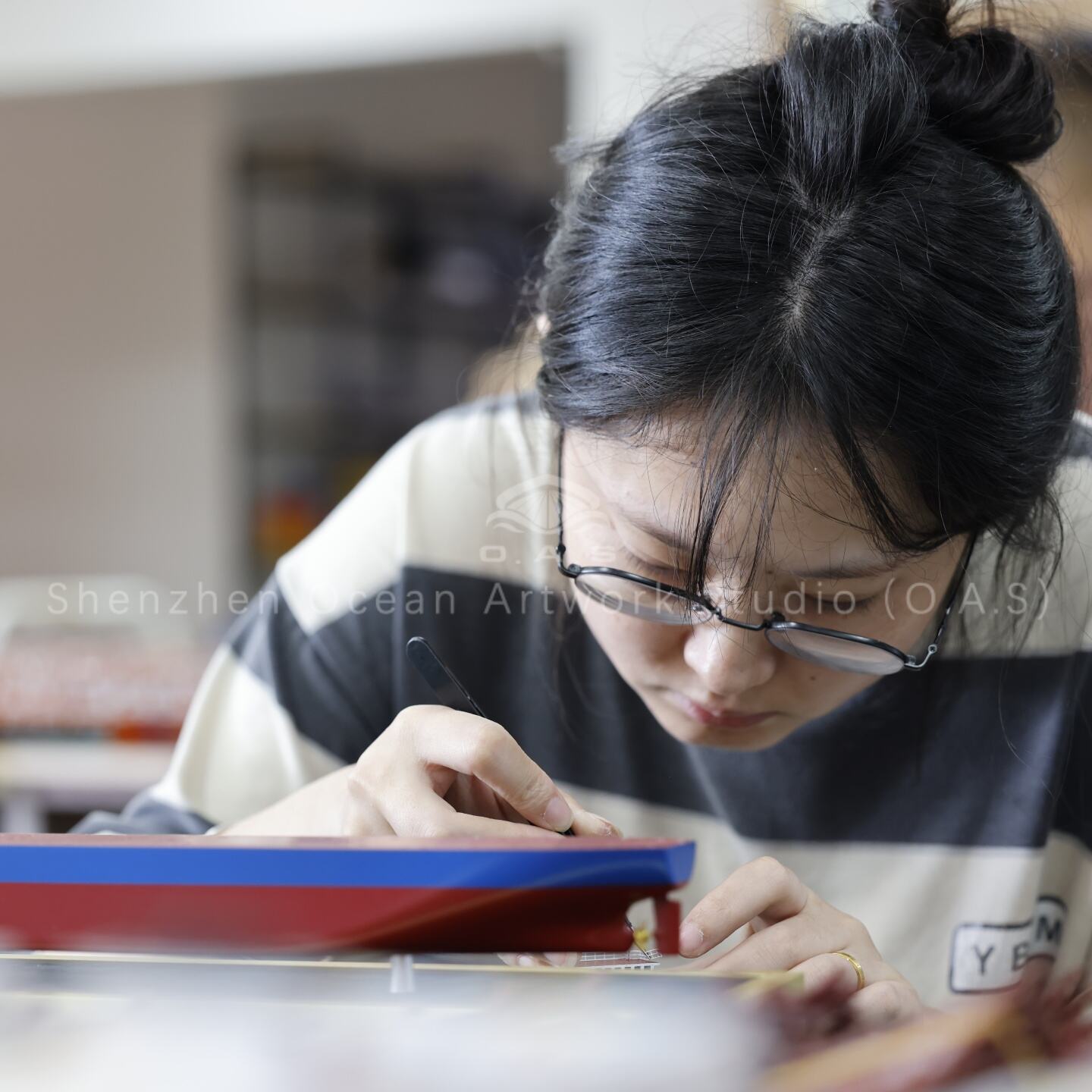
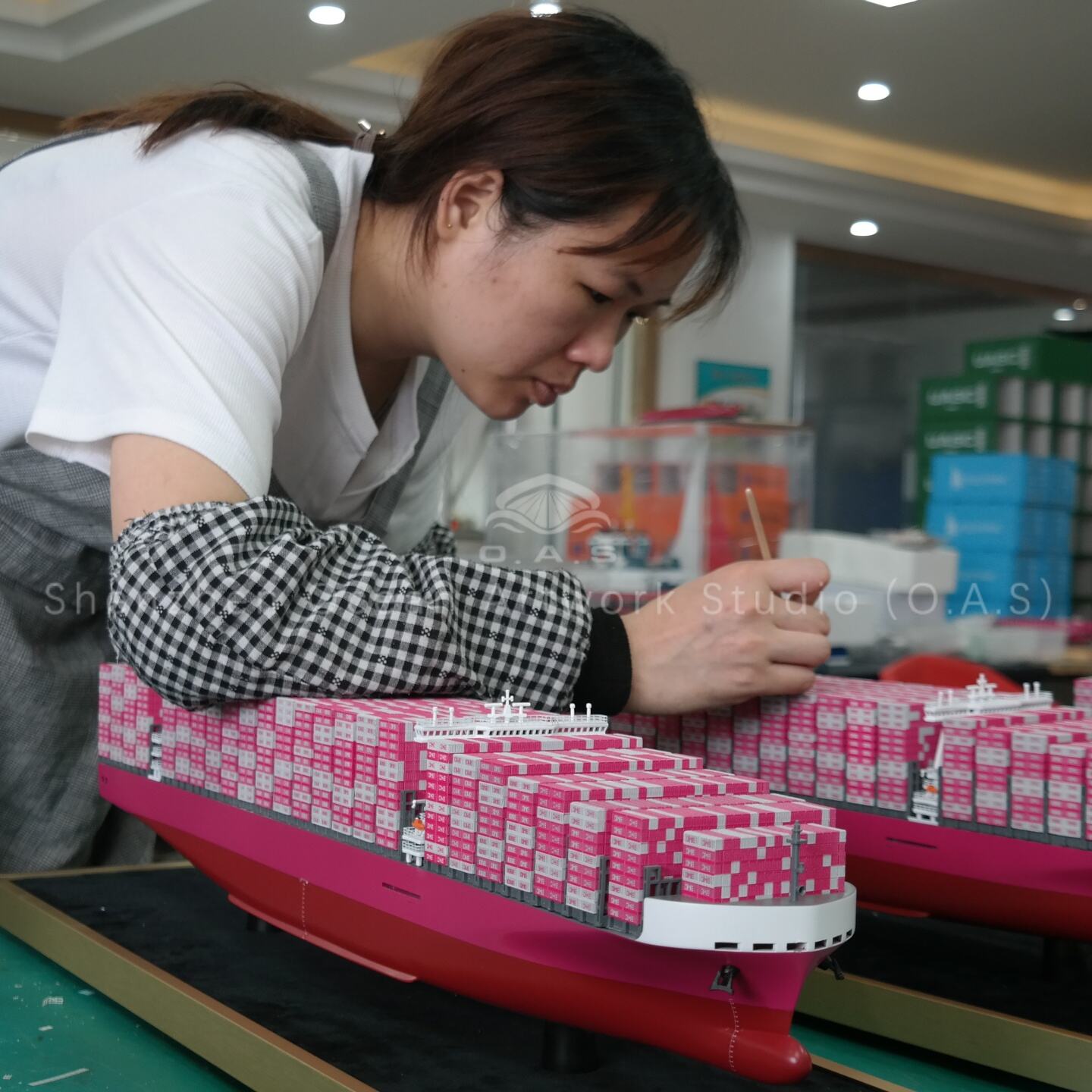
Det fungerende skibsmodel demonstrerer en ekstraordinær omtanke for realistisk målestokkonstruktion, der gengiver alle væsentlige detaljer for fuldskala søfartøjer med bemærkelsesværdig præcision og autenticitet. Professionelle producenter anvender avancerede materialer, herunder marinplast, korrosionsbestandige metaller og specialkompositter, som sikrer holdbarhed samtidig med at de nøjagtige målestoksforhold bevares gennem hele skibets konstruktion. Skrogets design inkorporerer ægte hydrodynamiske principper, der muliggør, at det fungerende skibsmodel udviser realistiske opdriftsegenskaber, stabilitetsperformance og vandforlængelsesmønstre, der afspejler adfærd hos fuldskala fartøjer. Detaljerede overbygningsdele omfatter nøjagtigt skalerede brokomponenter, kommunikationsudstyr, dæksmaskineri og sikkerhedsudstyr, der forbedrer modellens pædagogiske værdi og visuelle tiltrækning. Malingsskemaer og finish-teknikker benytter søvejs-egnede farver og weathering-effekter, der skaber autentiske udseender, som matcher specifikke skibstyper eller historiske søfartøjer. Det fungerende skibsmodel har funktionelt dæksudstyr, herunder miniaturet vinsjer, kranmekanismer, ankersystemer og lasthåndteringsudstyr, som fungerer via mekaniske eller elektroniske styresystemer. Indre kompartimenter viser detaljerede layout inklusive broindretning, maskinrumopsætning og besætningslogering, der giver en omfattende indsigt i skibsoperationer og maritime ingeniørprincipper. Belysningssystemer anvender LED-teknologi til at genskabe ægte skibsbelysning, herunder navigationslys, dæksbelysning og belysning i indre rum, hvilket forbedrer evnen til drift om natten. Opmærksomheden på målestoksrigtighed rækker også til fremdrivningssystemer, hvor fungerende skibsmodeledesign inkluderer realistiske propellerkonfigurationer, rorsystemer og thruster-opstillinger, der demonstrerer faktiske manøvreringsprincipper for skibe. Kvalitetskonstruktionsteknikker sikrer strukturel integritet, der tåler gentagne operationer i vand, samtidig med at præcise målestoksforhold bevares mellem alle skibskomponenter. Avancerede fungerende skibsmodeledesign omfatter afløselige sektioner, der tillader detaljeret undersøgelse af interne systemer, hvilket gør dem uvurderlige som pædagogiske værktøjer til undervisning i maritim teknik. Den realistiske byggekvalitet gør disse modeller egnede til professionelle præsentationer, hvor autentisk udseende og funktionalitet skaber overbevisende demonstrationer for kunder, studerende eller udstillingspublikum.
 EN
EN