self-unloading bulk carrier model
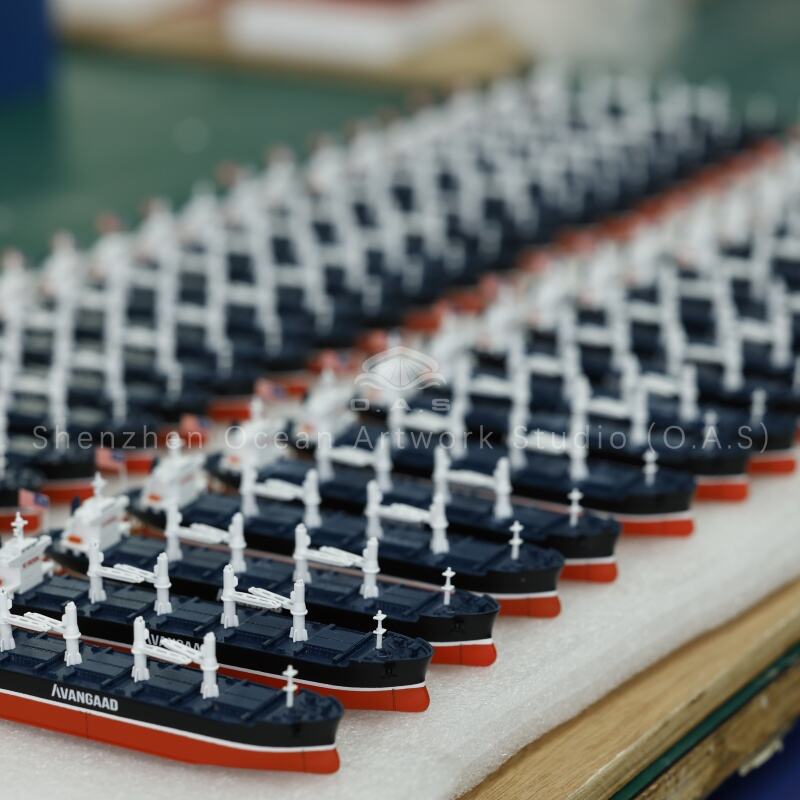
The self-unloading bulk carrier model represents a revolutionary advancement in maritime cargo transportation, designed specifically to handle dry bulk commodities with unprecedented efficiency and autonomy. This innovative vessel design integrates sophisticated mechanical systems that enable ships to discharge their cargo without relying on port infrastructure or external equipment. The self-unloading bulk carrier model features specialized conveyor systems, hoppers, and boom assemblies that work in perfect coordination to transfer materials from ship holds directly to shore facilities or barges. These vessels typically incorporate belt conveyors running along the vessel's length, connecting to a pivoting boom that can extend over considerable distances to reach designated discharge points. The technological architecture of the self-unloading bulk carrier model includes multiple cargo holds equipped with bottom gates that feed materials onto the conveyor system. Advanced hydraulic systems control the boom positioning and conveyor belt speeds, ensuring precise material handling throughout the discharge process. The model accommodates various bulk commodities including coal, iron ore, limestone, grain, salt, and aggregates, making it versatile for diverse maritime trade applications. Modern self-unloading bulk carrier models incorporate computerized control systems that monitor discharge rates, material flow, and equipment performance in real-time. Environmental considerations have driven recent innovations in dust suppression systems and enclosed conveyor designs that minimize environmental impact during cargo operations. The vessel's structural design must account for the additional weight and dynamic forces generated by the self-unloading equipment while maintaining optimal stability and seaworthiness. These ships typically range from smaller coastal vessels to large ocean-going carriers capable of transporting over 80,000 tons of bulk materials across international waters.
 EN
EN