Versatile Educational and Display Applications
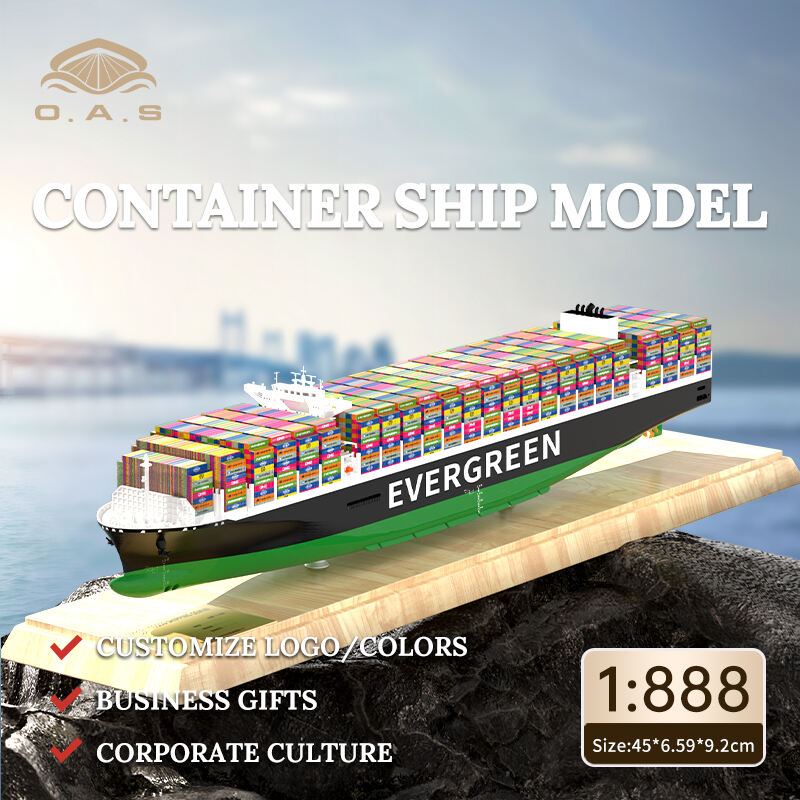
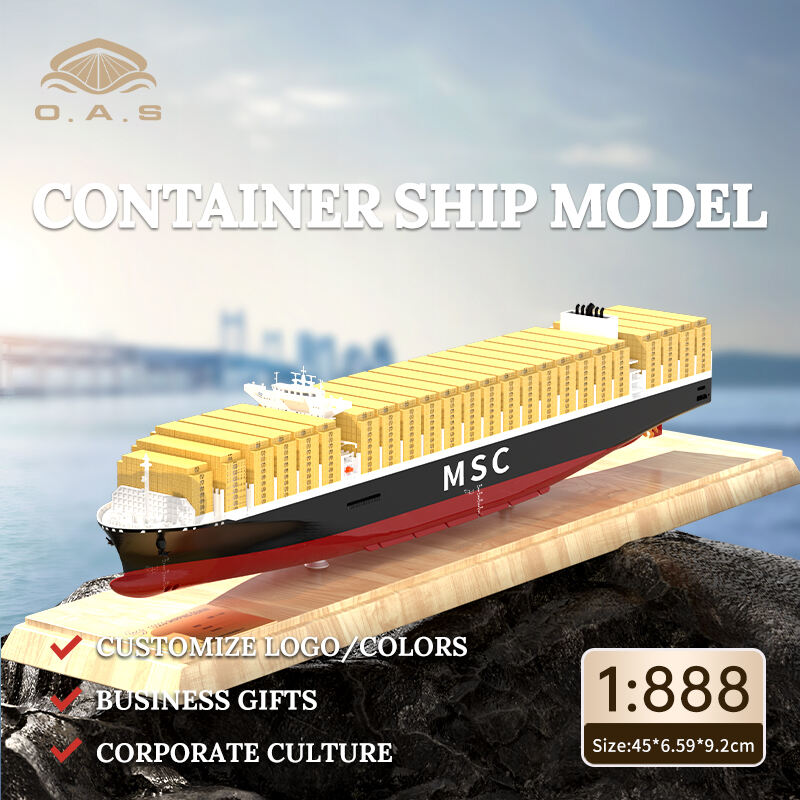
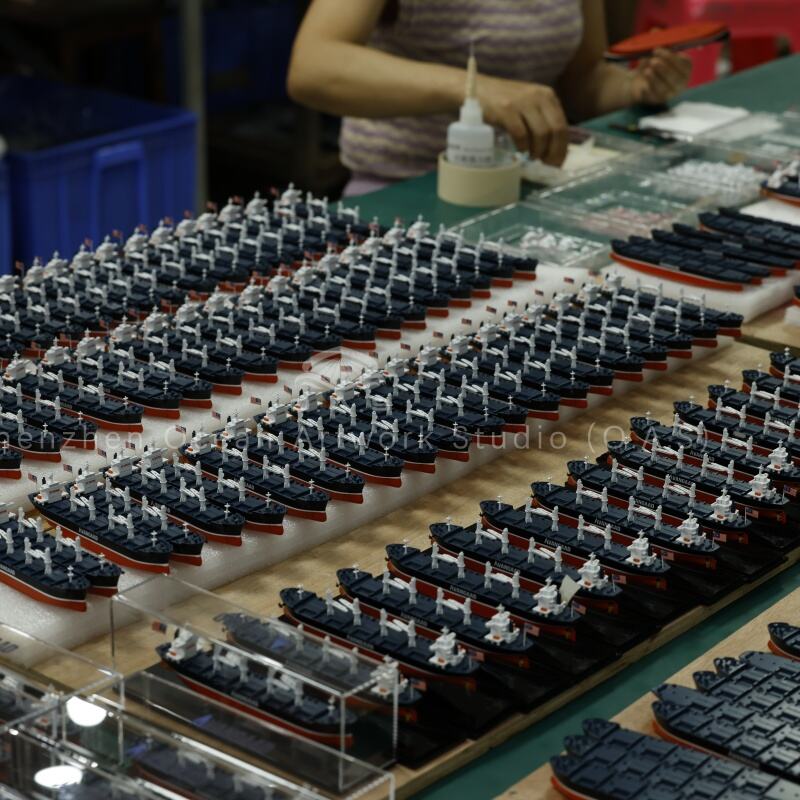
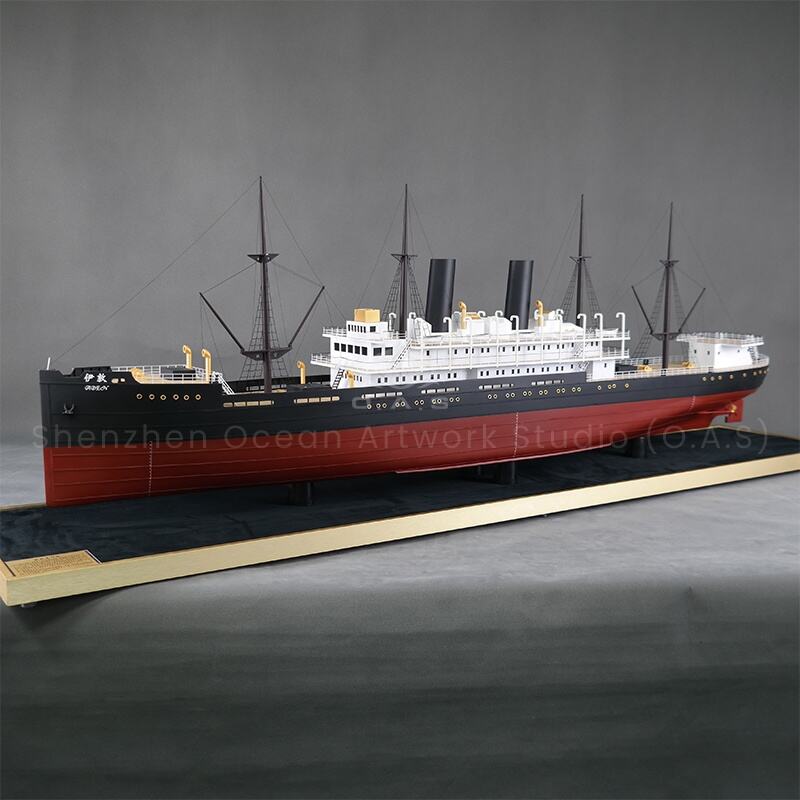
The exhibition ship model excels as a versatile educational tool that transforms learning experiences across multiple environments and applications. In academic settings, these models serve as three-dimensional textbooks that allow students to explore maritime history, naval architecture, and engineering principles through direct observation and interaction. The tactile nature of the exhibition ship model engages multiple learning styles, helping visual, kinesthetic, and auditory learners grasp complex concepts about ship design, navigation, and maritime culture. Teachers utilize these models to demonstrate historical events, trade routes, and technological evolution in ways that static images or digital presentations cannot achieve. The exhibition ship model facilitates comparative studies, allowing students to examine differences between sailing vessels and modern ships, or to understand how naval warfare evolved over centuries. Museum curators appreciate the flexibility these models provide in creating engaging exhibits that complement larger displays and artifacts. The exhibition ship model can anchor thematic exhibitions about exploration, commerce, or naval history while providing visitors with detailed views of vessel construction that would be impossible with full-size ships. Corporate training programs benefit from exhibition ship models when teaching maritime industry professionals about vessel operations, safety procedures, or historical context of their work. The models serve as reference tools for discussions about modern ship design improvements or regulatory changes. Interior designers and architects incorporate exhibition ship models into maritime-themed spaces, restaurants, hotels, and offices where nautical ambiance enhances the environment. The exhibition ship model adapts to various display formats, from desktop presentations in private offices to centerpiece installations in museum galleries. Lighting options can be integrated to highlight specific features or create dramatic effects that enhance viewer engagement. The educational value extends to family settings, where exhibition ship models spark curiosity about maritime adventure and historical exploration among children and adults. These models encourage intergenerational conversations about maritime heritage and family nautical connections, creating lasting memories and educational opportunities that extend far beyond their initial viewing.
 EN
EN