Educational Ship Model - Interactive STEM Learning Tools for Maritime Education

Get a Free Quote

Our representative will contact you soon.
Email
Name
Company Name
WhatsApp
Message
0/1000

educational ship model

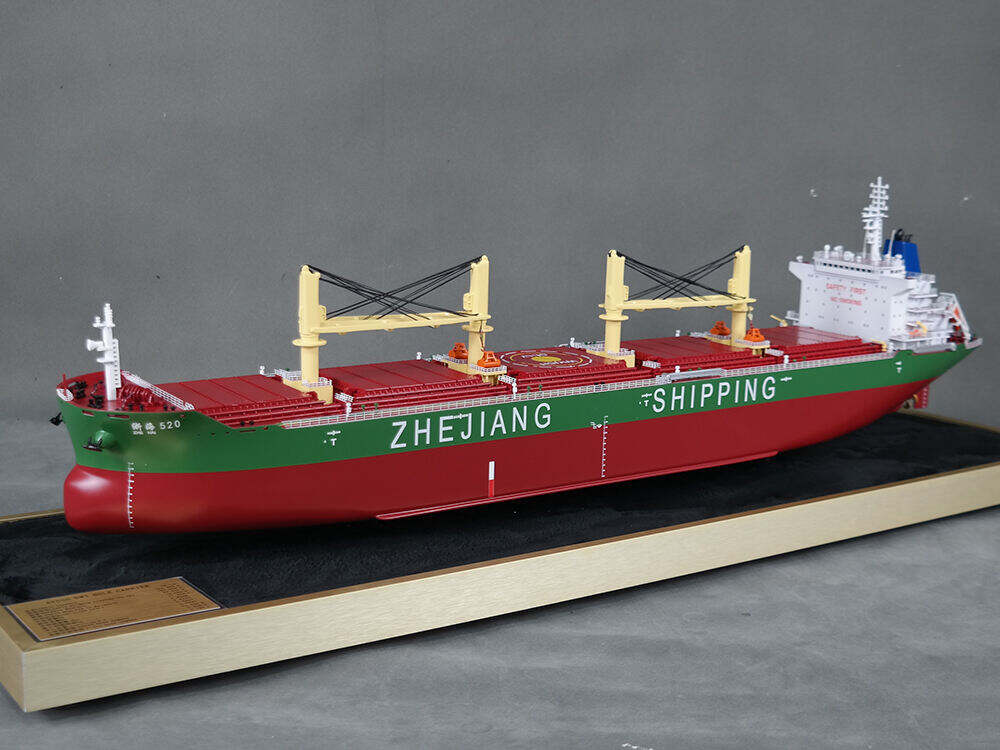
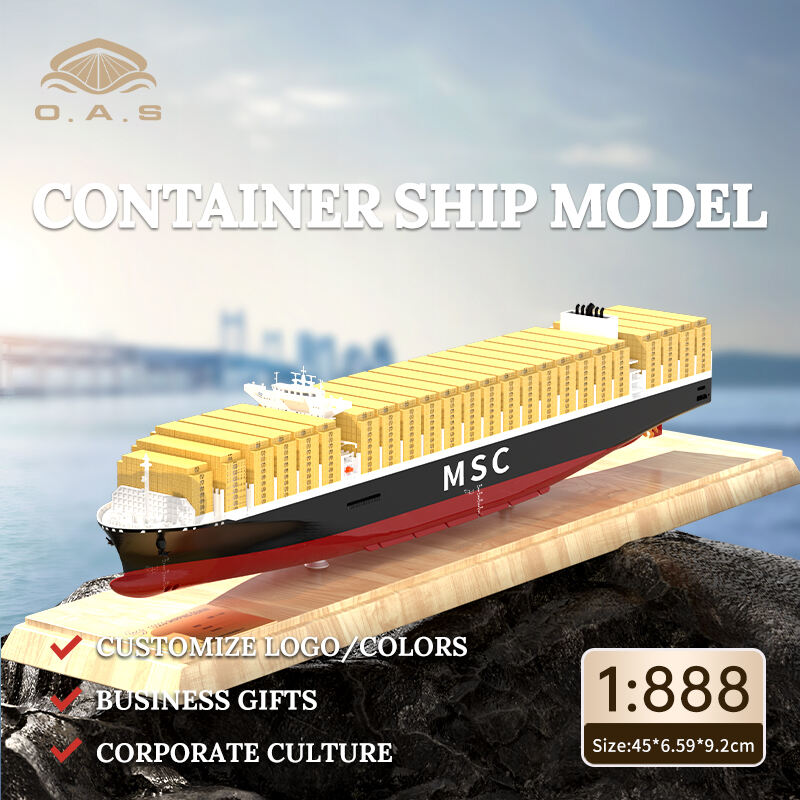
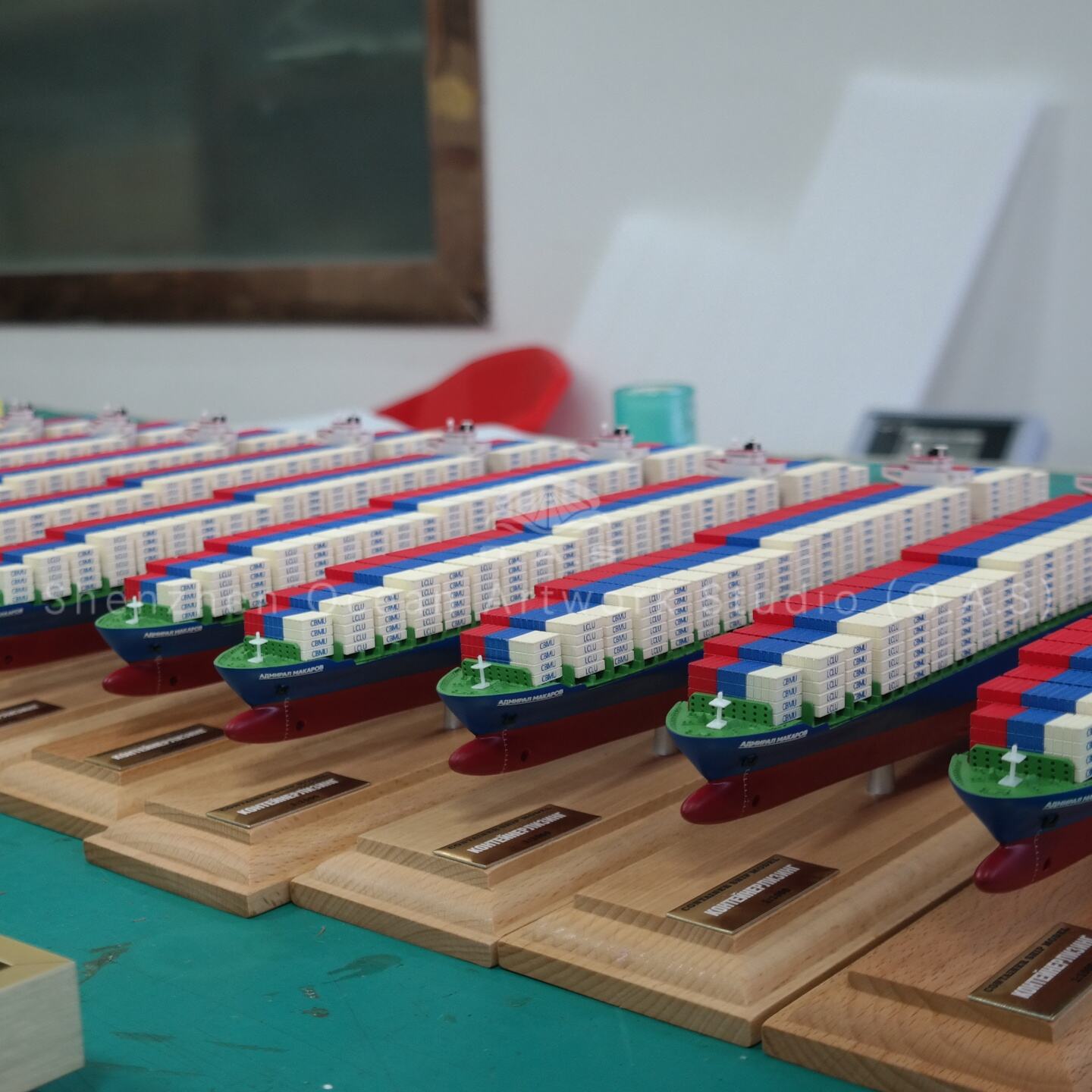
The educational ship model represents a revolutionary approach to maritime learning, combining traditional craftsmanship with modern pedagogical techniques. These sophisticated learning tools serve as comprehensive platforms for understanding naval architecture, marine engineering, and maritime history. The educational ship model integrates cutting-edge technology with hands-on construction methods, creating an immersive experience that bridges theoretical knowledge and practical application. These models feature detailed hull designs, accurate rigging systems, and functional components that mirror real vessels. The technological framework incorporates interactive elements such as digital displays, sensor systems, and modular components that allow students to explore various aspects of ship construction and operation. Advanced educational ship model systems include computer-aided design integration, enabling learners to visualize structural changes and understand engineering principles in real-time. The models serve multiple educational purposes across different academic levels, from elementary STEM programs to advanced maritime engineering courses. These learning platforms facilitate collaborative projects, encouraging teamwork while developing technical skills and historical awareness. The educational ship model applications extend beyond traditional classrooms into museums, maritime academies, and vocational training centers. Each model incorporates authentic materials and construction techniques, providing tactile learning experiences that enhance retention and understanding. The comprehensive design includes detailed instruction manuals, educational resources, and progressive skill-building exercises. These models support various learning styles through visual, kinesthetic, and analytical approaches. The educational ship model ecosystem promotes critical thinking by challenging students to solve real-world maritime engineering problems. Advanced versions feature removable sections, allowing detailed examination of internal structures and systems. The integration of historical context enriches the learning experience, connecting students with maritime heritage while developing modern technical competencies.

Popular Products

The educational ship model delivers exceptional value through its multifaceted approach to maritime education, offering distinct advantages that transform traditional learning methodologies. Students gain hands-on experience with authentic construction techniques, developing fine motor skills and spatial reasoning abilities that prove invaluable across multiple disciplines. The educational ship model enhances problem-solving capabilities by presenting real engineering challenges in an accessible format, encouraging creative solutions and innovative thinking patterns. These models accelerate comprehension of complex maritime concepts through visual and tactile engagement, making abstract principles tangible and memorable. The collaborative nature of educational ship model projects fosters teamwork skills while building communication abilities essential for professional success. Students develop patience and attention to detail through the meticulous assembly process, cultivating qualities that benefit academic and career pursuits. The educational ship model bridges historical and contemporary learning, connecting students with maritime heritage while introducing modern engineering concepts. These tools accommodate diverse learning styles, ensuring that visual, auditory, and kinesthetic learners all benefit from the comprehensive educational experience. Teachers appreciate the versatility of the educational ship model, as it supports curriculum objectives across science, technology, engineering, mathematics, and social studies subjects. The models provide measurable learning outcomes through progressive skill development and project-based assessments. Students gain confidence through successful completion of challenging tasks, building self-esteem and encouraging further exploration of STEM subjects. The educational ship model creates lasting impressions that inspire career interests in maritime industries, engineering fields, and related technical disciplines. These learning tools offer cost-effective solutions for schools seeking engaging STEM resources that deliver long-term educational value. The durability of well-constructed educational ship models ensures years of classroom use, maximizing institutional investment while providing consistent learning opportunities. The models facilitate parent-child bonding when used in home education settings, creating shared learning experiences that strengthen family relationships while advancing educational goals.

Tips And Tricks

Ship model, is inherited, but also carry forward

18

Jul

Ship model, is inherited, but also carry forward

Discover how ship models preserve centuries of maritime culture and boatbuilding heritage. Learn about their historical significance and modern craftsmanship. Explore the legacy today.
View More
 Boost Your Collection With Uniquely Built Ship Models

22

Jul

Boost Your Collection With Uniquely Built Ship Models

Discover the artistry and history behind unique ship models. Explore how these detailed replicas enhance collections, inspire learning, and celebrate maritime heritage.
View More
Changing Truck Models: Older Trends To Modern Trends

29

Jul

Changing Truck Models: Older Trends To Modern Trends

Explore how truck models have evolved from simple classics to intricate modern replicas. Discover the impact of technology, design, and collector demand on this transformation. Learn more now.
View More
Understanding The Different Types Of Ship Models

28

Jul

Understanding The Different Types Of Ship Models

Explore historical and modern ship models, from ancient triremes to cargo ships. Discover how these models educate, inspire, and enhance decor. Learn more at OAS.
View More

Get a Free Quote

Our representative will contact you soon.
Email
Name
Company Name
WhatsApp
Message
0/1000

educational ship model

Interactive STEM Learning Platform

Interactive STEM Learning Platform

The educational ship model serves as a comprehensive STEM learning platform that seamlessly integrates science, technology, engineering, and mathematics concepts into engaging, hands-on activities. This innovative approach transforms abstract theoretical concepts into tangible learning experiences that students can touch, manipulate, and understand through direct interaction. The educational ship model incorporates authentic engineering principles, teaching students about buoyancy, stability, structural integrity, and materials science through practical application. Students learn mathematical concepts including geometry, measurement, scale relationships, and proportional reasoning as they work with detailed blueprints and construction specifications. The technological components of the educational ship model introduce students to computer-aided design principles, sensor applications, and digital measurement techniques that mirror real-world engineering practices. The scientific foundation encompasses physics concepts such as displacement, center of gravity, and hydrodynamics, making complex principles accessible through visual demonstration and experimentation. Engineering design processes become clear as students navigate challenges related to structural design, material selection, and functional optimization. The educational ship model encourages systematic thinking and methodical problem-solving approaches that benefit students across all academic subjects. Teachers can easily integrate these models into existing curricula, using them to reinforce lessons in multiple subjects while maintaining student engagement through active participation. The interdisciplinary nature of the educational ship model helps students understand connections between different academic areas, promoting holistic learning and knowledge retention. Assessment opportunities abound as students demonstrate understanding through project completion, technical explanations, and collaborative problem-solving activities. The educational ship model provides foundation skills for students considering careers in marine engineering, naval architecture, industrial design, or related technical fields.

Historical and Cultural Education

Historical and Cultural Education

The educational ship model serves as a powerful vehicle for exploring maritime history and cultural heritage, connecting students with centuries of naval tradition and technological evolution. These detailed replicas represent significant historical vessels, from ancient trading ships to modern naval vessels, providing authentic context for understanding human maritime achievements. Students develop appreciation for historical craftsmanship while learning about the social, economic, and political factors that influenced ship design and construction throughout different eras. The educational ship model brings history to life by allowing students to examine specific historical periods through the lens of technological advancement and cultural expression. Construction techniques used in these models mirror traditional shipbuilding methods, giving students direct experience with historical craftsmanship and an understanding of the skills required by maritime artisans. The educational ship model facilitates cross-cultural learning by featuring vessels from different civilizations, helping students understand how geography, available materials, and cultural needs influenced ship design across various societies. Research skills develop naturally as students investigate the historical significance of their chosen vessel, learning to use primary sources, historical documents, and archaeological evidence to inform their understanding. The educational ship model connects local maritime history with global patterns, helping students understand how their communities fit into broader historical narratives. These projects encourage appreciation for cultural diversity and technological innovation, showing how different societies developed unique solutions to maritime challenges. Students gain perspective on historical progress by comparing ancient techniques with modern methods, understanding how accumulated knowledge drives technological advancement. The educational ship model supports interdisciplinary learning by integrating history, geography, economics, and social studies concepts into engaging project-based activities. Museums and cultural institutions often partner with schools using educational ship models, providing additional resources and expertise that enhance the learning experience.
Collaborative Project Management Skills

Collaborative Project Management Skills

The educational ship model excels as a platform for developing essential project management and collaborative skills that prepare students for success in academic and professional environments. These complex construction projects require careful planning, resource allocation, timeline management, and coordinated teamwork that mirrors real-world project requirements. Students learn to divide complex tasks into manageable components, assign responsibilities based on individual strengths, and coordinate activities to achieve common objectives. The educational ship model teaches communication skills as team members must share information, provide updates, and resolve conflicts constructively throughout the construction process. Leadership opportunities emerge naturally as students take responsibility for different project phases, developing confidence and decision-making abilities that serve them throughout their academic and professional careers. Quality control becomes an essential skill as students learn to evaluate work standards, identify areas for improvement, and implement corrective measures to ensure project success. The educational ship model requires students to manage resources efficiently, understanding how material limitations and budget constraints affect project outcomes and decision-making processes. Time management skills develop through deadline management and milestone achievement, teaching students to balance competing priorities and maintain steady progress toward project completion. Documentation practices become important as students maintain project logs, record decisions, and track progress through various construction phases. The educational ship model provides opportunities for peer teaching and mentoring, as more experienced students guide newcomers through challenging techniques and procedures. Problem-solving skills advance as teams encounter unexpected challenges and must develop creative solutions collaboratively. Students learn to give and receive constructive feedback, developing interpersonal skills essential for professional success. The educational ship model creates opportunities for students to experience different roles within project teams, helping them understand their preferred working styles and collaboration preferences. These transferable skills benefit students in all academic subjects and prepare them for leadership roles in their chosen careers.
Get a Quote Get a Quote

Get a Free Quote

Our representative will contact you soon.
Email
Name
Company Name
WhatsApp
Message
0/1000