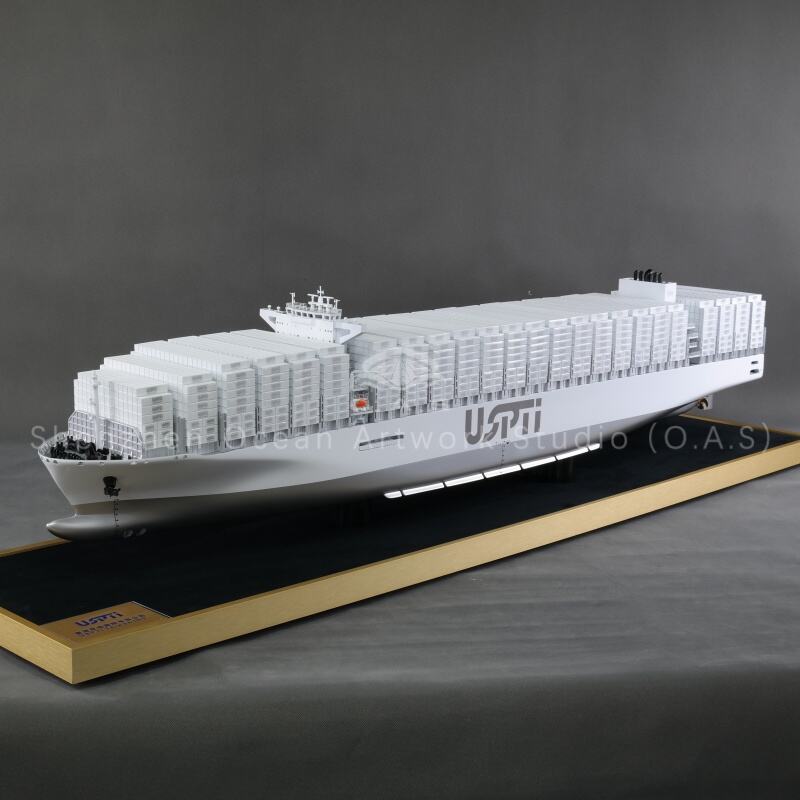
Exceptional Educational Value and Training Applications
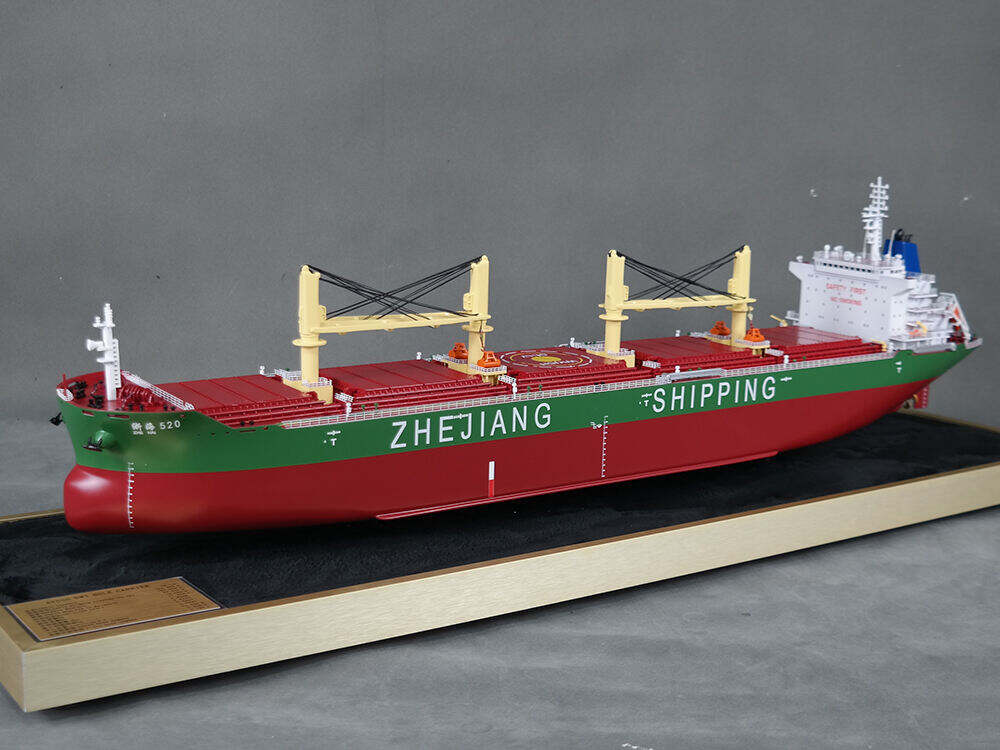
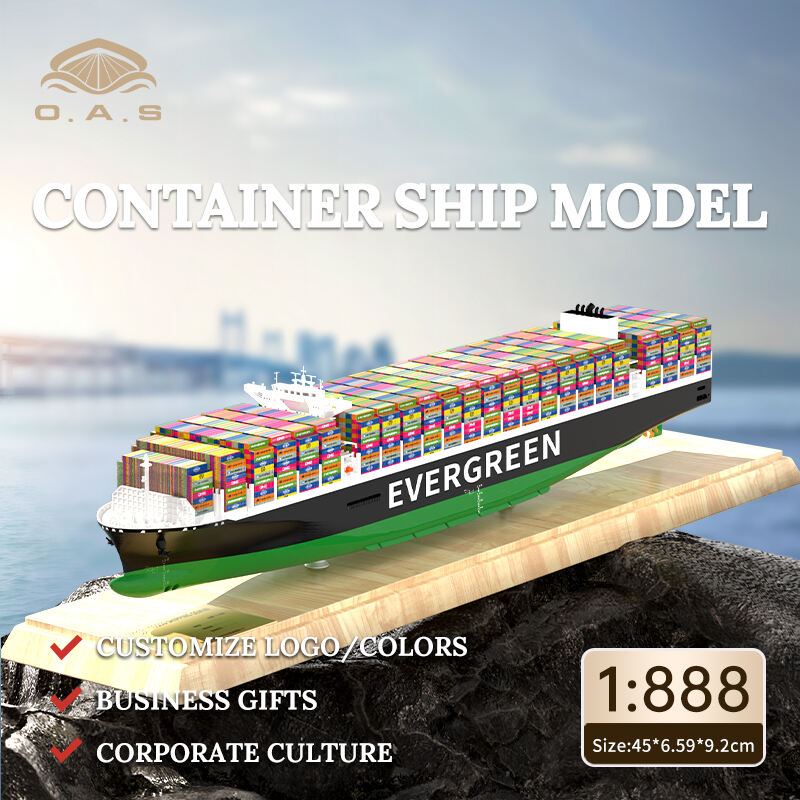
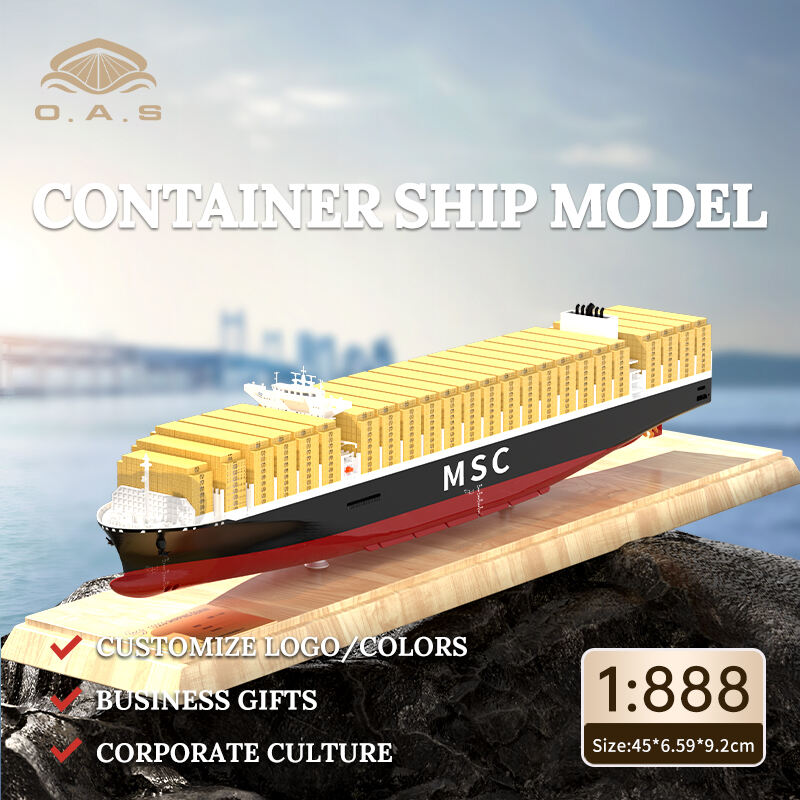
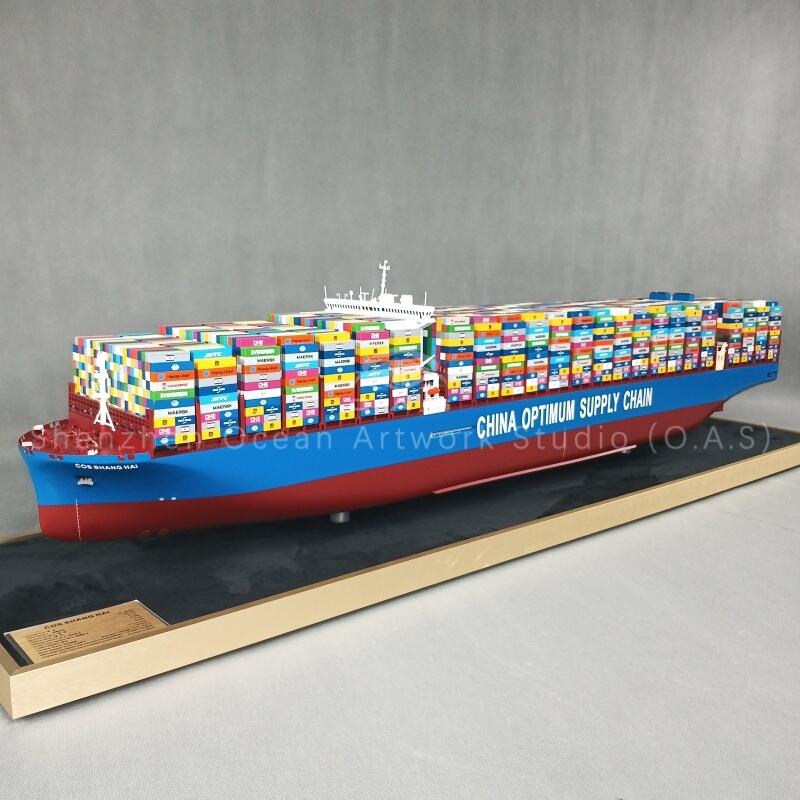
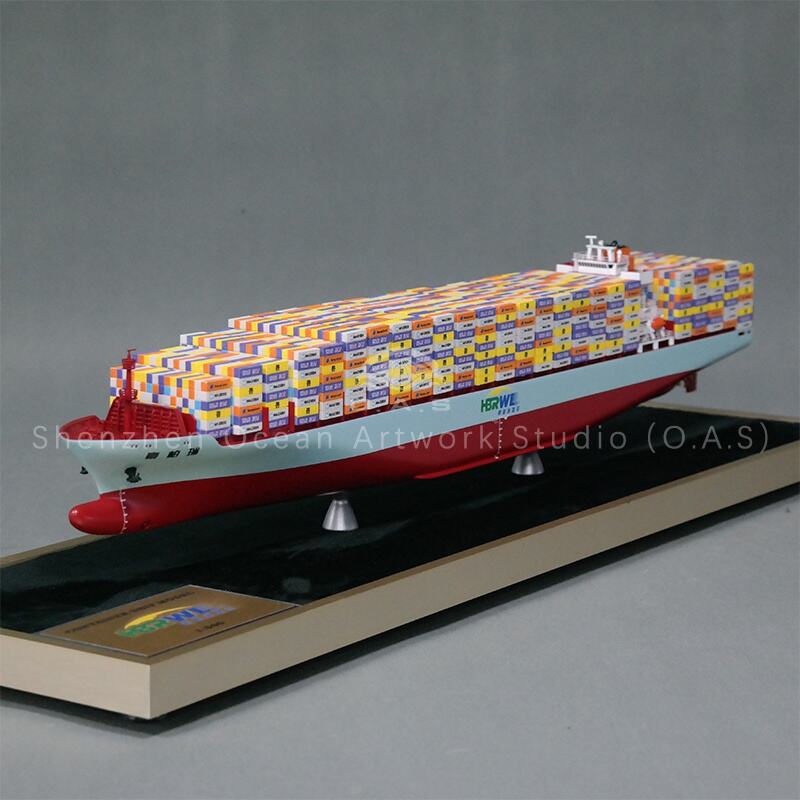
Display model cargo ships excel as educational tools that bridge the gap between theoretical knowledge and practical understanding in maritime studies and shipping operations. These detailed replicas provide students, trainees, and professionals with unprecedented access to ship design elements and operational components that would otherwise remain inaccessible aboard actual vessels. Educational institutions worldwide recognize the immense value of display model cargo ships for teaching complex concepts related to naval architecture, marine engineering, and international shipping logistics. The three-dimensional nature of these models allows instructors to demonstrate cargo loading procedures, explain hull design principles, and illustrate safety protocols in ways that traditional textbooks and digital presentations cannot achieve. Maritime academies utilize display model cargo ships to conduct comprehensive vessel familiarization programs, enabling future officers and crew members to understand ship layouts, equipment locations, and operational workflows before stepping aboard real vessels. The interactive nature of quality models encourages active learning, as students can manipulate moveable parts, examine detailed components, and visualize spatial relationships within the ship's structure. Training programs benefit enormously from display model cargo ships because they provide consistent, controlled environments for instruction that eliminate weather-related delays, safety concerns, and accessibility issues associated with actual ship visits. Professional development courses leverage these models to update industry veterans on new ship designs, technological innovations, and operational improvements without disrupting active shipping schedules. The cost-effectiveness of display model cargo ships makes maritime education more accessible to institutions with limited budgets, as one model can serve multiple classes and training sessions over many years. Research applications also benefit from these models, as maritime researchers use them to test theoretical concepts, demonstrate research findings, and communicate complex ideas to academic peers and industry professionals.
 EN
EN