Professional Container Ship Scale Models - Precision Maritime Training & Educational Tools

Get a Free Quote

Our representative will contact you soon.
Email
Name
Company Name
WhatsApp
Message
0/1000

container ship scale model

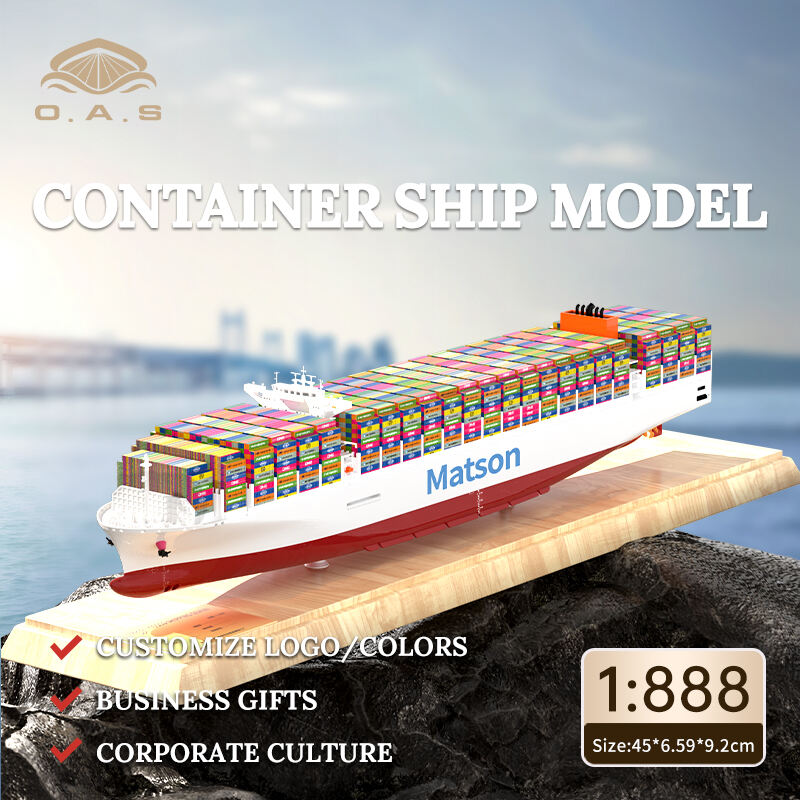
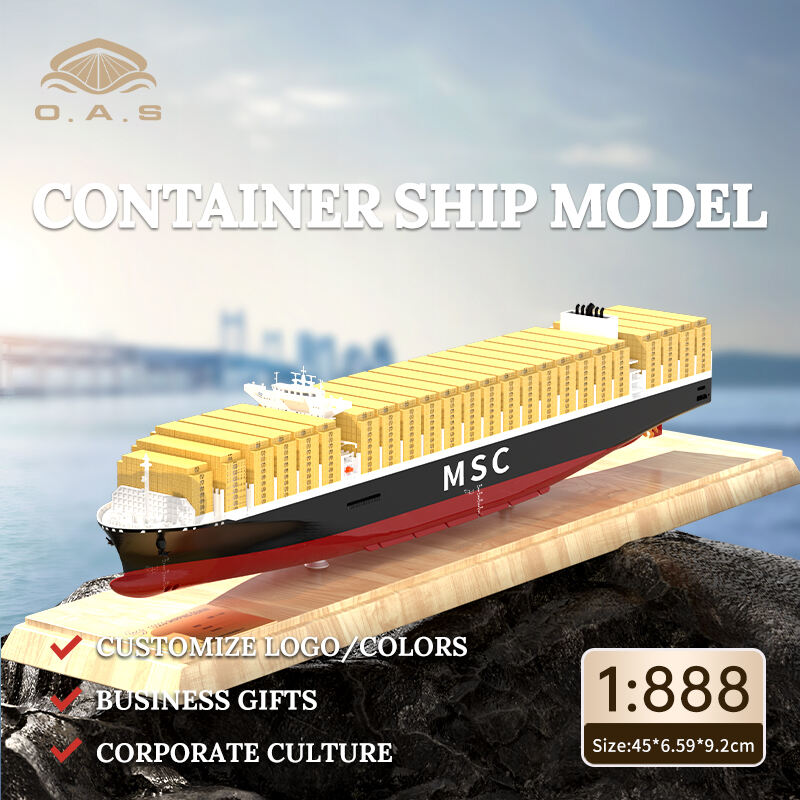
A container ship scale model represents a meticulously crafted miniature replica of modern cargo vessels, designed to capture the essential characteristics and functionality of full-sized container ships. These detailed models serve multiple purposes across educational, professional, and recreational sectors, offering an accessible way to understand maritime logistics and shipping operations. The container ship scale model incorporates authentic design elements including cargo holds, loading cranes, bridge structures, and propulsion systems, all proportionally scaled to maintain accuracy and visual appeal. Advanced manufacturing techniques ensure these models feature precise detailing, from deck equipment to superstructure components, making them valuable tools for maritime education and training programs. The technological features of a container ship scale model include realistic cargo container arrangements, functional loading mechanisms, and detailed navigation equipment representations. Many models incorporate moveable parts such as rotating cranes, adjustable cargo holds, and removable containers that demonstrate actual shipping operations. The construction materials typically include high-grade plastics, metals, and composite materials that ensure durability while maintaining lightweight characteristics. These models often feature accurate color schemes matching real shipping company liveries, enhancing their authenticity and visual impact. Applications for container ship scale models extend beyond simple display purposes, encompassing educational demonstrations in maritime academies, corporate presentations for shipping companies, and training simulations for port operations. Maritime professionals use these models to explain complex loading procedures, demonstrate cargo distribution principles, and illustrate vessel stability concepts. The models prove particularly valuable in logistics planning, allowing stakeholders to visualize cargo arrangements and optimize loading strategies before implementing them on actual vessels. Research institutions utilize container ship scale models for hydrodynamic testing, studying wave resistance patterns and fuel efficiency improvements in controlled environments.

Popular Products

Container ship scale models offer numerous practical benefits that make them indispensable tools across various industries and applications. These miniature vessels provide cost-effective solutions for understanding complex maritime operations without requiring access to actual ships or expensive facility visits. Educational institutions benefit significantly from container ship scale models because they enable hands-on learning experiences that traditional textbooks cannot provide. Students can physically manipulate cargo containers, observe loading sequences, and comprehend spatial relationships that govern efficient cargo operations. The models eliminate safety concerns associated with real ship environments while delivering comprehensive educational value. Professional training programs utilize container ship scale models to accelerate learning curves for new maritime personnel. Trainees can practice cargo handling procedures, understand weight distribution principles, and learn navigation basics in controlled classroom settings. This approach reduces training costs while improving knowledge retention rates compared to theoretical instruction alone. The models enable instructors to demonstrate complex concepts repeatedly, ensuring all participants grasp essential operational principles before transitioning to real-world applications. Corporate presentations benefit from container ship scale models because they provide compelling visual aids that enhance audience engagement and comprehension. Shipping companies use these models during client meetings to explain service capabilities, demonstrate cargo handling processes, and showcase operational efficiency. The tangible nature of scale models creates memorable impressions that static presentations cannot achieve, leading to improved client relationships and business outcomes. Research and development teams employ container ship scale models for prototype testing and design validation. These models allow engineers to evaluate new cargo arrangements, test loading equipment configurations, and assess structural modifications before implementing costly changes on actual vessels. The models provide valuable data for optimizing fuel consumption, reducing loading times, and improving overall operational efficiency. Port authorities and logistics coordinators use container ship scale models for planning purposes, enabling them to visualize cargo flows, optimize berth assignments, and coordinate loading operations more effectively. The models help identify potential bottlenecks, improve resource allocation, and enhance overall port productivity through better understanding of vessel requirements and constraints.

Tips And Tricks

The market size and future development trend of the ship model industry in China

18

Jul

The market size and future development trend of the ship model industry in China

Explore the future of China's ship model industry with insights on market size, 15%+ growth projections, and tech advancements. Read the full report for strategic investment opportunities.
View More
The importance of ship models

18

Jul

The importance of ship models

Discover how ship models enhance understanding of vessel design, maritime history, and craftsmanship. Explore their educational and cultural value today.
View More
The Most Popular Boat Models For Each Water Activity And Condition

28

Jul

The Most Popular Boat Models For Each Water Activity And Condition

Discover the best boat models for fishing, sailing, cruising, and high-performance activities. Explore how each model mirrors real-life maritime conditions and functions. Find your ideal match today.
View More
Investigating The Skills Of Building Scale Models

28

Jul

Investigating The Skills Of Building Scale Models

Discover the key skills and tools needed for professional-grade scale models. Learn techniques like weathering, detailing, and problem-solving for superior results. Elevate your modeling craft today.
View More

Get a Free Quote

Our representative will contact you soon.
Email
Name
Company Name
WhatsApp
Message
0/1000

container ship scale model

Precision Engineering and Authentic Detail

Precision Engineering and Authentic Detail

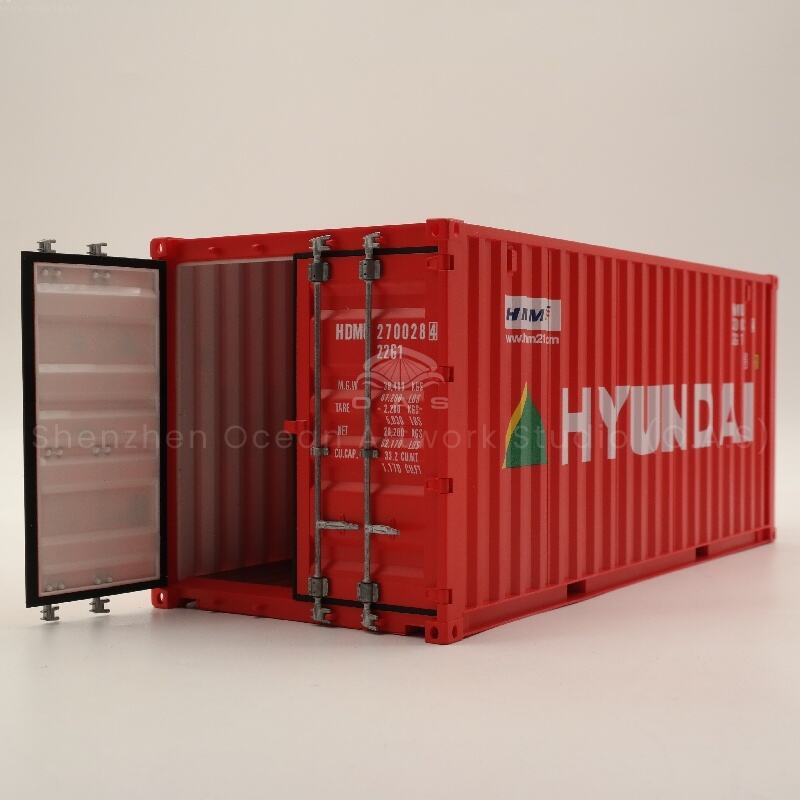
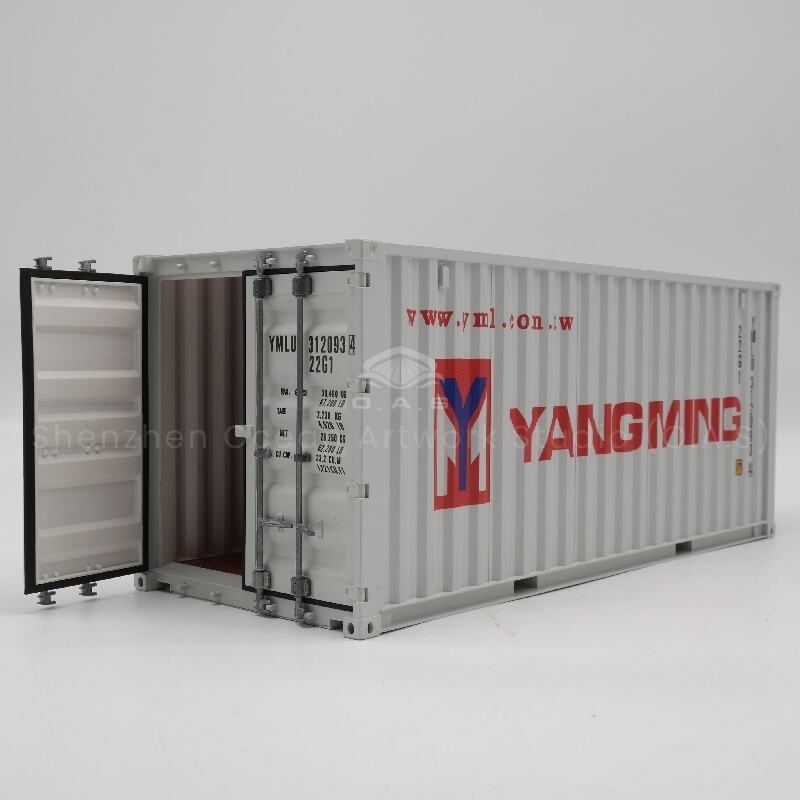
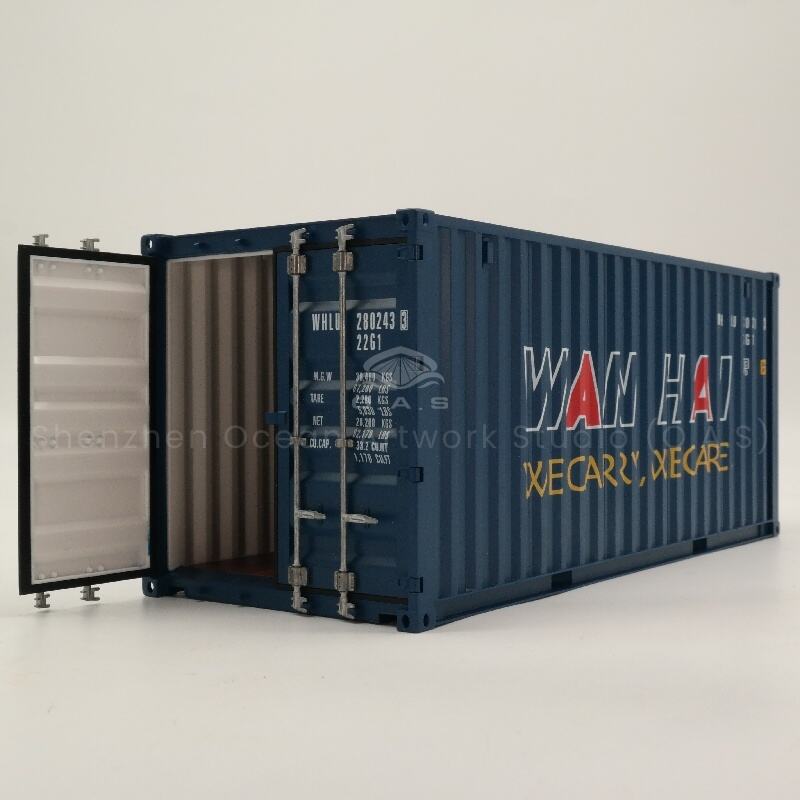
The exceptional precision engineering found in container ship scale models sets them apart from generic maritime replicas, delivering unprecedented accuracy that serves both educational and professional applications. Every component undergoes meticulous design processes that ensure proportional accuracy matching real container ships down to the smallest details. Advanced computer-aided design technology enables manufacturers to create scale models that faithfully reproduce complex structural elements including cargo hold configurations, deck layouts, and superstructure arrangements. The authentic detail extends to functional components such as loading cranes that actually rotate and extend, cargo containers that can be arranged and rearranged to demonstrate different loading patterns, and bridge equipment that reflects modern navigation systems. This level of precision proves invaluable for maritime education programs where students need to understand actual ship operations rather than simplified representations. Professional training applications benefit from this authenticity because trainees can develop muscle memory and spatial awareness that transfers directly to real-world scenarios. The detailed construction includes accurate scaling of propeller systems, rudder configurations, and hull designs that demonstrate hydrodynamic principles effectively. Paint schemes and graphics match those found on actual container ships, including proper placement of company logos, safety markings, and regulatory symbols. The precision engineering extends to internal components where applicable, showing cargo hold structures, ballast tank arrangements, and engine room layouts that provide comprehensive understanding of ship anatomy. Quality control processes ensure each container ship scale model meets strict tolerances, maintaining consistency across production runs while preserving the intricate details that make these models valuable educational tools. The engineering precision enables users to conduct meaningful demonstrations of cargo loading sequences, weight distribution calculations, and stability assessments that mirror real-world operations. This attention to detail transforms simple display models into functional learning instruments that provide lasting educational value and professional development opportunities for maritime industry participants.
Versatile Educational Applications

Versatile Educational Applications

Container ship scale models excel in educational environments due to their remarkable versatility and ability to demonstrate complex maritime concepts through interactive learning experiences. These models serve multiple educational roles simultaneously, functioning as visual aids, hands-on learning tools, and demonstration platforms that accommodate different learning styles and educational objectives. Maritime academies incorporate container ship scale models into their curriculum to teach fundamental shipping principles, cargo handling procedures, and vessel operations in engaging, memorable ways. Students can physically manipulate cargo arrangements, observe the effects of weight distribution on vessel stability, and understand the logistics involved in international shipping operations. The models prove particularly effective for explaining three-dimensional concepts that are difficult to convey through traditional teaching methods, such as cargo hold utilization, loading sequence optimization, and ballast management principles. Professional development programs utilize these models to train port workers, logistics coordinators, and shipping personnel on operational procedures without requiring expensive facility access or disrupting actual operations. The interactive nature of container ship scale models enables instructors to create scenario-based learning experiences where participants must solve real-world problems using the physical model as their primary tool. This approach develops critical thinking skills while reinforcing theoretical knowledge through practical application. Corporate training departments find these models invaluable for onboarding new employees, explaining company operations to stakeholders, and demonstrating service capabilities to potential clients. The versatility extends to research applications where container ship scale models support experimental studies on cargo arrangement optimization, loading efficiency improvements, and operational cost reduction strategies. Educational institutions can adapt these models to various academic levels, from elementary school science projects demonstrating basic physics principles to graduate-level research on maritime logistics optimization. The models facilitate collaborative learning experiences where teams work together to solve complex loading challenges, mirror real workplace dynamics in the shipping industry, and develop communication skills essential for maritime operations. This educational versatility ensures container ship scale models remain relevant across diverse learning environments and continue providing value throughout evolving educational needs and technological advancement in maritime industries.
Cost-Effective Training and Demonstration Solution

Cost-Effective Training and Demonstration Solution

Container ship scale models represent an exceptionally cost-effective training and demonstration solution that delivers professional-grade learning experiences without the substantial expenses associated with real vessel access or specialized facility requirements. Traditional maritime training often requires expensive field trips to active ports, chartered vessel access, or costly simulator installations that strain educational budgets while limiting training frequency and participant numbers. Container ship scale models eliminate these financial barriers by providing comprehensive training capabilities in standard classroom environments, making professional maritime education accessible to institutions with limited resources. The initial investment in a high-quality container ship scale model pays dividends through repeated use across multiple training sessions, courses, and demonstration events without ongoing operational costs or facility rental fees. Organizations can conduct unlimited training sessions using the same model, accommodating large groups through rotation schedules and multiple demonstration setups that maximize educational value per dollar invested. The cost-effectiveness extends beyond direct training applications to encompass marketing and business development activities where container ship scale models serve as powerful presentation tools that enhance client engagement and improve business outcomes. Sales teams can transport these models to client locations, trade shows, and conference presentations without incurring significant shipping or logistics costs associated with larger demonstration equipment. The durability of well-constructed container ship scale models ensures longevity that spans multiple years of regular use, providing exceptional return on investment compared to disposable training materials or software licenses requiring ongoing subscription payments. Maintenance costs remain minimal due to robust construction and simple cleaning requirements that standard facility staff can handle without specialized technical support or replacement parts procurement. Educational institutions can share container ship scale models across multiple departments and programs, spreading costs while expanding their utility throughout maritime studies, logistics programs, and engineering courses. The models enable institutions to offer enhanced educational experiences that attract students and improve program reputation without requiring major capital investments in specialized facilities or equipment installations that many institutions cannot afford.
Get a Quote Get a Quote

Get a Free Quote

Our representative will contact you soon.
Email
Name
Company Name
WhatsApp
Message
0/1000