EN
EN

Ship models have held a place of significance in human culture for centuries, and that relevance has only grown stronger in modern times. Whether displayed in a maritime museum gallery or placed prominently in a corporate boardroom, ship models communicate far more than mere decoration. They represent craftsmanship, history, engineering achievement, and institutional identity in a single tangible object. Understanding why ship models carry such enduring value helps both museums and shipping companies make more intentional decisions about how they use and invest in them.
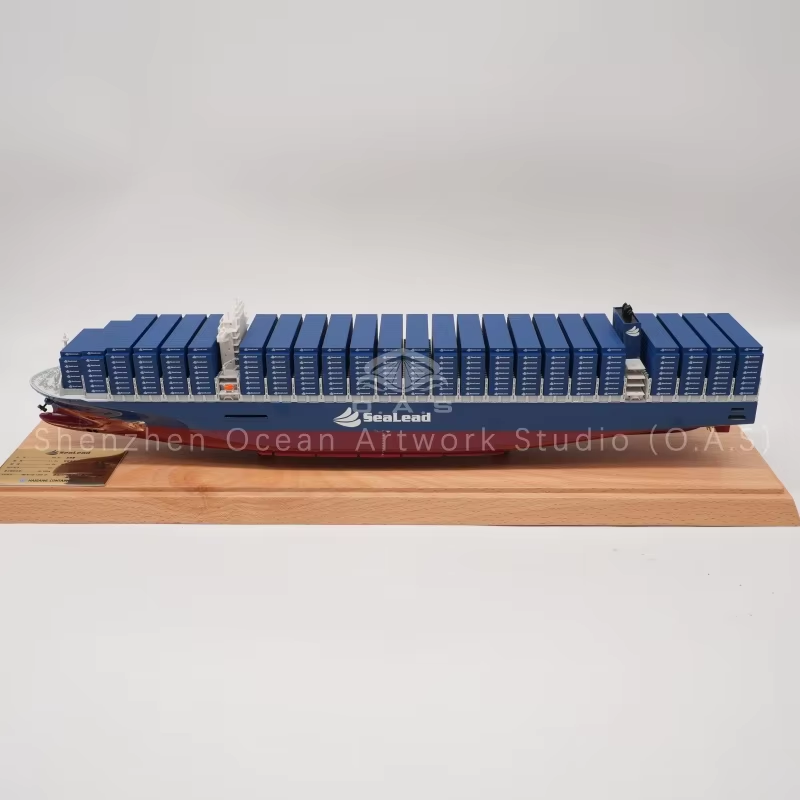
The value of ship models is not limited to aesthetics. Ship models serve as educational tools, brand assets, historical records, and conversation pieces simultaneously. For museums, ship models help bring maritime history to life for visitors of all ages. For shipping companies, ship models reinforce corporate heritage and create a lasting visual impression with clients and partners. This article explores the specific reasons why ship models matter so deeply to both audiences, and why investing in high-quality ship models is a decision that pays dividends well beyond their purchase price.
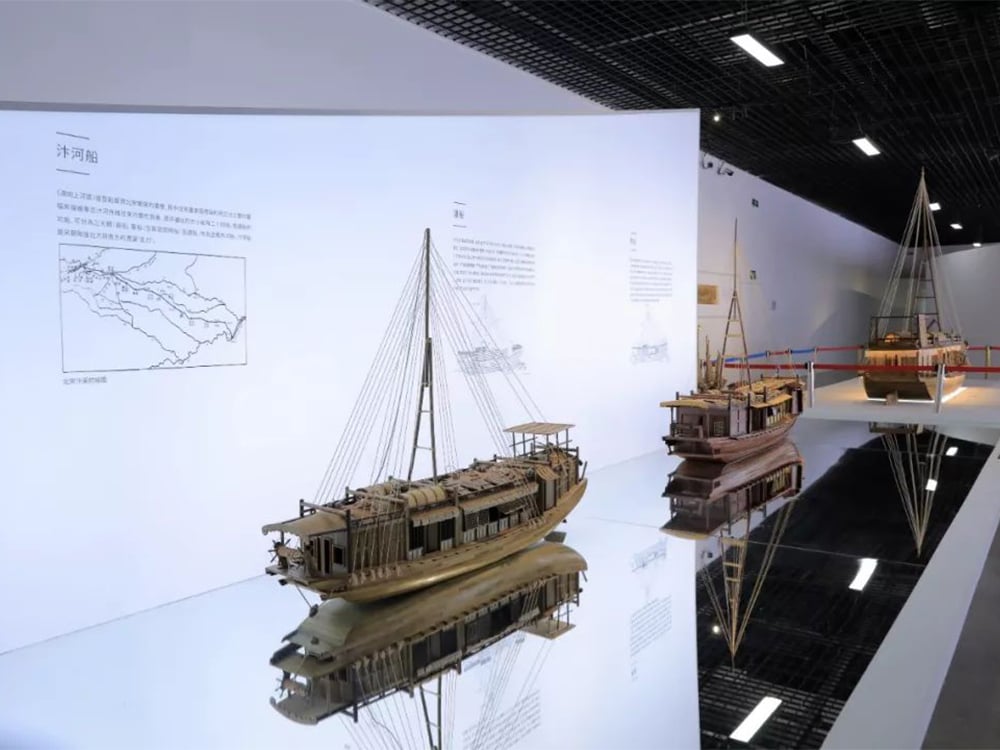
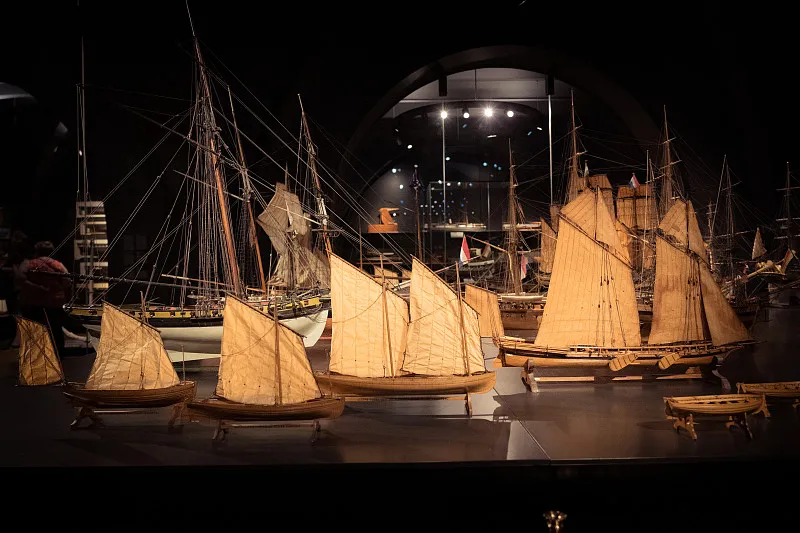
Museums rely on ship models to bridge the gap between historical narrative and physical understanding. A visitor reading about 19th-century trade routes may struggle to appreciate the scale and complexity of the vessels involved. Ship models provide an immediate, three-dimensional reference point that text and photographs simply cannot match. When ship models are crafted to accurate scale, they allow curators to explain hull design, rigging systems, cargo configurations, and navigational layouts in ways that engage visitors directly. Ship models transform abstract maritime knowledge into something tangible and accessible.
Maritime museums around the world treat ship models as primary exhibit assets rather than supplementary decorations. Ship models can anchor entire gallery rooms, giving curators the flexibility to build educational narratives around a single centerpiece. Children, students, and general visitors consistently respond more strongly to ship models than to written displays alone. The visual and tactile presence of ship models encourages curiosity and deeper engagement with maritime history, making them indispensable to any serious museum collection.
Beyond education, ship models function as preserved records of vessels that no longer exist. Many historic ships have been lost to time, war, or natural decay, and ship models created during or shortly after those ships were in service represent some of the only surviving documentation of their exact form. Museums that maintain collections of ship models are, in effect, preserving architectural and engineering history. Ship models crafted from original blueprints or historical records offer researchers and historians a level of detail that written accounts rarely provide. The historical integrity of accurately produced ship models makes them irreplaceable scholarly resources.
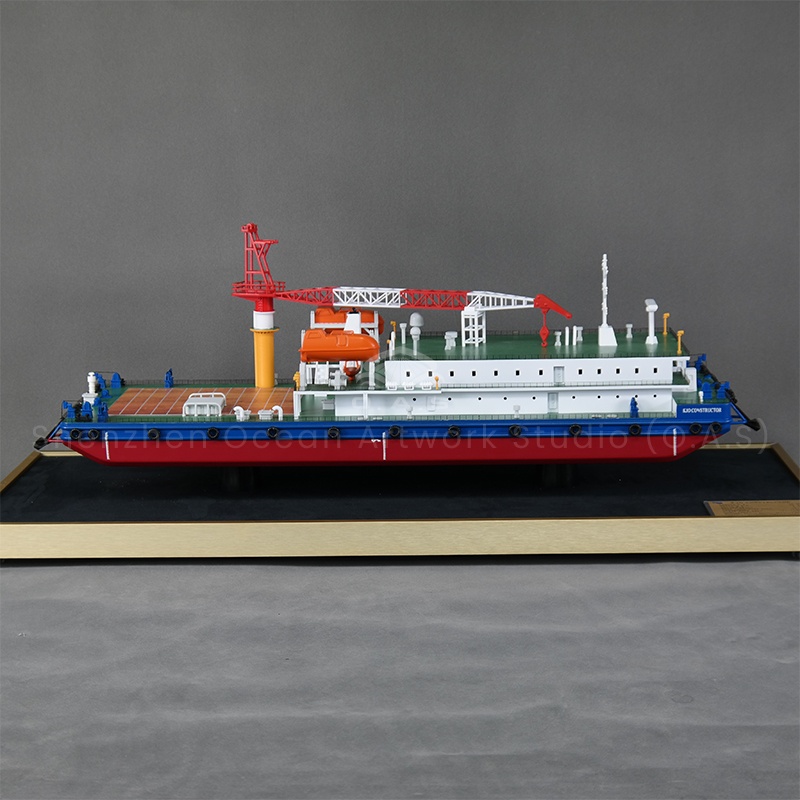
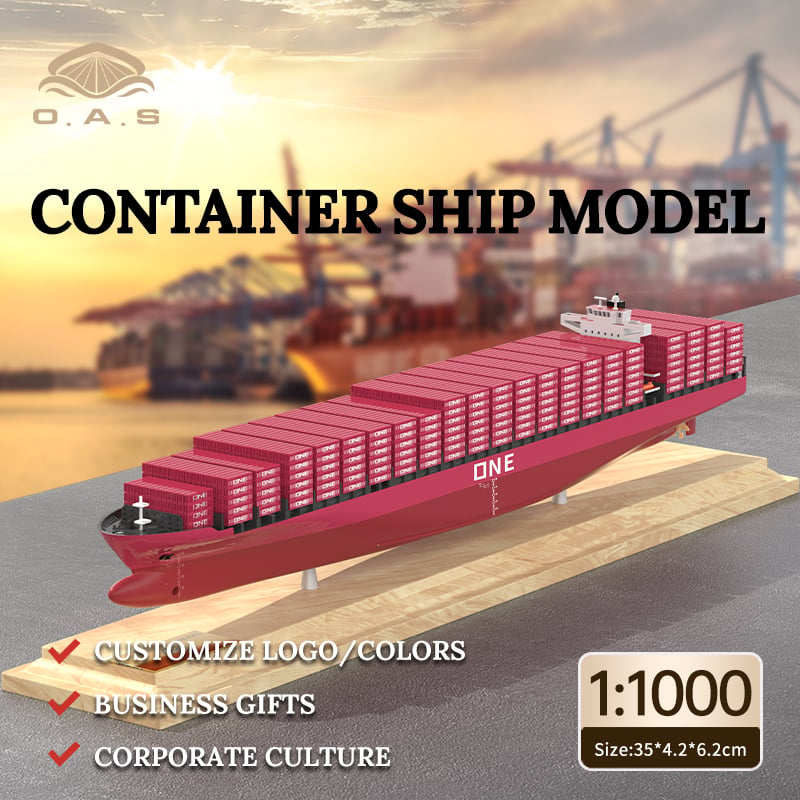
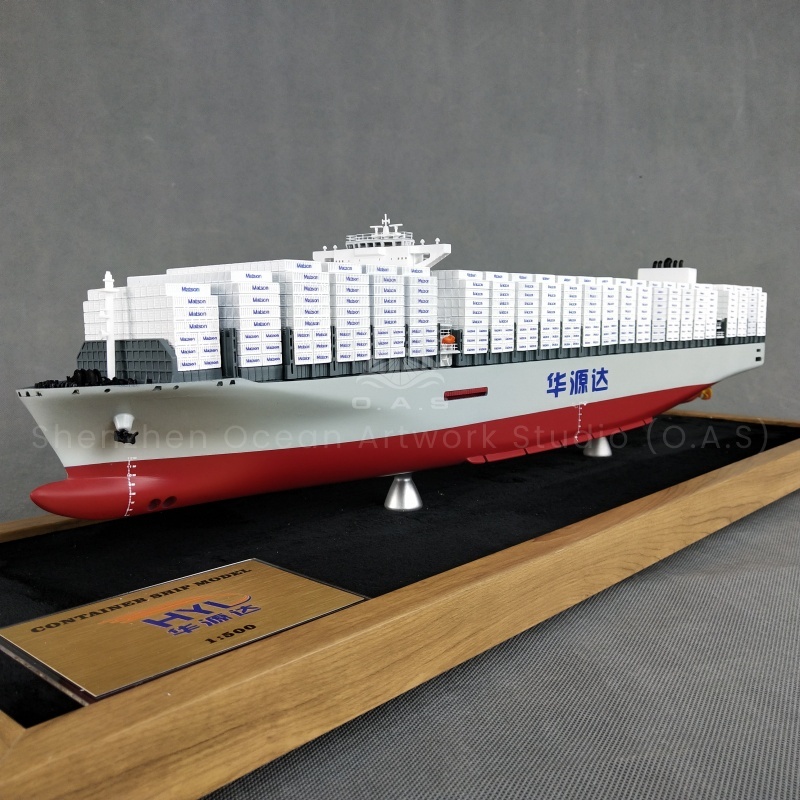
For shipping companies, ship models are not simply collectibles. They are strategic brand assets that communicate professionalism, heritage, and scale to every visitor who enters a corporate office. A well-crafted ship models display at the reception of a major shipping firm signals to clients and partners that the company takes its industry identity seriously. Ship models depicting the company's own fleet create an immediate visual connection to real-world operational capability and experience. In industries where trust and reliability are paramount, ship models provide a subtle but powerful credibility signal.
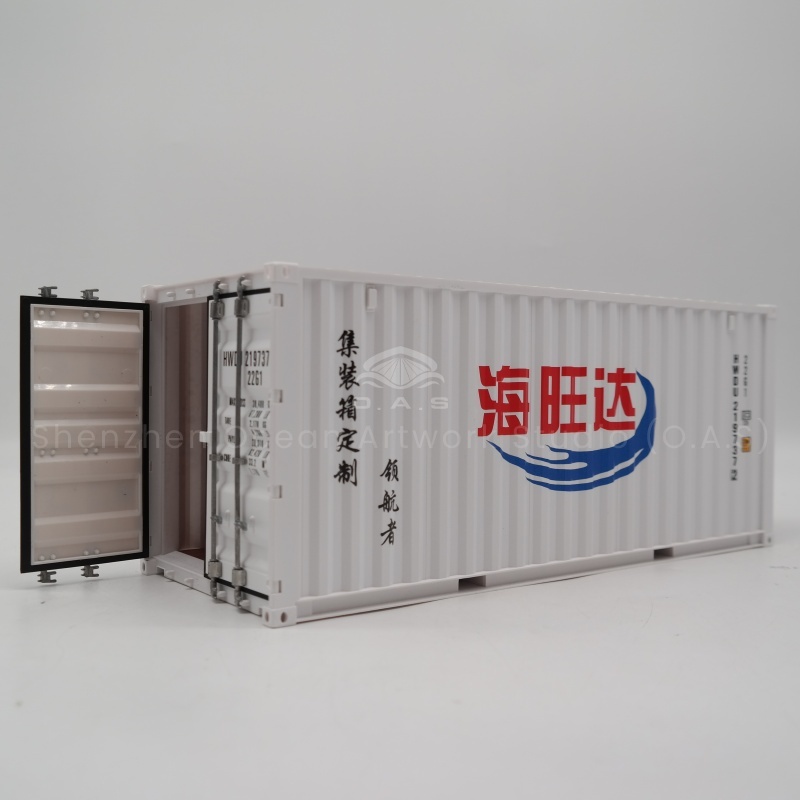
Shipping companies also use ship models as gifts for important clients, partners, and industry events. Custom ship models bearing a company's livery, container branding, or vessel specifications make memorable and meaningful corporate gifts. Recipients of such ship models are reminded of the business relationship each time they see the model on their own desk or shelf. This ongoing visibility makes ship models one of the most cost-effective long-term marketing tools available in the maritime sector. Ship models, in this context, function as brand ambassadors in miniature form.
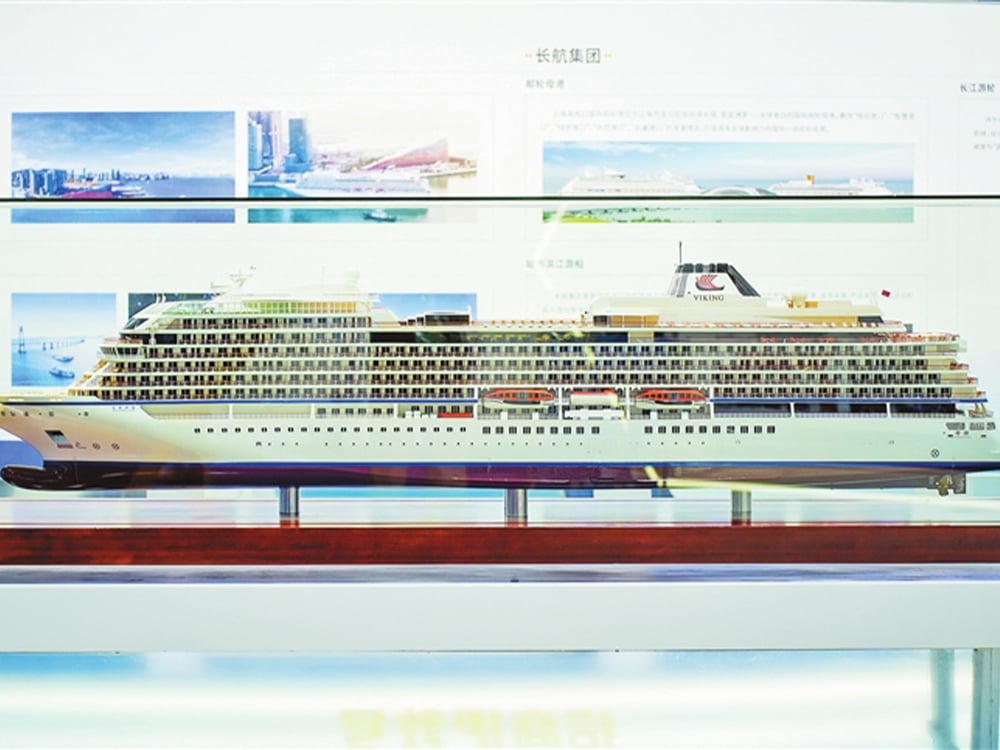
Trade shows and maritime industry exhibitions represent major opportunities for shipping companies to distinguish themselves from competitors. Ship models displayed at exhibition booths draw immediate attention and invite conversation in ways that brochures and digital displays cannot replicate. Visitors naturally gravitate toward ship models because they offer a concrete, physical representation of something that is otherwise defined by vast ocean distances and logistical abstraction. When shipping companies present professionally crafted ship models at industry events, they signal investment in quality and attention to detail — values that translate directly to how clients perceive their services. Ship models at exhibitions consistently generate more foot traffic and longer engagement times than text-based displays.
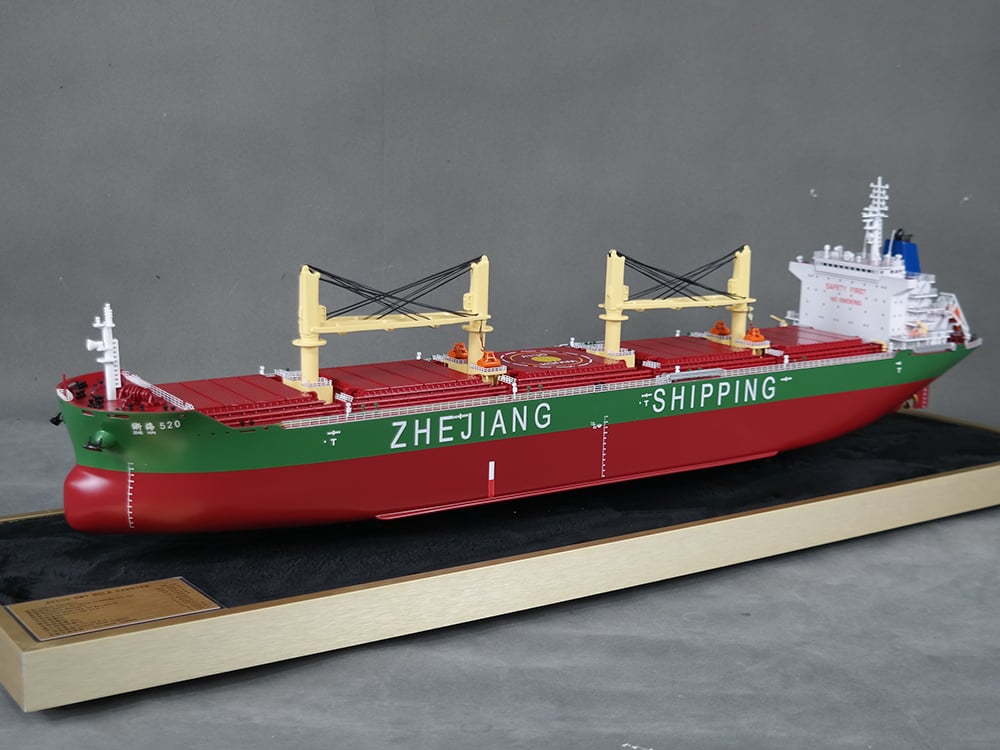
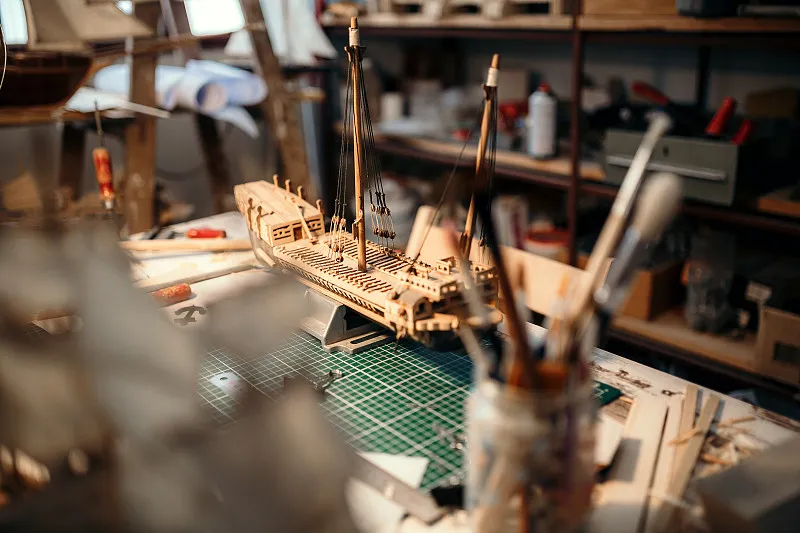
The value of ship models depends greatly on the quality of their construction. High-quality ship models are produced with precision materials, accurate scale ratios, and detailed surface finishing that reflects the true character of the vessel being represented. Whether depicting a classic tall ship or a modern container vessel, ship models crafted with care retain their visual appeal and structural integrity over many years. Museums and shipping companies alike benefit from investing in ship models that are built to display standards, ensuring that the models remain impressive over time without fading, warping, or losing detail. Quality ship models are not consumable items — they are long-term investments.
Ship models are remarkably versatile in terms of display context. Ship models work equally well in enclosed museum cases, open corporate display shelves, executive offices, and conference rooms. Their self-contained nature means ship models require no ongoing maintenance beyond occasional dusting, making them practical for busy institutional and commercial environments. Ship models also scale appropriately for different spatial contexts — smaller ship models suit individual desk displays, while larger ship models command attention in lobby or gallery settings. This display flexibility makes ship models suitable for a wide range of institutional needs without requiring specialized infrastructure.
Ship models are suitable for museum exhibitions because they translate historical and technical information into a format that is visually engaging and immediately understandable. Ship models allow curators to present vessel design, cargo capacity, and historical context in a three-dimensional format that written displays cannot replicate. High-quality ship models also hold up well over extended exhibition periods, making them reliable long-term exhibit assets.
Shipping companies benefit from custom ship models by strengthening brand identity, impressing clients and partners, and creating memorable corporate gifts. Ship models depicting a company's own vessels reinforce the company's operational heritage and scale. Custom ship models bearing the company's branding serve as ongoing marketing assets wherever they are displayed, extending the company's visibility far beyond any single interaction.
Yes, ship models are a worthwhile investment for corporate offices in the maritime and logistics sectors. Ship models communicate professionalism and industry knowledge without requiring explanation. A well-placed display of ship models in a reception area or conference room creates a strong first impression with clients and reinforces the company's identity within the broader shipping industry. Given their durability and ongoing brand value, ship models offer a strong return on investment over time.
 Hot News
2024-06-11
2024-06-07
2024-06-01
2024-06-01
2024-06-01
2024-05-25
Shenzhen Ocean Artwork Studio (O.A.S) Technology Co., Ltd. is a leading ship model manufacturer with over 15 years of experience. We specialize in designing and producing civil, military, and engineering ship models, working with top global shipping brands such as MAERSK, COSCO, and EVERGREEN.