EN
EN

Modern classrooms are constantly searching for more engaging ways to explain complex concepts. Ship models in education have become valuable teaching resources because they transform abstract ideas into visible and interactive learning experiences. From elementary schools to universities, physical ship models help students understand engineering, science, history, and maritime technology in a more practical way.
Unlike traditional textbook illustrations, educational ship models provide a three-dimensional learning experience. Students can observe vessel structures, explore design features, and understand how different ship components work together. This makes ship models in education an effective approach for connecting classroom knowledge with real-world applications.
As schools and training institutions continue adopting more interactive teaching methods, ship models in education are increasingly recognized as practical STEM teaching tools. They support visual learning, encourage student discussion, and provide teachers with effective maritime education resources for different subjects.
Whether used in science classrooms, maritime academies, museums, or engineering programs, educational ship models offer a unique combination of technical accuracy and hands-on exploration. These hands-on learning models allow students to move beyond memorization and develop deeper understanding through observation and discovery.
Many concepts related to shipbuilding, marine engineering, and transportation systems can be difficult for students to understand through written explanations alone. Ship models in education solve this challenge by providing a physical representation of complex structures.
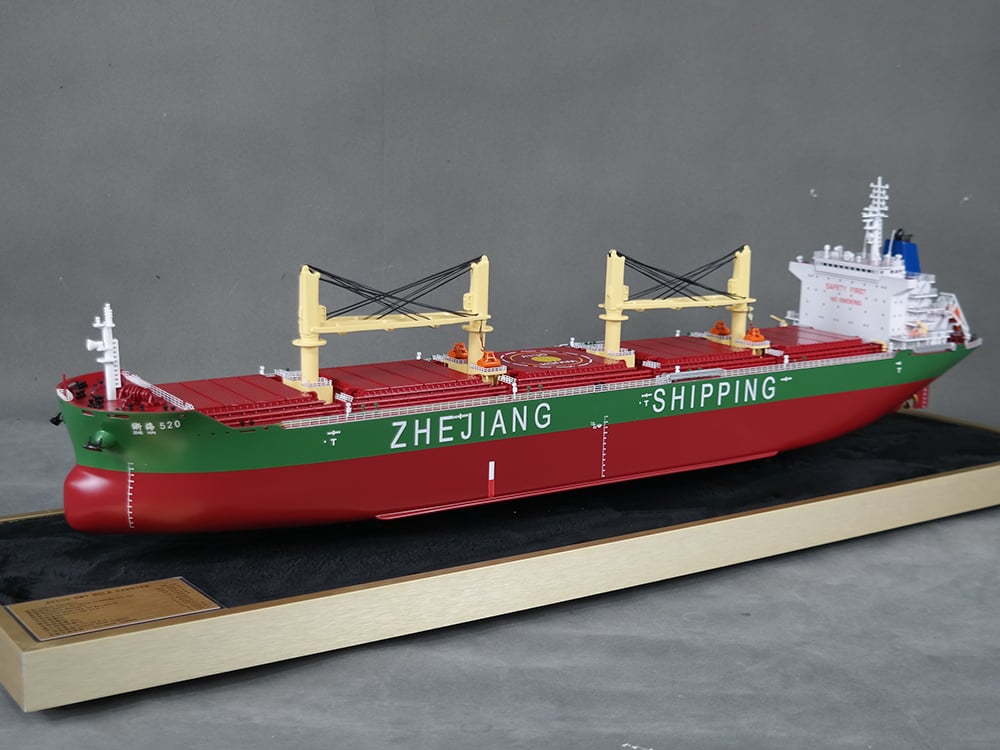
Through educational ship models, teachers can demonstrate hull design, deck arrangements, propulsion systems, and vessel functions in a simple and understandable way. Students can directly observe how different parts of a ship are connected instead of relying only on diagrams.
For example, when explaining buoyancy, teachers can use ship models in education to show how hull shape and weight distribution influence floating ability. Engineering principles become easier to understand because students can connect theory with a physical object.
This visual approach improves learning efficiency because students are encouraged to ask questions, compare structures, and explore solutions. As a result, educational ship models become more than classroom decorations; they become active learning resources.
STEM education focuses on science, technology, engineering, and mathematics, and physical models are highly effective tools for supporting these subjects. Ship models in education provide students with realistic examples of engineering design and scientific principles.
As STEM teaching tools, ship models help students explore topics such as stability, materials, hydrodynamics, structural design, and mechanical systems. Instead of learning concepts only through formulas, students can examine how these principles influence real-world vessel construction.
For engineering students, detailed educational ship models provide opportunities to analyze different vessel designs and understand why specific structures are created for different purposes. For younger learners, simplified models introduce basic ideas about balance, movement, and technology.
The combination of visual observation and practical discussion makes hands-on learning models valuable additions to modern STEM classrooms.
One of the greatest advantages of ship models in education is their ability to create direct learning experiences. Students learn more effectively when they can observe, analyze, and interact with physical objects.
Unlike digital images that remain on a screen, hands-on learning models allow students to examine details from different perspectives. They can study proportions, identify components, and discuss how each part contributes to the overall design.
This interactive process encourages curiosity and problem-solving. Students become active participants rather than passive listeners, making lessons more memorable and meaningful.
Every classroom includes students with different learning preferences. Some students understand information better through visual examples, while others benefit from physical interaction. Ship models in education support multiple learning styles by combining observation, discussion, and exploration.
Visual learners can study vessel structures and design details, while students who prefer practical experiences can explore the model directly. Teachers can also use educational ship models to create group activities that encourage communication and teamwork.
Because they support different approaches to learning, hands-on learning models help create more inclusive classrooms where more students can participate effectively.
Schools and educational institutions need reliable resources that make technical subjects easier to understand. Ship models in education serve as valuable maritime education resources because they provide students with realistic examples of vessels, transportation systems, and engineering principles.
In maritime academies, educational ship models help students study vessel structures, navigation concepts, and ship design before working with real ships. These models provide a safe and practical learning environment where students can examine details that may be difficult to observe on full-size vessels.
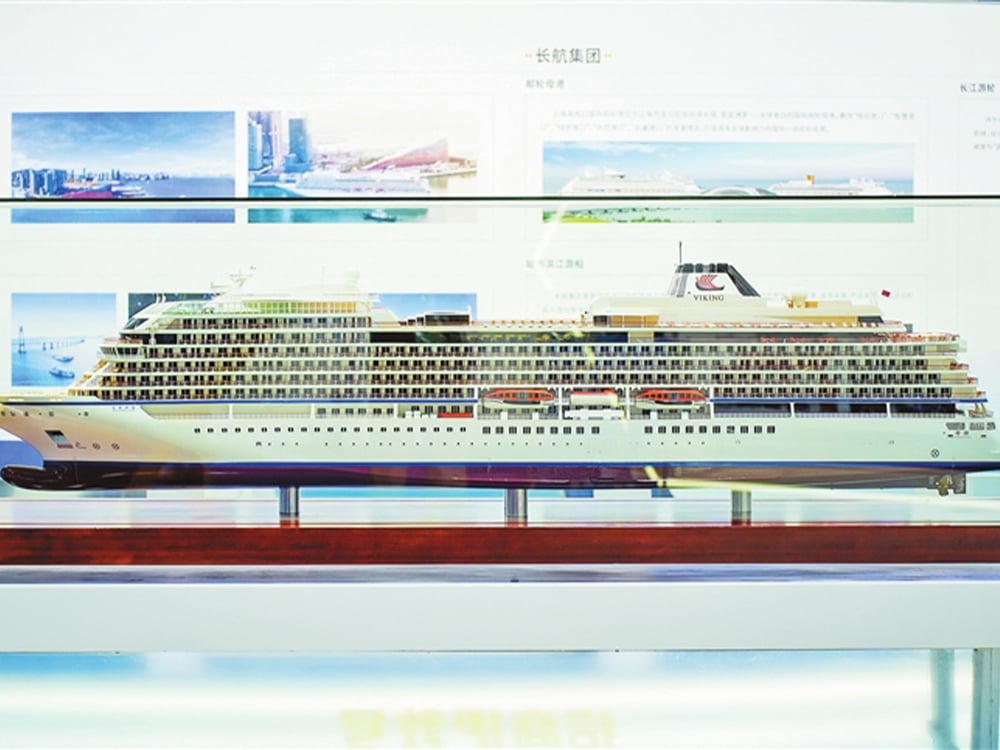
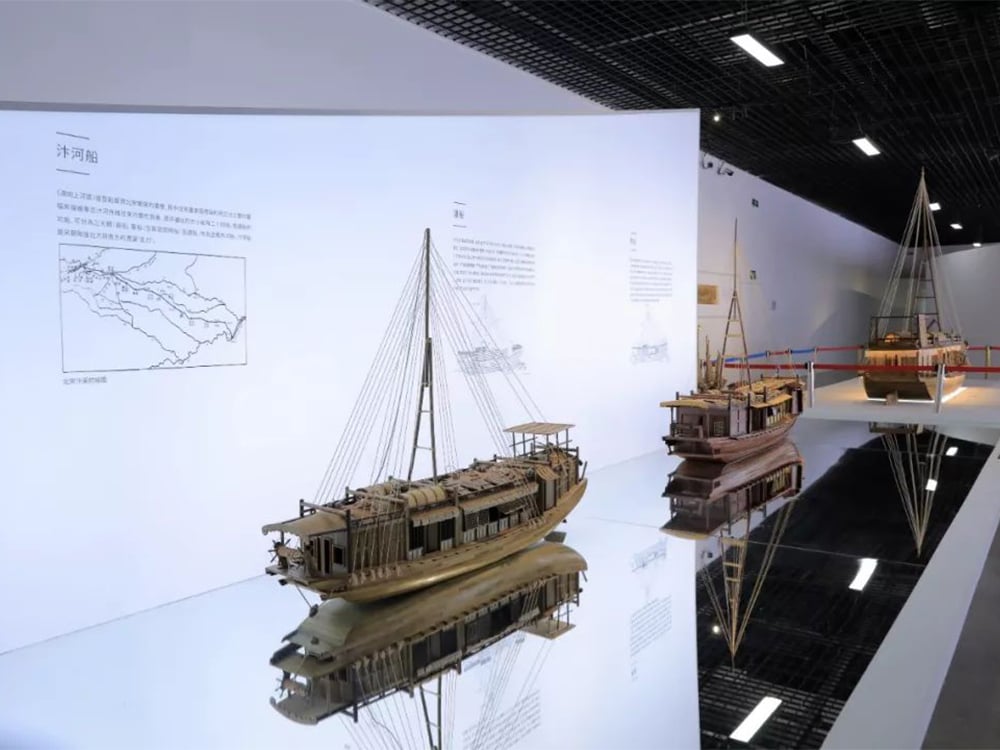
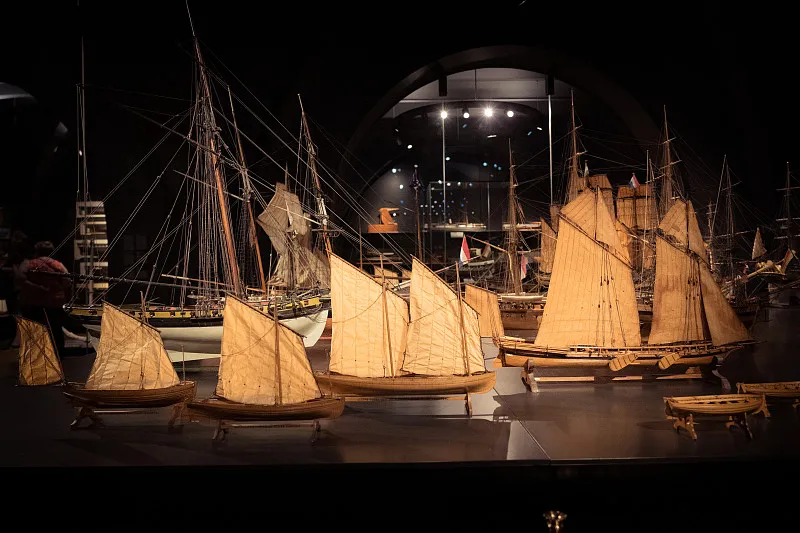
Museums and public education centers also use ship models in education to introduce visitors to maritime history and technology. A carefully designed model can explain how ships evolved, how trade networks developed, and how engineering innovations changed transportation.
As effective maritime education resources, ship models support both professional training and general education by making maritime knowledge more accessible to different audiences.
Science and engineering subjects often involve concepts that students cannot easily visualize. Ship models in education provide practical examples that make these concepts easier to explore.
Teachers can use educational ship models to explain buoyancy, force distribution, structural strength, and energy systems. Students can observe how different design choices influence vessel performance and understand why engineers create specific solutions.
As STEM teaching tools, ship models encourage students to think critically and apply knowledge to real-world situations. They can analyze why one vessel design is suitable for cargo transportation while another is optimized for speed, research, or specialized operations.
This practical approach allows students to move from theoretical learning to problem-solving, making hands-on learning models an important part of modern science education.
Ships have played a major role in human history, influencing exploration, trade, migration, and cultural exchange. Through ship models in education, students can better understand how maritime development shaped civilizations around the world.
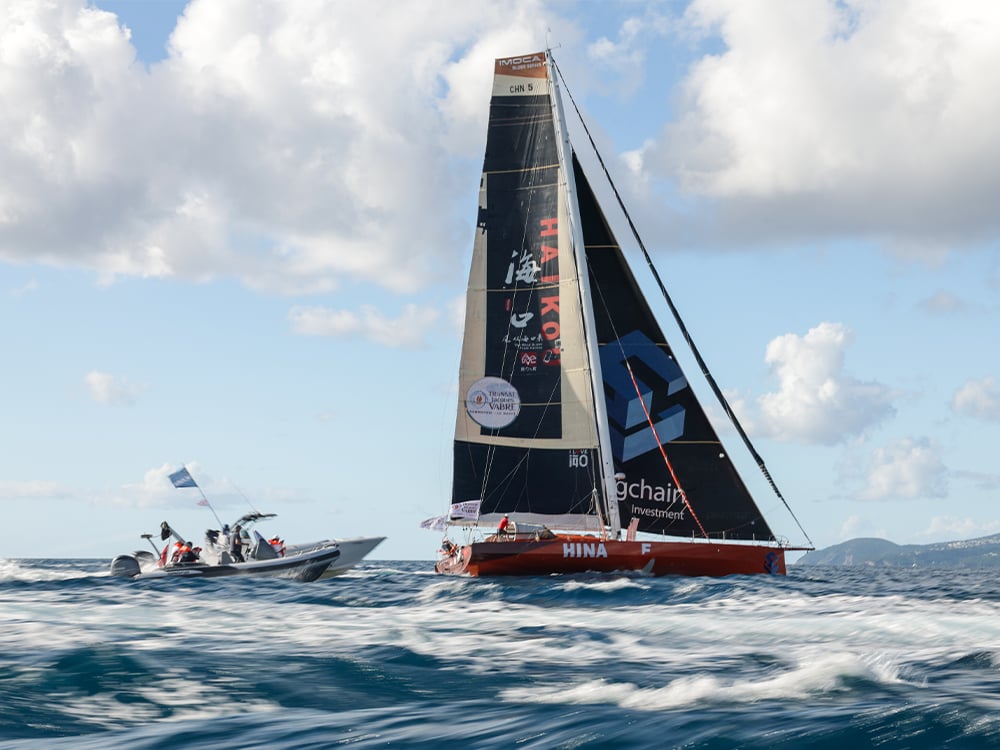
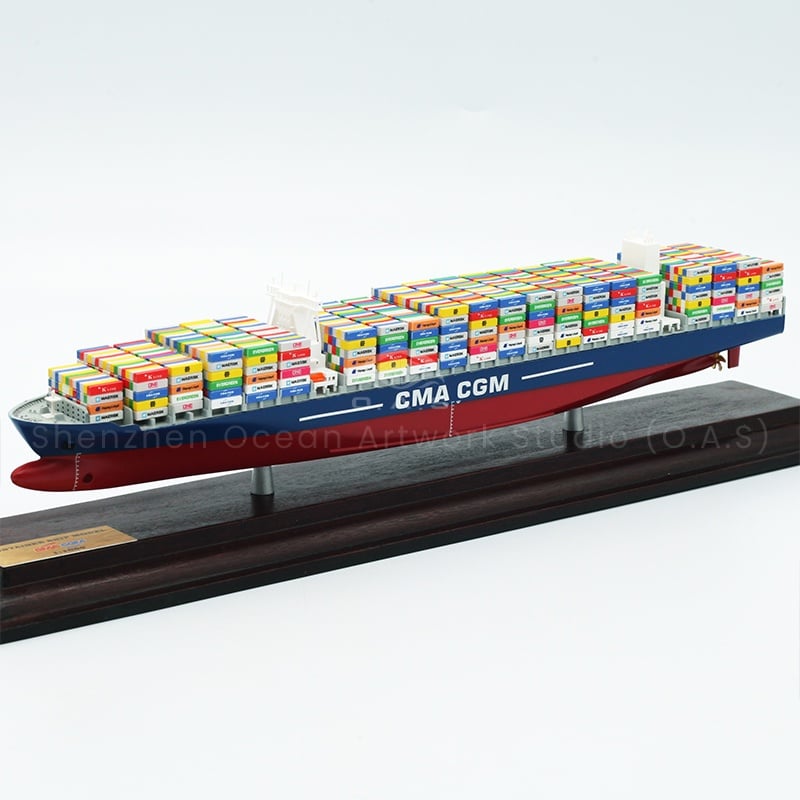
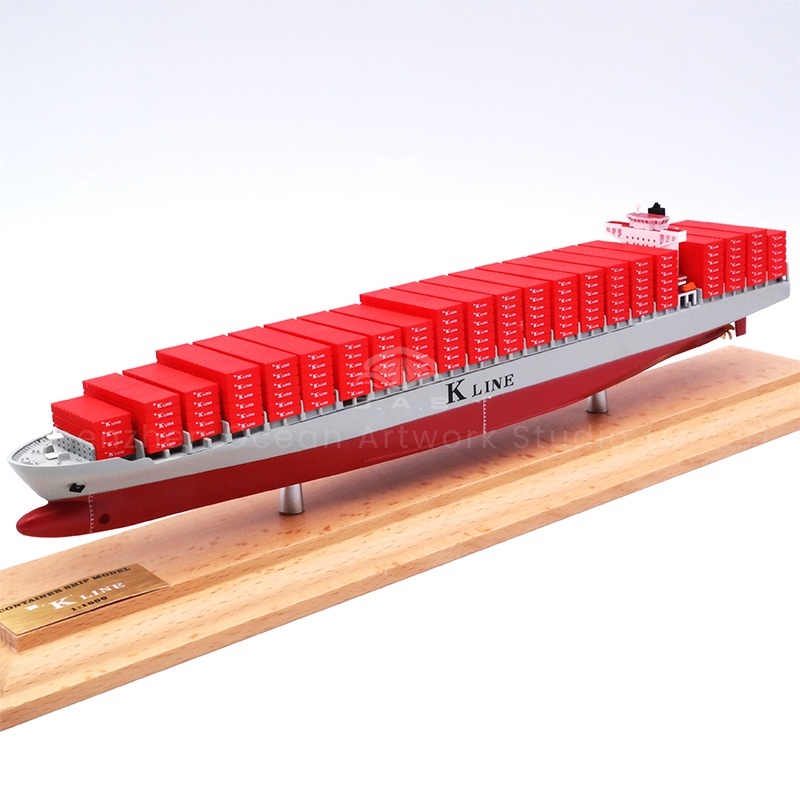
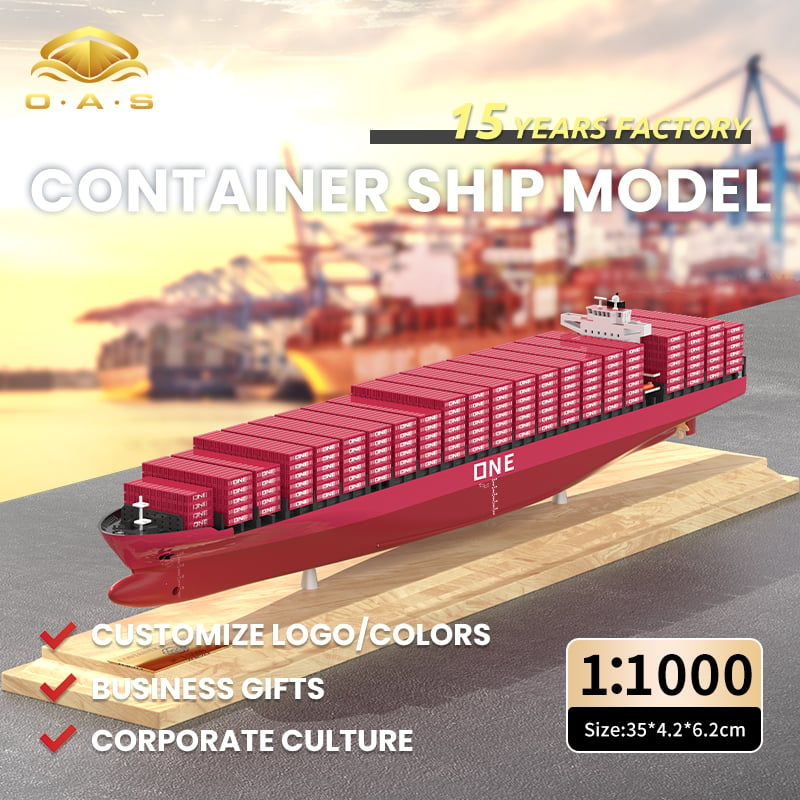
A historical sailing ship, traditional vessel, or modern container ship represents a different stage of technological progress. By comparing various educational ship models, students can explore how ship design changed according to economic needs, environmental conditions, and human innovation.
These models transform history lessons from simple timelines into visual experiences. Students can connect historical events with physical objects, creating stronger memories and deeper understanding.
The best results from ship models in education come from selecting models that match specific teaching goals. Different classrooms require different levels of detail, size, and durability.
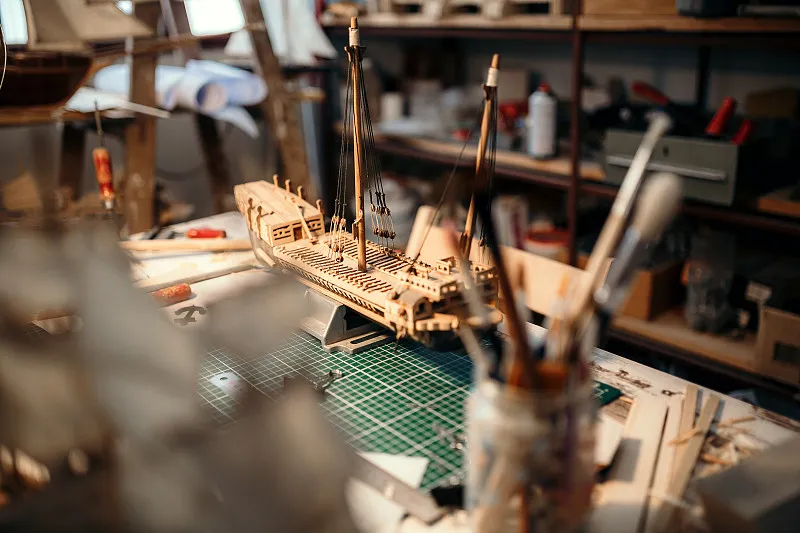
For younger students, simple and durable educational ship models are often more suitable because they clearly show basic vessel structures and encourage exploration. For universities and technical institutions, highly detailed models provide more advanced learning opportunities.
Educators should consider whether models will be used for classroom demonstrations, exhibitions, laboratory teaching, or long-term display. The intended purpose determines the ideal materials, scale, and level of craftsmanship.
The educational value of ship models in education increases significantly when teachers use them as part of interactive activities rather than simple displays.
Students can compare different vessel types, identify structural differences, discuss engineering choices, and present their observations. These activities encourage teamwork, communication, and analytical thinking.
By incorporating hands-on learning models into lessons, educators create opportunities for students to explore concepts independently and develop stronger problem-solving abilities.
Ship models in education help students understand complex concepts through visual and physical learning. They make topics such as engineering, science, history, and maritime technology easier to understand and remember.
Yes. Educational ship models are effective STEM teaching tools because they allow students to explore engineering design, physics principles, and real-world applications through practical examples.
Ship models in education provide valuable maritime education resources for schools, training centers, and museums. They help learners study vessel structures, maritime history, and transportation technology.
Yes. Hands-on learning models allow students to observe details, discuss designs, and participate in interactive activities. This makes learning more engaging compared with traditional text-based instruction.
 Hot News
2024-06-11
2024-06-07
2024-06-01
2024-06-01
2024-06-01
2024-05-25
Shenzhen Ocean Artwork Studio (O.A.S) Technology Co., Ltd. is a leading ship model manufacturer with over 15 years of experience. We specialize in designing and producing civil, military, and engineering ship models, working with top global shipping brands such as MAERSK, COSCO, and EVERGREEN.