räddningsfartygsmodell
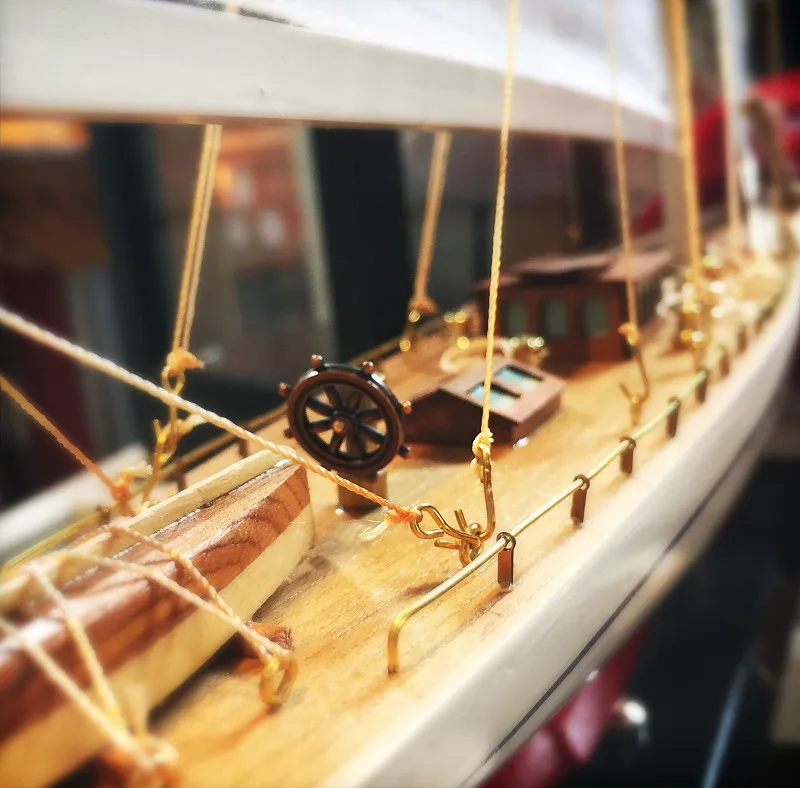
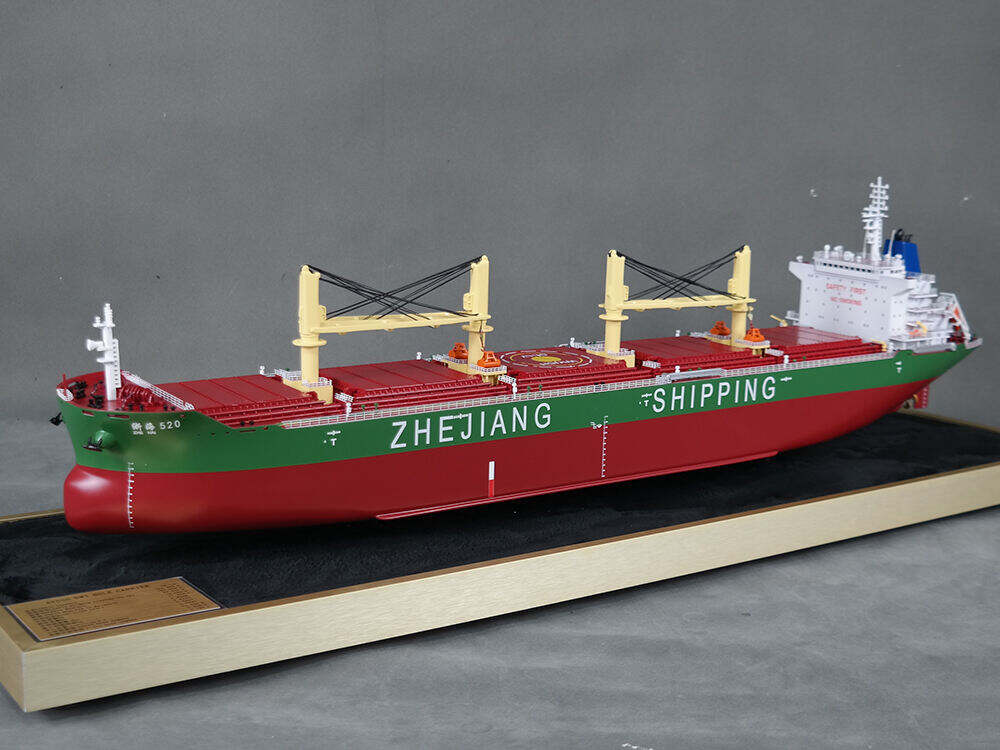
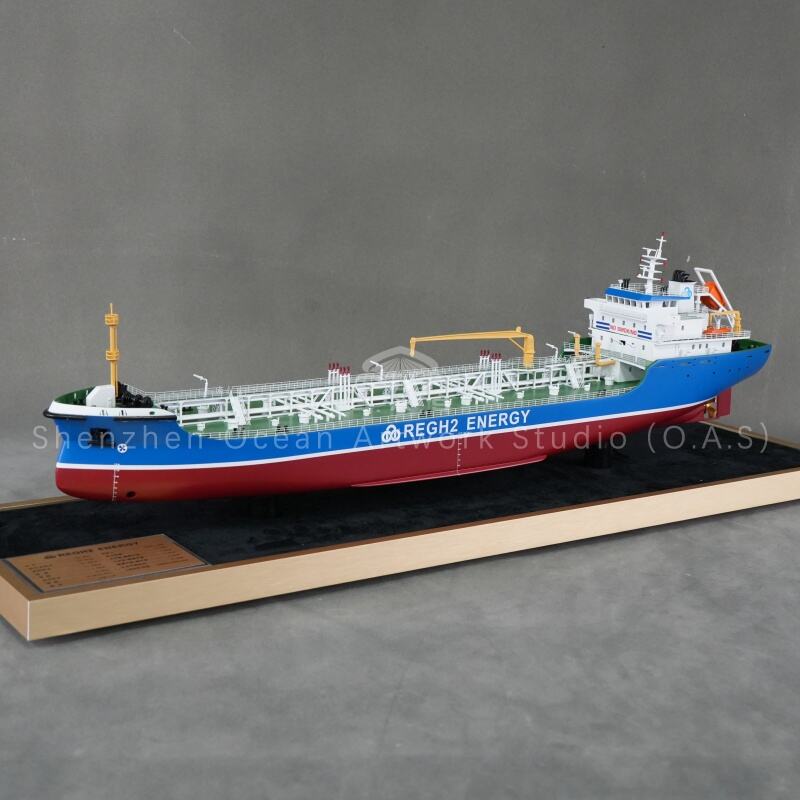
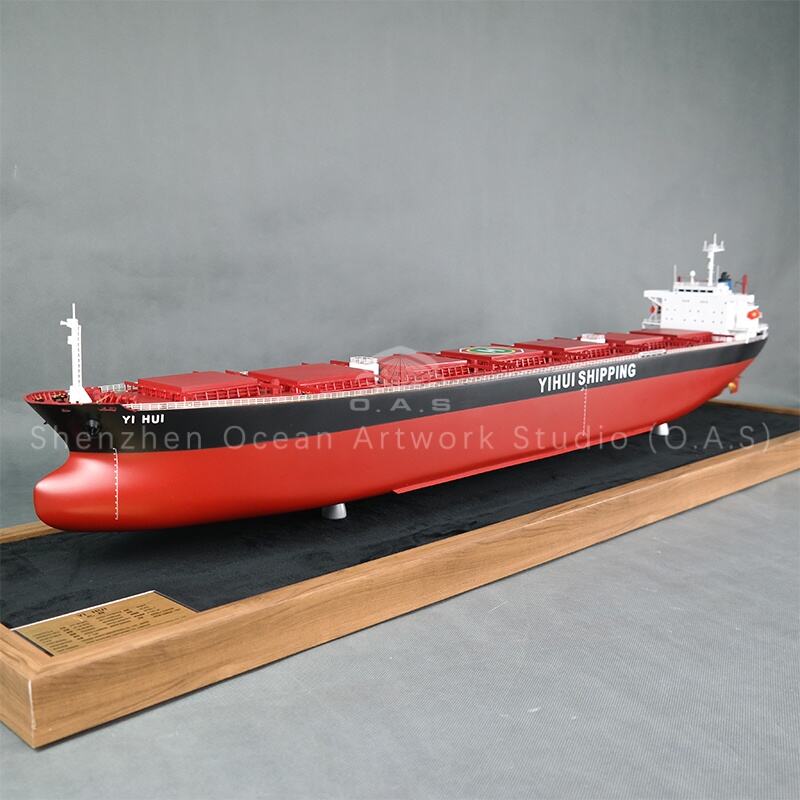
Bergningsskeppsmodellen representerar en revolutionerande framsteg inom marina återvinningsoperationer, genom att kombinera nyaste teknik med praktiska designelement för att hantera komplexa undervattensutmaningar. Dessa specialfartyg utgör stommen i sjöräddnings- och återvinningsuppdrag och är utrustade med sofistikerade system som gör besättningen i stand att lokalisera, bedöma och återvinna försänkta objekt, fartyg och last från olika undervattensmiljöer. Bergningsskeppsmodellen innefattar flera operativa funktioner, inklusive stöd för djupdykning, kraftfulla lyftmekanismer och avancerade sonaranläggningar som tillsammans säkerställer lyckade återvinningsoperationer. Moderna bergningsskeppsdesigner har förstärkta skrovstrukturer som tål hårda marinmiljöer samtidigt som stabilitet bibehålls under komplexa lyftoperationer. Fartygets primära funktioner sträcker sig bortom enkel återvinning och inkluderar stöd för undervattenskonstruktion, hjälp vid pipelineinstallation samt nödsvarsfunktioner vid sjöolyckor. Tekniska egenskaper hos bergningsskeppsmodellen inkluderar dynamiska positioneringssystem som håller exakt fartygsposition under operationer, datoriserade kranstyrsystem för noggrann lasthantering samt integrerade kommunikationsnätverk som samordnar flera fartygs insatser. Skeppets design möjliggör användning av specialutrustning såsom fjärrstyrda farkoster (ROV), mättnadsdykningssystem och verktyg för undervattensskärning, vilket ökar den operativa effektiviteten. Miljöhänsyn spelar en avgörande roll i utvecklingen av bergningsskeppsmodeller, där moderna fartyg integrerar system för föroreningsbegränsning och miljövänliga driftsprotokoll. Den stora mångsidigheten hos bergningsskeppsmodellen gör den oersättlig för rederier, marina operationer, offshoreenergisektorn och myndigheter för miljöskydd. Dessa fartyg opererar i varierande förhållanden, från grunt kustnära vatten till djupa oceanmiljöer, och anpassar sig till olika återvinningscenarier genom modulär utrustning och flexibla driftsprotokoll som säkerställer framgång i skilda marina utmaningar.
 EN
EN