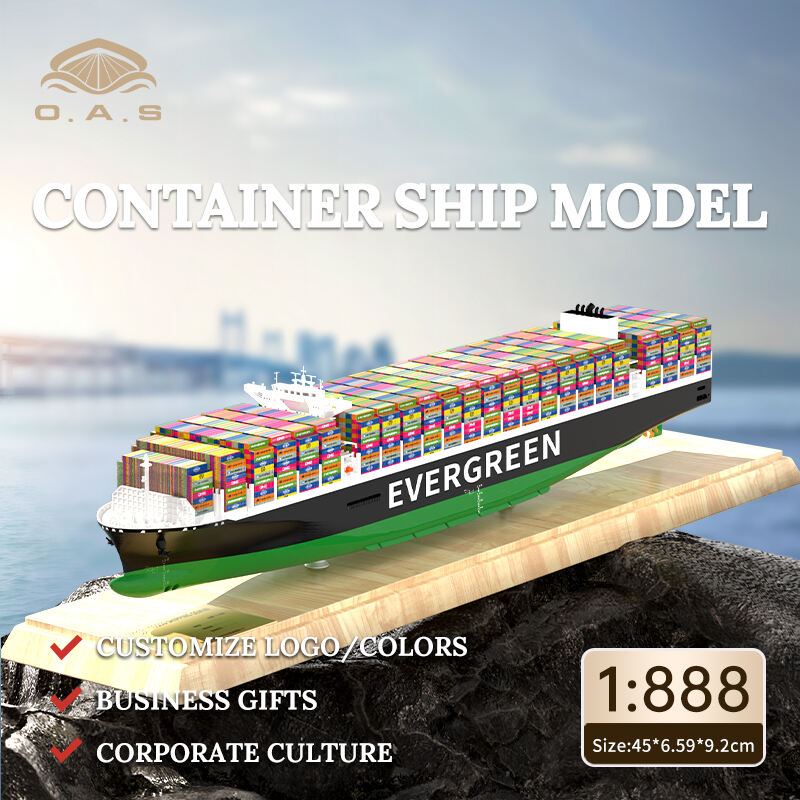
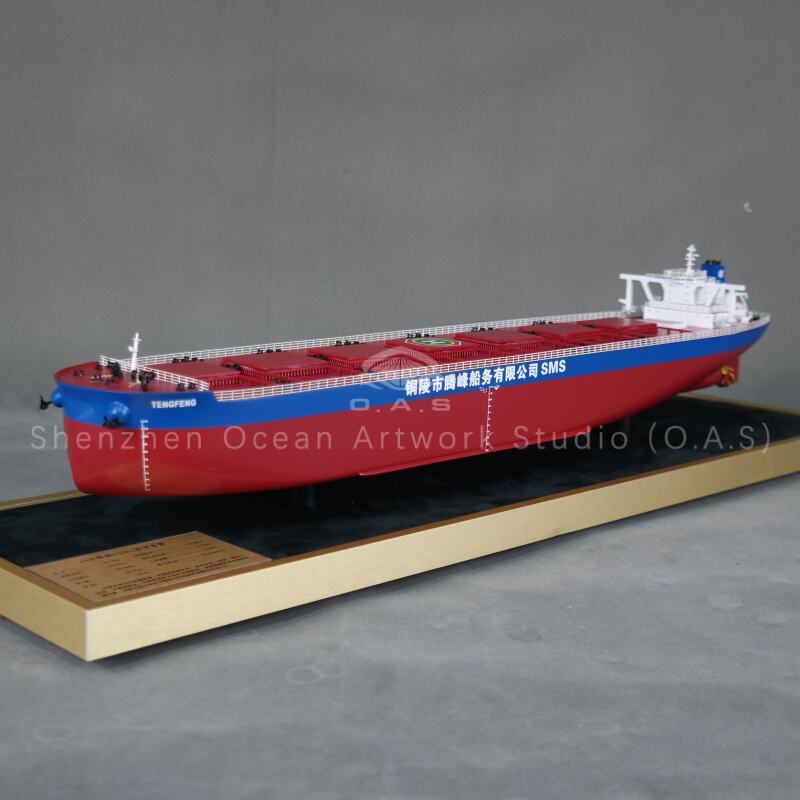
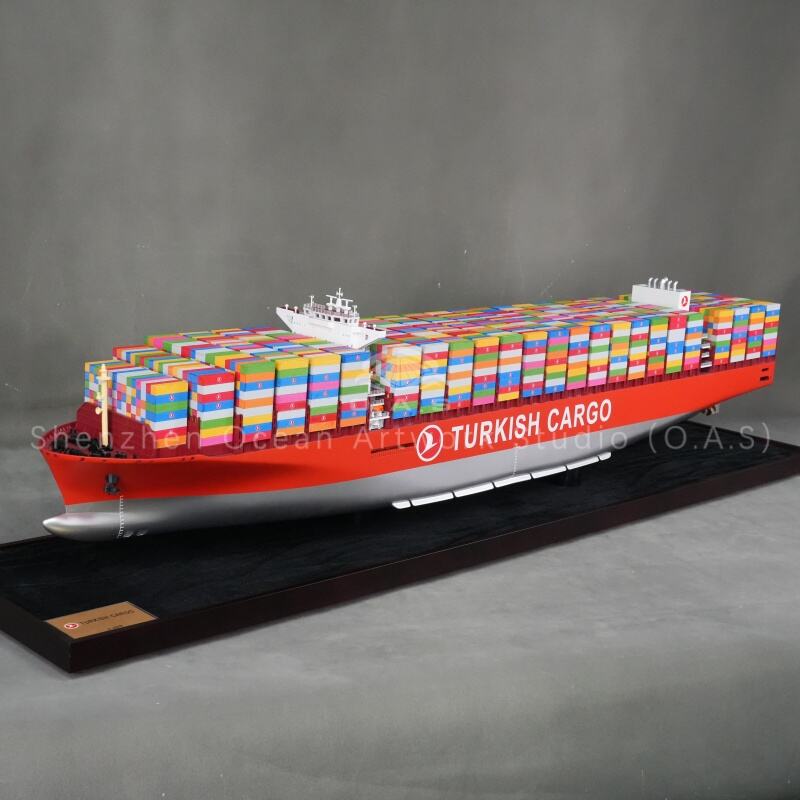
модель судна на природном газе
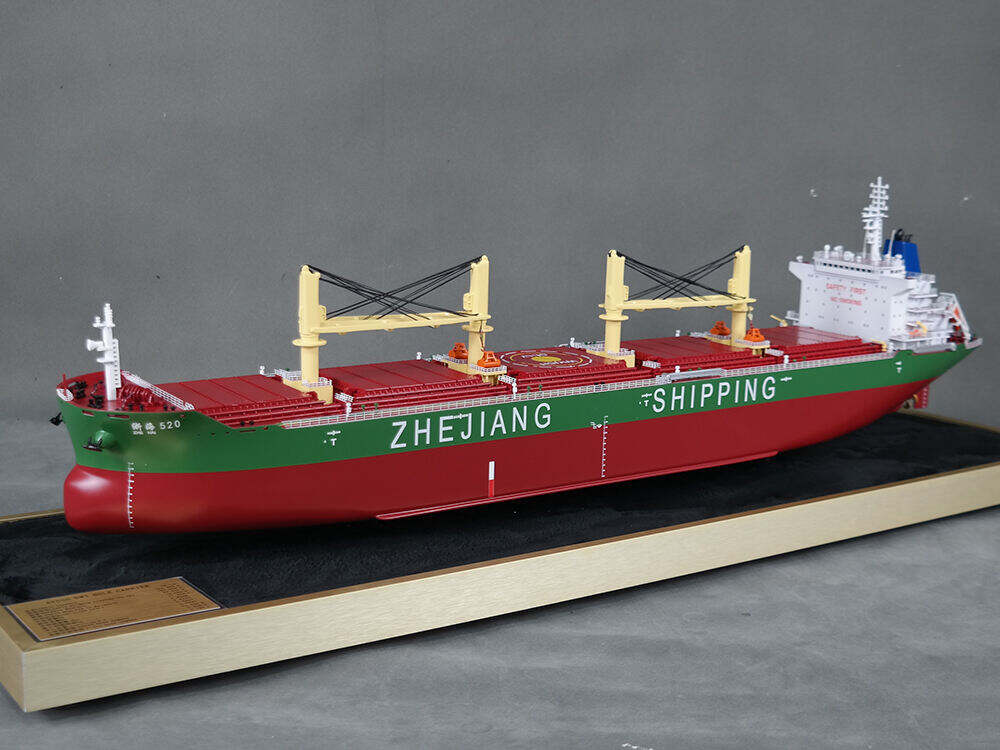
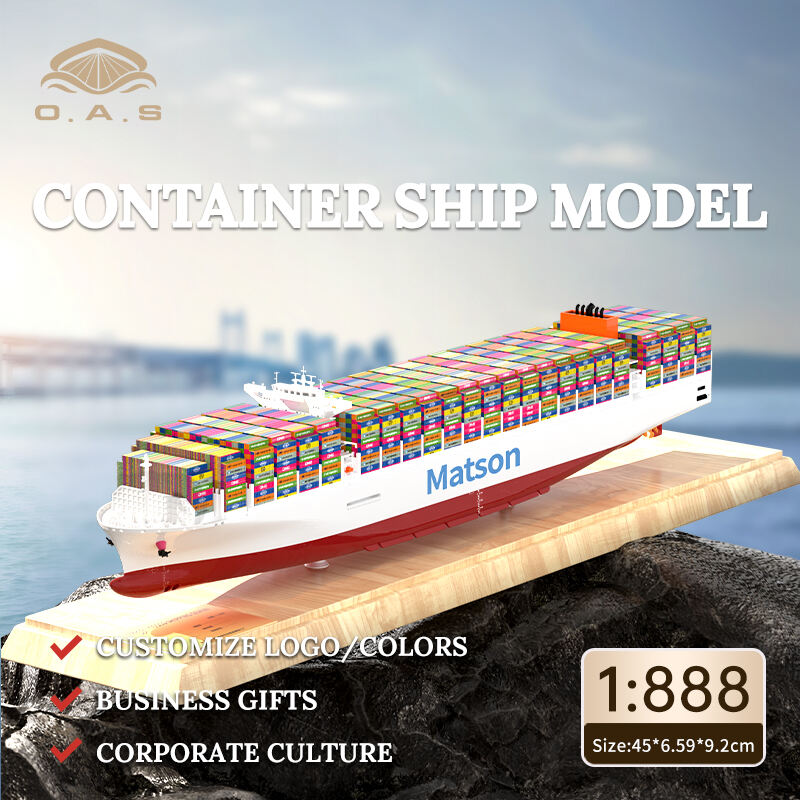
Модель судна для перевозки сжиженного природного газа представляет собой революционное достижение в технологии морского транспорта, специально разработанную для эффективной транспортировки сжиженного природного газа по глобальным морским маршрутам. Это сложное судно оснащено передовыми системами хранения, которые поддерживают природный газ в сжиженном состоянии при чрезвычайно низких температурах около минус 162 градусов Цельсия. Модель судна включает специализированные грузовые танки, изготовленные из современных теплоизоляционных материалов и с использованием инновационной мембранной технологии, предотвращающей утечку газа и обеспечивающей максимальную безопасность во время перевозки. Система привода судна использует двухтопливные двигатели, способные работать как на традиционных морских топливах, так и на природном газе, что значительно снижает выбросы и эксплуатационные расходы. Современные модели судов для перевозки природного газа оснащаются передовыми навигационными системами, автоматизированным оборудованием для обработки грузов и комплексными протоколами безопасности, соответствующими международным морским стандартам. Вместимость грузовых танков обычно составляет от 125 000 до 266 000 кубических метров, что позволяет удовлетворять различные потребности в поставках в зависимости от рыночного спроса. Эти суда оснащены дублирующими системами безопасности, включая аварийные системы отключения, сети обнаружения газа и средства пожаротушения, специально разработанные для работы с криогенными жидкостями. Модель судна для перевозки природного газа включает усовершенствованную конструкцию корпуса, оптимизированную для топливной эффективности и устойчивости в различных морских условиях. Сложные системы мониторинга непрерывно отслеживают температуру груза, уровень давления и целостность конструкции на протяжении всего рейса. На мостике установлено оборудование с интегрированными системами управления, обеспечивающими данные в реальном времени по всем операциям судна, что позволяет осуществлять точную навигацию и управление грузом. Эти суда представляют собой вершину морской инженерии, сочетая экологическую ответственность с экономической эффективностью в глобальной транспортировке энергии.
 EN
EN