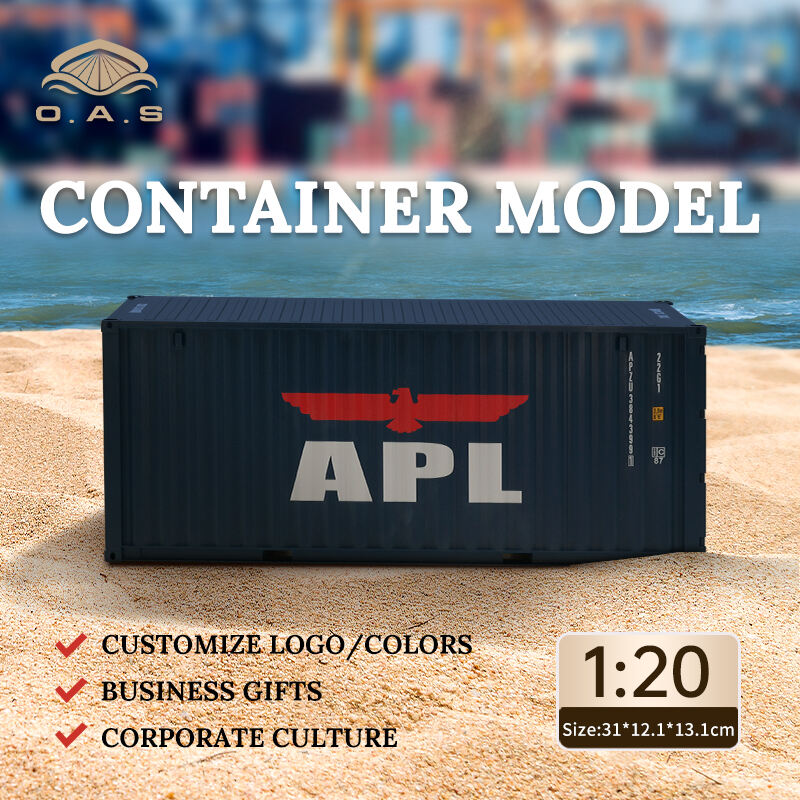
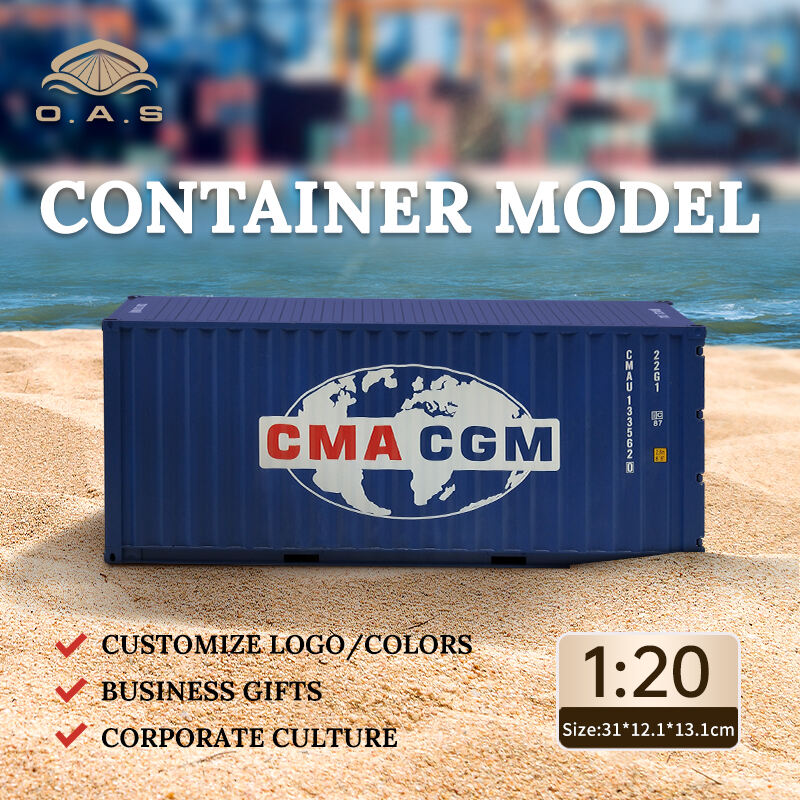
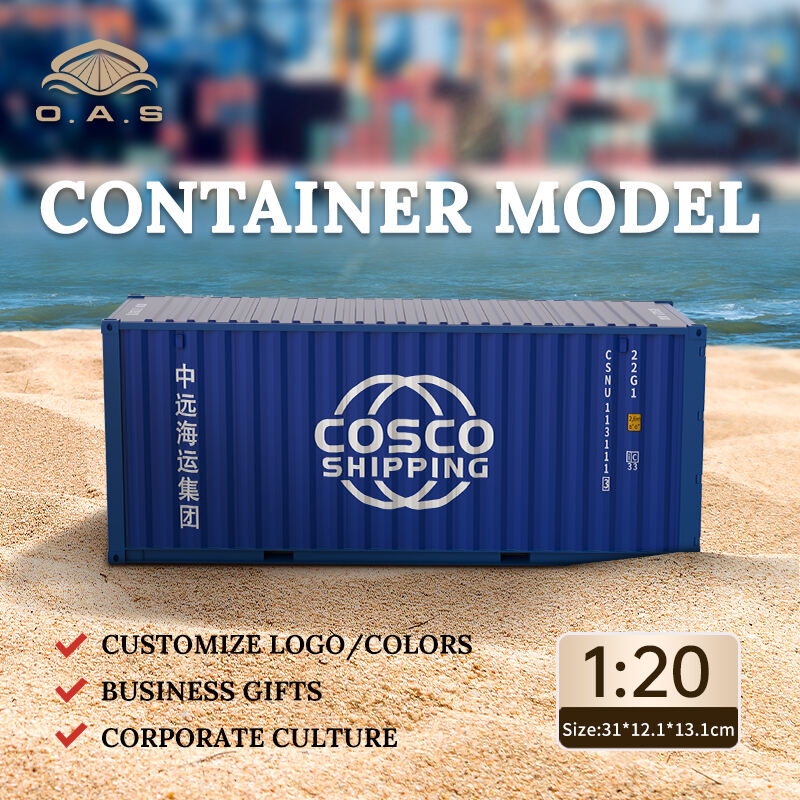
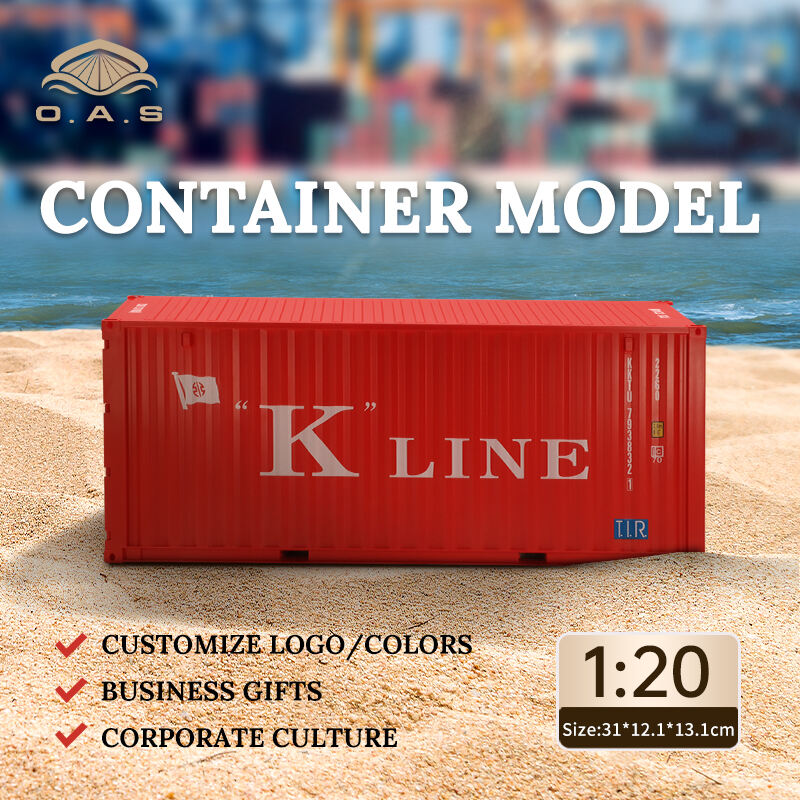
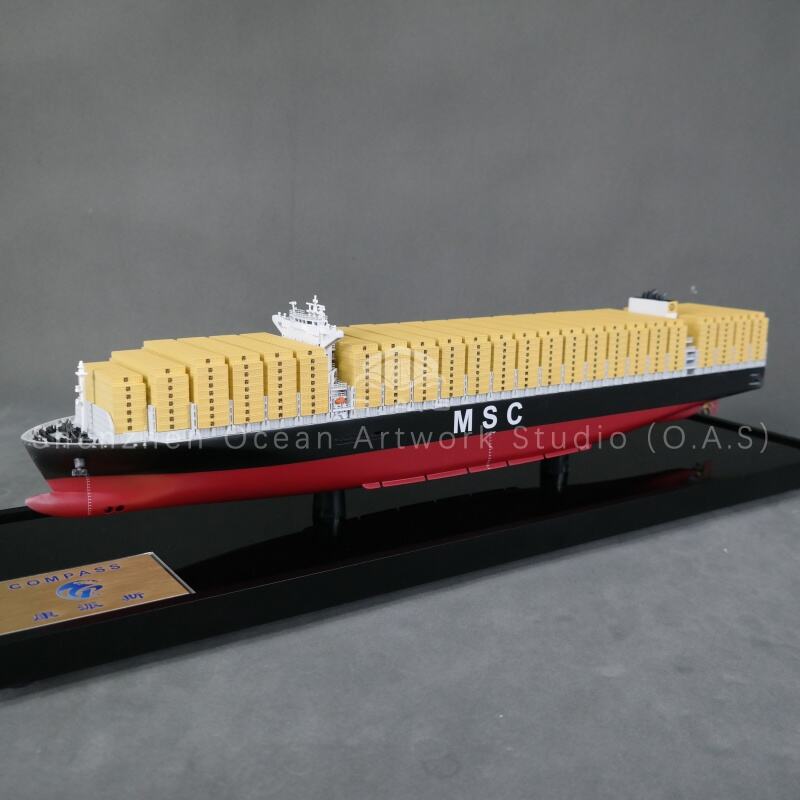
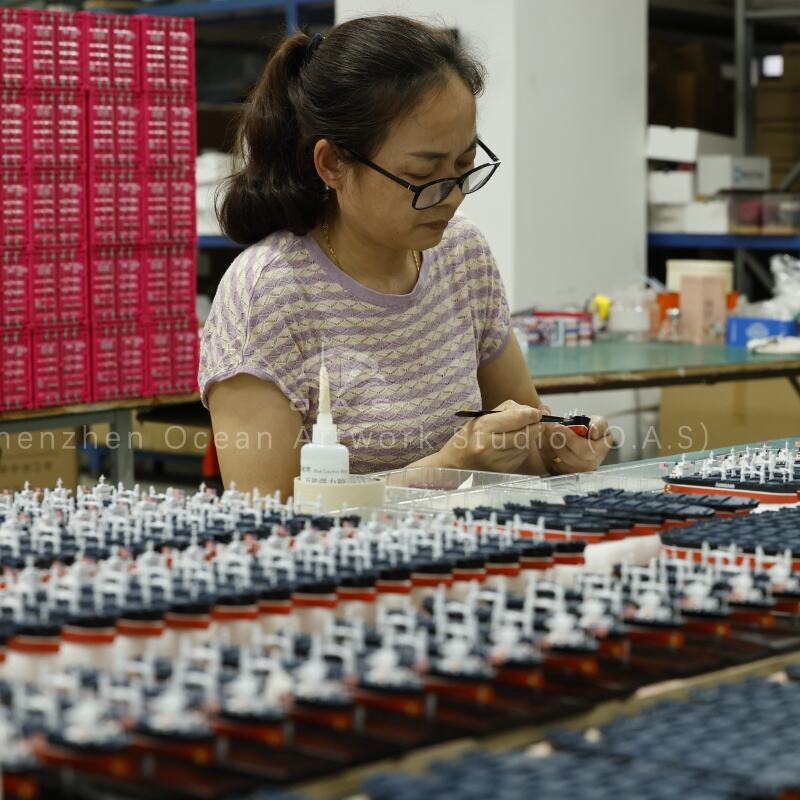
3D Printed Simulation Ship Models: Advanced Maritime Training and Educational Solutions

Get a Free Quote

Our representative will contact you soon.
Email
Name
Company Name
WhatsApp
Message
0/1000

3d printed simulation ship model

The 3d printed simulation ship model represents a revolutionary advancement in maritime education, training, and research applications. These sophisticated replicas combine cutting-edge additive manufacturing technology with precise naval architecture to create highly detailed, functional representations of various vessel types. Unlike traditional ship models, 3d printed simulation ship models offer unprecedented accuracy in hull geometry, superstructure details, and internal compartment layouts. The primary functions of these models encompass educational demonstrations, crew training simulations, research testing, and design validation processes. Maritime academies utilize these models to teach students about ship stability, buoyancy principles, and navigation systems through hands-on learning experiences. The technological features include multi-material printing capabilities that allow for different densities and properties within a single model, enabling realistic weight distribution and stability characteristics. Advanced 3d printed simulation ship models incorporate removable sections, revealing internal structures such as engine rooms, cargo holds, and crew quarters. Some variants feature integrated sensors and electronic components that monitor performance metrics during testing scenarios. The printing process enables rapid prototyping of custom vessel designs, allowing naval architects to evaluate hull forms and modifications before full-scale construction. Applications extend beyond education to include military training facilities, where tactical scenarios require accurate ship representations. Research institutions employ these models for hydrodynamic testing in controlled environments, studying wave interactions and resistance characteristics. The scalability of 3d printed simulation ship models makes them suitable for desktop demonstrations or large-scale testing facilities. Manufacturing flexibility allows for historical vessel recreations, enabling museums and educational institutions to showcase maritime heritage with authentic detail. The precision achievable through modern 3d printing technology ensures that critical design elements such as propeller configurations, rudder systems, and deck layouts maintain proportional accuracy essential for effective simulation purposes.

New Products

The 3d printed simulation ship model delivers substantial cost savings compared to traditional manufacturing methods, eliminating expensive tooling and mold creation processes. Organizations can produce custom models on-demand without minimum order quantities, reducing inventory costs and storage requirements significantly. The rapid production timeline enables quick turnaround from design conception to finished product, often completing complex models within days rather than weeks or months required by conventional methods. Customization capabilities allow users to modify designs easily, adapting models for specific training scenarios or research requirements without starting from scratch. The lightweight yet durable materials used in 3d printing create models that withstand repeated handling while remaining portable for classroom or field applications. Educational institutions benefit from the ability to create multiple identical models for simultaneous group learning activities, ensuring every student gains hands-on experience with consistent quality. The precision of 3d printed simulation ship models surpasses handcrafted alternatives, maintaining exact scale ratios and detailed features that enhance learning effectiveness. Users can easily replace damaged components by printing specific parts rather than purchasing entirely new models, extending the useful life and reducing long-term costs. The technology enables creation of cutaway sections and transparent components that reveal internal structures impossible to achieve with traditional solid materials. Environmental benefits include reduced waste generation through additive rather than subtractive manufacturing processes, using only necessary materials without excess cutting or machining. The digital nature of 3d model files allows for easy sharing and distribution across multiple locations, enabling standardized training materials worldwide. Quality consistency remains constant across production runs, eliminating variations common in hand-assembled models. The ability to integrate modern features such as LED lighting systems, electronic components, and movable parts enhances functionality beyond static display purposes. Small-scale production runs become economically viable, allowing specialized or niche vessel types to be modeled cost-effectively. The iterative design process enables continuous improvements based on user feedback, with updates quickly implemented across new production batches.

Tips And Tricks

Unique Maritime Gifts Customized for Shipping Companies

18

Jul

Unique Maritime Gifts Customized for Shipping Companies

Elevate corporate gifting with customized micro-scale container ships tailored to your shipping company’s branding. Impress clients with unique, high-quality gifts that reflect professionalism and foster lasting relationships. Discover our latest collection today.
View More
Model Container: Reconceptualizing The Purpose-Based Container In Design

28

Jul

Model Container: Reconceptualizing The Purpose-Based Container In Design

Discover how model containers revolutionize design processes across industries—from ship modeling to film sets. Explore creative uses and how OAS elevates design accuracy. Learn more.
View More
Why Custom Ship Models Are Ideal For Collectors

28

Jul

Why Custom Ship Models Are Ideal For Collectors

Discover why custom ship models are the ultimate choice for collectors—offering historical value, conversation-starting design, and investment potential. Elevate your collection today.
View More

Get a Free Quote

Our representative will contact you soon.
Email
Name
Company Name
WhatsApp
Message
0/1000

3d printed simulation ship model

Unmatched Educational Impact Through Interactive Learning

Unmatched Educational Impact Through Interactive Learning

The 3d printed simulation ship model transforms maritime education by providing students with tangible, interactive learning experiences that traditional textbooks and digital simulations cannot match. These physical models allow learners to examine vessel construction details up close, understanding complex engineering principles through direct manipulation and observation. Students can remove deck plates to explore engine room layouts, manipulate rudder systems to comprehend steering mechanisms, and observe how different hull shapes affect stability characteristics. The tactile nature of learning with 3d printed simulation ship models enhances retention rates significantly, as kinesthetic learners benefit from hands-on exploration of maritime concepts. Instructors can demonstrate critical safety procedures using accurate scale representations, showing students exactly how emergency equipment is positioned and accessed aboard real vessels. The models serve as excellent visual aids during lectures, helping students visualize abstract concepts such as metacentric height, load line calculations, and trim adjustments. Maritime academies report improved student engagement when incorporating 3d printed simulation ship models into their curricula, with complex topics becoming more accessible through physical demonstration. The ability to create multiple identical models ensures consistent learning experiences across different class sections and semesters. Students can work in teams to conduct stability experiments, measure displacement volumes, and analyze design modifications using these precise replicas. The cost-effectiveness of 3d printed models allows institutions to build comprehensive fleets representing various vessel types, from cargo ships and tankers to naval vessels and offshore platforms. This diversity enables comparative studies where students examine how different designs address specific operational requirements. The models also facilitate cross-disciplinary learning, as engineering students collaborate with maritime business majors to understand both technical and commercial aspects of shipping operations.
Superior Accuracy and Customization for Professional Training

Superior Accuracy and Customization for Professional Training

Professional training facilities demand the highest levels of accuracy in their simulation equipment, and 3d printed simulation ship models deliver unprecedented precision that closely matches real vessel specifications. These models maintain exact scale relationships in all dimensions, ensuring that training scenarios reflect authentic operational conditions encountered at sea. The customization capabilities of 3d printing technology allow training centers to replicate specific vessels from their fleets, providing crew members with familiar environments that directly translate to their work assignments. This specificity proves particularly valuable for specialized vessel operations such as offshore drilling platforms, LNG carriers, or research vessels with unique configurations. The models can incorporate actual equipment layouts, control panel positions, and safety equipment locations, enabling realistic emergency response training without the costs and risks associated with full-scale vessel exercises. Training programs benefit from the ability to create damaged or modified vessel conditions, simulating scenarios such as flooding compartments, equipment failures, or structural damage for emergency response preparation. The rapid production timeline enables training facilities to quickly develop new scenarios or update existing models to reflect fleet modifications or regulatory changes. Professional mariners appreciate the attention to detail achievable through 3d printed simulation ship models, including accurate representation of cargo handling equipment, mooring systems, and navigation bridge layouts. The models support progressive training approaches, where crew members advance from basic familiarization using desktop models to complex scenario-based exercises with larger-scale versions. Integration capabilities allow for electronic systems incorporation, including lighting systems that simulate various operational conditions such as night operations or emergency situations. The durability of modern 3d printing materials ensures that these training aids withstand intensive use while maintaining their precision and detail integrity over extended periods.
Advanced Research Capabilities and Design Validation Benefits

Advanced Research Capabilities and Design Validation Benefits

Research institutions and naval architecture firms recognize 3d printed simulation ship models as invaluable tools for design validation and hydrodynamic research, offering capabilities that traditional model-making methods cannot match. These models enable rapid prototyping of innovative hull forms, allowing researchers to test multiple design iterations quickly and cost-effectively before committing to expensive full-scale construction or extensive computational analysis. The precision achievable through modern 3d printing ensures that critical design features such as bow shapes, stern configurations, and appendage geometries are accurately reproduced for meaningful research results. Wave tank testing facilities utilize these models to study resistance characteristics, seakeeping behavior, and maneuvering properties under controlled conditions that replicate real-world scenarios. The ability to create hollow models with accurate weight distribution enables realistic stability testing, where researchers can examine metacentric height effects and dynamic response characteristics. Design validation processes benefit significantly from the speed and accuracy of 3d printed simulation ship models, as naval architects can quickly assess the impact of design modifications on vessel performance. Research applications extend to environmental studies, where models help analyze wake wash effects, propeller cavitation, and fuel efficiency improvements. The technology enables creation of parametric model series, where systematic variations in hull form allow researchers to identify optimal design characteristics for specific operational requirements. Academic research programs utilize these models for student thesis projects and collaborative industry partnerships, providing hands-on experience with actual design challenges. The cost-effectiveness of 3d printing makes advanced research techniques accessible to smaller institutions that previously could not afford traditional model testing programs. Quality control benefits from the repeatable nature of 3d printing, ensuring that multiple test models maintain identical characteristics for comparative studies and verification testing.
Get a Quote Get a Quote

Get a Free Quote

Our representative will contact you soon.
Email
Name
Company Name
WhatsApp
Message
0/1000