Nilai Pendidikan dan Pemeliharaan Warisan Budaya
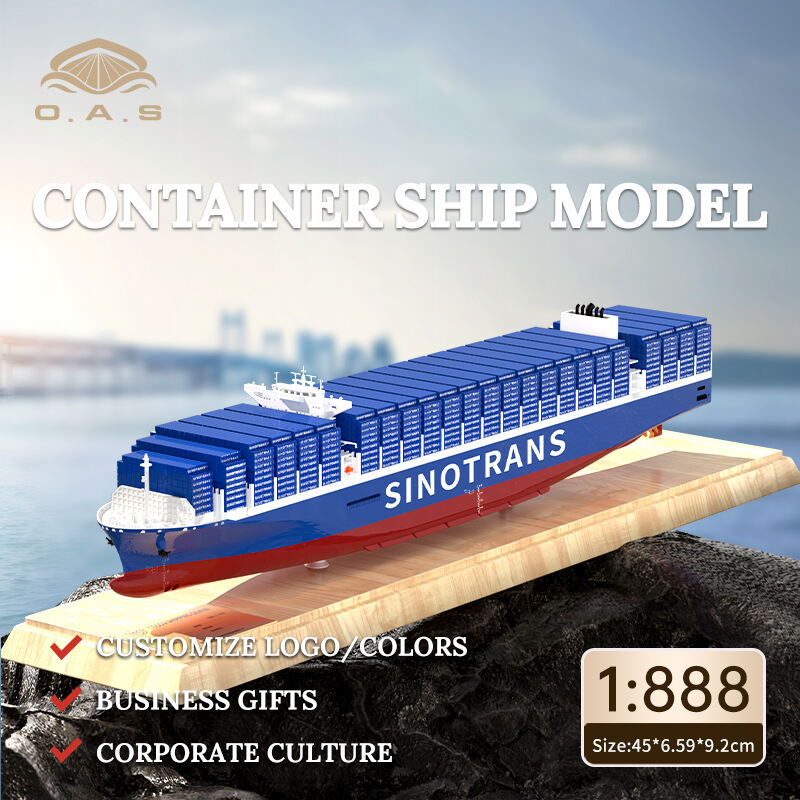
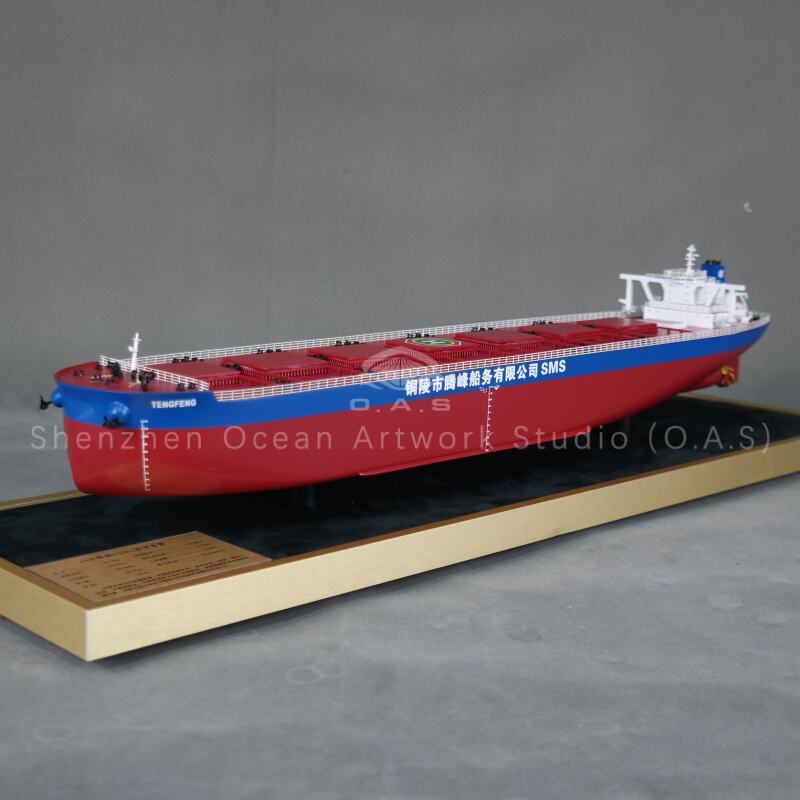
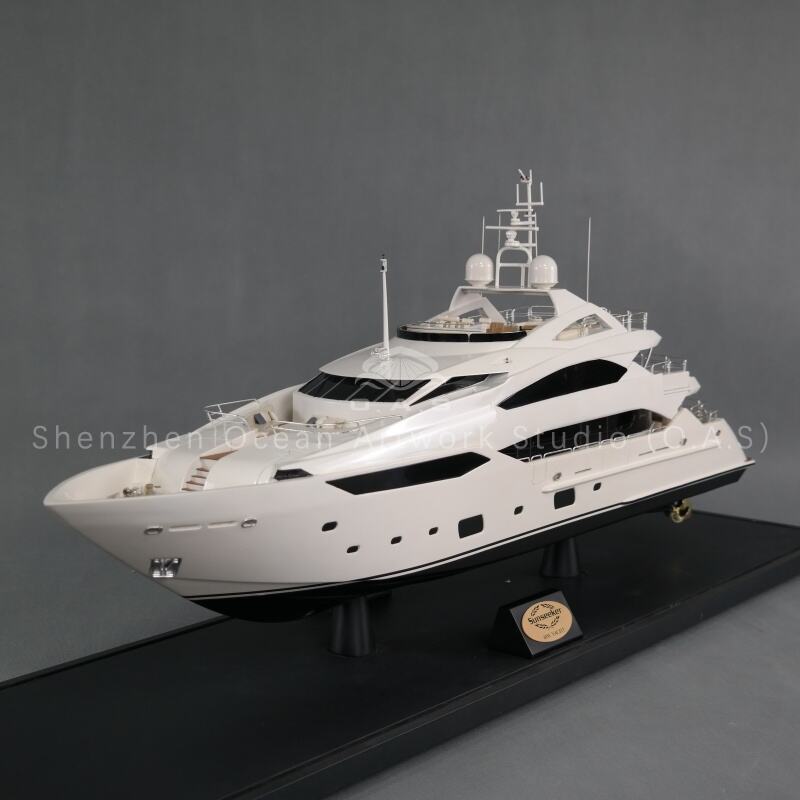
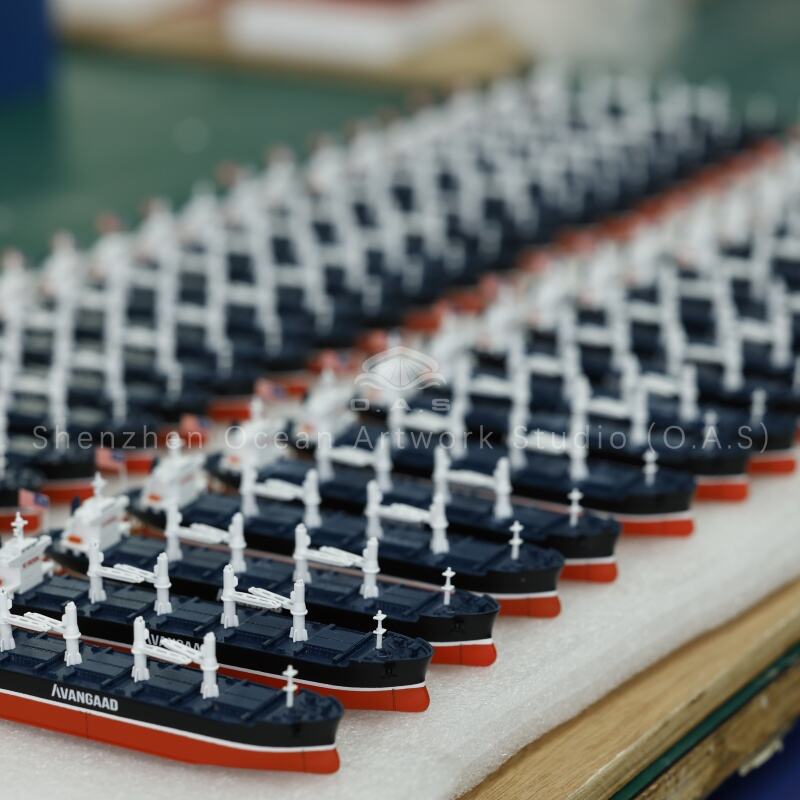
Aspek nilai pendidikan dan pemeliharaan warisan budaya pada model kapal simulasi buatan tangan menciptakan manfaat mendalam yang jauh melampaui daya tarik estetikanya, menjadikannya sumber berharga bagi institusi pendidikan, museum, dan organisasi budaya di seluruh dunia. Setiap model kapal simulasi buatan tangan berfungsi sebagai buku teks tiga dimensi yang menghidupkan sejarah maritim, membolehkan pelajar, penyelidik, dan peminat untuk mengkaji teknik pembinaan kapal, prinsip arkitektur kelautan, dan tradisi maritim budaya secara terperinci seperti tidak pernah sebelumnya. Sifat model yang boleh disentuh membolehkan pelajar kinestetik memahami konsep kompleks melalui eksplorasi langsung, manakala pelajar visual mendapat manfaat daripada nisbah yang tepat, bahan autentik, dan butiran pembinaan realistik yang tidak dapat sepenuhnya disampaikan oleh gambar foto atau representasi digital. Institusi pendidikan menggunakan model kapal simulasi buatan tangan untuk mengajar pelbagai subjek termasuk sejarah, kejuruteraan, fizik, dan kajian budaya, dengan setiap model menyediakan pelbagai peluang pembelajaran merentasi disiplin ilmu dan peringkat pengajian yang berbeza. Ketepatan dan autentikiti model ini menjadikannya sesuai untuk penyelidikan akademik lanjutan, membolehkan sarjana mengkaji teknik pembinaan kapal sejarah, menganalisis evolusi reka bentuk, serta memahami kemampuan teknologi pada zaman dan budaya yang berbeza. Museum bergantung kepada model kapal simulasi buatan tangan untuk mencipta pameran menarik yang menarik pengunjung dan menyampaikan konsep maritim kompleks kepada pelbagai khalayak, dari kanak-kanak sekolah hingga profesional maritim. Aspek pemeliharaan warisan budaya menjadi amat penting apabila model ini mewakili kapal-kapal yang sudah tidak wujud lagi, berfungsi sebagai rekod kekal pencapaian maritim penting, tradisi budaya, dan inovasi teknologi yang mungkin hilang dalam sejarah. Teknik pembinaan kapal tempatan dan tradisional sering dipelihara dan didokumentasikan melalui model kapal simulasi buatan tangan, memastikan pengetahuan budaya bernilai ini diwariskan kepada generasi akan datang walaupun ahli atau kaedah pembinaan asal telah pupus. Proses penyelidikan yang diperlukan untuk mencipta model kapal simulasi buatan tangan yang tepat kerap kali mendedahkan maklumat sejarah yang menyumbang kepada arkeologi maritim dan penyelidikan sejarah, menambah pemahaman kolektif kita tentang warisan maritim. Peluang pembangunan profesional muncul daripada kajian dan penciptaan model-model ini, apabila arkitek kelautan, jurutera maritim, dan profesional pembinaan kapal memperoleh wawasan mengenai penyelesaian reka bentuk sejarah yang boleh membimbing pembangunan kapal kontemporari. Ilham dan motivasi yang diberikan oleh model kapal simulasi buatan tangan menggalakkan golongan muda untuk mengejar kerjaya dalam industri maritim, kejuruteraan kelautan, dan sains marin, menyumbang kepada kesinambungan tradisi maritim dan kemajuan teknologi.
 EN
EN