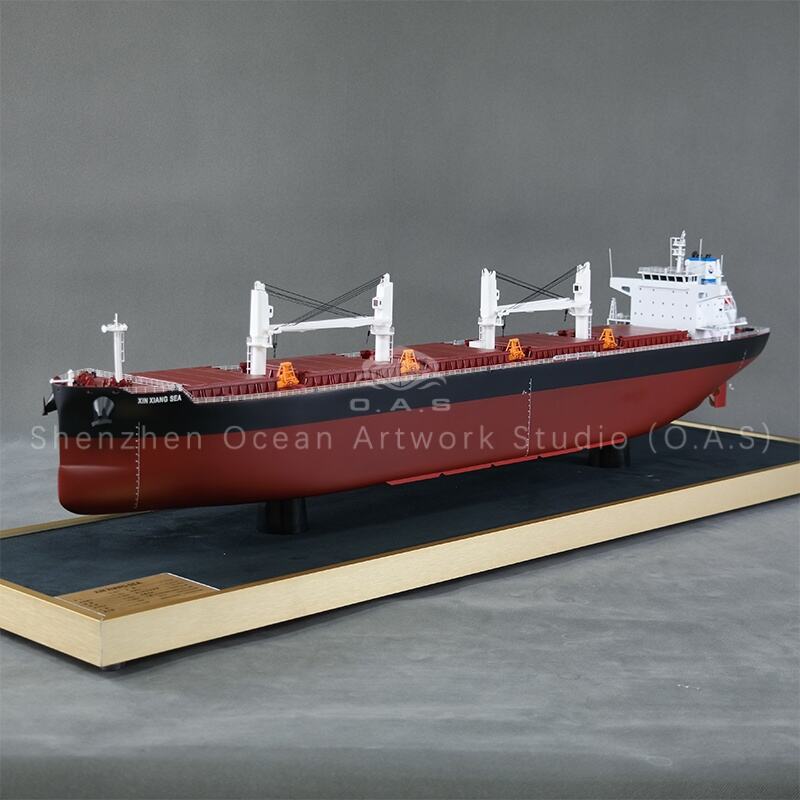
Professional Crane Ship Model Solutions - Advanced Marine Heavy Lifting Technology

Get a Free Quote

Our representative will contact you soon.
Email
Name
Company Name
WhatsApp
Message
0/1000

crane ship model

The crane ship model represents a revolutionary advancement in marine heavy-lifting technology, combining the mobility of oceangoing vessels with the power of industrial cranes. These specialized ships serve as floating platforms capable of lifting, transporting, and positioning massive loads across global waters. The crane ship model integrates sophisticated engineering principles to deliver exceptional lifting capacity while maintaining stability in challenging marine environments. Modern crane ship models feature dynamic positioning systems that utilize GPS technology and thruster configurations to maintain precise positioning without anchoring. The vessel's design incorporates reinforced hull structures engineered to withstand the tremendous forces generated during heavy lifting operations. Advanced counterweight systems and ballast controls ensure optimal weight distribution throughout lifting sequences. The crane ship model typically includes multiple crane configurations, ranging from single boom cranes to sophisticated revolving cranes capable of 360-degree rotation. These vessels employ cutting-edge hydraulic systems that provide smooth, controlled lifting motions essential for precision work. Computer-controlled load monitoring systems continuously track lifting parameters to prevent overloading and ensure operational safety. The crane ship model's technological features include automated load compensation systems that adjust for wave motion, maintaining stable lifting conditions even in moderate sea states. Weathervaning capabilities allow the vessel to automatically orient itself for optimal wind resistance during operations. Modern crane ship models incorporate eco-friendly diesel-electric propulsion systems that reduce emissions while providing reliable power for both propulsion and crane operations. These vessels find extensive applications in offshore wind farm installations, oil platform construction, bridge component placement, and heavy cargo transportation. The crane ship model serves critical roles in disaster response scenarios, port construction projects, and salvage operations. Their versatility makes them indispensable for marine construction projects requiring precise heavy-lifting capabilities in offshore environments.

New Product Recommendations

The crane ship model offers remarkable operational flexibility that traditional land-based cranes cannot match. These vessels reach remote offshore locations where conventional lifting equipment proves impossible to deploy. The crane ship model eliminates the need for extensive ground preparation and foundation work required by land-based alternatives. Transportation costs decrease significantly since the crane ship model travels directly to project sites, reducing the expense of dismantling and reassembling equipment. Project timelines accelerate because crane ship models combine transportation and lifting capabilities in one integrated platform. The vessel's mobility allows rapid repositioning between multiple work sites within the same project area. Weather adaptability represents another major advantage, as crane ship models incorporate stabilization systems that enable operations in conditions that would halt land-based equipment. The crane ship model provides superior lifting height compared to most mobile land cranes, making it ideal for tall structure construction. Load capacity often exceeds what smaller mobile cranes can handle, with some crane ship models lifting thousands of tons safely. Precision control systems ensure accurate load placement even in challenging offshore conditions. The crane ship model reduces environmental impact by minimizing the need for temporary roads, staging areas, and extensive site preparation. Operational costs decrease over project duration since the vessel serves multiple functions simultaneously. Safety improvements result from the crane ship model's advanced monitoring systems and fail-safe mechanisms built into every operation. The vessel's self-sufficient design includes accommodation facilities, reducing logistical complexity for extended operations. Fuel efficiency benefits emerge from the integrated design where propulsion and crane systems share power sources. The crane ship model adapts to various project requirements through modular crane configurations and adjustable boom lengths. Maintenance accessibility improves since specialized technicians can board the vessel directly rather than accessing remote land-based equipment. Quality control enhances through the crane ship model's stable platform that reduces load swing and positioning errors. Economic benefits compound as the crane ship model eliminates rental costs for multiple pieces of equipment, providing comprehensive lifting solutions through a single contracted vessel.

Practical Tips

Unique Maritime Gifts Customized for Shipping Companies

18

Jul

Unique Maritime Gifts Customized for Shipping Companies

Elevate corporate gifting with customized micro-scale container ships tailored to your shipping company’s branding. Impress clients with unique, high-quality gifts that reflect professionalism and foster lasting relationships. Discover our latest collection today.
View More
Ship model, is inherited, but also carry forward

18

Jul

Ship model, is inherited, but also carry forward

Discover how ship models preserve centuries of maritime culture and boatbuilding heritage. Learn about their historical significance and modern craftsmanship. Explore the legacy today.
View More
The market size and future development trend of the ship model industry in China

18

Jul

The market size and future development trend of the ship model industry in China

Explore the future of China's ship model industry with insights on market size, 15%+ growth projections, and tech advancements. Read the full report for strategic investment opportunities.
View More
 Boost Your Collection With Uniquely Built Ship Models

22

Jul

Boost Your Collection With Uniquely Built Ship Models

Discover the artistry and history behind unique ship models. Explore how these detailed replicas enhance collections, inspire learning, and celebrate maritime heritage.
View More

Get a Free Quote

Our representative will contact you soon.
Email
Name
Company Name
WhatsApp
Message
0/1000

crane ship model

Advanced Dynamic Positioning Technology

Advanced Dynamic Positioning Technology

The crane ship model incorporates state-of-the-art dynamic positioning technology that revolutionizes offshore heavy-lifting operations. This sophisticated system combines GPS satellite positioning, acoustic positioning references, and gyrocompasses to maintain precise vessel location within centimeter accuracy. The crane ship model's dynamic positioning eliminates the traditional need for anchoring systems, providing unprecedented flexibility in positioning and repositioning during complex lifting operations. Multiple thruster configurations work in harmony with the positioning system, automatically compensating for wind, wave, and current forces that would otherwise affect lifting precision. The crane ship model's computer-controlled positioning responds instantly to environmental changes, maintaining stable working conditions even in challenging sea states. This technology enables operations in deeper waters where traditional anchoring becomes impractical or impossible. The dynamic positioning system integrates seamlessly with the crane ship model's lifting operations, automatically adjusting vessel position to optimize crane geometry and load handling. Redundant positioning systems ensure operational continuity even if primary components experience failure, maintaining safety standards throughout lifting sequences. The crane ship model's positioning accuracy enables precise placement of heavy components with tolerances measured in centimeters rather than meters. Fuel efficiency improves through optimized thruster operation that minimizes power consumption while maintaining position. The system's predictive algorithms anticipate environmental forces, pre-positioning thrusters to counteract disturbances before they affect vessel stability. Weather routing capabilities allow the crane ship model to automatically orient for minimum environmental impact during operations. The dynamic positioning technology extends operational windows, allowing work to continue in conditions that would halt conventionally anchored vessels. Real-time monitoring displays provide operators with comprehensive positioning data, enabling informed decisions throughout lifting operations. The crane ship model's positioning system integrates with project planning software, enabling precise pre-positioning for complex multi-crane operations. Environmental benefits result from eliminating anchor damage to seabeds and marine ecosystems. The technology reduces operational costs by eliminating anchor handling vessels and associated positioning time.
Integrated Load Management Systems

Integrated Load Management Systems

The crane ship model features revolutionary integrated load management systems that transform heavy-lifting safety and precision standards. These comprehensive systems monitor every aspect of lifting operations through sophisticated sensor networks embedded throughout the crane ship model's structure. Real-time load monitoring provides continuous feedback on weight distribution, lifting forces, and structural stress levels across all crane components. The crane ship model's load management system automatically calculates safe working loads based on environmental conditions, vessel stability, and crane configuration. Advanced algorithms process multiple data streams simultaneously, providing operators with instant feedback on operational parameters and safety margins. Load compensation technology actively counteracts vessel motion during lifting operations, maintaining stable load positioning despite wave action and wind forces. The crane ship model's system includes predictive load swing analysis that anticipates and compensates for pendulum effects during crane movements. Automatic overload protection prevents dangerous lifting scenarios by limiting crane operation when loads exceed safe parameters. The integrated system coordinates multiple cranes on larger crane ship models, ensuring balanced loading and preventing structural stress concentration. Digital load charts provide precise lifting capacity data for every crane position and configuration, optimizing operational planning. The crane ship model's load management extends to ballast control, automatically adjusting vessel trim and stability as lifting operations progress. Wireless communication between load blocks and control systems eliminates cable-related limitations in monitoring capabilities. Historical data logging enables post-operation analysis and continuous improvement of lifting procedures. The system's interface presents complex data in user-friendly formats, enabling operators to make informed decisions quickly. Emergency response protocols activate automatically when sensors detect potentially dangerous conditions, protecting both equipment and personnel. The crane ship model's load management integrates with weather monitoring systems, adjusting operational parameters based on forecast conditions. Quality assurance features document every lifting operation with detailed logs for regulatory compliance and client verification. Training simulation capabilities allow operators to practice complex lifting scenarios using the actual crane ship model's systems without operational risks.
Multi-Purpose Operational Capabilities

Multi-Purpose Operational Capabilities

The crane ship model delivers exceptional versatility through multi-purpose operational capabilities that maximize investment returns across diverse marine projects. These vessels seamlessly transition between heavy lifting, transportation, and installation operations without requiring equipment changes or extended mobilization periods. The crane ship model's modular design accommodates various crane configurations, from single heavy-lift cranes to multiple smaller units optimized for specific project requirements. Deck space optimization allows simultaneous crane operations and cargo storage, enabling efficient project logistics and reduced vessel requirements. The crane ship model serves offshore wind energy projects by installing turbine components, foundation structures, and electrical infrastructure with precision and efficiency. Oil and gas applications benefit from the vessel's ability to handle platform modules, drilling equipment, and pipeline components in challenging offshore environments. Bridge construction projects utilize the crane ship model's capability to position massive concrete segments and steel structures with millimeter precision. The vessel's accommodation facilities support extended operations with comfortable quarters for technical teams, crane operators, and project supervisors. Self-sufficient operational capabilities include onboard workshops, spare parts storage, and maintenance facilities that minimize downtime during extended projects. The crane ship model adapts to salvage operations through specialized lifting attachments and underwater cutting equipment integration. Port construction benefits from the vessel's ability to position dock structures, container handling equipment, and marine infrastructure components. Emergency response capabilities enable the crane ship model to deploy rapidly for disaster relief operations, removing debris and restoring critical infrastructure. The vessel's communication systems support real-time coordination with shore-based teams, ensuring seamless project integration and safety management. Fuel and supply management systems enable extended operations without frequent resupply trips, reducing project costs and environmental impact. The crane ship model's navigation systems comply with international maritime regulations while providing optimal route planning for efficient project-to-project transitions. Environmental monitoring equipment ensures compliance with marine protection standards while documenting minimal ecological impact during operations. Crew training facilities onboard enable continuous skill development and safety protocol refinement throughout project duration. The vessel's flexibility extends to seasonal operations, adapting between construction seasons and maintenance periods with optimized operational configurations.
Get a Quote Get a Quote

Get a Free Quote

Our representative will contact you soon.
Email
Name
Company Name
WhatsApp
Message
0/1000