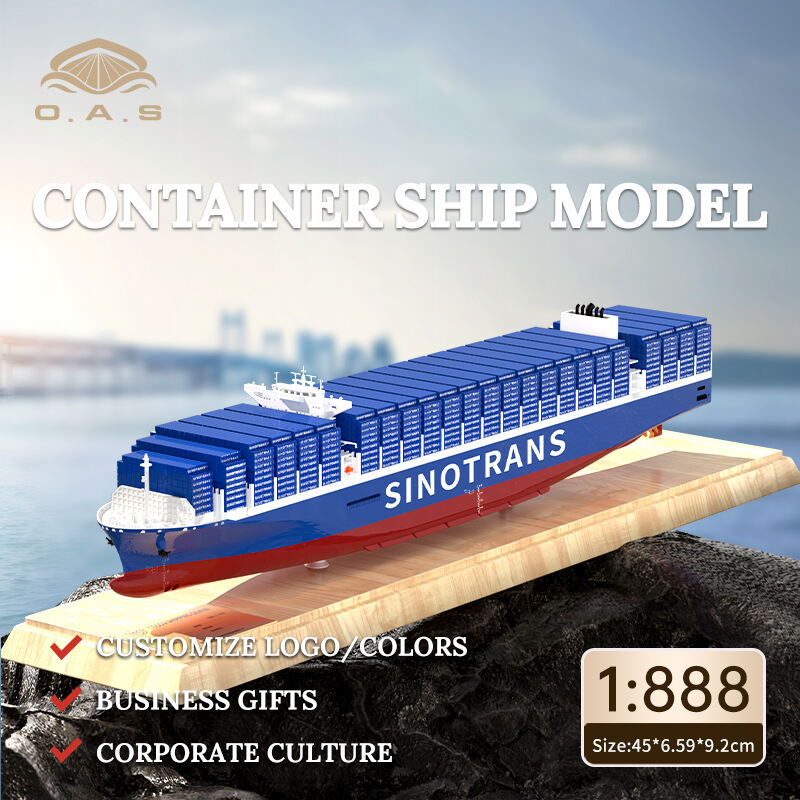
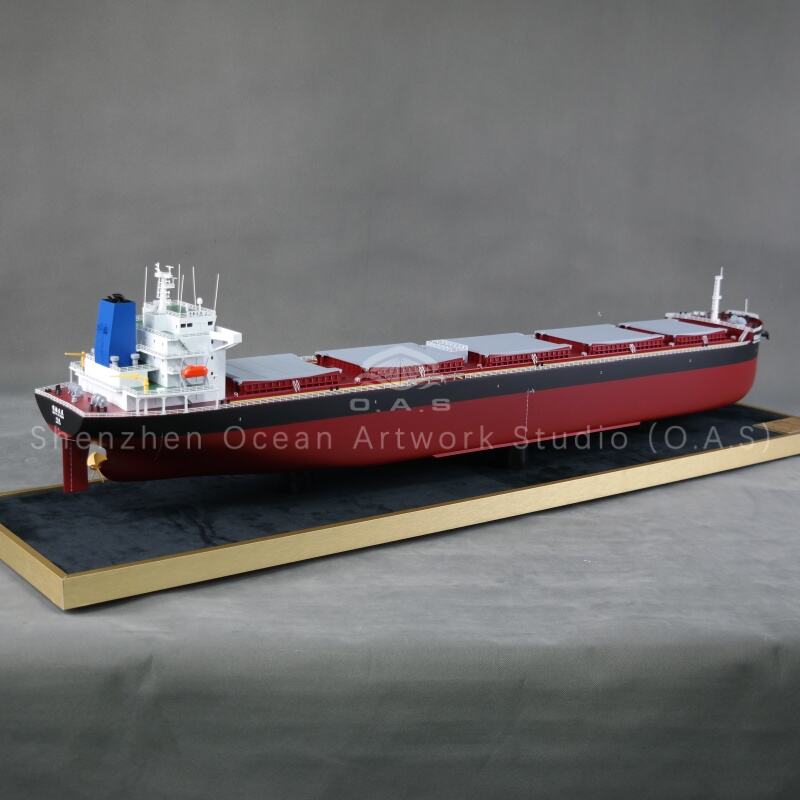
דגם של נושאת
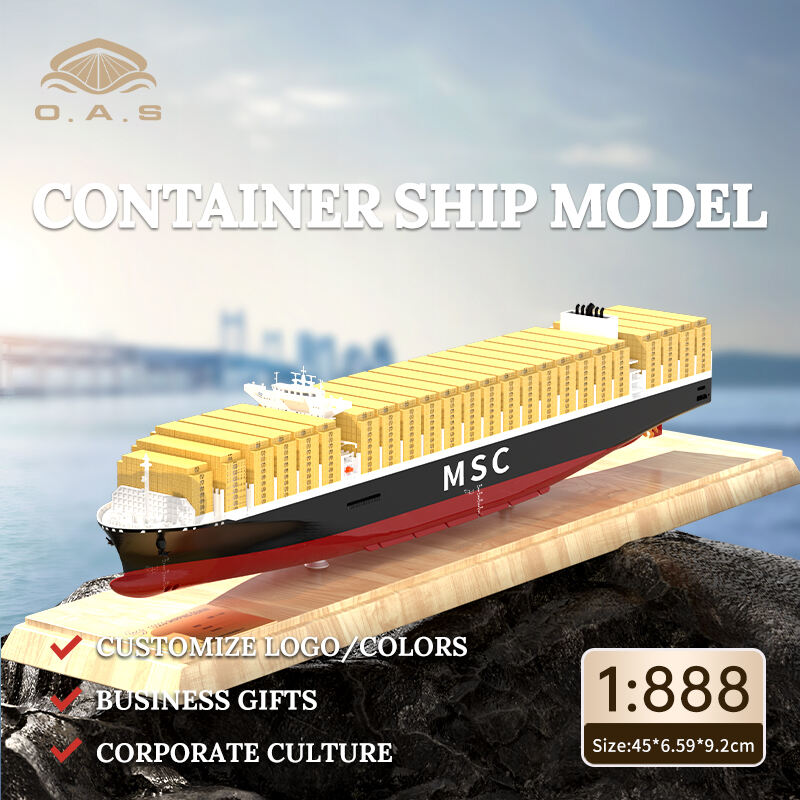
דגם אוניות נישול גז מתיך מייצג גישה מהפכנית להובלת גז טבעי מינון בים, המשלבת הנדסה מתקדמת עם פתרונות יעילות מעשיים. אוניות מיוחדות אלו משמשות כמבנה שטח צף לשרשרת האספקה האנרגטית הגלובלית, ונועדו במיוחד להעברת נינג באופן בטוח במימיים בינלאומיים. דגם אוניות נינג כולל מערכות אחסון מתקדמות שמטרתן לשמור על המטען בטמפרטורות נמוכות במיוחד של מינוס 162 מעלות צלזיוס, כדי להבטיח שהגז הטבעי ישאר במצבו המינוי לאורך כל הנסיעה. עיצובים מודרניים של דגם אוניות נינג כוללים מערכות דחיפה מתוחכמות שיכולות לנצל גז בריחה כדלק, ובכך מקטינות משמעותית את עלויות התפעול וההשפעה הסביבתית. הפונקציה העיקרית של דגם אוניות נינג מתמקדת בהובלת מטענים בצורה מאובטחת תוך שמירה על שליטה אופטימלית בטמפרטורה ובניהול לחץ. לאוניות אלו יש בדרך כלל קיבולת מטען בין 125,000 ל-266,000 מטרים מעוקבים, בהתאם לדרישות השוק השונות ולדרישות נמליות. תכונות טכנולוגיות של דגם אוניות נינג כוללות מערכות ממברנה מתקדמות, ציוד ניווט חדשני ומערכות עירוי מטען 자וטומטיות. האוניות כוללות מספר רזרבות בטיחות, ביניהן מערכות כיבוי חירום, רשתות זיהוי גז ויכולותứcירת אש. השימושים של דגם אוניות נינג נעשים מעבר להובלה פשוטה, שכן האוניות יכולות לשמש כיחידות איחסון צפות, כפלטפורמות למינון מחדש וכפתרונות אספקה זמניים למיקומים מרוחקים. עיצוב דגם אוניות נינג מדגיש גמישות בתפעול, ומאפשר הליכי עירוי ופריקה יעילים במרinals ממיוחדות לנג across the world. אופטימיזציה של עיצוב הקצלה מבטיחה ניצול מרבי של שטח המטען תוך שמירה על שלמות מבנית תחת מגוון מצבים ימיים. מערכות ניווט המשולבות בדגם אוניות נינג מספקות מонיטורינג בזמן אמת של תנאי המטען, דפוסי מזג אוויר ואופטימיזציה של הנתיבים, לצורך שיפור הבטיחות והיעילות.
 EN
EN