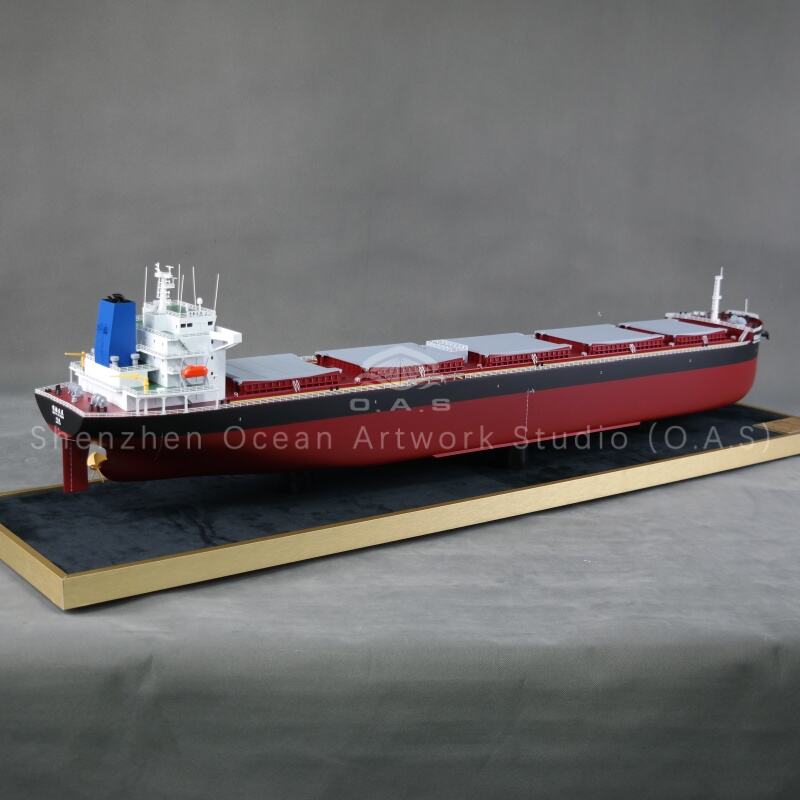
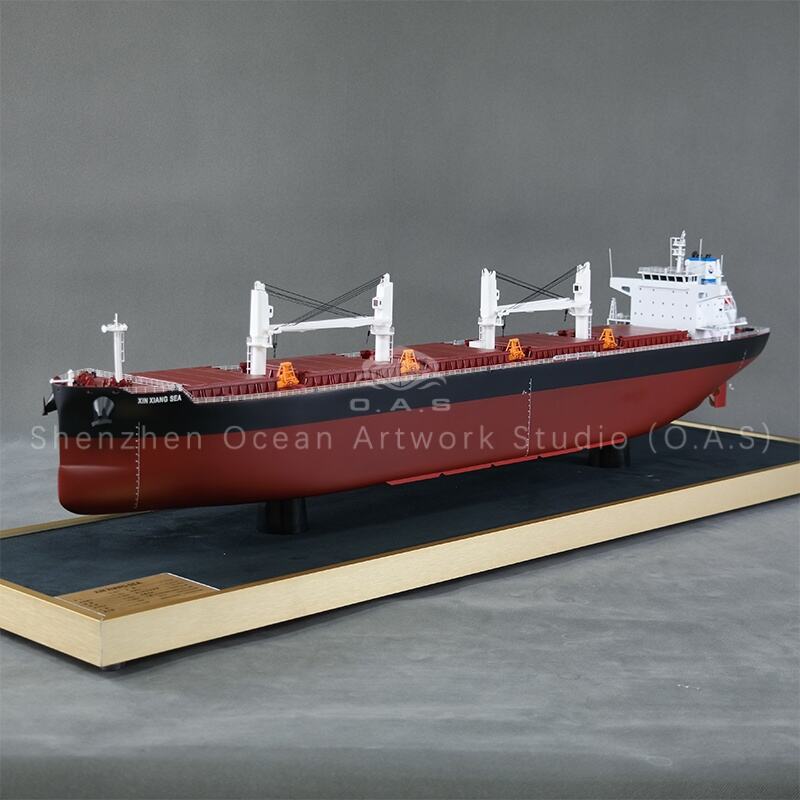
modello di nave da rifornimento
Il modello di nave da approvvigionamento rappresenta una soluzione marittima sofisticata progettata per supportare operazioni offshore, attività navali e imprese commerciali che richiedono capacità logistiche sostenute. Queste navi specializzate fungono da lifeline galleggianti, consegnando risorse essenziali in località remote dove i metodi tradizionali di trasporto risultano inadeguati o impossibili. I moderni modelli di navi da approvvigionamento integrano sistemi avanzati di navigazione, attrezzature automatizzate per la movimentazione del carico e tecnologie all'avanguardia per le comunicazioni, garantendo operazioni affidabili ed efficienti in ambienti marini difficili. La funzione principale di un modello di nave da approvvigionamento ruota intorno al trasporto di merci, compresi carburante, generi alimentari, attrezzature, ricambi e servizi di trasferimento del personale. Queste navi sono dotate di compartimenti di stoccaggio specializzati con sistemi di controllo climatico per preservare materiali sensibili durante viaggi prolungati. L'architettura tecnologica include sistemi di posizionamento dinamico in grado di mantenere un controllo preciso della posizione senza l'ancoraggio, fondamentale per le operazioni vicino a piattaforme offshore o stazioni di ricerca. Attrezzature avanzate di monitoraggio meteorologico consentono agli equipaggi di navigare in sicurezza anche in condizioni avverse, mantenendo comunque i programmi operativi. I modelli di navi da approvvigionamento prevedono generalmente carene rinforzate, in grado di resistere a condizioni oceaniche avverse, formazioni di ghiaccio e potenziali collisioni. I sistemi energetici della nave utilizzano motori ridondanti e generatori di riserva per garantire il funzionamento continuo durante missioni critiche. I moderni modelli di navi da approvvigionamento dispongono di sistemi integrati di gestione della plancia che combinano radar, navigazione GPS e tecnologia automatica di evitamento delle collisioni. Le applicazioni interessano diversi settori, tra cui le operazioni offshore nel settore petrolifero e del gas, le spedizioni scientifiche di ricerca, il supporto logistico militare e le missioni di soccorso d'emergenza. Queste navi si rivelano indispensabili per mantenere operazioni continue in località offshore remote non raggiunte dalle normali catene di approvvigionamento. Il design del modello di nave da approvvigionamento pone particolare enfasi sulla versatilità, consentendo agli operatori di configurare gli spazi cargo in base alle specifiche esigenze della missione. Che si tratti di supportare piattaforme per la perforazione in acque profonde o stazioni di ricerca in Antartide, queste navi forniscono una connettività essenziale tra le strutture a terra e le operazioni remote.
 EN
EN