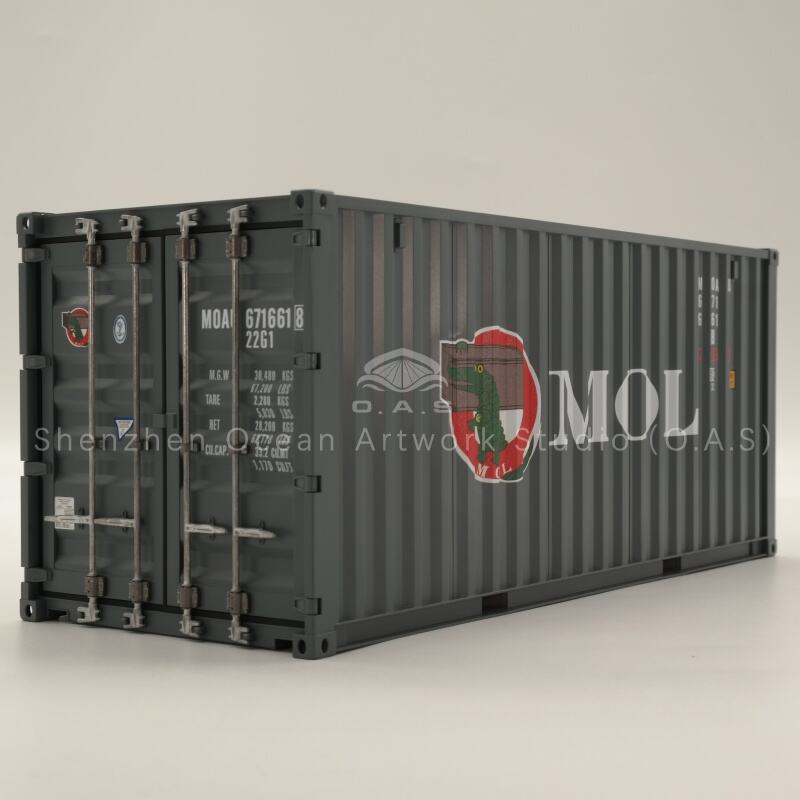
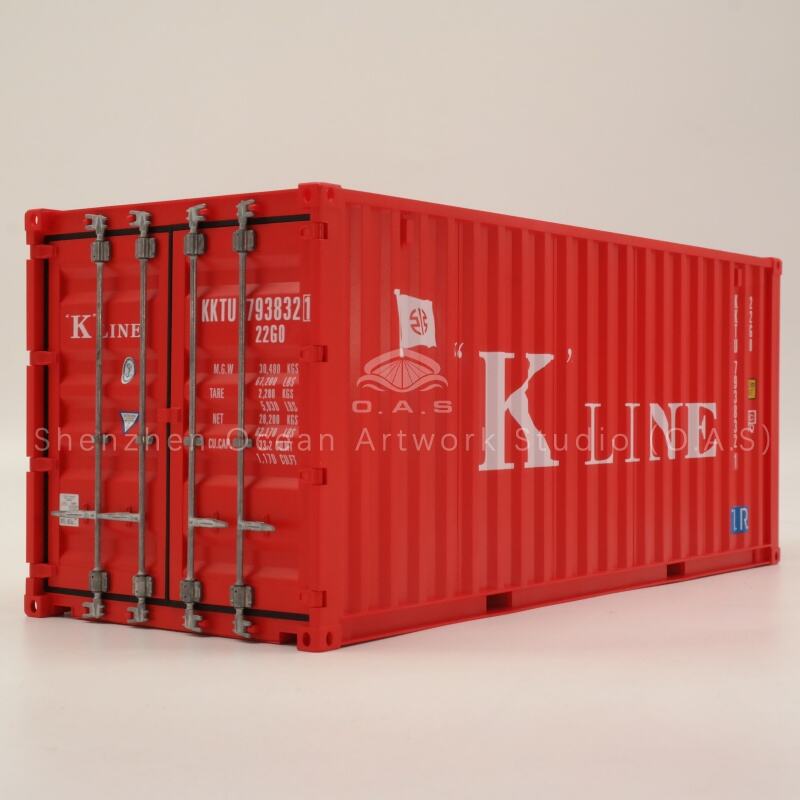
modello di nave
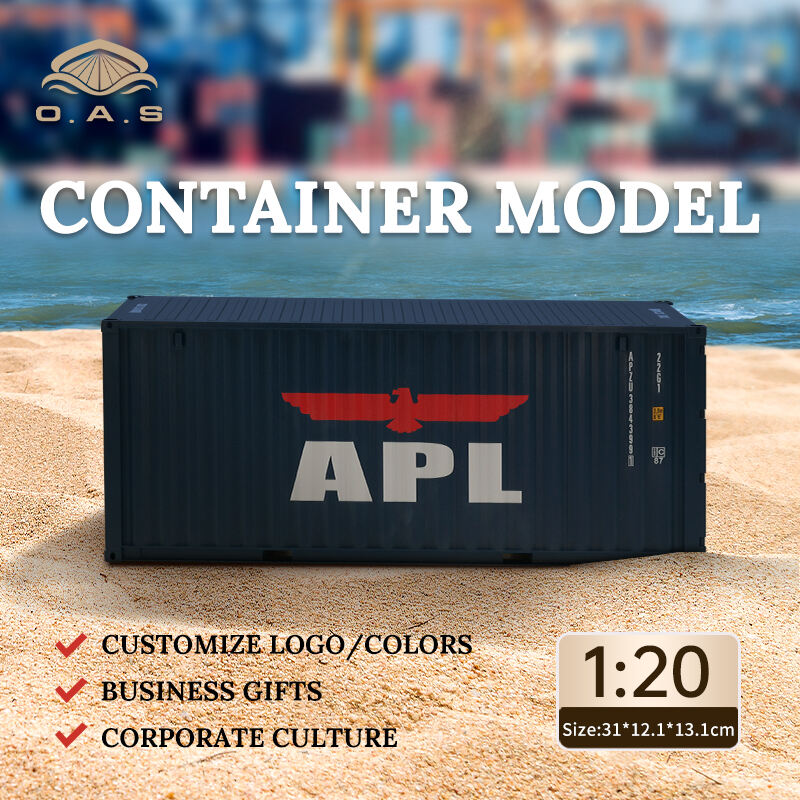
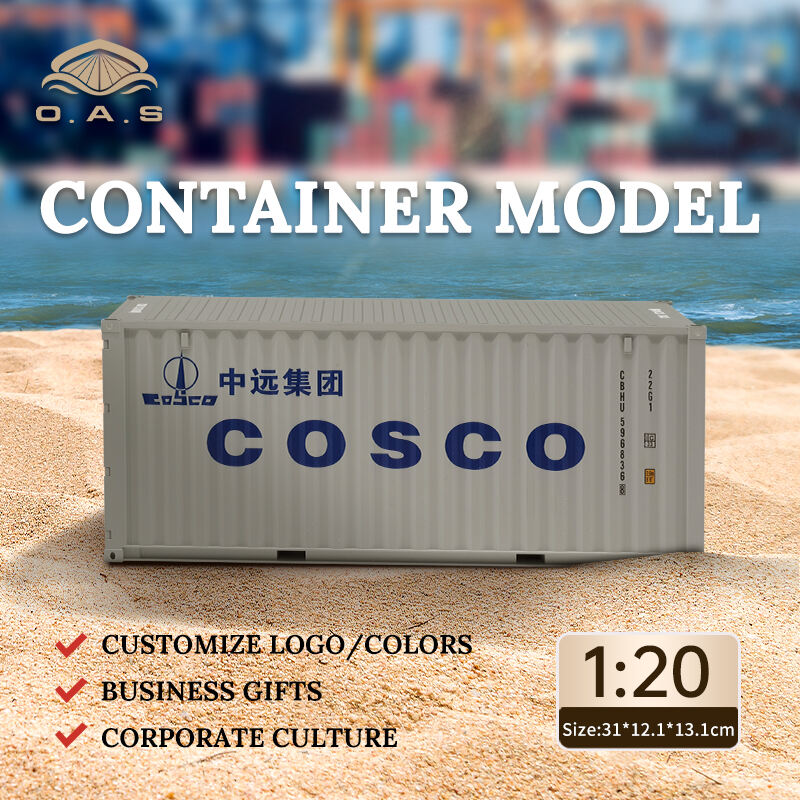
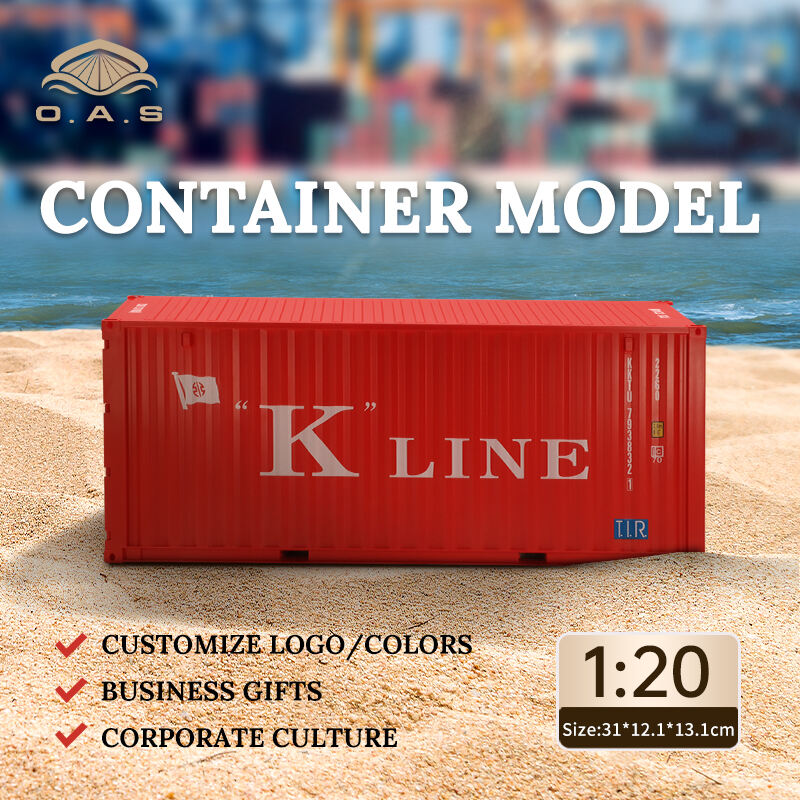
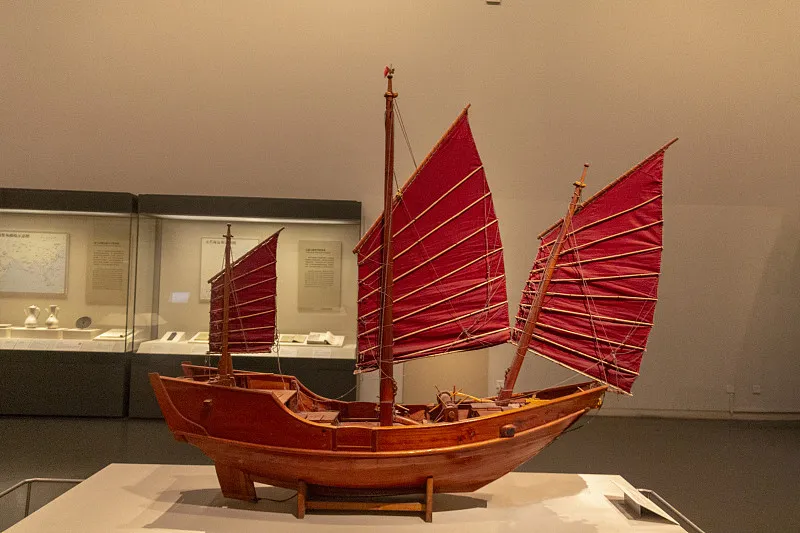
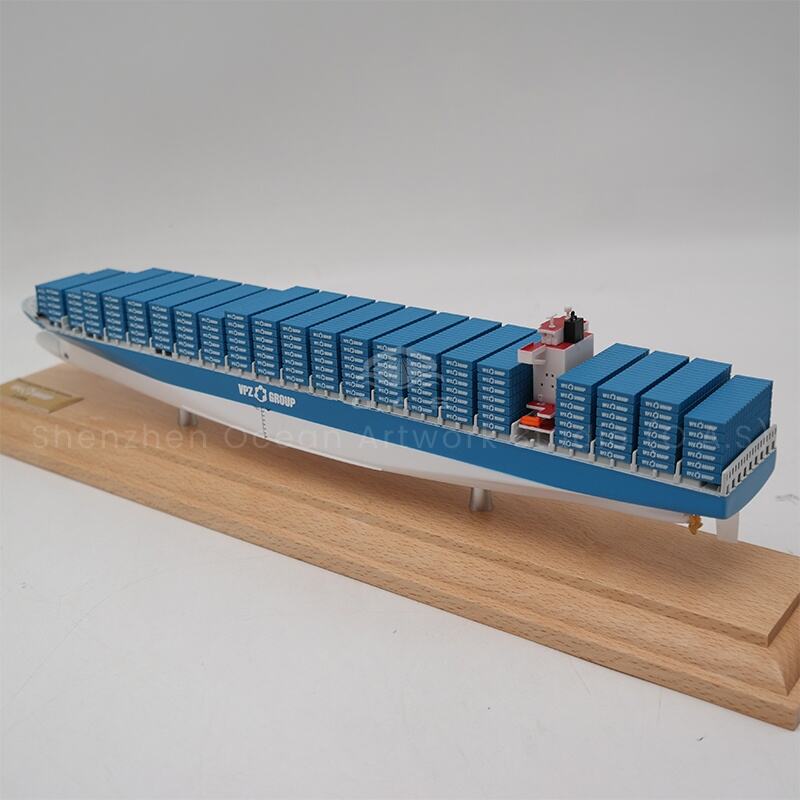
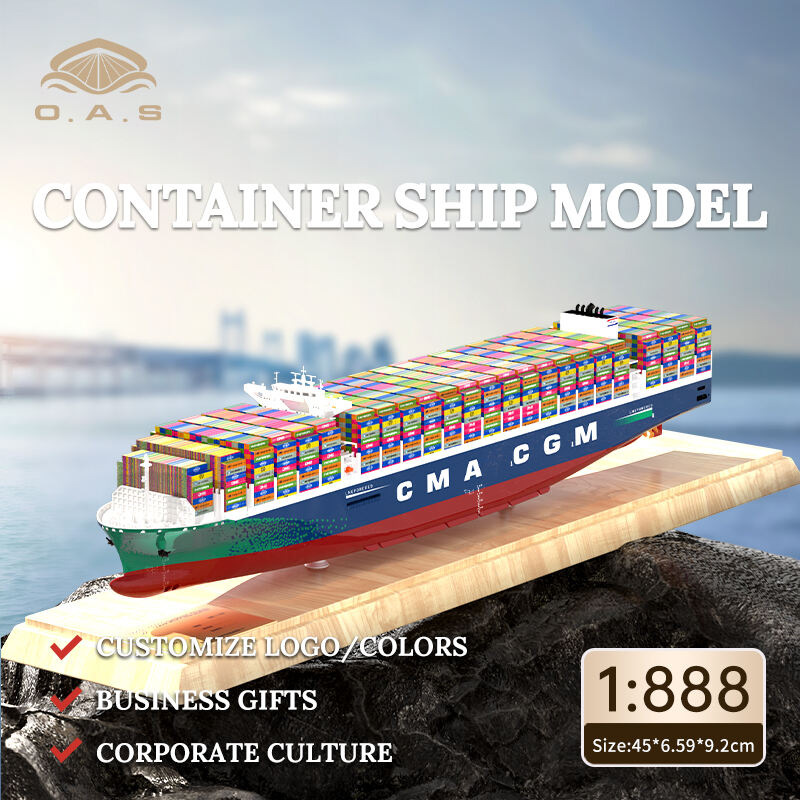
I modelli di navi rappresentano capolavori ingegneristici sofisticati che svolgono molteplici funzioni in vari settori e applicazioni. Queste riproduzioni realizzate con cura uniscono artigianalità tradizionale e tecnologia moderna per creare rappresentazioni precise di imbarcazioni marittime. Un modello di nave funge sia da strumento educativo che da strumento professionale, offrendo approfondimenti dettagliati sull'architettura navale, l'idrodinamica e i principi dell'ingegneria marina. La funzione principale dei modelli di navi va oltre la semplice decorazione, comprendendo ricerca, test, formazione e conservazione storica. I modelli moderni incorporano materiali avanzati e tecniche di produzione di precisione, garantendo accuratezza dimensionale e integrità strutturale. Questi modelli presentano progettazioni dettagliate dello scafo, sistemi di alberatura autentici e componenti in scala appropriata che rispecchiano le controparti a grandezza naturale. Le caratteristiche tecnologiche includono l'integrazione di progettazione assistita da computer, capacità di stampa 3D e software di modellazione digitale che migliorano l'accuratezza e riducono i tempi di produzione. Il processo di costruzione del modello di nave prevede una selezione accurata dei materiali, tra cui legni di alta qualità, metalli e materiali compositi che garantiscono durata ed autenticità. I modelli avanzati spesso incorporano elementi funzionali come meccanismi di sterzo operativi, componenti rimovibili e interni dettagliati. Le applicazioni dei modelli di navi coprono numerosi settori, tra cui l'istruzione marittima, le esposizioni museali, le presentazioni aziendali e le collezioni private. Le accademie navali utilizzano modelli di navi a scopi formativi, consentendo agli studenti di comprendere i principi di costruzione e funzionamento delle imbarcazioni. Le aziende di ingegneria marina impiegano modelli di navi per presentazioni ai clienti e visualizzazione dei progetti, mostrando progettazioni proposte e modifiche. I modelli storici di navi costituiscono risorse preziose per l'archeologia marittima e la conservazione culturale, documentando progettazioni di imbarcazioni di diverse epoche. Il settore dei modelli di navi si è evoluto per soddisfare esigenze diversificate della clientela, offrendo soluzioni che vanno da modelli espositivi basilari a repliche funzionali estremamente dettagliate. I modelli di qualità sono sottoposti a rigorosi processi di collaudo e ispezione per garantire standard di accuratezza e artigianalità. Questi modelli forniscono un collegamento tangibile con il patrimonio marittimo, svolgendo al contempo scopi pratici educativi e professionali nelle applicazioni contemporanee.
 EN
EN