EN
EN

Modern maritime education requires more than traditional classroom instruction. As vessels become larger, smarter, and more technologically advanced, training institutions need effective maritime training solutions that help students understand real ship operations before entering professional environments. Simulation ship models have become valuable seafarer training tools because they connect theoretical knowledge with practical vessel understanding.
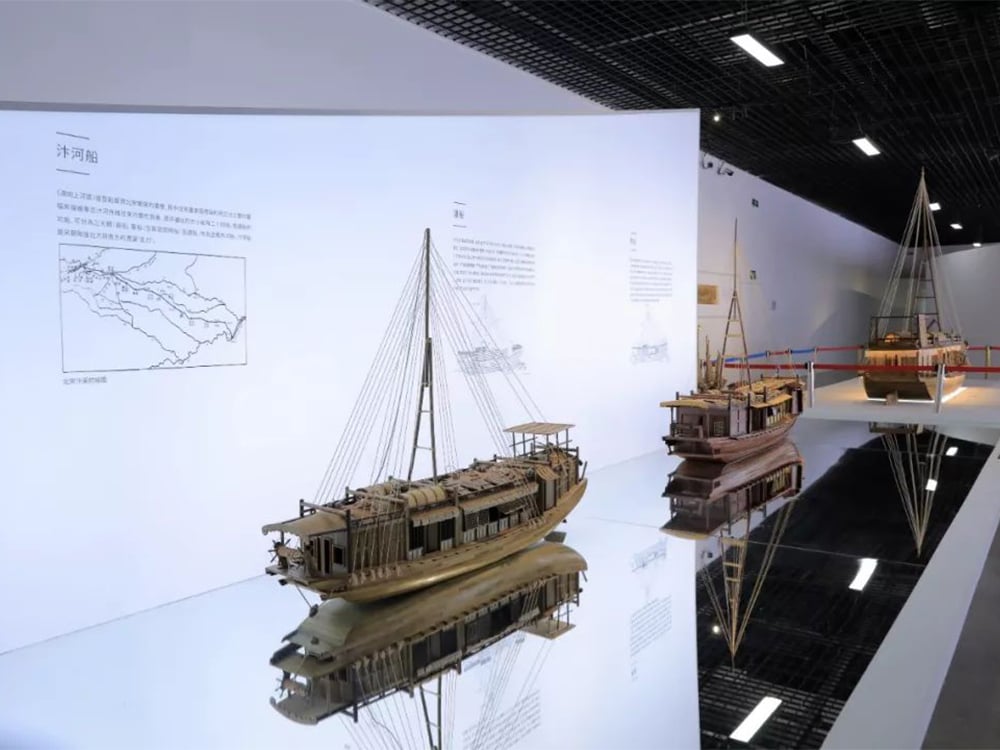
Unlike simple display models, professional simulation ship models are designed to represent vessel structures, operational layouts, and important technical features. These vessel simulation models allow trainees to study ship arrangements, safety systems, and operational procedures in a controlled learning environment.
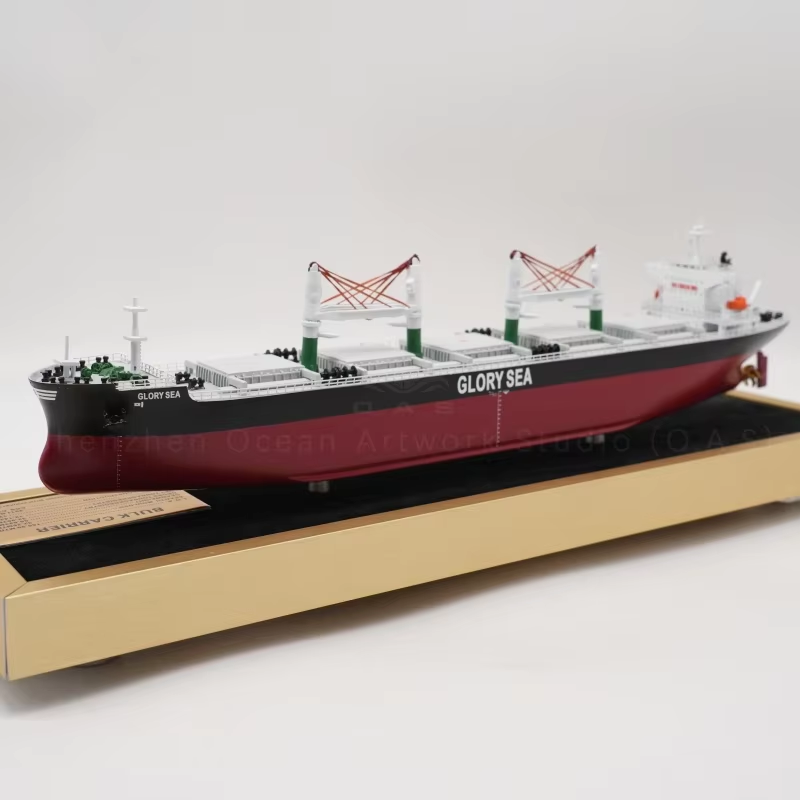
As part of modern maritime education technology, simulation ship models provide a physical learning experience that digital materials cannot completely replace. Students can observe vessel proportions, examine structural details, and understand the relationship between different ship areas. This makes simulation ship models an important resource for maritime academies, shipping companies, and professional training centers.
From navigation preparation to emergency response practice, simulation ship models support multiple aspects of crew development. By combining realistic design with educational value, these vessel simulation models help improve safety awareness, operational confidence, and technical understanding.
One of the main advantages of simulation ship models is their ability to create realistic learning environments. Maritime students often need to understand complex vessel structures before they have the opportunity to work on actual ships. A detailed model provides a practical reference that makes this process easier.
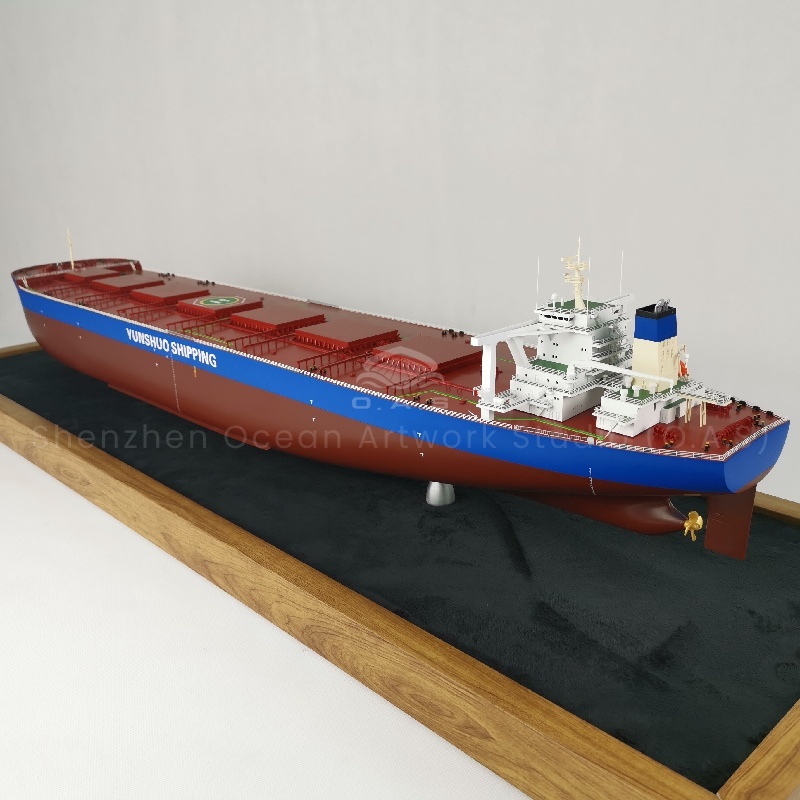
Through vessel simulation models, trainees can study the relationship between the bridge, engine room, cargo areas, and deck equipment. This physical understanding improves spatial awareness and allows students to build confidence before operating on full-size vessels.
For maritime schools looking for reliable maritime training solutions, simulation ship models provide an effective balance between visual learning and technical education. They support instructor demonstrations while giving students a clear reference during independent study.
Safety is one of the most important areas of seafarer development. Effective seafarer training tools must help students understand emergency procedures before facing real situations at sea. Simulation ship models provide a practical way to demonstrate evacuation routes, safety equipment locations, and emergency response procedures.
Using vessel simulation models, instructors can explain how crew members should move through different areas of a vessel during emergencies. Students can visualize escape routes, identify important systems, and better understand how ship design affects safety operations.
This application shows why simulation ship models are increasingly recognized as effective maritime training solutions. They transform safety concepts from abstract information into realistic learning experiences.
Traditional maritime lessons often rely on technical drawings, manuals, and digital presentations. While these resources are useful, vessel simulation models provide another level of understanding by allowing students to explore physical ship structures.
A well-designed simulation ship model helps trainees understand how different systems and spaces are arranged. Students can identify cargo areas, navigation sections, and operational zones while learning how each part contributes to overall vessel performance.
This approach improves learning efficiency because students are not only reading information but also observing and analyzing a realistic representation. As a result, simulation ship models become powerful seafarer training tools for both beginner students and experienced crew members.
Different maritime programs have different educational requirements. Navigation courses, marine engineering programs, and ship management training all require specialized maritime training solutions. Simulation ship models can be customized to match these different learning objectives.
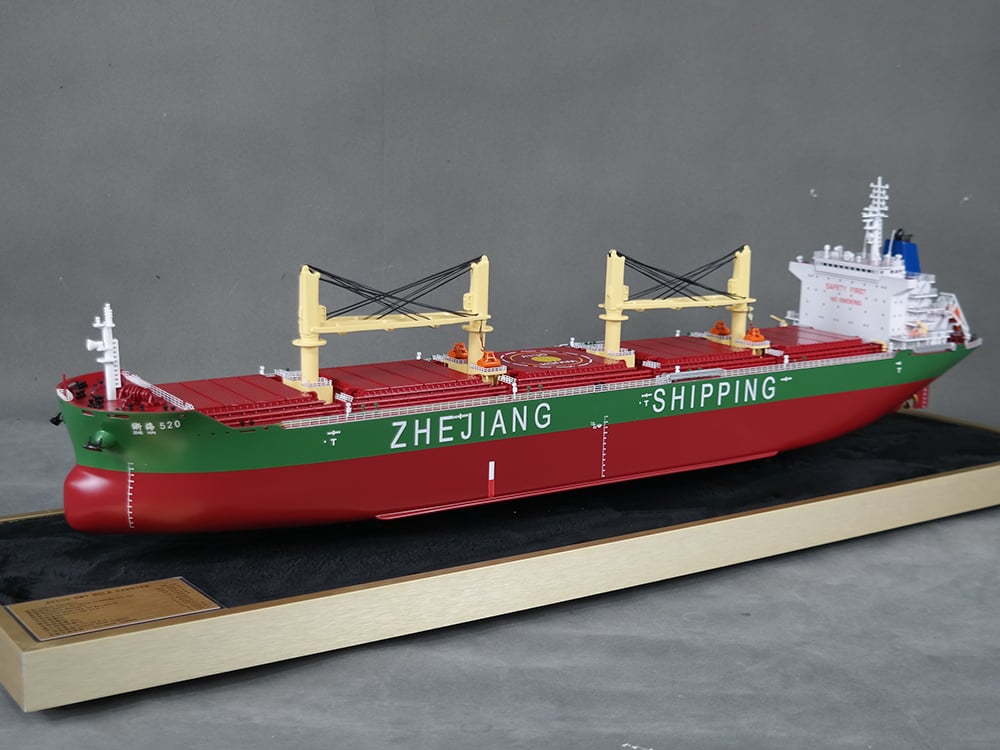
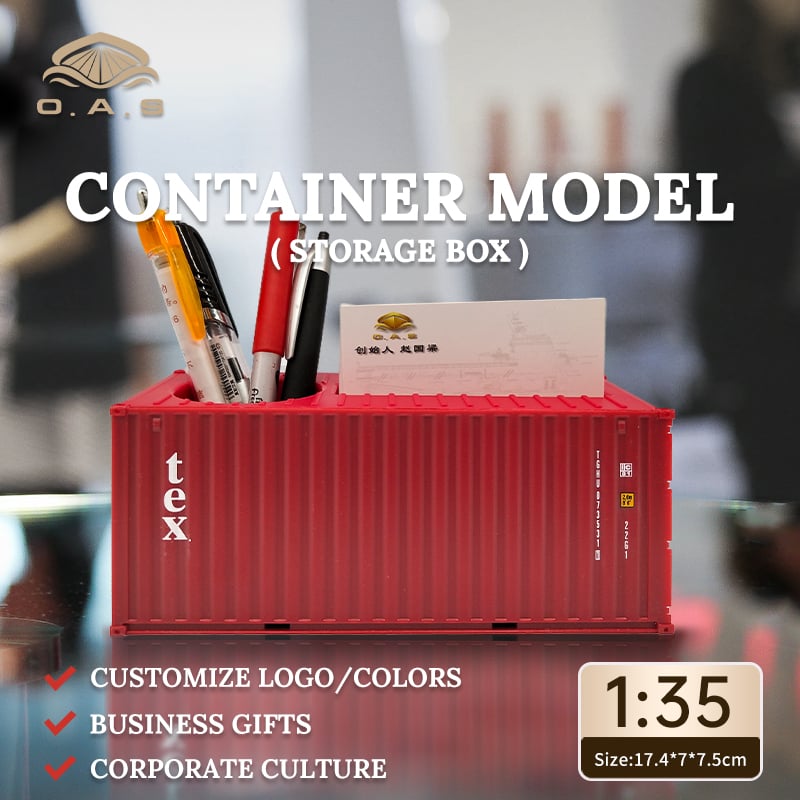
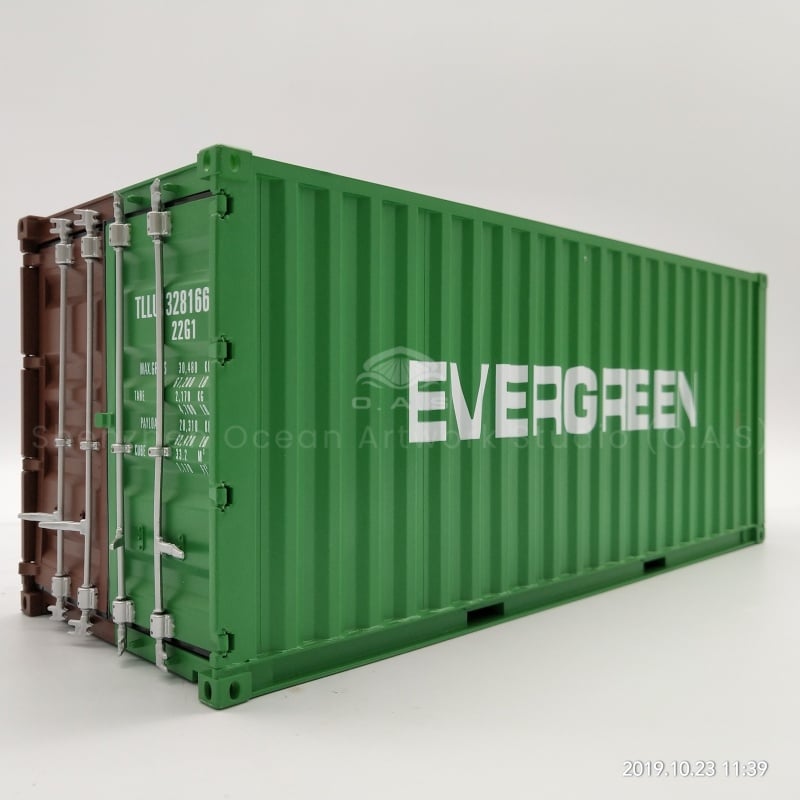
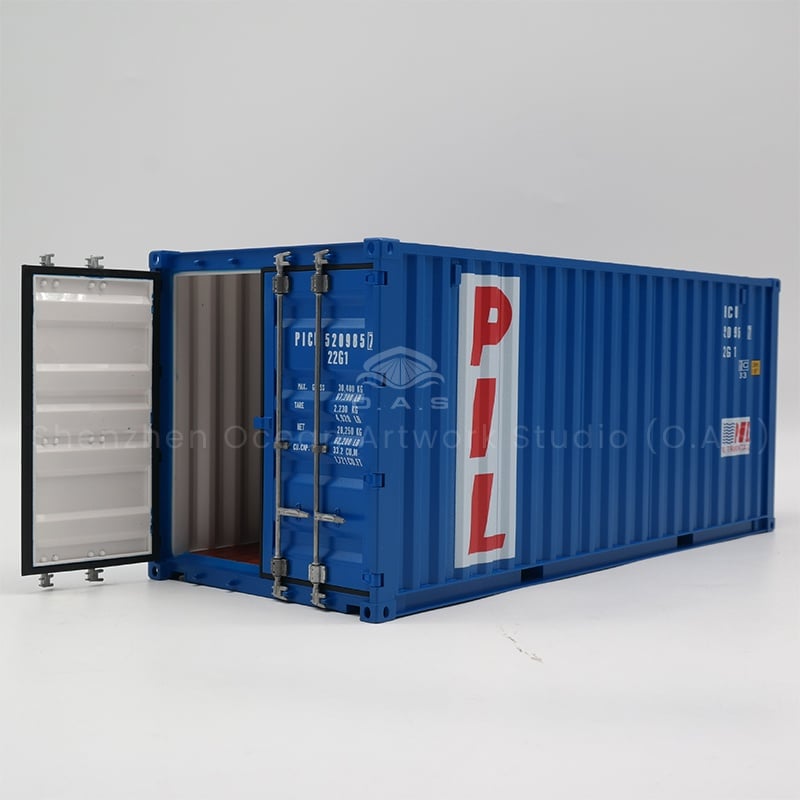
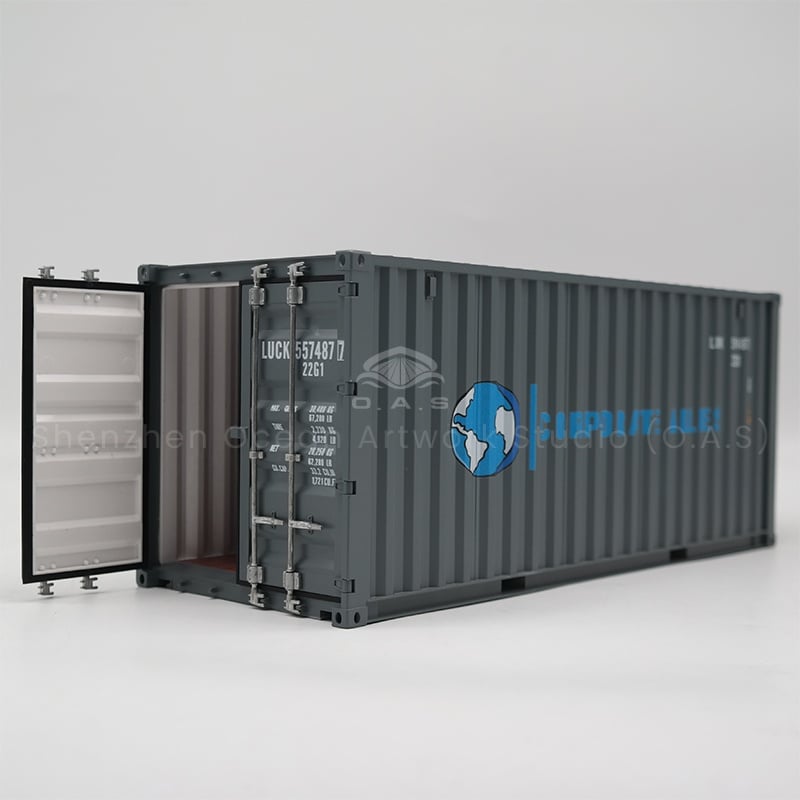
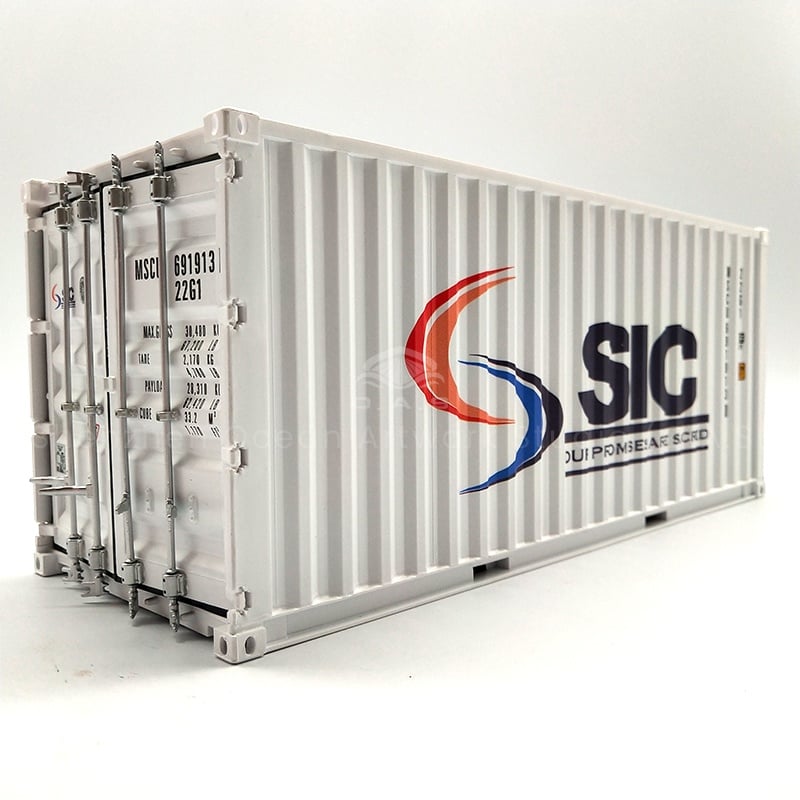
For example, a container vessel model can help students understand cargo arrangement and stability concepts, while a tanker model can demonstrate specialized operational structures. These customized vessel simulation models provide more relevant training experiences.
With the development of maritime education technology, educational institutions are increasingly combining physical models, digital systems, and interactive learning methods. This integrated approach creates more complete training programs for future maritime professionals.
Modern vessel operations require strong cooperation between captains, officers, engineers, and other crew members. Effective seafarer training tools must prepare trainees not only with technical knowledge but also with communication and teamwork skills. Simulation ship models provide an excellent platform for collaborative training exercises.
During team-based training sessions, instructors can use vessel simulation models to explain crew responsibilities, navigation procedures, and operational coordination. Because all participants can observe the same physical model, discussions become more practical and easier to understand.
A detailed simulation ship model allows trainees to analyze different operational scenarios together. Crew members can identify potential problems, discuss possible solutions, and practice decision-making processes in a controlled environment before applying these skills on real vessels.
This makes simulation ship models valuable maritime training solutions for developing teamwork, leadership, and communication abilities among future maritime professionals.
Training assessment is another important application of simulation ship models. Traditional written examinations can measure theoretical knowledge, but they may not fully demonstrate whether trainees understand actual vessel structures and operational procedures.
By using vessel simulation models, instructors can evaluate whether students can identify ship components, explain operational processes, and respond correctly to different situations. This practical assessment approach provides a clearer understanding of trainee abilities.
For maritime academies and professional training organizations, simulation ship models serve as reliable seafarer training tools that support continuous improvement of educational programs.
The development of maritime education technology has introduced advanced digital simulators, virtual reality systems, and computer-based training platforms. However, physical learning resources such as simulation ship models continue to play an important role.
Digital systems are effective for practicing navigation decisions and operational scenarios, while simulation ship models provide strong visual understanding of vessel structure and physical arrangement. Combining both approaches creates more complete maritime training solutions.
Many modern training institutions use simulation ship models together with digital platforms to provide students with both structural knowledge and practical operational experience. This combination reflects the future direction of maritime education technology.
The maritime industry continues to change as vessels become more advanced and regulations become stricter. Training institutions need flexible seafarer training tools that can adapt to new requirements.
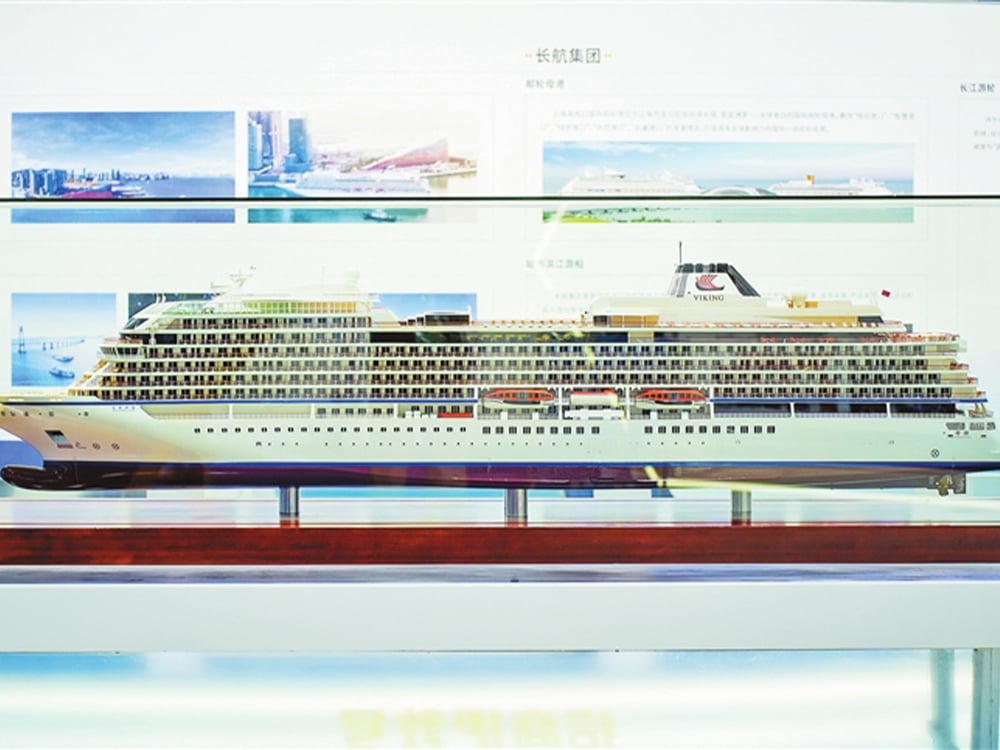
Customized simulation ship models allow schools and organizations to represent specific vessel types, including container ships, tankers, offshore vessels, and specialized commercial ships. These customized vessel simulation models ensure that training content remains relevant to modern operations.
By investing in accurate simulation ship models, maritime organizations can improve training quality and prepare students for safer and more efficient vessel operations.
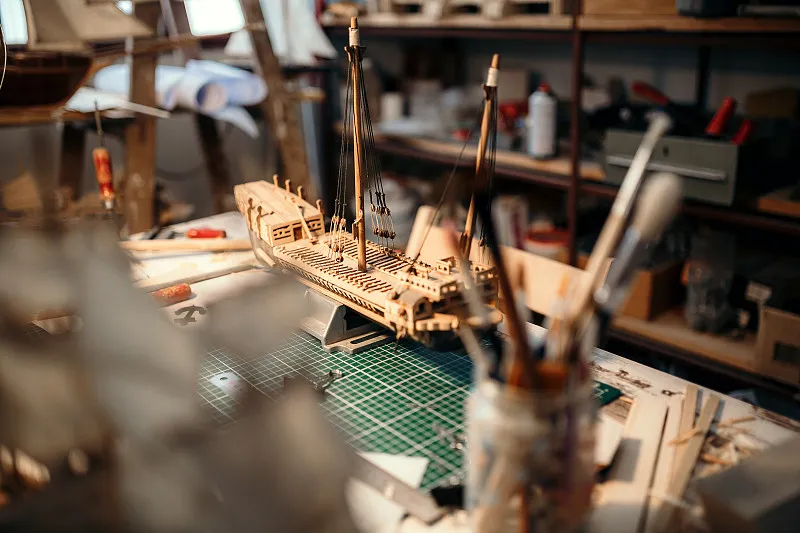
When selecting simulation ship models, training institutions should consider scale accuracy, structural details, material quality, and similarity to real vessels. High-quality vessel simulation models should clearly represent important ship features while maintaining durability for long-term educational use.
The best maritime training solutions are those that combine realistic design with practical educational value. A well-designed simulation ship model should support instructor demonstrations, student discussions, and professional assessment activities.
Different maritime programs have different goals, so customized simulation ship models are often the most effective choice. Training institutions can select specific vessel types, scales, and structural details based on their curriculum requirements.
Customized vessel simulation models help create targeted learning experiences, making them valuable seafarer training tools for navigation schools, maritime academies, and shipping companies.
Simulation ship models help trainees understand vessel structures, operational procedures, and safety systems through realistic physical representation. They are effective seafarer training tools because they connect classroom knowledge with practical learning.
Vessel simulation models support maritime education by improving spatial awareness, operational understanding, and teamwork training. They are an important part of modern maritime education technology.
Yes. Professional simulation ship models can be customized according to vessel type, scale requirements, training objectives, and educational needs. Customized models provide more effective maritime training solutions.
Simulation ship models have become an essential resource for modern maritime training programs. By providing realistic vessel representations, they improve technical understanding, safety awareness, teamwork, and operational confidence.
As maritime education technology continues to develop, the combination of physical models and digital learning systems will create more complete training environments. Simulation ship models will continue to serve as valuable seafarer training tools for preparing future maritime professionals.
For maritime academies, shipping companies, and training organizations, investing in professional simulation ship models represents a long-term commitment to better education, safer operations, and improved crew performance.
 Hot News
2024-06-11
2024-06-07
2024-06-01
2024-06-01
2024-06-01
2024-05-25
Shenzhen Ocean Artwork Studio (O.A.S) Technology Co., Ltd. is a leading ship model manufacturer with over 15 years of experience. We specialize in designing and producing civil, military, and engineering ship models, working with top global shipping brands such as MAERSK, COSCO, and EVERGREEN.