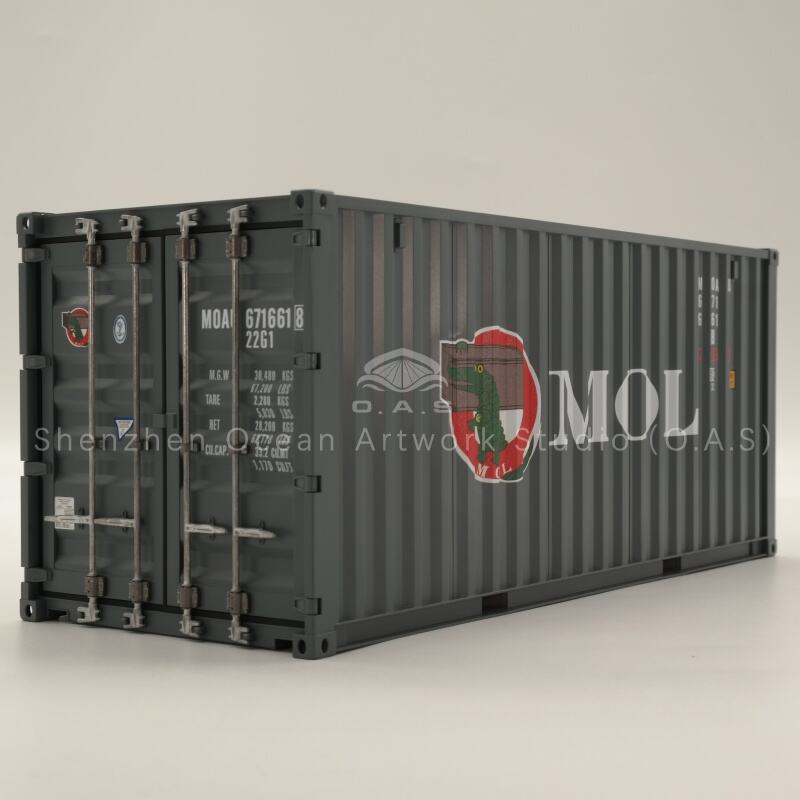
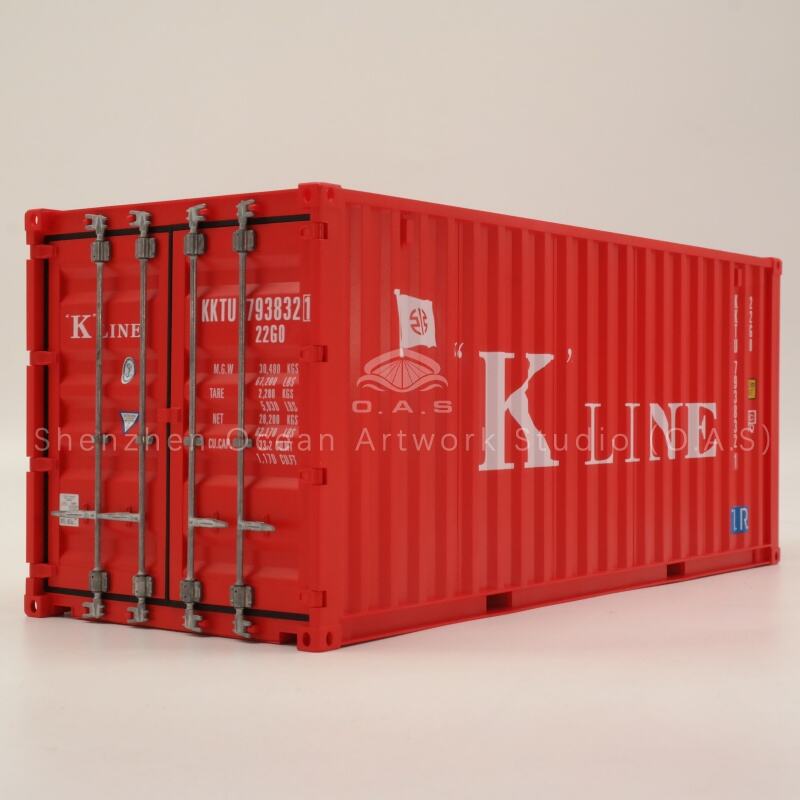
Premium Ship Models - Precision Crafted Maritime Replicas for Education and Display

Get a Free Quote

Our representative will contact you soon.
Email
Name
Company Name
WhatsApp
Message
0/1000

ship model

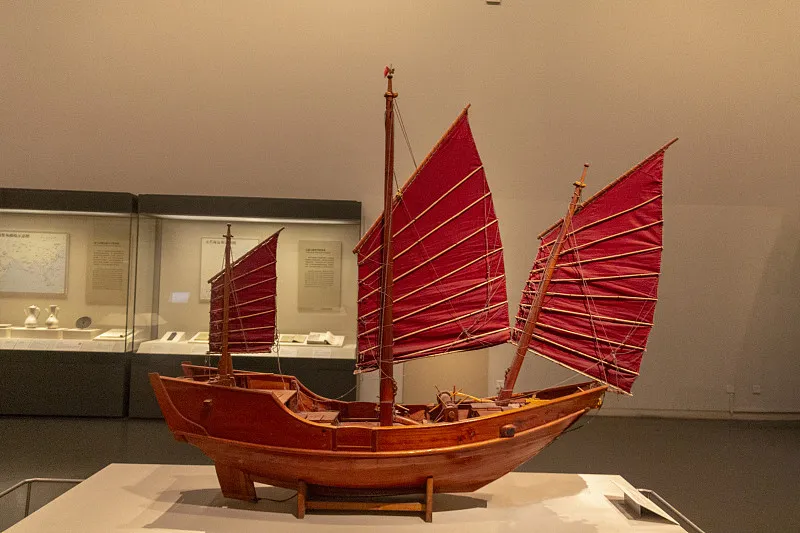
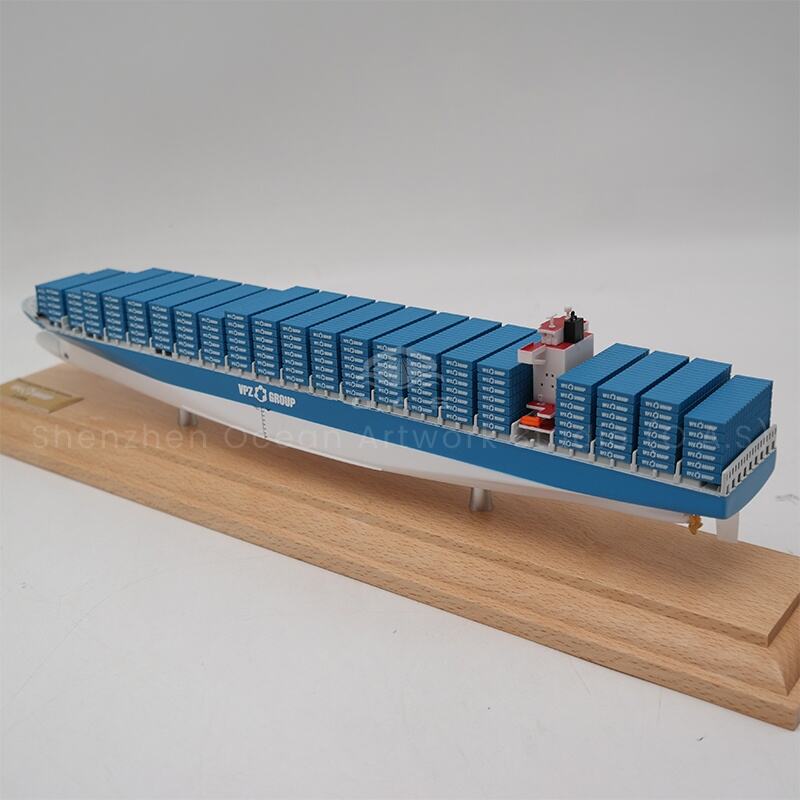
Ship models represent sophisticated engineering marvels that serve multiple purposes across various industries and applications. These meticulously crafted replicas combine traditional craftsmanship with modern technology to create accurate representations of maritime vessels. A ship model functions as both an educational tool and a professional instrument, offering detailed insights into naval architecture, hydrodynamics, and marine engineering principles. The primary function of ship models extends beyond mere decoration, encompassing research, testing, training, and historical preservation. Modern ship models incorporate advanced materials and precision manufacturing techniques, ensuring dimensional accuracy and structural integrity. These models feature detailed hull designs, authentic rigging systems, and scale-appropriate components that mirror their full-sized counterparts. Technological features include computer-aided design integration, 3D printing capabilities, and digital modeling software that enhances accuracy and reduces production time. The ship model construction process involves careful material selection, including high-grade woods, metals, and composite materials that provide durability and authenticity. Advanced ship models often incorporate functional elements such as working steering mechanisms, removable components, and detailed interior layouts. Applications for ship models span numerous sectors, including maritime education, museum displays, corporate presentations, and personal collections. Naval academies utilize ship models for training purposes, allowing students to understand vessel construction and operation principles. Marine engineering firms employ ship models for client presentations and project visualization, demonstrating proposed designs and modifications. Historical ship models serve as invaluable resources for maritime archaeology and cultural preservation, documenting vessel designs from different eras. The ship model industry has evolved to meet diverse customer needs, offering everything from basic display models to highly detailed functional replicas. Quality ship models undergo rigorous testing and inspection processes to ensure accuracy and craftsmanship standards. These models provide tangible connections to maritime heritage while serving practical educational and professional purposes in contemporary applications.

New Product Releases

The ship model offers numerous compelling advantages that make it an invaluable investment for professionals, educators, and enthusiasts alike. First and foremost, these models provide unmatched educational value, allowing users to examine complex maritime engineering concepts in a tangible, three-dimensional format. Students and professionals can study hull designs, rigging systems, and structural components without the need for expensive full-scale access. The ship model serves as a permanent reference tool, available for continuous study and analysis. Cost-effectiveness represents another significant advantage, as ship models eliminate the need for expensive field trips or specialized training facilities. Organizations can provide comprehensive maritime education at a fraction of the cost associated with traditional methods. The durability of quality ship models ensures long-term value, withstanding years of handling and display without significant deterioration. Versatility stands out as a key benefit, with ship models serving multiple functions simultaneously. These models work effectively as educational aids, decorative pieces, presentation tools, and historical artifacts. The portability of ship models allows for easy transportation between locations, making them ideal for traveling exhibitions, classroom presentations, and client meetings. Accuracy remains a cornerstone advantage, with modern ship models featuring precise measurements and authentic details that reflect extensive research and expert craftsmanship. This accuracy enables users to make reliable observations and draw valid conclusions about maritime design principles. The visual impact of ship models cannot be overstated, as these striking displays capture attention and generate interest in maritime subjects. Professional environments benefit from the prestige and sophistication that quality ship models convey. The ship model industry continues to innovate, incorporating new materials and techniques that enhance both durability and authenticity. Customization options allow buyers to specify particular features, dimensions, and details that meet their specific requirements. Maintenance requirements for ship models remain minimal, requiring only basic care to preserve their appearance and functionality. The investment value of premium ship models often appreciates over time, particularly for historically significant or limited-edition pieces. These models provide immediate accessibility to maritime knowledge, eliminating barriers associated with location, weather, or scheduling constraints that might affect real vessel studies.

Latest News

Customized Ship Models for Maritime Industry Leaders

18

Jul

Customized Ship Models for Maritime Industry Leaders

Discover how our high-fidelity ship models strengthen brand identity, enhance training, and impress clients. Trusted by global maritime companies. Request a consultation today.
View More
Model Container: Reconceptualizing The Purpose-Based Container In Design

28

Jul

Model Container: Reconceptualizing The Purpose-Based Container In Design

Discover how model containers revolutionize design processes across industries—from ship modeling to film sets. Explore creative uses and how OAS elevates design accuracy. Learn more.
View More
How Are Ship Models Made? A Step-By-Step Guide

18

Jul

How Are Ship Models Made? A Step-By-Step Guide

Discover the intricate process of crafting ship models, from design to final detailing. Learn how expert craftsmanship brings maritime history to life. Explore now.
View More
Materials Used In High-Quality Ship Models

28

Jul

Materials Used In High-Quality Ship Models

Discover the best materials for ship models including wood, metal, plastic, and resin. Learn how material choice impacts durability, detail, and authenticity. Explore OAS's expert craftsmanship.
View More

Get a Free Quote

Our representative will contact you soon.
Email
Name
Company Name
WhatsApp
Message
0/1000

ship model

Precision Engineering and Authentic Construction

Precision Engineering and Authentic Construction

The ship model industry has revolutionized maritime education and professional presentation through precision engineering and authentic construction techniques that deliver unparalleled accuracy and detail. Modern ship model manufacturing employs advanced computer-aided design systems and cutting-edge production methods to ensure every component meets exacting standards. The construction process begins with extensive historical research and technical analysis, drawing from original blueprints, archaeological findings, and expert maritime knowledge. Skilled craftsmen utilize traditional woodworking techniques combined with contemporary precision tools to create hulls that accurately reflect the curves, proportions, and structural characteristics of their full-sized counterparts. The ship model construction incorporates authentic materials wherever possible, including period-appropriate woods, metals, and fabrics that enhance both visual appeal and historical accuracy. Advanced measurement techniques ensure that every element, from the smallest rigging detail to the overall proportions, maintains precise scale relationships. Quality control processes involve multiple inspection stages, with experienced professionals verifying dimensional accuracy, component alignment, and overall craftsmanship standards. The ship model assembly process requires hundreds of individual components, each manufactured to tolerances measured in fractions of millimeters. Specialized tools and techniques enable the creation of intricate details such as miniature cannons, detailed deck furniture, and complex rigging systems that would be impossible to achieve through mass production methods. The paint and finishing processes utilize museum-quality materials that resist fading, chipping, and environmental damage while maintaining authentic color schemes. Advanced ship models often feature removable sections that reveal internal structures, allowing observers to examine construction techniques and interior layouts. The commitment to precision engineering ensures that each ship model serves as a reliable reference tool for educational and professional applications, providing accurate information that users can trust for research, training, and presentation purposes.
Comprehensive Educational and Professional Value

Comprehensive Educational and Professional Value

Ship models deliver exceptional educational and professional value that extends far beyond traditional learning methods, providing immersive experiences that enhance understanding and retention of maritime concepts. Educational institutions worldwide recognize the ship model as an indispensable teaching tool that transforms abstract concepts into tangible, interactive learning experiences. Students can examine complex engineering principles, historical development patterns, and design evolution through hands-on interaction with accurately crafted models. The three-dimensional nature of ship models enables learners to visualize spatial relationships, structural connections, and functional systems that remain difficult to comprehend through textbooks or digital presentations alone. Professional maritime organizations utilize ship models for training programs, client presentations, and project development, leveraging the visual impact and technical accuracy these models provide. The ship model serves as a catalyst for discussion and analysis, encouraging deeper exploration of maritime topics and fostering greater engagement among participants. Research applications benefit significantly from ship model accessibility, allowing scholars and students to conduct detailed studies without the logistical challenges and expenses associated with full-scale vessel access. Historical preservation efforts rely heavily on ship models to document and display maritime heritage, creating permanent records of vessel designs that might otherwise be lost to time. The interdisciplinary nature of ship model study encompasses engineering, history, art, and cultural studies, making these models valuable resources across multiple academic fields. Professional development programs incorporate ship models to enhance technical understanding and communication skills among maritime industry personnel. The ship model provides a common reference point for international collaboration, overcoming language barriers and cultural differences through shared visual experiences. Quality ship models remain relevant across multiple generations, serving successive classes of students and continuing to provide value long after their initial acquisition. The analytical opportunities presented by ship models encourage critical thinking and problem-solving skills that prove valuable in various professional contexts beyond maritime applications.
Superior Quality and Long-Term Investment Value

Superior Quality and Long-Term Investment Value

The ship model represents a superior quality investment that delivers exceptional long-term value through meticulous craftsmanship, premium materials, and enduring appeal that transcends temporary trends. Quality ship models undergo extensive development processes that can span months or years, involving research, design, prototyping, and refinement stages that ensure the final product meets the highest standards of accuracy and craftsmanship. Premium materials selection forms the foundation of superior ship model construction, with manufacturers sourcing the finest woods, metals, and synthetic components available. Hardwoods such as mahogany, oak, and maple provide structural integrity and beautiful grain patterns that enhance visual appeal while ensuring long-term durability. Precision metalwork incorporates brass, copper, and stainless steel components that resist corrosion and maintain their appearance through decades of display and handling. The ship model construction process involves traditional joinery techniques that create strong, lasting connections without relying on modern adhesives that may deteriorate over time. Surface treatments and protective coatings utilize museum-quality materials that provide resistance to ultraviolet radiation, humidity fluctuations, and environmental contaminants that could damage lesser models. Investment value appreciation occurs consistently for premium ship models, particularly those representing historically significant vessels or produced by renowned manufacturers with established reputations for excellence. Collectors and institutions recognize the ship model as a tangible asset that maintains and often increases its value over time, making it an attractive investment option. The limited production nature of many high-quality ship models contributes to their exclusivity and investment potential, as manufacturers often produce only small quantities of each design. Maintenance requirements remain minimal for properly constructed ship models, requiring only basic cleaning and occasional minor adjustments to preserve their condition and value. The ship model serves multiple investment criteria simultaneously, providing aesthetic enjoyment, educational value, and financial appreciation potential that few other investments can match. Insurance companies recognize the value and durability of quality ship models, often providing coverage that reflects their status as valuable collectibles and professional tools.
Get a Quote Get a Quote

Get a Free Quote

Our representative will contact you soon.
Email
Name
Company Name
WhatsApp
Message
0/1000