EN
EN

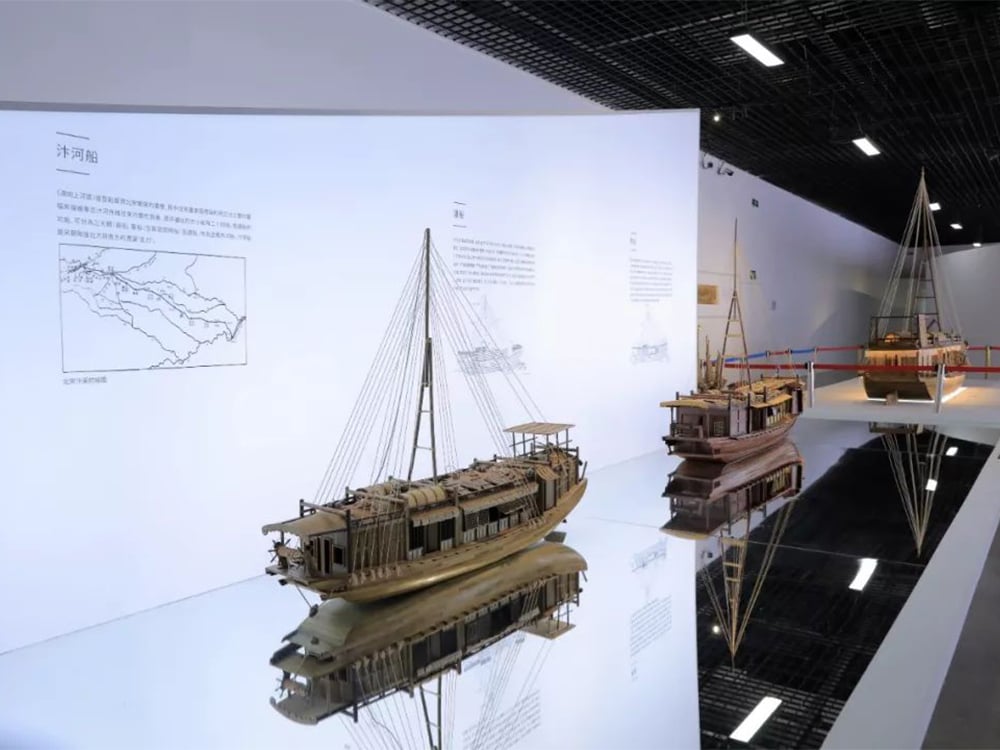
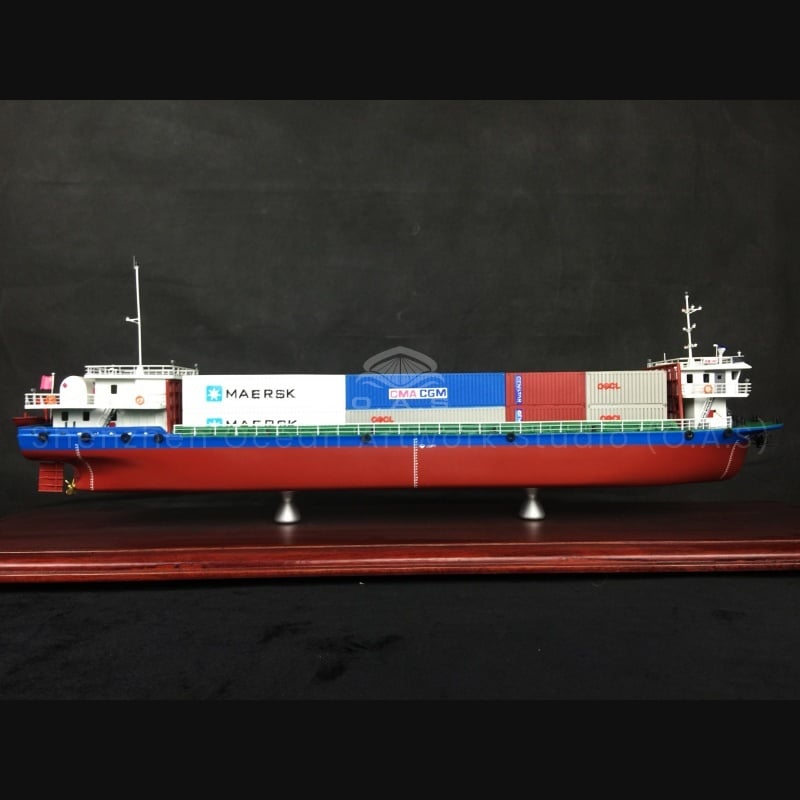
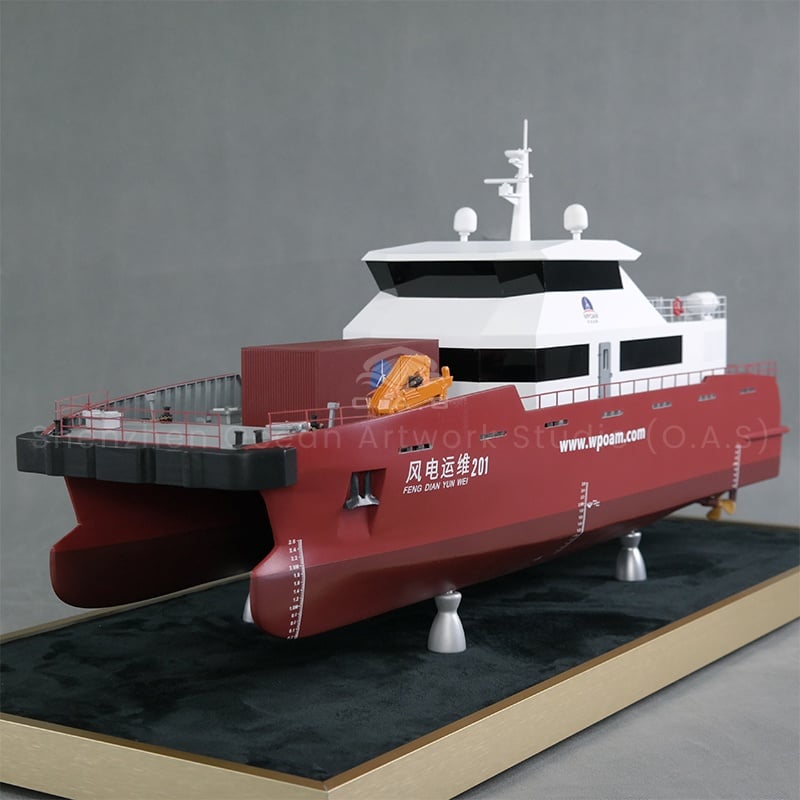
Sobivate näituseveomudelite valimine kaubandusnäitustele, konverentsidele ja tööstusnäitustele nõuab mitmete tegurite hoolikat kaalumist, mis võivad oluliselt mõjutada teie eksponeerimise tõhusust. Professionaalsed näitajad teavad, et õiged veomudellid on võimsad visuaalsed vahendid, mis edastavad brändi väärtusi, demonstreerivad tehnilisi võimekusi ja kaasavad publikut tähendusrikas viisil. Need sõidukite, masinate ja transpordisüsteemide skaalatud esitlused on muutunud oluliseks osaks edukatest näitusstrateegiatest erinevates tööstusharudes.
Näituse transpordimudelite valikuprotsess hõlmab teie konkreetsete näituse eesmärkide, sihtgrupi ootuste ja loogiliste piirangute hindamist. Ettevõtted, kes investeerivad kvaliteetsetesse näituse mudelitesse, saavutavad sageli parema külastajate kaasatuse, tugevama bränditunnetuse ja suurema potentsiaalsete klientide arvu kaubanäitustel. Mudelite valiku nüansside mõistmine tagab, et teie investeering annab maksimaalse tagasitulu ning edastab efektiivselt teie ettevõtte ekspertteadmisi ja innovatsioone.
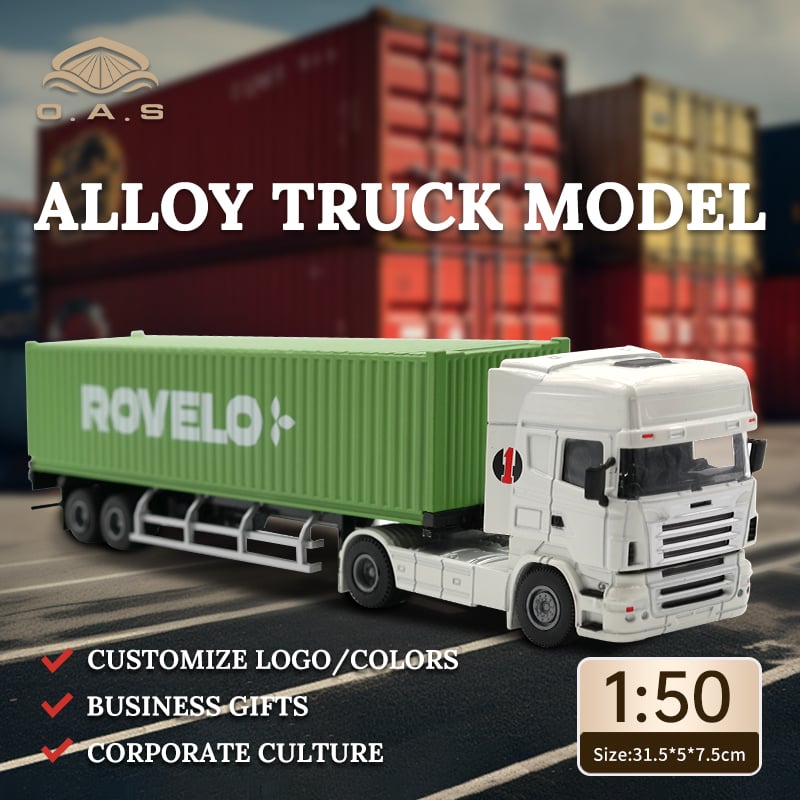
Näituse transpordimudelid on saadaval erinevates mõõtkavades, kus igaüks neist sobib erinevate näituseeksponaatide ja ruumiliste nõuete jaoks. Tavalised mõõtkavad ulatuvad 1:50 (suurte tööstusliku varustuse näitamiseks) kuni 1:18 (üksikasjalike autonäituste jaoks). Mõõtkava valik mõjutab otseselt näituse külastajatele nähtava üksikasjade taseme ning määrab teie väljapoe paigaldamiseks vajaliku füüsilise ruumi. Suuremad mõõtkavad võimaldavad keerukat detailide esitust, mis rõhutab inseneriteaduse täpsust ja tootmise kvaliteeti, samas kui väiksemad mõõtkavad võimaldavad piiratud näituseruumis esitada laia sõidukiparki või tooterida.
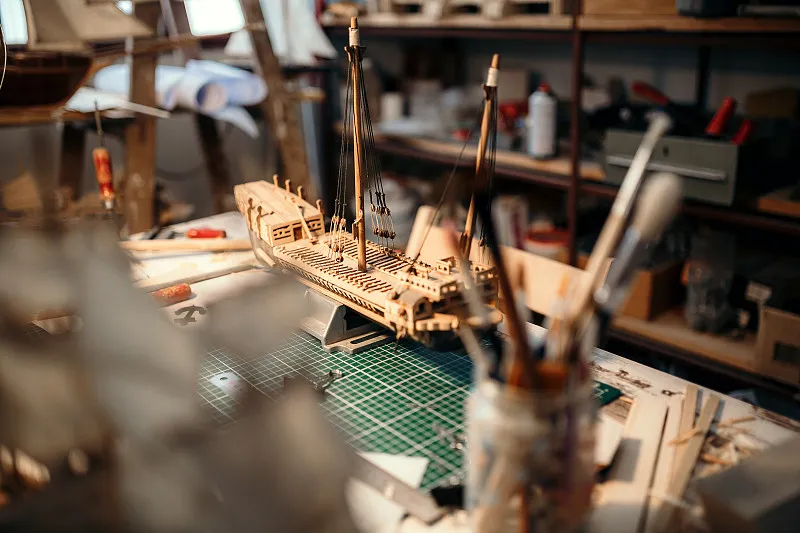
Professionaalsed näituseveo mudelid jagunevad tavaliselt kolme põhikategooriasse: staatilised näitusemudelid, interaktiivsed demonstreerimisüksused ja läbipõikudega õppemudelid. Staatilised mudelid keskenduvad esteetilisele muljule ja brändi esitamisele ning on varustatud kõrgkvaliteediliste pindadega ja täpsete proportsioonidega. Interaktiivsed mudelid sisaldavad liikuvaid osi, valgussüsteeme või digitaalset integreerimist, et aktiivselt kaasata külastajaid. Läbipõikudega mudelid paljastavad sisemisi mehhanisme ja insenerilisi üksikasju, mistõttu sobivad nad eriti tehnilistele publikutele ja õppeesitlustele.
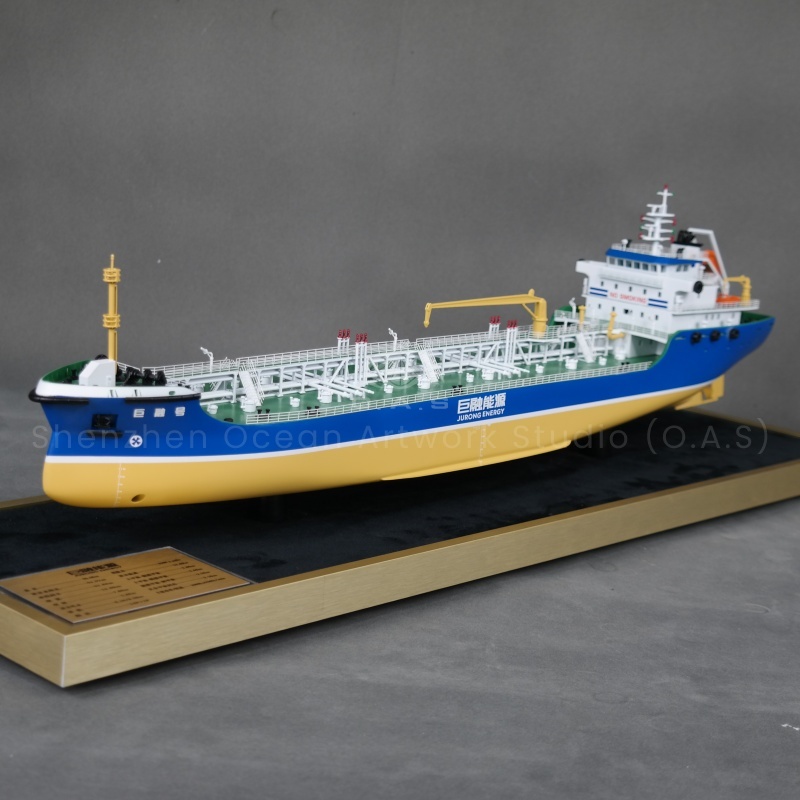
Materjalide valik mõjutab oluliselt nii näituse transportmudelite välimust kui ka nende vastupidavust. Kõrgkvaliteedilise sulamkonstruktsiooni kasutamine võimaldab eriti täpselt taastada detailid ja tagada pikaajalise vastupidavuse, mistõttu sobivad sellised mudelid korduvaks näitusekasutuseks ja käsitsemiseks. Sulammudelid säilitavad oma pinnakvaliteedi aeglaselt ja suudavad taluda sageli toimuvat transportimist ja paigaldamist. Need kõrgklassilised materjalid annavad ka kaalu ja tugeva tunnuse, mis teeb näituse külastajatele mulje kvaliteedist ja autentsusest.
Alternatiivsed materjalid hõlmavad tehnilisi plastmassi, komposiitmaterjale ja eriklassi näituseks mõeldud smooli. Igal materjali valikul on oma eelised, sealhulgas hind, kaalumass ja kohandatavuse võimalused. Materjalide omaduste arusaamine aitab näitusorganisaatoritel tasakaalustada eelarvepiiranguid ja kvaliteedikindlustuse ootusi, samas kui tagatakse, et nende näituse transportmudelid vastavad konkreetsetele eksponeerimisnõuetele ja brändistandarditele.
Tõhus planeerimine näituse transpordimudelite jaoks algab täpsest hinnangust saadaolevale eksponeerimisruumile ja büüti paigutuse piirangutele. Standardsete näitusbüütide suurused varieeruvad 10x10 jalast kuni eripärase konfiguratsioonini, kus igaüks pakub unikaalseid võimalusi ja piiranguid mudelite paigutamiseks. Teie büüti siseselt transpordimudelite asetamine mõjutab külastajate liikumist, nägemisvälja ja üldist esitlusmõju. Strateegiline paigutus tagab maksimaalse nähtavuse, säilitades samas piisavalt ruumi külastajate interaktsiooniks ja personali demonstreerimisteks.
Laeakõrguse piirangud näituseruumides piiravad sageli eksponeeritavate mudelite mastaabi ja paigutust. Paljud konverentsikeskused kehtestavad kõrguspiiranguid, mis mõjutavad kaubikute mudelite, lennukite koopiaid või tööstusseadmete esitusvahendite valikut. Nende piirangute arvessevõtmine juba valikuprotsessi varases staadiumis vältib kalliste muudatuste tegemist või viimase hetke muudatusi näituse transpordimudelites. Professionaalsed näitajad koostavad sageli üksikasjalikud väljapannu plaanid, milles arvestatakse mudelite mõõtmetega, külastajate liikumismarsruutidega ja vaatenurga nõuetega.
Teie siiauditoori tehnilise teadmiste, tööstusliku kogemuse ja visuaalsete eelistuste mõistmine mõjutab oluliselt sobivate näituse transpordimudelite valikut. Tehniliselt orienteeritud publik hinnab üksikasjalikke insenerilahendusi, täpseid tehnilisi andmeid ja funktsionaalseid demonstreerimisi, mis tõlgendavad toote võimalusi. Üldpublik reageerib paremini silmapaistvatele visuaalsetele mudelitele selge brändimisega ja lihtsustatud tehniliste esitlustega. Sellest publikuanalüüsist lähtuvad otsused mudelite keerukuse, interaktiivsete funktsioonide ja toetavate eksponeerimismaterjalide kohta.
Eriharu eripärad mängivad ka olulist rolli näituseveotranspordimudelite valikul. Autotööstuse näitused nõuavad teistsuguseid mudelielemendid kui merevärgi kaubandusnäitused või õhuruumi konverentsid. Igal eriharul on sisse seatud tavasid mudeli esitamise, skaala eelistuste ja tehniliste üksikasjade ootuste kohta. Teie mudelivaliku ühildamine eriharu standarditega tõstab usaldusväärsust ja näitab professionaalset arusaamast sektori nõuetest.
Professionaalsete tasemega näituseveomudeleid peab tootma kindlaksmääratud tootmistandardite kohaselt, et tagada pidev kvaliteet, täpne esitus ja vastupidavus näitustingimustes. Need standardid hõlmavad mõõtmete täpsust, pinnakvaliteeti, komponentide kokkupaneku täpsust ja materjalispetsifikatsioone. Usaldusväärsete tootjate puhul on olemas üksikasjalikud spetsifikatsioonid ja kvaliteedikindlustusdokumendid, mis kinnitavad nende vastavust tööstusstandarditele. Nende standardite tundmine aitab näitajatel hinnata potentsiaalseid tarnijaid ja tagada, et nende investeering vastab professionaalsetele näitusteenustele.
Näituse transportmudelite kvaliteedikontrolli protsessid hõlmavad prototüübi heakskiitmist, tootmisproovide võtmist ja lõppkontrolli protseduure. Need protsessid kinnitavad, et valmis mudelid vastavad heakskiidetud spetsifikatsioonidele ja säilitavad ühtlase kvaliteedi kogu tootmissarja jooksul. Kvaliteedikontrolli meetmete dokumenteerimine tagab usaldusväärsuse mudelite usaldusväärsuses ja aitab kindlustada pikaajalisi tarnijasid. Professionaalsed näitajad nõuavad sageli tootjat sertifikaate ja kvaliteedidokumentatsiooni osana oma ostuprotsessidest.
Näitusekohtade korraldajad kehtestavad sageli konkreetseid ohutusnõudeid eksponeeritavatele materjalidele, sealhulgas tulekindluse klassifikatsiooni, konstruktsioonilise stabiilsuse ja külastajate ohutuse tagamise nõudeid. Näituse transportmudelid peavad vastama nendele eeskirjadele, säilitades samas oma esteetilised ja funktsionaalsed eesmärgid. Kohtade nõuete varajane mõistmine planeerimisprotsessi alguses vältib vastavusprobleeme ja tagab sujuva näituse paigaldamise. Ohutusnõuded hõlmavad ka mudelite kinnitussüsteeme, eksponeerimiskastisid ja interaktiivseid komponente, millega külastajad võivad kokku puutuda.
Rahvusvaheliste näituste standarditele vastavus muutub oluliseks ettevõtete jaoks, kes osalevad globaalsetes kaubandusnäitustel ja konverentsidel. Erinevad riigid ja näituskohtad võivad esitada erinevaid nõudeid eksponeeritavatele materjalidele, turvalisussertifikaatidele ja impordidokumentatsioonile. Professionaalsed näitustranspordimudellid peaksid vastama levinud rahvusvahelistele standarditele, et võimaldada sujuvat osalemist globaalsetes üritustes ilma ulatusliku täiendava kohandamiseta ega uuesti sertifitseerimisprotsessideta.
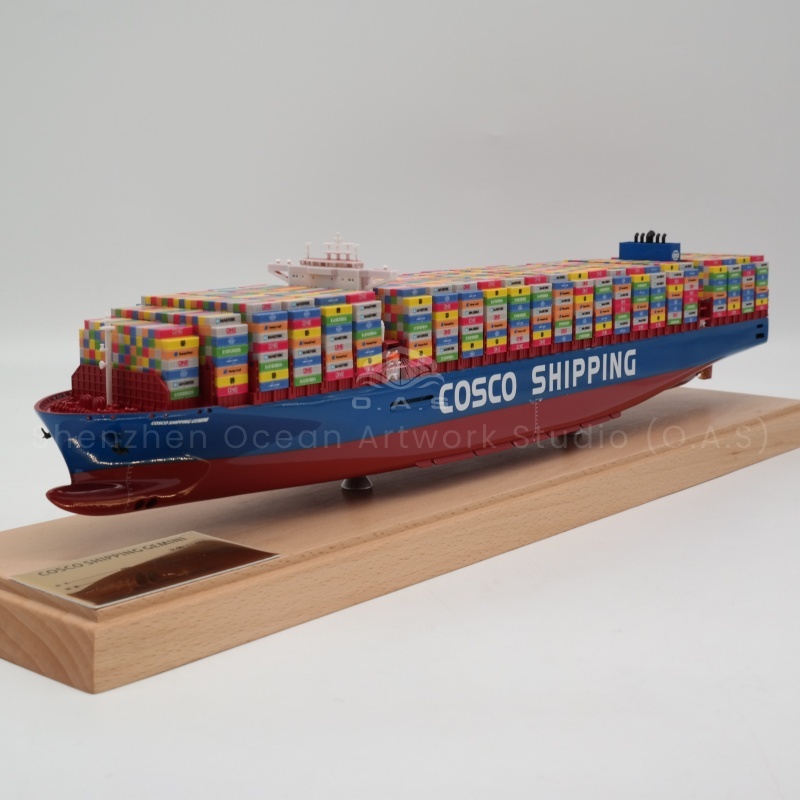
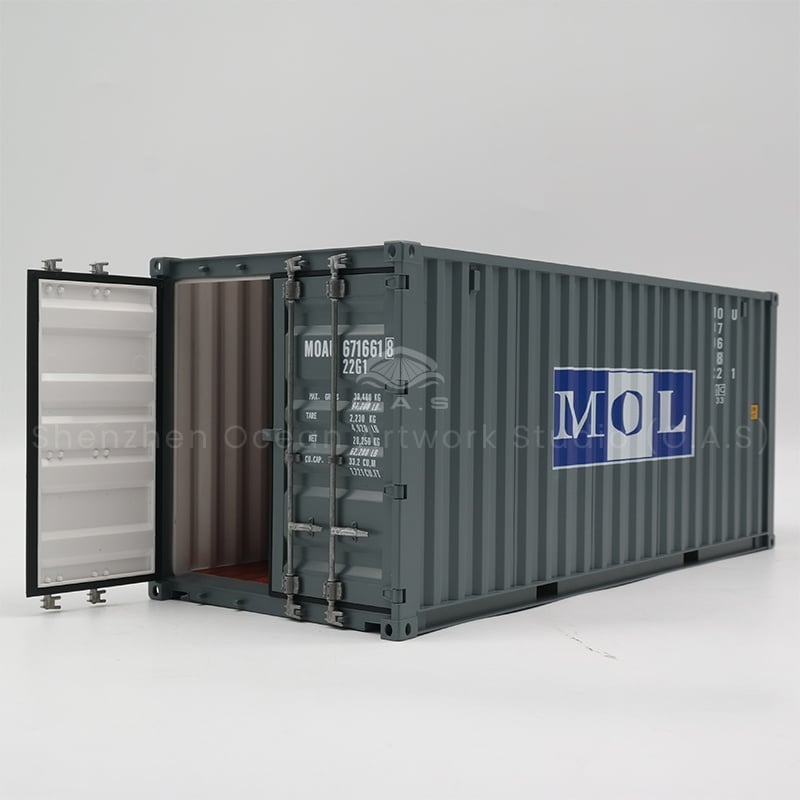
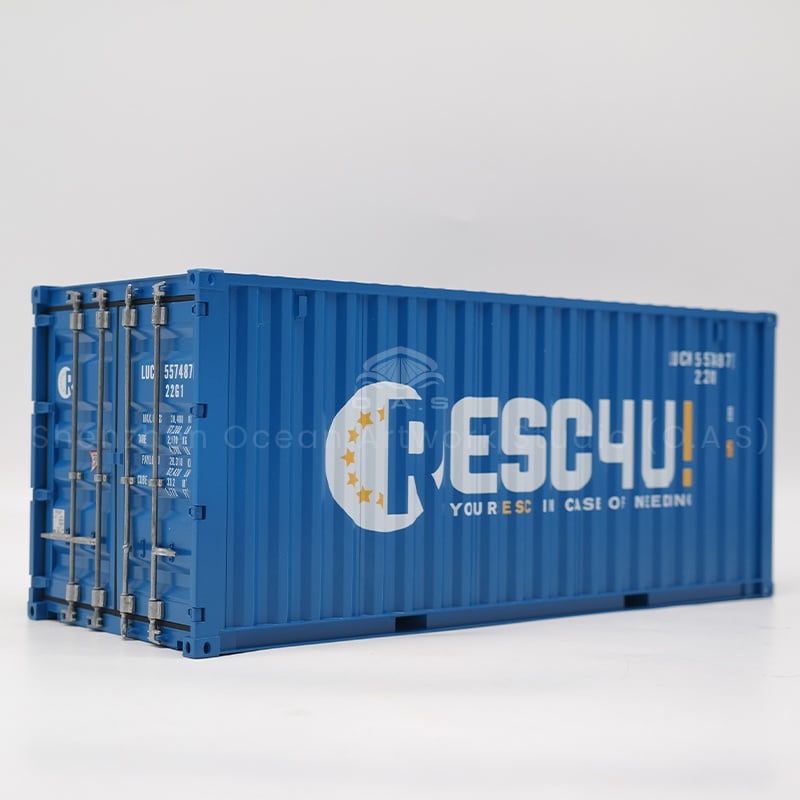
Kohandamisvõimalused on oluline tegur näituseveo mudelite valikul, et tõhusalt edastada brändi identiteeti ja ettevõtte sõnumeid. Professionaalsed mudelid pakuvad mitmesuguseid kohandamisvõimalusi, sealhulgas logode paigutamist, värvide sobitamist ja ettevõtte brändimise integreerimist. Need kohandamisfunktsioonid muudavad üldised mudelid võimsateks turundusvahenditeks, mis tugevdavad brändi äratundmist ja demonstreerivad tähelepanu detailidele. Kohandamistöö kvaliteet mõjutab otseselt näituseveo mudelite professionaalset välimust ja tõhusust.
Täpsemad kohandamistehnikad hõlmavad padprintimist, lasergravüürimist ja kohandatud värvikavasid, mis tagavad vastupidava ja professionaalse brändimise rakenduse. Need protsessid säilitavad brändi värvi täpsuse ja pakuvad pikaajalisi tulemusi, mis taluvad näitustel kasutamist ning keskkonnatingimusi. Saadaolevate kohandamisvõimaluste mõistmine aitab näituseosalejatel maksimeerida oma näituse transportmudelite turunduspotentsiaali, samal ajal kui tagatakse brändi ühtlus kõigis eksponeerimiselemendites.
Täpne tehniliste spetsifikatsioonide esitamine näitusega seotud transpordimudelites suurendab usaldusväärsust ja demonstreerib inseneriteaduste ekspertteadmisi professionaalsetele publikutele. See täpsus ulatub kaugemale kui lihtsalt visuaalne välimus – see hõlmab funktsionaalseid omadusi, skaala suhteid ja autentseid üksikasju. Tehnilised spetsifikatsioonid tuleb selgelt dokumenteerida ja kontrollida, et toetada müügikõnesid ja tehnilisi esitusi. Professionaalsed mudelid sisaldavad sageli üksikasjalikke spetsifikatsioonilehti, mis seovad mudeli omadused tegelike tootevõimalustega.
Näituse transpordimudelite tehnilise detaili tase peaks vastama publiku ootustele ja esitluse eesmärkidele. Väga tehniliselt orienteeritud publik ootab inseneriliste üksikasjade autentset esitlust, samas kui üldpublik võib eelistada lihtsustatud esitlust, mis rõhutab peamisi omadusi ja eeliseid. Tehnilise täpsuse ja visuaalse atraktiivsuse tasakaalustamine tagab, et näituse transpordimudelid täidavad oma ettenähtud suhtlus- ja turundusülesandeid tõhusalt.
Täieliku eelarve koostamine näituse transpordimudelite jaoks nõuab kaalutlemist mitmete kulutegurite üle, mis jäävad algse ostuhinna taha. Nendeks teguriteks on kohandamiskulud, saatmise ja käitlemise kulud, hoiustamise nõuded ning hoolduskulud. Professionaalsed näitajad arvutavad sageli oma mudelite eluea jooksul kogukulude omanikku, et teha põhjendatud investeerimisotsuseid. See analüüs aitab põhjendada kallimate mudelite valikut, mis pakuvad paremat vastupidavust ja pikaajalist väärtust.
Mahukuskaalutlused võivad märkimisväärselt mõjutada näituse transpordimudelite ühiku hindu, kui ettevõtted vajavad täielikke eksponeerimislahendusi või mitmekohtalist näitust ja seetõttu tellivad mitu ühikut. Paljud tootjad pakkuvad mahukusallahindu ja pakendihindu mitme mudeli tellimuste puhul. Nende hinnastruktuuride tundmine aitab eksponeerijatel oma investeeringut optimeerida, samas kui tagatakse kogu eksponeerimiskogumi ühtlane kvaliteet. Strateegilised ostuotsused võivad viia olulistele kulutuste säästmistele, säilitades samas professionaalse esitlusstandardi.
Näituseveotranspordimudelite pikaajaline väärtus sõltub nende vastupidavusest, universaalsusest ja võimest toetada muutuvaid turunduslikke eesmärke. Kõrgkvaliteedilised mudelid võivad teenida mitme näituse tsükli vältel, vähendades nii iga ürituse kohta amortiseerunud maksumust ja tagades pideva brändi esindamise. Pikaajalise väärtuse hindamiseks tuleb arvesse võtta mudeli kohandatavust, hooldusvajadusi ning võimalust uuendada või muuta seda. Professionaalsed näituseosalejad vaatavad sageli kvaliteetseid mudeleid kui pikaajalisi turunduslikke investeeringuid mitte lühiaegseid näituskulusid.
Hoiu- ja transpordikulud on pidevad kulud, mis mõjutavad näituse transpordimudelite kogukulutust omanikule. Professionaalsed hoiulahendused kaitsevad mudelite investeeringut ning tagavad, et mudelid säilib näituste vahel suurepärasel kujul. Transpordi küsimused hõlmavad kaitsekohti, saatmise kindlustust ja käsitlusnõudeid, mis tagavad mudelite kvaliteedi säilimise transpordi ajal. Need pidevad kulud tuleb arvesse võtta algse investeerimisotsuse tegemisel, et tagada reaalne eelarveplaneerimine.
Näituse transpordimudelite optimaalne mõõtkava sõltub saadaolevast näitusalast, vaatamiskaugusest ja detailide nähtavuse nõuetest. Suuremad mõõtkavad, nagu 1:18 või 1:24, pakuvad erakordselt hea detailide nähtavuse lähivaatluseks, kuid nõuavad rohkem kohti väljapanekukohas. Väiksemad mõõtkavad, nagu 1:50 või 1:64, võimaldavad piiratud ruumis laiaulatuslikku tooteline kogumit näidata, kuid võivad kaasneda osalise detailide nähtavuse kaotusega. Valides oma näituse vajadustele sobivat mõõtkava, tuleb arvesse võtta väljapanekukoha paigutust, külastajate liikumismustrit ja peamist vaatamiskaugust.
Materjalivalik mõjutab oluliselt näituse transportmudelite vastupidavust, detailide täpsust ja üldist esituskvaliteeti. Kõrgklassilise sulamkonstruktsiooniga mudelid pakuvad ülimat detailide täpsust, tugevat käsitsuslikku tunnet ja suurepärast vastupidavust korduva näitusekasutuse jaoks. Insenerplastid pakuvad kulueeliseid ning on kergemad transpordiks, kuid nendel võib kasutusel kiiremini ilmneda kahjustusi. Premiummaterjalid õigustavad oma kõrgemat hinda parandatud eluiga, parema pinnakvaliteediga ja täiustatud professionaalse välimusega, mis toetab brändi usaldusväärsust.
Professionaalsed näituseveo mudelid pakuvad laiaulatuslikke kohandamisvõimalusi, sealhulgas logode paigutamist, ettevõtte värvide sobitamist ja bränditud pakendust. Täiustatud kohandamistehnikad hõlmavad detailsete graafikate jaoks padprintimist, püsiva märgistuse jaoks lasergravüürimist ning täpse brändivärvide sobitamise jaoks kohandatud värvimislahendusi. Paljud tootjad pakuvad ka pakendite kohandamist, eksponeerimisaluste valikuid ja kaitsekaaside isikupärastamist, et luua terviklikud bränditud esituspakendid, mis suurendavad näituse mõju.
ROI hindamine näituse transpordimudelite puhul peaks arvesse võtma nii otsest kui ka kaudset kasu, sealhulgas külastajate osalemise parandust, kontaktisikude loomise tõhususe suurenemist ja brändi tuntususe kasvu. Otsestesse kuludesse kuuluvad ostuhind, kohandamine ja pidev hooldus. Kaudne kasu hõlmab näitusekohta rohkemate külastajate tulekut, külastajate osalemise aegu pikenemist ja professionaalse usaldusväärsuse tugevnemist. Ettevõtted peaksid jälgima näituse meetmeid enne ja pärast kvaliteetsete mudelite rakendamist, et kvantifitseerida nende mõju näituse edu ja turunduslike eesmärkide saavutamisele.
 Uued uudised
2024-06-11
2024-06-07
2024-06-01
2024-06-01
2024-06-01
2024-05-25
Shenzhen Ocean Artwork Studio (O.A.S) Technology Co., Ltd. on juhtiv laeva mudelite tootja, kellel on üle 15 aasta pika töökogemuse. Me eriala on tsiviil-, sõja- ja insenerilaevade mudelite disainimine ja tootmine ning me koostöös maailma tipptasemel laevakompaniatega nagu MAERSK, COSCO ja EVERGREEN.