Premium Resin Simulation Ship Models - Detailed Maritime Replicas for Education and Collection

Get a Free Quote

Our representative will contact you soon.
Email
Name
Company Name
WhatsApp
Message
0/1000

resin simulation ship model

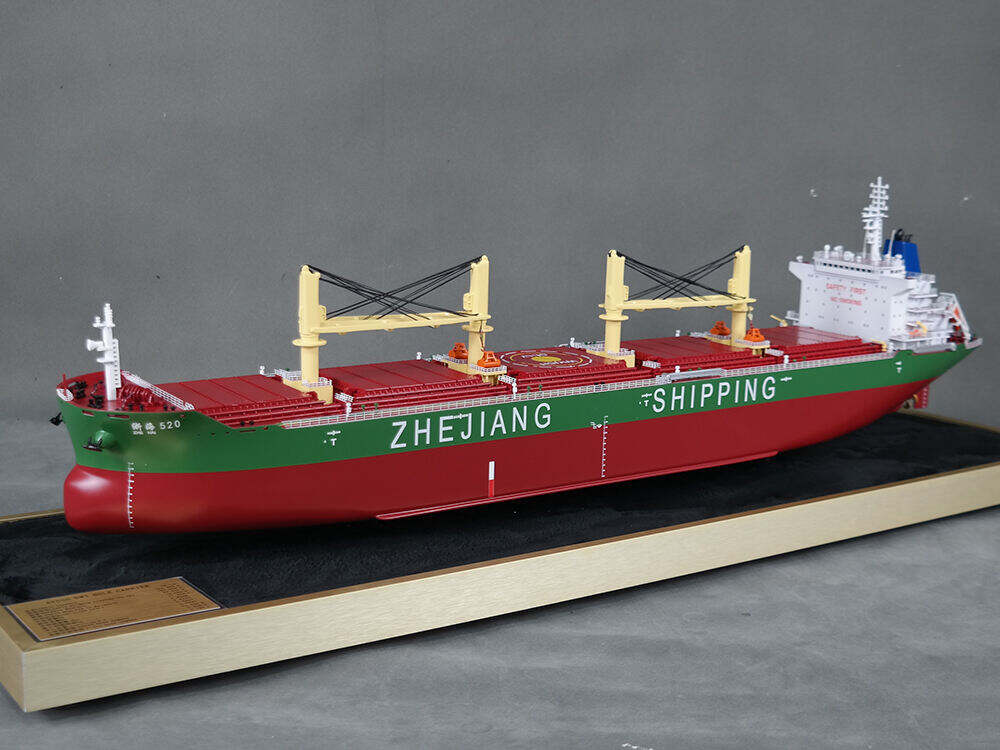
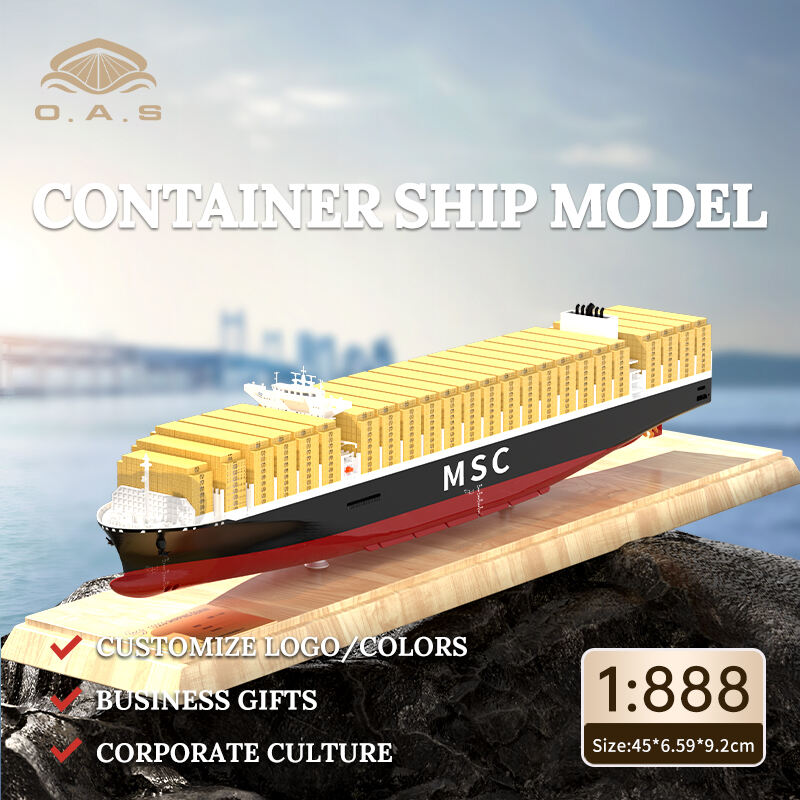
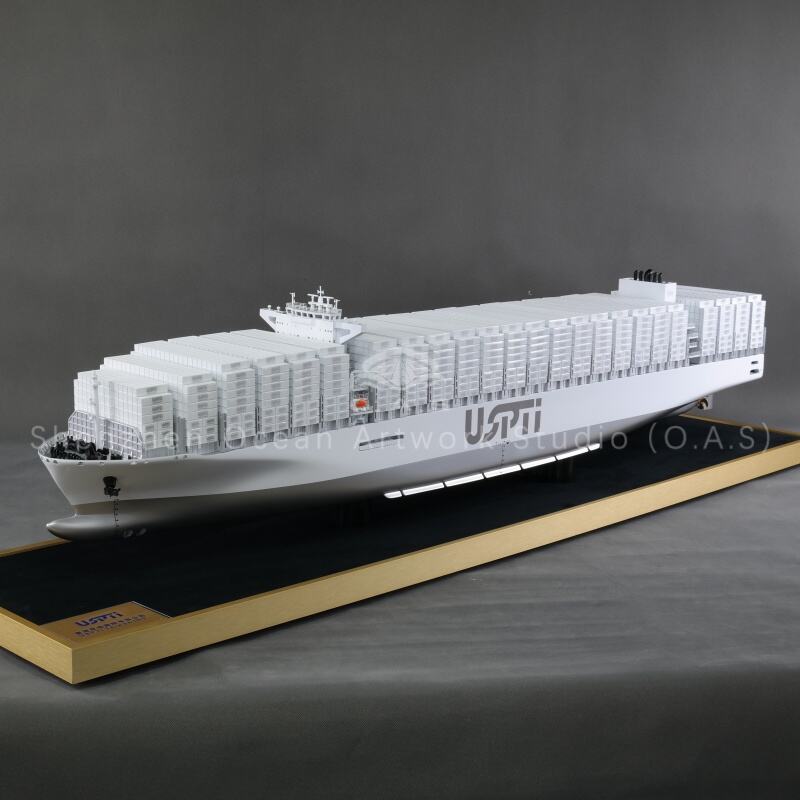
The resin simulation ship model represents a pinnacle of modern maritime miniature craftsmanship, combining advanced manufacturing techniques with meticulous attention to detail. These sophisticated replicas utilize high-grade resin materials to create stunning representations of various naval vessels, from historic warships to contemporary cruise liners. The resin simulation ship model serves multiple purposes across different sectors, including educational institutions, maritime museums, collector communities, and professional training facilities. The primary function of these models extends beyond mere decoration, offering comprehensive visual learning tools that help students and professionals understand complex naval architecture and maritime operations. Technological features of the resin simulation ship model include precision molding processes that capture intricate details such as deck equipment, superstructure elements, and propulsion systems with remarkable accuracy. Advanced resin formulations ensure durability while maintaining lightweight characteristics, making these models both robust and easily handled. The manufacturing process incorporates computer-aided design systems that translate real vessel blueprints into scaled representations, ensuring dimensional accuracy and proportional correctness. Applications for resin simulation ship models span numerous industries and purposes. Educational institutions utilize these models for maritime engineering courses, naval history programs, and oceanography studies. Museums employ them as interactive displays that engage visitors while preserving actual artifacts from handling damage. Military academies incorporate resin simulation ship models into tactical training exercises, allowing personnel to visualize fleet formations and naval strategies. Commercial shipping companies use these models for crew training programs, helping sailors understand vessel layouts before boarding actual ships. Collectors appreciate the resin simulation ship model for its artistic value and historical significance, often building extensive collections representing different eras of naval development. The versatility of these models makes them invaluable tools for anyone seeking to understand maritime culture, naval engineering, or shipping industry operations through tangible, three-dimensional representations.

New Product Recommendations

The resin simulation ship model offers numerous compelling advantages that make it an superior choice for educational, professional, and recreational applications. First and foremost, the exceptional durability of resin materials ensures these models withstand repeated handling without deteriorating, making them ideal for classroom environments where multiple students interact with the same model throughout academic terms. Unlike fragile alternatives such as glass or ceramic models, the resin simulation ship model maintains its structural integrity even when accidentally dropped or mishandled, reducing replacement costs and ensuring continuous availability for learning purposes. The cost-effectiveness of resin simulation ship models represents another significant advantage, as they provide detailed maritime representations at substantially lower prices compared to metal or wood alternatives. This affordability allows educational institutions, museums, and training facilities to acquire multiple models representing different vessel types, creating comprehensive fleets for comparative studies and diverse learning scenarios. The lightweight nature of resin materials makes transportation and storage remarkably convenient, enabling easy relocation between classrooms, exhibition spaces, or training facilities without requiring special handling equipment or additional personnel. Manufacturing precision achievable with resin materials delivers extraordinary detail reproduction, capturing minute features such as antenna arrays, lifeboats, ventilation systems, and deck markings with stunning accuracy. This level of detail enhancement provides viewers with comprehensive understanding of vessel complexity and maritime engineering principles that photographs or diagrams cannot effectively convey. The resin simulation ship model also offers superior customization possibilities, allowing manufacturers to produce limited edition versions, historical variants, or customer-specific configurations without significant tooling investments. Color consistency and finish quality remain stable throughout the production process, ensuring every resin simulation ship model maintains uniform appearance standards regardless of batch size or manufacturing timeline. Maintenance requirements for these models remain minimal, requiring only occasional dusting and careful cleaning to preserve their appearance indefinitely. The non-corrosive properties of resin materials eliminate concerns about rust, tarnish, or deterioration that affect metal models in marine environments or humid storage conditions. Environmental resistance ensures resin simulation ship models perform reliably in various climate conditions, making them suitable for outdoor exhibitions, maritime festivals, or international shipping without performance degradation. Finally, the educational value provided by resin simulation ship models exceeds traditional learning materials, offering tactile experiences that reinforce theoretical knowledge through hands-on interaction, ultimately improving comprehension and retention rates among students and trainees.

Practical Tips

The artistry of craftsmanship: model ships

18

Jul

The artistry of craftsmanship: model ships

Discover expert model ship craftsmanship from 2008 leaders in marine modeling. Explore cruise yachts, engineering vessels, and new energy ship models. Request a consultation today.
View More
 Boost Your Collection With Uniquely Built Ship Models

22

Jul

Boost Your Collection With Uniquely Built Ship Models

Discover the artistry and history behind unique ship models. Explore how these detailed replicas enhance collections, inspire learning, and celebrate maritime heritage.
View More
Investigating The Skills Of Building Scale Models

28

Jul

Investigating The Skills Of Building Scale Models

Discover the key skills and tools needed for professional-grade scale models. Learn techniques like weathering, detailing, and problem-solving for superior results. Elevate your modeling craft today.
View More

Get a Free Quote

Our representative will contact you soon.
Email
Name
Company Name
WhatsApp
Message
0/1000

resin simulation ship model

Unmatched Detail Precision and Accuracy

Unmatched Detail Precision and Accuracy

The resin simulation ship model stands out in the maritime miniature industry due to its extraordinary ability to reproduce intricate vessel details with unprecedented precision and accuracy. Advanced manufacturing techniques utilize computer-controlled molding processes that capture every nuance of original ship designs, from the smallest deck fittings to complex superstructure arrangements. This remarkable attention to detail transforms each resin simulation ship model into a comprehensive learning tool that reveals the sophisticated engineering behind maritime vessels. The precision molding process begins with detailed 3D scanning of actual ships or comprehensive analysis of original blueprints, ensuring dimensional accuracy that meets professional standards. Every element of the vessel, including propeller configurations, anchor chains, communication equipment, and safety installations, receives meticulous reproduction treatment that maintains proper scale relationships and functional representation. The resin material's moldability allows manufacturers to capture undercut details and complex geometries that would be impossible with other manufacturing methods, resulting in models that showcase radar arrays, weapon systems, bridge equipment, and crew facilities with stunning clarity. This level of detail precision provides educational value that extends beyond surface appearance, revealing the interconnected systems that make modern vessels operational. Students studying naval architecture can examine how different components integrate within the overall design, understanding spatial relationships and functional dependencies that blueprints alone cannot effectively communicate. The accuracy of scale proportions ensures that viewers develop correct visual understanding of actual vessel dimensions and component relationships, preventing misconceptions that might arise from simplified representations. Professional maritime training programs benefit enormously from this precision, as trainees can familiarize themselves with equipment layouts and access routes before boarding actual vessels, improving safety and operational efficiency. The resin simulation ship model's detail accuracy also serves historical preservation purposes, documenting vessel configurations that may no longer exist in their original form, providing researchers and historians with reliable reference materials for future studies. This commitment to precision and accuracy makes each resin simulation ship model an invaluable resource for anyone seeking comprehensive understanding of maritime engineering, naval history, or shipping industry operations through detailed visual examination.
Superior Durability and Longevity Performance

Superior Durability and Longevity Performance

The exceptional durability and longevity performance of the resin simulation ship model represents one of its most valuable characteristics, delivering sustained functionality across diverse applications and environmental conditions. High-quality resin formulations resist impact damage, temperature fluctuations, and moisture exposure that would compromise alternative materials, ensuring these models maintain their appearance and structural integrity throughout extended service periods. This superior durability stems from advanced polymer chemistry that creates cross-linked molecular structures capable of withstanding mechanical stress without cracking, chipping, or deformation. Educational institutions particularly benefit from this durability advantage, as resin simulation ship models endure countless handling sessions by students without requiring frequent repairs or replacements. The impact resistance of resin materials prevents damage from accidental drops or mishandling that would destroy more fragile alternatives, maintaining model availability for continuous learning activities. Temperature stability ensures resin simulation ship models perform reliably in various climatic conditions, from air-conditioned classrooms to outdoor maritime exhibitions, without warping or dimensional changes that would affect their educational value. Ultraviolet resistance prevents color fading and surface degradation even under prolonged sunlight exposure, making these models suitable for window displays, outdoor events, and international shipping without appearance deterioration. The chemical inertness of resin materials provides resistance to cleaning agents, saltwater exposure, and atmospheric pollutants that would corrode metal models or damage painted surfaces on alternative materials. This chemical stability ensures resin simulation ship models retain their original appearance indefinitely with minimal maintenance requirements, reducing long-term ownership costs and ensuring sustained visual appeal. Moisture resistance prevents absorption-related damage such as swelling, delamination, or mold growth that affects organic materials, making these models suitable for humid storage conditions or marine environments where actual ships operate. The dimensional stability of resin materials maintains accurate scale relationships throughout the model's service life, ensuring educational value remains consistent over time without gradual distortion that would compromise learning effectiveness. Long-term performance testing demonstrates that properly manufactured resin simulation ship models can provide decades of reliable service while maintaining their original detail definition and structural integrity, making them excellent investments for institutions requiring durable educational resources with minimal replacement frequency.
Versatile Applications and Educational Value

Versatile Applications and Educational Value

The remarkable versatility and educational value of the resin simulation ship model make it an indispensable resource across multiple sectors, from academic institutions to professional training programs and cultural preservation initiatives. This adaptability stems from the model's ability to serve simultaneously as a detailed reference tool, interactive learning aid, and engaging visual display that captures viewer attention while conveying complex maritime concepts. Educational applications demonstrate the profound impact of resin simulation ship models on learning outcomes, as students gain three-dimensional understanding of vessel design principles that traditional textbooks cannot effectively provide. Maritime engineering programs utilize these models to illustrate structural relationships, propulsion systems, and safety equipment arrangements, allowing students to visualize theoretical concepts through tangible examination. Naval history courses benefit from the chronological representation capabilities of resin simulation ship models, enabling comparative studies between different eras of shipbuilding technology and design evolution. Oceanography students examine how vessel designs adapt to specific maritime environments and operational requirements, developing comprehensive understanding of human interaction with marine ecosystems. Professional training applications showcase the practical value of resin simulation ship models in preparing personnel for real-world maritime operations. Merchant marine academies incorporate these models into navigation training, crew familiarization programs, and emergency response procedures, providing safe environments for practicing complex scenarios without operational risks. Port management training utilizes resin simulation ship models to demonstrate vessel handling characteristics, berthing procedures, and cargo operations that trainees will encounter in actual port facilities. Maritime safety instructors employ these models to illustrate evacuation routes, emergency equipment locations, and crisis management procedures, improving preparedness and response effectiveness. Cultural and historical preservation represents another significant application area where resin simulation ship models contribute invaluable services. Museums create engaging exhibits that allow visitors to examine historical vessels without risking damage to authentic artifacts, preserving original materials while maintaining public access to maritime heritage. Research institutions document disappearing ship designs and construction techniques through detailed model reproduction, creating permanent records for future generations of maritime historians and archaeologists. The accessibility of resin simulation ship models makes maritime knowledge available to diverse audiences, including visually impaired individuals who can explore vessel characteristics through tactile examination, expanding educational opportunities beyond traditional visual-only approaches and fostering inclusive learning environments that accommodate various learning styles and physical capabilities.
Get a Quote Get a Quote

Get a Free Quote

Our representative will contact you soon.
Email
Name
Company Name
WhatsApp
Message
0/1000