EN
EN

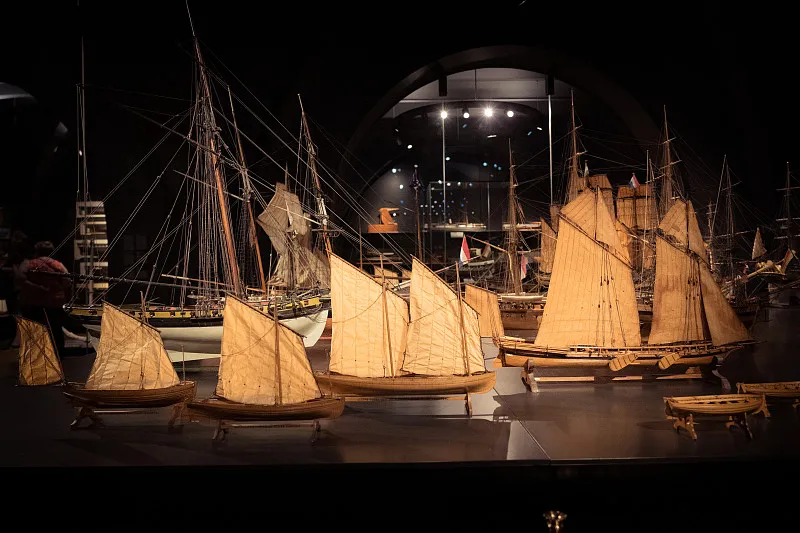
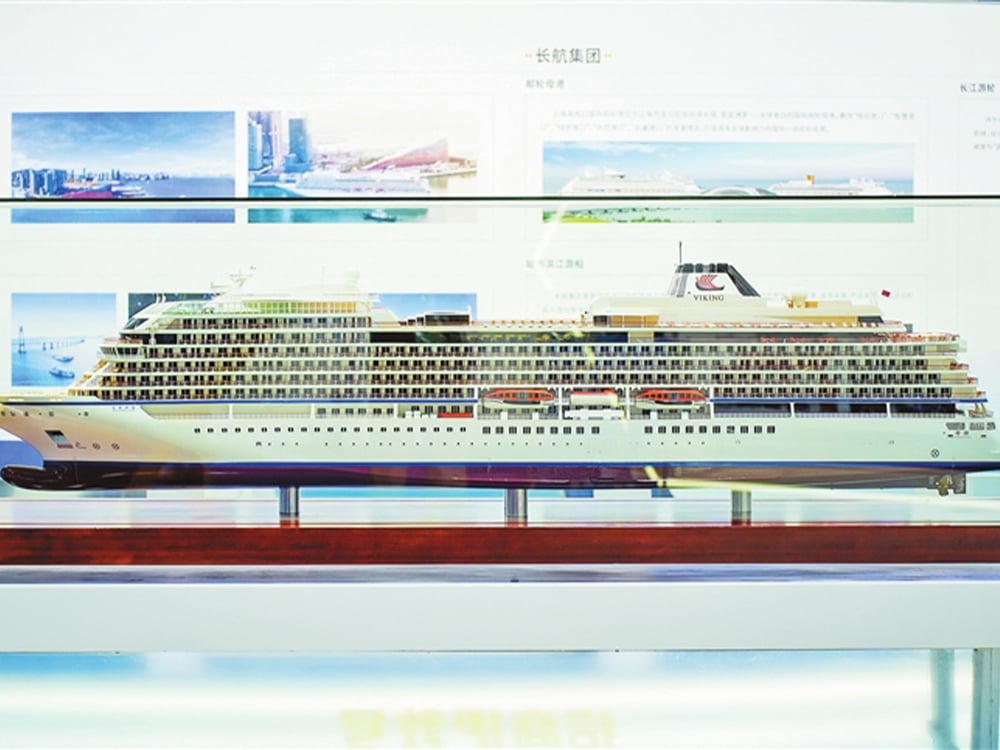
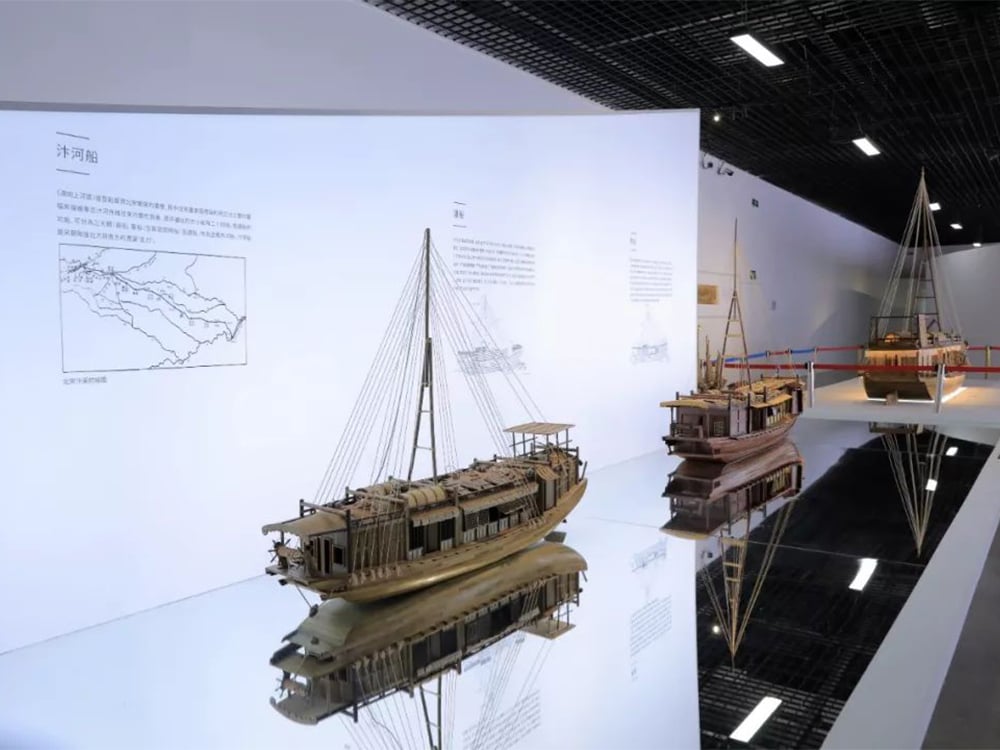
Mae modelau llongau a gynhyrchir yn y ffatri yn gyfleus, yn sicr, ond nid oes ganddynt yr un lefel o gyswllt personol na sylw manwlach sydd yn dod â modelau a gynhwysir yn unigol. Mae adlewyrchiadau'r ffatri yn tueddu i aros yn y broffilau sylfaenol, tra bod gwaith unigol yn dal hanes i'r manwlachaf. Meddwl am adeiladu HMS Victory Nelson gyda'i llinellau rigio autentig i gyd, neu am greu long ffigyn â chynddelwiau coed go iawn tebyg i'r rhai a ddefnyddiwyd cynhenid o gannoedd o flynyddoedd yn ôl. Mae'r deunyddiau hefyd yn bwysig. Mae cyflwynwyr unigol yn newid plastig tanwg am goed pren cryf ac weithiau hyd yn oed yn creu eu harffau bras mewn llafur â llaw, sydd yn gwneud popeth yn para hirach a edrych yn fwy awthentig. Adnabyddir hyn hefyd gan gasglwyr. Mae modelau unigol o gynhyrchion cyfyngedig yn cynyddu eu gwerth yn llawer yn gynta na setiau arferol a brynir yn y siop yn ôl aucsiynau morol diweddar. Yn sicr, mae cynhyrchu masnachol yn ymwneud â gwneud pethau'n gyflym ac yn rhaglon, ond pan fyddwn yn trafod modelau llongau unigol, mae pobl yn adeiladu rhywbeth sydd yn para cenedlau. Cydnabyddir gan tua 80% o'r hobiwyr eu bod yn ffurfio cysylltiadau crysallach â'u prosiectau unigol oherwydd eu bod yn gallu helpu cynllunio'r ddyluniad ar hyd y ffordd. A gadewch i ni wynebu'r ffaith, nad oes neb eisiau delio â'r problemau anodd o blisio lle nad yw'r rhannau'n cydweddu'n iawn. Mae tua hanner o'r setiau paratoiedig yn dioddef o'r problemau hyn, ond mae adeiladwyr unigol yn eu heidio yn llwyr, felly mae'r cynhyrchion terfynol yn edrych fel rhai o'r amgueddfa o'r diwrnod cyntaf heb unrhyw waith ychwanegol angenrheidiol.
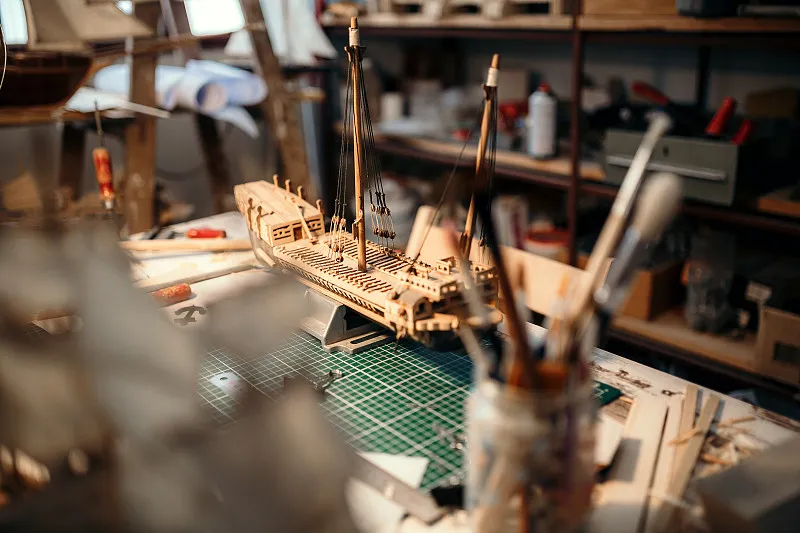
Mae adeiladu llong fodel arbenigol yn dechrau bob amser â gwaith ymchwil ddifrifol. Mae modelwyr yn chwilio drwy gerddoriaeth hen gynlluniau, yn gwirio cofnodion llyngesol, a'n astudio lluniau o'r cyfnod hwnnw i sicrhau eu bod yn cael popeth yn iawn. Nid ydynt yn edrych ar beth sydd yn edrych yn da yn weledol yn unig, ond maen nhw hefyd eisiau i'r strwythur a sut mae popeth yn gweithio fod yn awthentig hefyd. Pan fydd rhaid sgwennu pethau i lawr, mae adeiladwyr yn rhaid gwneud rhai penderfyniadau anodd. Mae'r rhan fwyaf yn defnyddio sgrin o tua 1:50 ar gyfer modeli dangos manwl, tra bod llongau mwy gallant ddefnyddio 1:200 er mwyn i pobl dal allu gweld y rhannau bach yn glir. Yn ôl arolwg diweddar rhwng modelwyr yn 2023, roedd bron o 8 o bob 10 o orchymyn arbenigol yn gofyn am newidiadau i'r cynlluniau wreiddiol er mwyn cadw'r strwythur yn sefydlog, yn enwedig gan fod llawer o'r hen trawsliwiau heb eu cynllunio â thechnegau adeiladu heddiw yn y meddwl. Yn ystadiwm hwn, mae modelwyr yn datrys yr holl ranau rhewiad cymhleth, yn cynllunio lle y dylid gosod y deckiau, a'n penderfynu pa deunyddiau fyddan nhw'n ei angen, gan troi'r syniadau papur hynny yn gynlluniau go iawn y gall rhywun eu dilyn i adeiladu'r llong.
Mae dewis y coed cywir yn gwneud pob gwahaniaeth pan fo'n mynd i faint o amser mae llong yn para a sut mae'n edrych. Ar gyfer adeiladu corffau, mae coed caled fel walnwt a mahagoni yn gweithio gorau gan eu bod yn cadw eu siâp dros amser. Mae'r coed hyn yn resistio newidiadau mewn tymheredd a chwyniant yn well na choed eraill. Ar y llaw arall, defnyddir coed meddalach fel basswood yn bennaf ar gyfer rhannau cymhleth ble mae manylion y carwio yn bwysicaf. Mae rhai adeiladwyr yn cymysgu materion cyfansawdd modern i mewn i strwycturau preifat traddodiadol, ond dim ond mewn rhannau lle mae pwyntiau ychwanegol o bwysau neu symudiad. Ni fyddant yn disodli coed yn llwyr er nad oes unrhyw beth yn torri coed naturiol am cryfder a characterau. Pan fo'n cydgynhyrchu corff, mae cerflunwyr yn defnyddio fel arfer naill ai'r dull 'planc ar fframwaith' na'r dull 'planc ar fwlch'. Mae torri lasier yn helpu cynnal toleransau llawer mwy cynaliadwy ar draws nifer o ddarnau. Mae adranau crwm yn gofyn am benthyciad o steim, sydd yn gofyn am sylw ofalus i lefelau'r cwyniant trwy'r broses gyfan. Os yw'r coed yn cynnwys mwy na 12% o gwyniant ar unrhyw bwynt, mae'r tebygolrwydd uchel y bydd yn camdroi unwaith ei siapio. Mae'r tabl canlynol yn dangos rhai cymharoedd sylfaenol rhwng gwahanol fathau o deithiau corff a ddefnyddir heddiw.
| Materyal | Gorau ar gyfer | Diwethafiad | Gweithgarwyaeth |
|---|---|---|---|
| Mahagoni | Adlewyrchiadau llawn maint | Uchel | Cymedrol |
| Coeiddiad | Carwings manwl | Canol | Ardderchog |
| Perwydd | Modelau canolradd | Uchel | Da |
| Llwynen | Adeiladu rhagbrofiadol | Isel | Ardderchog |
Mae cael y rigiad yn iawn yn yr hyn sydd yn troi model cyffredin yn wir fargen yn hytrach na thrydydd adeiladwr dymunol. Gweithiwch e.e. â schoonerau un-mast, sydd amlweithiau angen tua 200 llinell o gthread, pob un wedi ei gynhyrchu'n gywir, tra bod llwyddiant llawn-riged yn gallu gofyn am ragor na 1500 o gysylltiadau unigol, pob un yn cael ei gysylltu, ei gysylltu'n galed neu ei gysylltu gan ddefnyddio dulliau traddodiadol o'r 1700au neu'r 1800au. Mae'r rhannau metel hefyd yn bwysig iawn: angorau gwneuthuriedig â llaw, cannonau adlewyrchiad, y deadeyes bychain—mae pob un yn cael triniaeth arbennig â prosesau ocsidation rheoliadig i gyrraedd y golwg hen-wir hwnnw sydd yn cael ei ddisgwyl. Pan ddaw at y tocynnau terfynol, mae casglwyr yn dymuno'r arwyddion a gafodd eu paentio â llaw gan ddefnyddio pigmendid sydd yn cyfateb i'r rhai a ddefnyddiwyd ar longau go iawn yn ôl y cyfnod. Mae sailgwneuthurwyr yn astudio cofnodion llynges hynafol i ddod o hyd i sut mae sialiau yn dirwedd yn naturiol dros amser. A phaid â anghofio'r rhifau na chwaith. Mae Cyngres Rhyngwladol Amgueddfeydd yn rhoi rhai canlliniadau yma—yn hanfodol, os yw model yn gweithio mewn rhagor na 3% o'r specifiadau hanesyddol, mae gwerth ei gasglu'n gostwng tua 40% yn y cyfartaledd. Mae hyn yn synhwyro pan feddwl rydych amdano, on'd yw?
Pan fyddwch yn edrych ar alluoedd adeiladwr, mae'r prawf go iawn yn gorwedd yn eu casgliad o waith—nid faint o brosiectau y maen nhw wedi'u gwneud, ond a oes sylw cyson ar gywirdeb hanesyddol ac ar gynllunio cynaliadwy trwy gydol. Edrychwch yn ofalus ar luniau manwl sy'n dangos pethau fel gwaith nodau ar linellau rigging, sut mae cysylltiadau'r deic yn cyd-fynd yn iawn, a lle mae gwahanol gorlendid yn cyfarfod yn seibiant. Mae'r manylion hyn yn dweud llawer am lefel y sgil wirioneddol rhywun ar draws amrywiaeth o faint longau a chyfnodau hanesyddol. Mae adeiladwyr da yn teimlo fel bodent wedi gweithio ar bob math o longau, o longau'r Fikingiaid hen i'r longau rhyfel rhaglif 18g, sy'n dangos eu bod yn gallu addasu eu technegau yn seiliedig ar ymchwil hanesyddol go iawn yn hytrach na chopïo arddulliau rydych chi'n eu gweld yn lle eraill. Gwnewch ichi wirio a ydynt yn gwybod sut mae materion yn oeddi'n naturiol hefyd—fel sut mae bras yn newid lliw dros amser neu sut mae coeden yn cael ei weithio gan aer halen. A allant ddatrys problemau strwythuol anodd tra bo'r long yn edrych yn grêg? Yn ôl pollau diweddar yn yr industry, mae tua tri o bob pedwar o gwsmeriaid yn gosod cynllunio cynaliadwy uchod na phris pan yn archebu modeli cofio arbennig, sy'n tystio fod sgil wirioneddol yn bwysicach na chynllunio prenog yn y pen draw.
Mae cyflwyno clir o beth sydd ei angen i ddigwydd yn wirionedd yr hyn sydd yn troi syniadau da yn ganlyniadau go iawn. Dechreuwch drwy gynhyrchu trosolwg cynhwysfawr sydd yn cynnwys pethau fel y sgâl rydym yn gweithio arni, pa le mewn hanes mae'r darn hwn yn perthnau, o ble dod ein cyfeiryddion prif yn dod, a a fydd hi'n cael ei arddangos mewn cartref rhywun na'i arddangos mewn sioe arddangosfa. Pan mae proffesiynolion yn rhannu'r gwaith, maen nhw'n ei rhanu'n aml yn nheithrau fel cwblhau'r corff yn gyntaf, yna gosod y mastau'n fertigol, ac wedyn y rhagor o weithgarwyr rhewi cymhleth. Maen nhw hefyd yn cynnwys amser ychwanegol rhwng pob cam er mwyn bod lle i addasu pethau wrth ofyn. Mae cyfarfodydd wythnosol yn helpu dal problemau yn gynnar os oes angen newid y defnyddiadurau naill ai neu os oes angen newid y dyluniadau. Cadwch olion o bob peth a gytunwyd ar bapur hefyd — yn ôl pobl yr industry, mae'r rhai sydd yn skipio'r cam hwn yn mynd yn ôl ar y sefyllfa tua 40% o'r amser. A chofiwch gadw'r breuddwydion yn seiliedig ar realiti. Mae adeiladu llong o sgâl 1:48 yn cynnwys pob sail rhwng 300 a 500 awr o waith llaw-gyrraedd go iawn. Mae'r amser hwn yn crynhoi nid yn unig y gwaith adeiladu ond hefyd ymchwil i gywirdeb hanesyddol, paratoi'r defnyddiadurau'n addas, a gwneud pob un o'r manylion bach gan law.
Mae gofalu'n dda am y rhain a'u dangos yn briodol yn helpu cadw eu strwythurau'n gyfan gwbl tra bo'u pwysigrwydd hanesyddol yn cael ei chadw. Rhaid cadw modelau mewn lleoliad ble mae'r tymheratur yn aros tua 18 i 22 gradd Celsius ac mae lefelau'r cymylau yn amrywio rhwng 40% a 50%. Mae goleuo uniongyrchol yn sicr nad yw'n addas, yr un fath â'r gweithgareddau oer o systemau poeri a'r walau sydd yn gallu cael eu gwerthu'n rhydd yn ystod y dydd ac yn oeru yn y nos. Mae sioeau dangos sydd wedi'u sealio â gwydr sydd yn ffiltro UV yn bwysig iawn nid yn unig oherwydd eu bod yn atal llwch rhag mynd i mewn ond hefyd oherwydd eu bod yn helpu atal lliwiau rhag diflannu a goeden rhag torri i lawr dros amser. Rhaid glanhau arwynebau yn gynnil unwaith neu ddwywaith y mis gan ddefnyddio brwsiau meddal nad ydynt yn tynnu trydan statig. Peidiwch â defnyddio clirwyr cemegol na chyrraedd awyrgo i'w glanhau, gan eu bod yn gallu taro rhai pethau i lawr neu niweidio gorffeni hen. Ar gyfer modelau mwy na 12 modfedd o hyd, rhaid dal y rhan isaf a'r dechrau uchaf ynghyd bob tro y byddwch yn symud eu. Peidiwch byth â dal gan y mastiau na phopeth sydd yn cyffwrdd allan i'r ochr, gan fod hyn yn rhoi strain angenrheidiol ar y rhewiadau a gall achosi i ranau goeden gwarwio. Gosodwch y modelau fel y gall pobl eu gweld wyneb i wyneb â goleuo priodol sydd yn tanlinellu'r carwings cymhleth, y rhewiadau testunuredig a'r arwynebau metel hen, heb greu cysgodion annhebygol. Mae'r mwyafrif o arbenigwyr sydd yn gweithio â chadwraeth y rhain yn argymell cadw cofnod parhaol o hyd yn oed atgyweirio bychan, fel atgyweirio un dwyn bach neu atgyweirio rhan canisiwn sydd wedi diflannu, mewn llyfr cofnod parhaol. Mae gwneud hyn yn sicrhau bod popeth yn cael ei gadw yn ôl y safonau a ddefnyddir yn ymdeitheddau amcanol ar gyfer eitemau hanesyddol pwysig, gan amddiffyn y rhai rydym yn eu cadw yn ffisegol a'r hyn sydd yn eu dweud wrthym am yr hanes.
Mae modelau llongau cyfaddas yn cael eu hanoglu'n uchel oherwydd eu sylw ar fanylion, eu cywirdeb hanesyddol, a'u defnydd o deithluniau ansawdd. Amlweithiau maen nhw'n dod yn casgliadau hoff a chynhyrchir gwerth dros amser.
Mae coed ansawdd fel mahagoni, coed y bocs, a choed perw yn cael eu hoffi am eu cynaliadwyedd a'u hymweliad â nhw. Gall rhai modelau hefyd gynnwys deithluniau cyfansawdd i gael cryfder ychwanegol.
Maen nhw'n cynnal ymchwil manwl o dan ddefnyddio lluniau planiau hen, cofnodion llyngesol, a lluniau i adfer cynlluniau dilys. Maen nhw hefyd yn canolbwyntio ar rigio manwl a manylion eraill.
Cynnal lefelau sefydlog o resymau a chynhwysedd, osgoi goleuadau uniongyrchol, a defnyddio casgliadau arddangos sydd wedi'u diogelu rhag UV. Mae clirio gently â brwsiau nad ydynt yn creu statig yn argymhellir.
 Newyddion Poeth
2024-06-11
2024-06-07
2024-06-01
2024-06-01
2024-06-01
2024-05-25
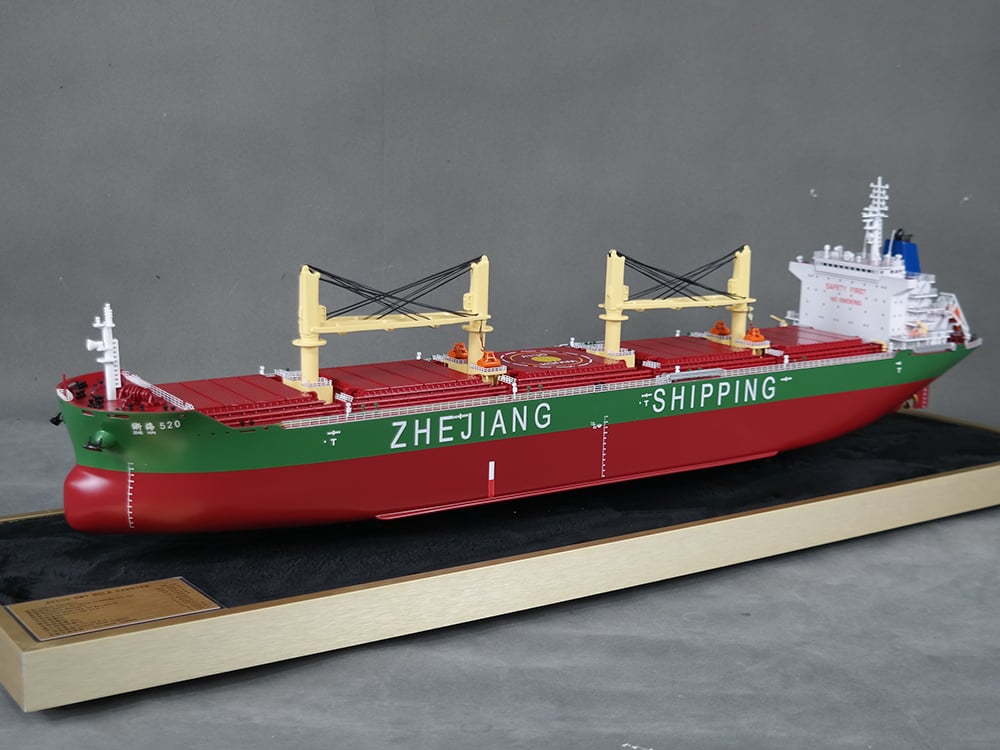
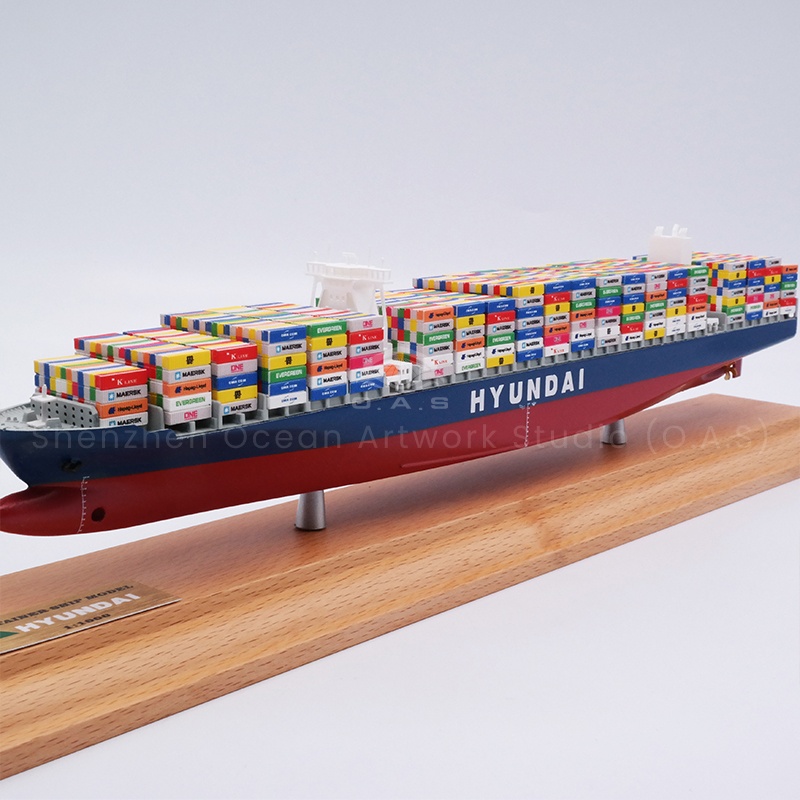
Shenzhen Ocean Artwork Studio (O.A.S) Technology Co., Ltd. yw cynhyrchydd arweiniol modelau llong â mwy na 15 mlynedd o brofiad. Rydym yn arbenigo mewn cynllunio a chynhyrchu modelau llong sifil, milwrol a peirianneg, gan weithio â brandiau llong rhwng blaenaf y byd fel MAERSK, COSCO, a EVERGREEN.

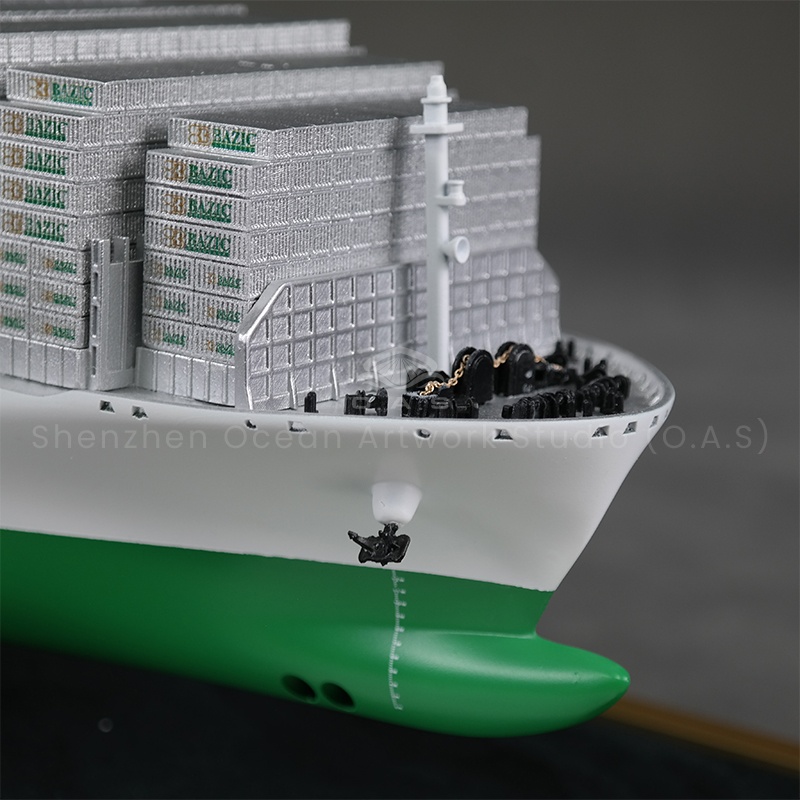
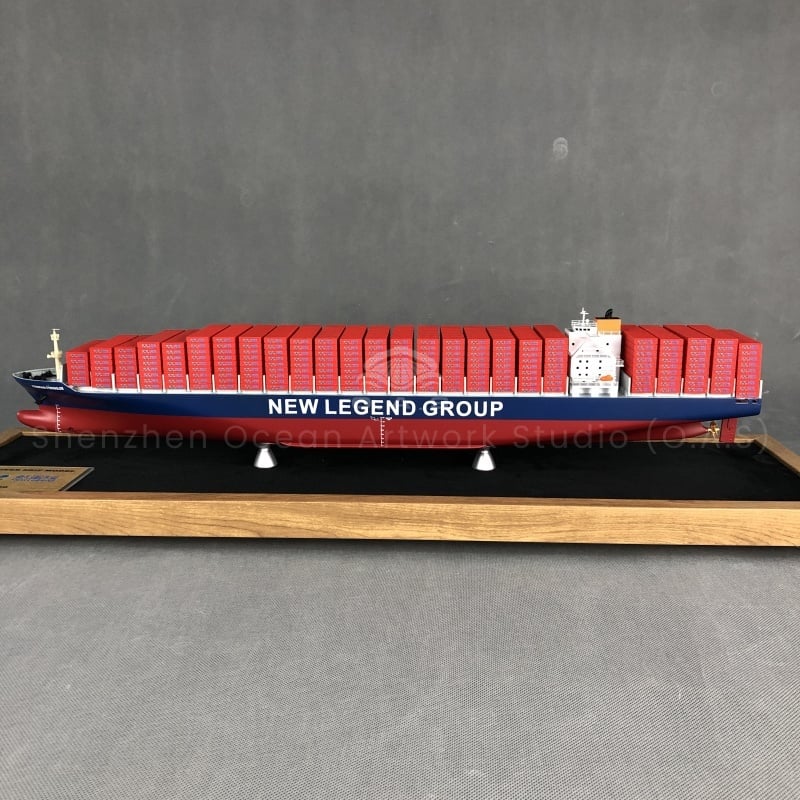
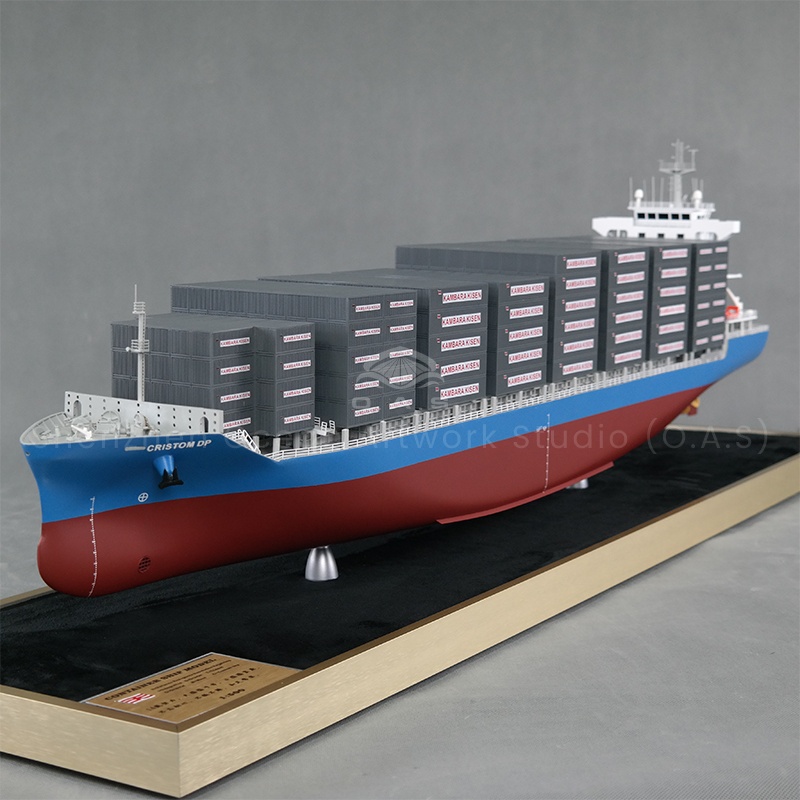
![[LAC] Gweithfab O.A.S: model llong uchelganiad, llawn law-linell, 100%, rhodd busnes wedi'i chyfaddasu, model llong tanwg, 127 cm](https://shopcdnalpha.grainajz.com/category/358843/1691/09cf63b5a56cee3ad93f7b41b4009cd7/127cm%E4%B8%AD%E8%88%B9%E6%B9%96%E5%8D%971.jpg)