EN
EN

Dopravní modely slouží jako výkonné vizualizační nástroje, které umožňují odborníkům na logistiku porozumět složitým sítím zásobování a optimalizovat distribuční strategie. Tyto podrobné reprezentace poskytují klíčové poznatky o provozu vozidel, plánování tras a procesech manipulace s nákladem, které pohání moderní obchod. Prostřednictvím zkoumání fyzických a digitálních dopravních modelů mohou společnosti identifikovat úzká hrdla, testovat nové konfigurace a zlepšovat celkovou efektivitu systému, aniž by rušily skutečný provoz.
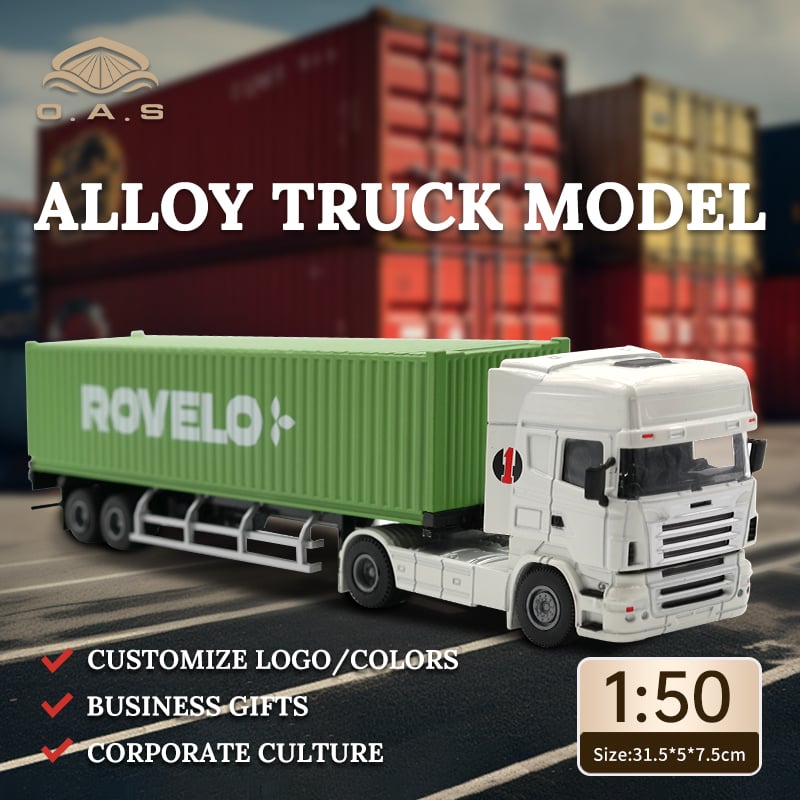
Vývoj dopravních modelů změnil způsob, jakým manažeři logistiky přistupují k návrhu systémů a provoznímu plánování. Od jednoduchých měřítek po sofistikované digitální simulace tyto nástroje překlenují propast mezi teoretickými koncepty a praktickou realizací. Moderní dopravní modely zahrnují reálné proměnné, jako jsou dopravní situace, spotřeba paliva, nosnost, dodací plány a vytvářejí přesná zobrazení logistických sítí.
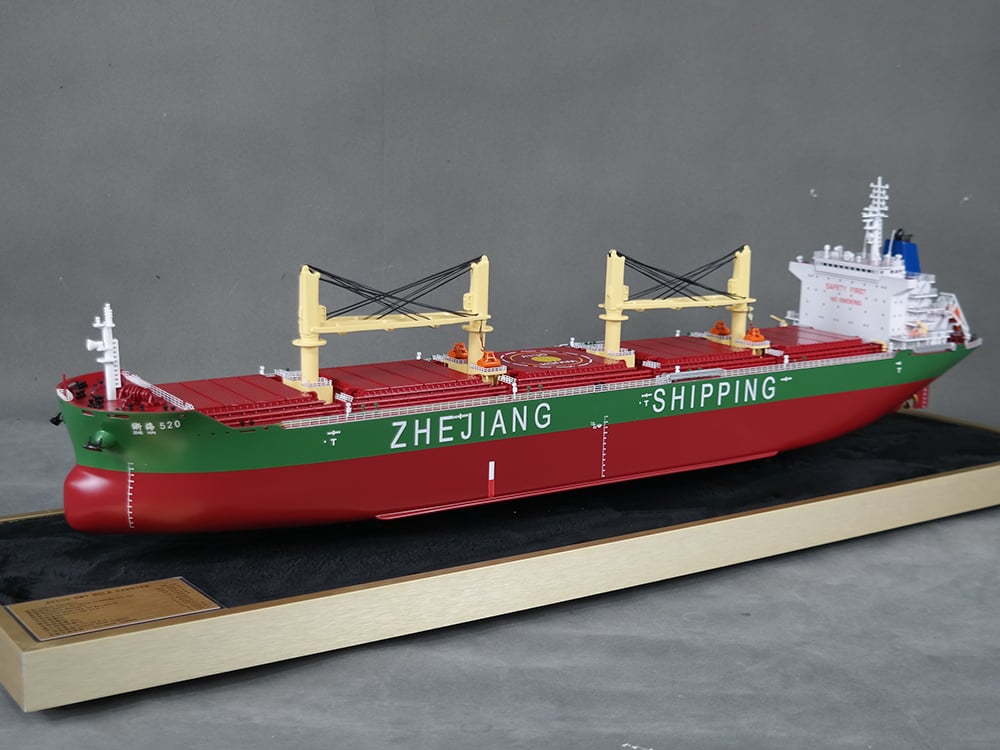
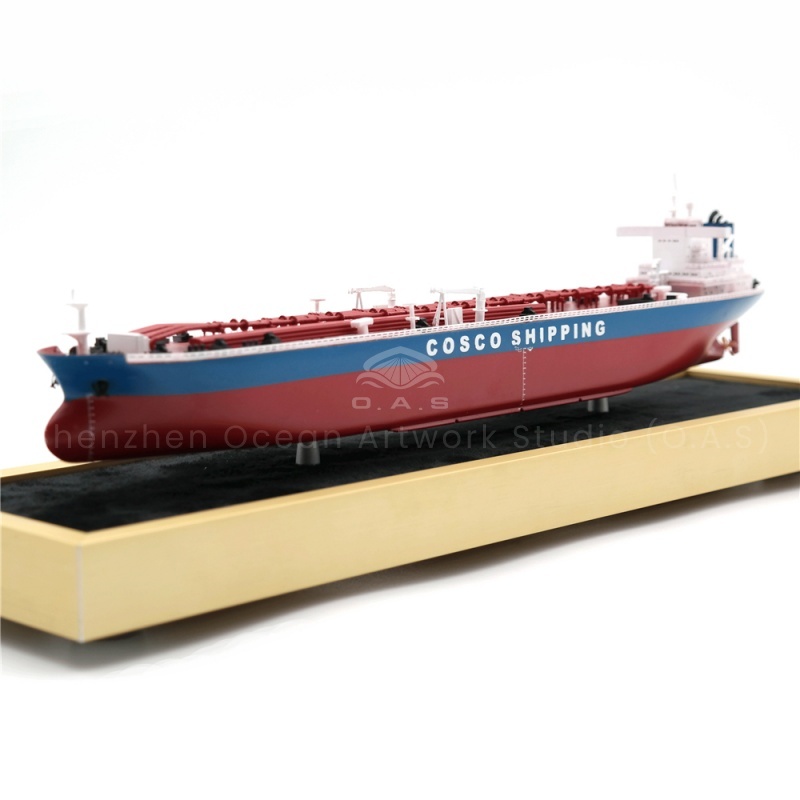
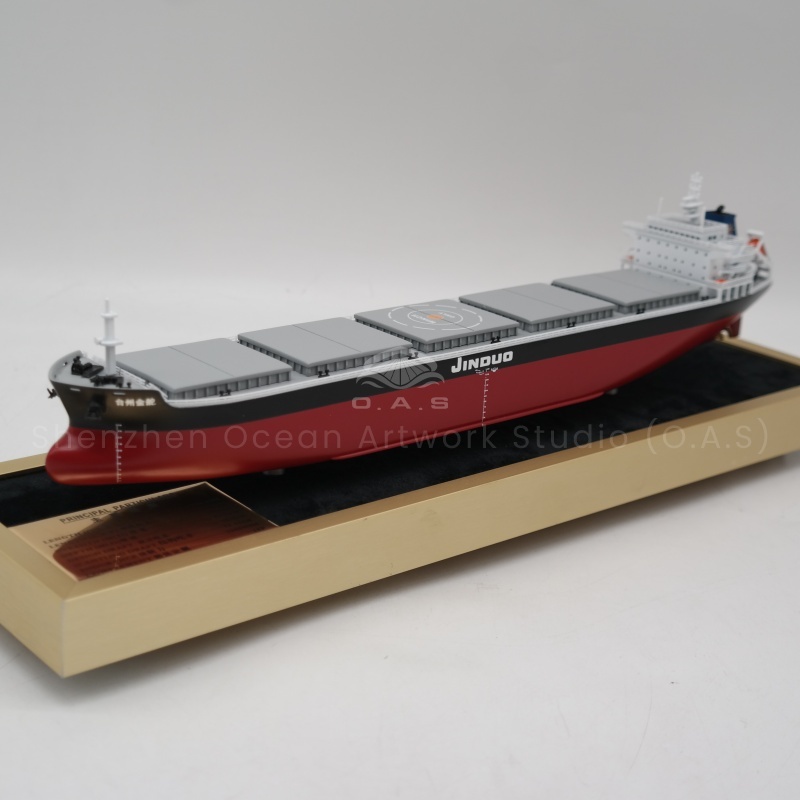
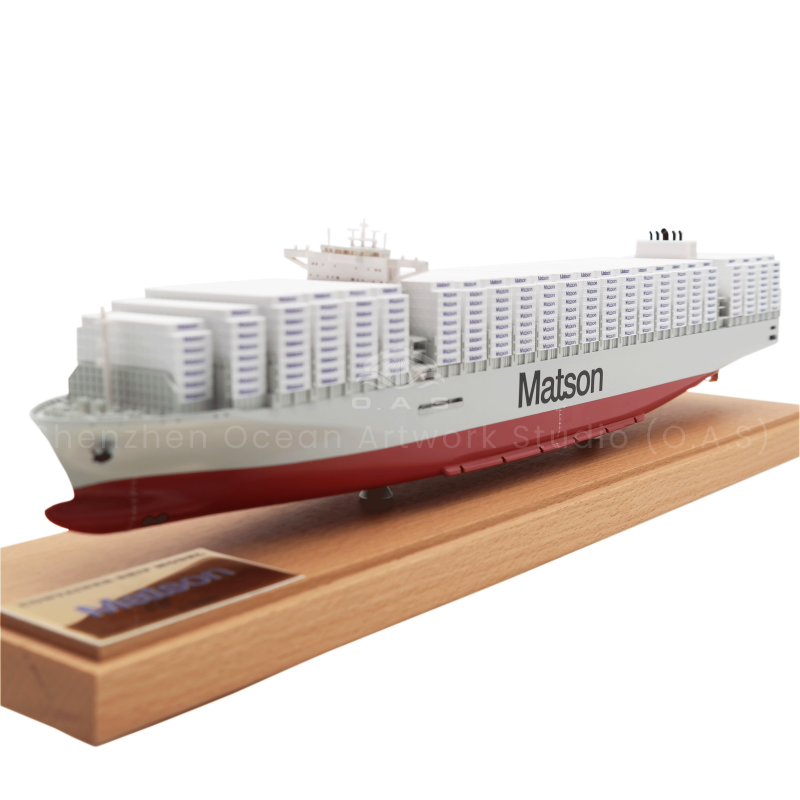
Fyzické modely dopravy poskytují hmatatelné zobrazení, které zúčastněným stranám pomáhají vizualizovat komplexní logistické operace v přístupném formátu. Tyto modelové měřítka ukazují poměry vozidel, konfigurace nákladu a složení vozového parku, které by jinak bylo obtížné konceptualizovat. Modelové dopravní systémy umožňují týmům provádět praktickou analýzu postupů nakládky, využití prostoru a kompatibility zařízení před zavedením změn v skutečném provozu.
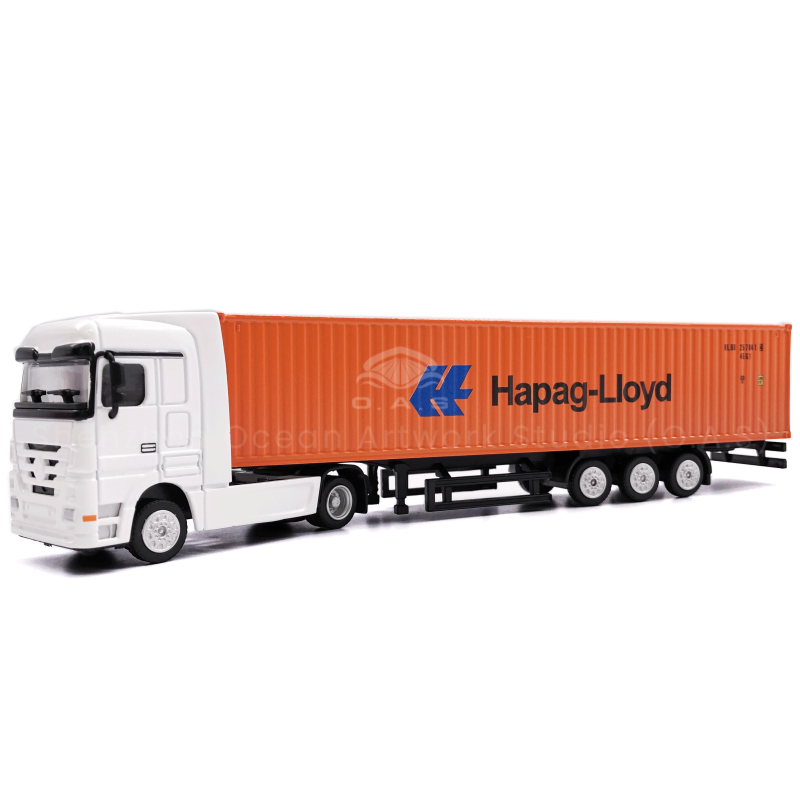
Strategická hodnota modelů fyzické dopravy přesahuje prosté vizualizace a zahrnuje aplikace pro školení a prezentace klientů. Logistické společnosti používají podrobné repliky vozidel k vzdělávání nových zaměstnanců o různých typech nákladních vozidel, konfiguraci přívěsů a postupy manipulace s nákladem. Tyto modely slouží jako vzdělávací nástroje, které zlepšují porozumění schopnostem a omezením dopravního zařízení.
Modely dopravních prostředků vysoké kvality jsou vyrobeny s přesnou konstrukcí z odolných materiálů, které přesně odrážejí skutečné specifikace a proporce vozidel. Výrobci používají pokročilé formovací techniky a detailní dokončovací procesy, aby zajistili, že tyto modely zachovají svou strukturální integritu a poskytují realistické znázornění. Pečlivost na detailech moderních modelů dopravních prostředků zahrnuje funkční komponenty, jako jsou otevírací dveře, nastavitelná zrcátka a demontovatelné části pro náklad.
Normy přesnosti pro profesionální modely dopravních prostředků vyžadují dodržování přesných měřítek a autentických barevných schémat odpovídajících skutečným vozidlům ve flotilách. Tyto specifikace zajišťují, že modely slouží jako spolehlivé referenční nástroje pro plánování logistiky a optimalizaci systémů. Kvalitní modely dopravních prostředků procházejí přísným testováním za účelem ověření rozměrové přesnosti a funkčnosti jednotlivých komponent před tím, než dosáhnou koncových uživatelů.
Digitální dopravní modely využívají sofistikované softwarové platformy k vytváření dynamických simulací logistických sítí a provozu vozidel. Tyto virtuální reprezentace zahrnují proudy dat v reálném čase, dopravní podmínky a provozní omezení, aby generovaly přesné předpovědi výkonnosti systému. Pokročilé aplikační programy pro modelování umožňují uživatelům testovat více scénářů současně a porovnávat výsledky různých provozních strategií.
Integrace algoritmů umělé inteligence a strojového učení posiluje prediktivní schopnosti digitálních dopravních modelů. Tyto systémy dokážou analyzovat historická data o výkonnosti, identifikovat vzorce a navrhovat optimalizace, které zvyšují efektivitu a snižují náklady. Dopravní modely vybavené funkcemi umělé inteligence nabízejí možnosti nepřetržitého učení se, které se přizpůsobují měnícím se provozním podmínkám a požadavkům.
Moderní digitální dopravní modely se bezproblémově integrují do stávajících systémů řízení logistiky, aby mohly přistupovat k aktuálním provozním datům a výkonnostním metrikám. Tato propojenost umožňuje dynamické aktualizace modelů, které odrážejí současné podmínky a poskytují přesné prognostické možnosti. Schopnost zahrnout proudy živých dat zajišťuje, že modely dopravy zůstávají relevantní a užitečné pro průběžná provozní rozhodnutí.
Výkonnostní analytiky získané z digitálních dopravních modelů poskytují cenné poznatky o efektivitě systému, využití zdrojů a příležitostech optimalizace nákladů. Tyto analytické schopnosti umožňují logistickým manažerům identifikovat trendy, předpovídat potřebu údržby a optimalizovat plánování tras na základě komplexní analýzy dat. Kombinace reálného monitorování a prediktivního modelování vytváří silné nástroje pro iniciativy spojené s neustálým zlepšováním.
Dopravní modely hrají klíčovou roli při optimalizaci tras, protože poskytují vizuální reprezentace propojení sítě a dodavatelských vzorů. Tyto nástroje umožňují plánovačům identifikovat nejefektivnější trasy mezi distribučními centry a místy zákazníků, a to s ohledem na faktory, jako je dopravní hustota, náklady na palivo a časová okna dodání. Účinné využití dopravních modelů při plánování tras může vést k významnému snížení nákladů a zlepšení spokojenosti zákazníků.
Aplikace pro plánování sítě profitovaly z dopravních modelů, které ilustrují umístění center (hubů), konfigurace jednotlivých ramen (spoků) a kapacitní omezení celého logistického systému. Tyto vizualizace pomáhají rozhodovacím subjektům porozumět důsledkům změn sítě a vyhodnotit alternativní konfigurace ještě před realizací významných investic. Dopravní modely tvoří základ strategických plánovacích iniciativ, které optimalizují návrh sítě a alokaci zdrojů.
Procesy plánování kapacit výrazně závisí na dopravních modelech, které posuzují stávající úroveň využití a identifikují příležitosti pro zlepšení. Tyto modely ukazují, jak různé typy vozidel a jejich konfigurace ovlivňují nosnost, efektivitu nakládky a celkovou propustnost systému. Analýzou dopravních modelů mohou logistické manažery určit optimální složení vozového parku a specifikace zařízení, které maximalizují provozní efektivitu.
Rozhodování o alokaci zdrojů těží z podrobných poznatků poskytovaných komplexními dopravními modely, které berou v úvahu dostupnost vozidel, plánování pracovní doby řidičů a požadavky na údržbu. Tyto modely umožňují plánovačům vyvažovat omezení zdrojů při splňování závazků k úrovním služeb a provozních cílů. Účinná alokace zdrojů podpořená přesnými dopravními modely vede ke zlepšenému využití aktiv a snížení provozních nákladů.
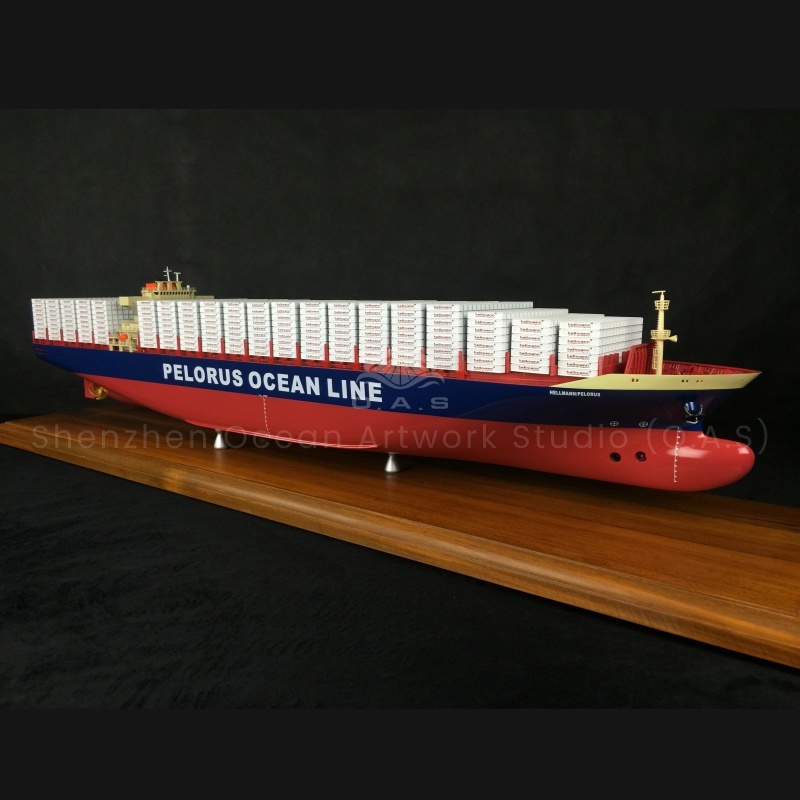
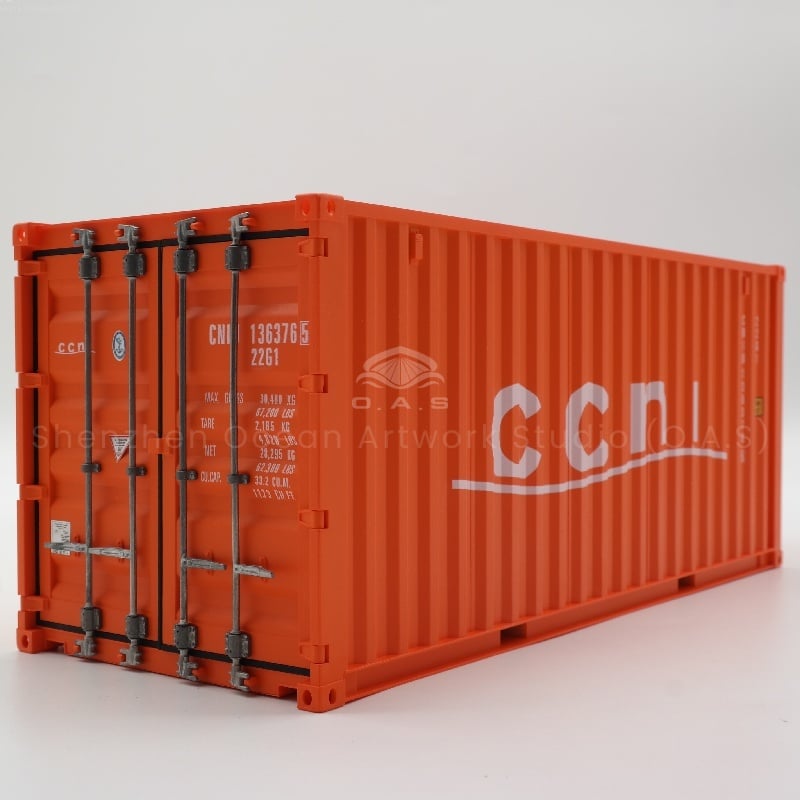
Provoz dopravy nákladu využívá specializované modely, které reprezentují různé typy nákladu, konfigurace kontejnerů a požadavky na manipulační zařízení. Tyto dopravní modely pomáhají odborníkům v logistice porozumět složitostem mezijazykové přepravy, postupům nakládání kontejnerů a provozu terminálů. Schopnost vizualizovat pohyb nákladu různými dopravními prostředky umožňuje lepší koordinaci a zvyšuje efektivitu celého dodavatelského řetězce.
Systémy pro dopravu zboží profitovaly z modelů, které demonstrují rozložení hmotnosti, zajišťovací postupy a rozměrová omezení ovlivňující operace nakládání a přepravy. Tyto podrobné reprezentace pomáhají zajistit soulad s bezpečnostními předpisy a zároveň maximalizovat efektivitu nákladu. Dopravní modely navržené pro nákladové aplikace poskytují nezbytné referenční nástroje pro školení personálu a optimalizaci postupů při manipulaci s nákladem.
Operace dopravy na poslední míli představují jedinečné výzvy, které vyžadují specializované dopravní modely pro řešení omezení ve městech a požadavků na přístupnost zákazníků. Tyto modely zahrnují faktory, jako jsou omezení velikosti vozidel, omezení parkování a časová okna doručování, která výrazně ovlivňují provozní efektivitu. Plánování městské logistiky profitovalo z dopravních modelů, které přesně zachycují složitosti distribučních sítí založených ve městech.
Rostoucí význam udržitelných dopravních řešení vedl ke zvýšenému využívání modelů elektrických vozidel, alternativních palivových systémů a ekologicky šetrných možností doručování. Tyto dopravní modely pomáhají logistickým společnostem posoudit proveditelnost a výhody přijetí zelených technologií při zachování provozní efektivity. Environmentální aspekty zahrnuté do dopravních modelů podporují strategické plánování udržitelných logistických operací.
Integrace technologie Internetu věcí s dopravními modely vytváří příležitosti pro vylepšené možnosti monitorování a řízení v rámě celých logistických sítí. Připojené senzory a sledovací zařízení poskytují data v reálném čase, která aktualizují parametry modelů a zvyšují přesnost reprezentace systémů. Tato konektivita umožňuje preventivní přístupy k řízení, které problémy předvídejí a implementují řešení dříve, než dojde k poruchám.
Modely dopravy s podporou IoT umožňují programy prediktivní údržby, které snižují výpadky vozidel a prodlužují životnost zařízení. Tyto systémy sledují ukazatele výkonu vozidel a environmentální podmínky, aby poskytovaly včasné upozornění na potenciální problémy. Kombinace technologie IoT s pokročilými modely dopravy vytváří inteligentní logistické systémy, které neustále optimalizují výkon a efektivitu.
Aplikace umělé inteligence zvyšují kvalitu dopravních modelů tím, že poskytují automatické optimalizační možnosti a inteligentní podpory rozhodování. Algoritmy strojového učení analyzují obrovské objemy provozních dat, aby identifikovaly vzorce a navrhovaly vylepšení, která by mohli lidskými operátory být přehlédnuta. Tyto dopravní modely vylepšené umělou inteligencí se neustále učí z praxe a přizpůsobují se měnícím provozním podmínkám.
Budoucí vývoj dopravních modelů pravděpodobně bude zahrnovat sofistikovanější AI funkce, které umožní autonomní optimalizaci a samo-sebe zdokonalující systémy. Tyto pokročilé modely budou poskytovat stále přesnější předpovědi a doporučení, a zároveň sníží potřebu ručního zásahu do běžných úloh optimalizace. Dopravní modely s podporou umělé inteligence představují další vývojový krok v logistických technologiích a provozní efektivitě.
Úspěšné nasazení dopravních modelů vyžaduje pečlivé zvážení konkrétních provozních požadavků a organizačních cílů. Společnosti musí vyhodnotit různé typy a možnosti modelů, aby vybraly řešení, která odpovídají jejich logistickým sítím a cílům v oblasti výkonu. Možnosti přizpůsobení umožňují organizacím upravit dopravní modely tak, aby odrážely jedinečné provozní charakteristiky a odvětvově specifické požadavky.
Výběrový proces by měl zahrnovat hodnocení přesnosti modelu, integračních možností a potenciálu škálovatelnosti, aby byla zajištěna dlouhodobá hodnota a užitečnost. Organizace profitují z pilotních programů, které testují dopravní modely ve kontrolovaném prostředí ještě před plnou implementací. Tento přístup umožňuje doladit parametry modelu a optimalizovat postupy integrace.
Účinná implementace dopravních modelů vyžaduje komplexní školicí programy, které zajistí, že uživatelé porozumí možnostem i omezením modelu. Školicí iniciativy by měly pokrývat jak technické aspekty provozu modelu, tak strategické aplikace pro rozhodovací procesy. Strategie změnového managementu pomáhají organizacím přizpůsobit se novým nástrojům pro vizualizaci a efektivně je začlenit do stávajících pracovních postupů.
Probíhající podpora a programy spojitých vylepšování zajišťují, že dopravní modely nadále přinášejí hodnotu, jak se mění provozní požadavky. Pravidelné aktualizace a vylepšení udržují modely aktuální ve vztahu k měnícím se logistickým prostředím a novým technologiím. Úspěch při implementaci dopravních modelů závisí na trvalém angažmá ve školeních, podpoře a úsilí o spojité optimalizování.
Dopravní modely přinášejí mnoho výhod, včetně lepší vizualizace složitých logistických sítí, zvýšených možností rozhodování a snížených rizik implementace. Tyto nástroje umožňují logistickým odborníkům testovat různé scénáře bez narušení skutečných provozů, což vede k informovanějším strategickým rozhodnutím. Dopravní modely také usnadňují lepší komunikaci mezi zúčastněnými stranami tím, že poskytují jasné grafické znázornění navrhovaných změn a jejich potenciálních dopadů.
Digitální dopravní modely nabízejí dynamické simulační možnosti a integraci dat v reálném čase, které fyzické modely poskytovat nemohou. Zatímco fyzické modely excelují ve hmatatelné vizualizaci a školicích aplikacích, digitální verze umožňují testování složitých scénářů a prediktivní analýzy. Oba typy dopravních modelů plní cenné, ale odlišné účely v procesech plánování logistiky a optimalizace systémů.
Společnosti by měly vyhodnotit své konkrétní provozní požadavky, potřeby integrace a rozpočtová omezení při výběru dopravních modelů. Mezi klíčové aspekty patří přesnost modelu, škálovatelnost, možnosti přizpůsobení a požadavky na průběžnou podporu. Výběrový proces by měl také zohlednit potřeby školení uživatelů a požadavky na řízení změn, aby bylo zajištěno úspěšné nasazení a přijetí.
Dopravní modely zlepšují efektivitu dodavatelského řetězce tím, že identifikují příležitosti pro optimalizaci, snižují provozní náklady a zvyšují využití zdrojů. Tyto nástroje umožňují lepší plánování tras, optimalizaci kapacity a rozhodování o návrhu sítě, čímž zefektivňují logistické operace. Pravidelné využívání dopravních modelů pro analýzy a plánování vede k průběžnému zlepšování výkonu dodavatelského řetězce a úrovně spokojenosti zákazníků.
 Nejnovější zprávy
2024-06-11
2024-06-07
2024-06-01
2024-06-01
2024-06-01
2024-05-25
Společnost Shenzhen Ocean Artwork Studio (O.A.S) Technology Co., Ltd. je přední výrobní společností modelů lodí s více než 15letou zkušeností. Specializujeme se na návrh a výrobu civilních, vojenských a technických modelů lodí a spolupracujeme s nejvýznamnějšími světovými lodními značkami, jako jsou MAERSK, COSCO a EVERGREEN.