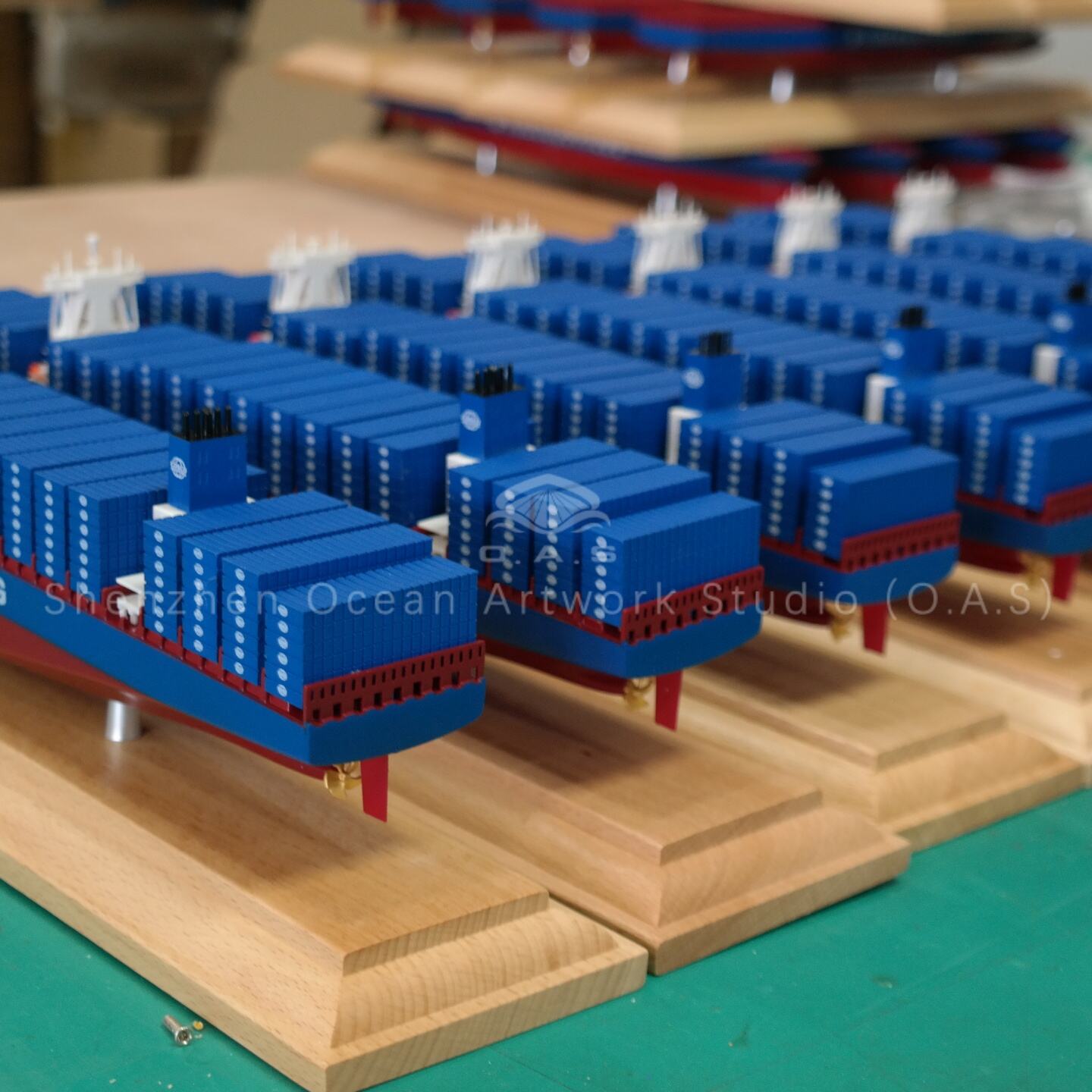
Comprehensive Multi-Scenario Training Capabilities
The simulation ship model offers unprecedented flexibility in creating diverse training scenarios that encompass the full spectrum of maritime operations and emergency situations. This comprehensive platform enables instructors to design custom exercises tailored to specific learning objectives, vessel types, operational requirements, and skill levels with remarkable precision and versatility. The system database contains extensive scenario libraries covering routine operations, emergency procedures, weather challenges, mechanical failures, and complex multi-vessel interactions that provide thorough preparation for real-world maritime challenges. Trainees can practice port approaches in various global locations, each featuring accurate bathymetric data, local traffic patterns, regulatory requirements, and environmental characteristics that enhance cultural awareness and operational adaptability. The simulation ship model supports progressive difficulty levels, allowing beginners to master basic principles before advancing to complex operational scenarios that challenge experienced mariners. Emergency response training capabilities include fire suppression procedures, abandon ship protocols, search and rescue operations, and environmental response actions that develop critical decision-making skills under pressure. The platform enables simultaneous training of multiple crew members, fostering teamwork, communication protocols, and coordination skills essential for safe maritime operations. Weather simulation capabilities range from calm seas to extreme storm conditions, including hurricanes, fog banks, ice formations, and seasonal variations that prepare trainees for diverse operational environments. The simulation ship model incorporates realistic traffic patterns, commercial shipping lanes, fishing vessel interactions, and recreational boat encounters that develop situational awareness and collision avoidance skills. Night operations, restricted visibility conditions, and complex navigation challenges provide comprehensive preparation for demanding operational scenarios. Mechanical system failures, engine breakdowns, steering malfunctions, and electrical problems can be simulated safely to develop troubleshooting abilities and emergency response procedures. The ability to pause, replay, and analyze training scenarios enables detailed debriefing sessions that reinforce learning objectives and identify areas for improvement effectively.
 EN
EN