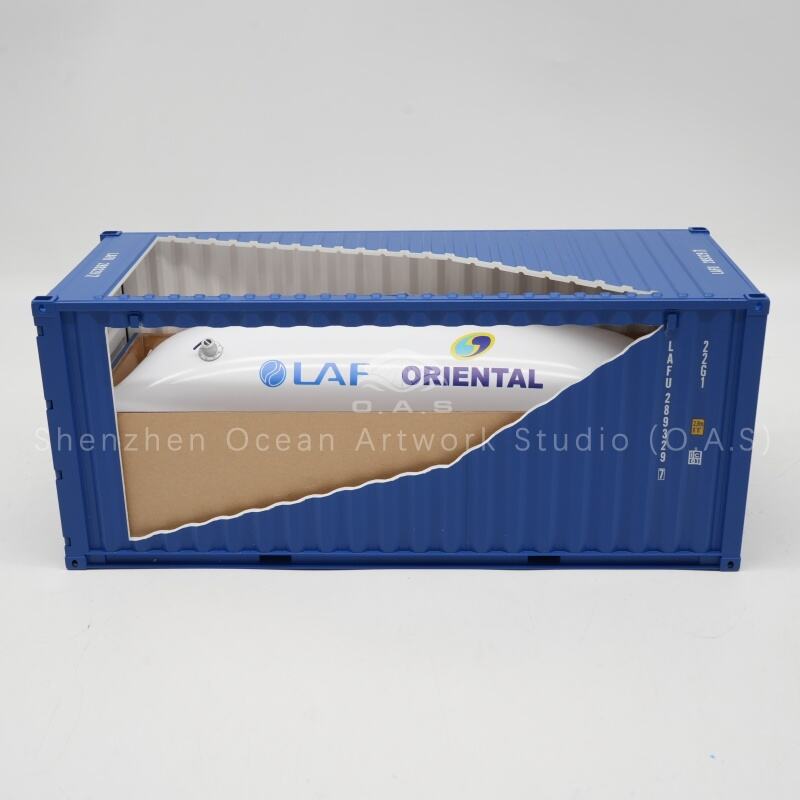
Professional Scale Model Containers - Precision Replicas for Education and Industry Applications

Get a Free Quote

Our representative will contact you soon.
Email
Name
Company Name
WhatsApp
Message
0/1000

scale model container

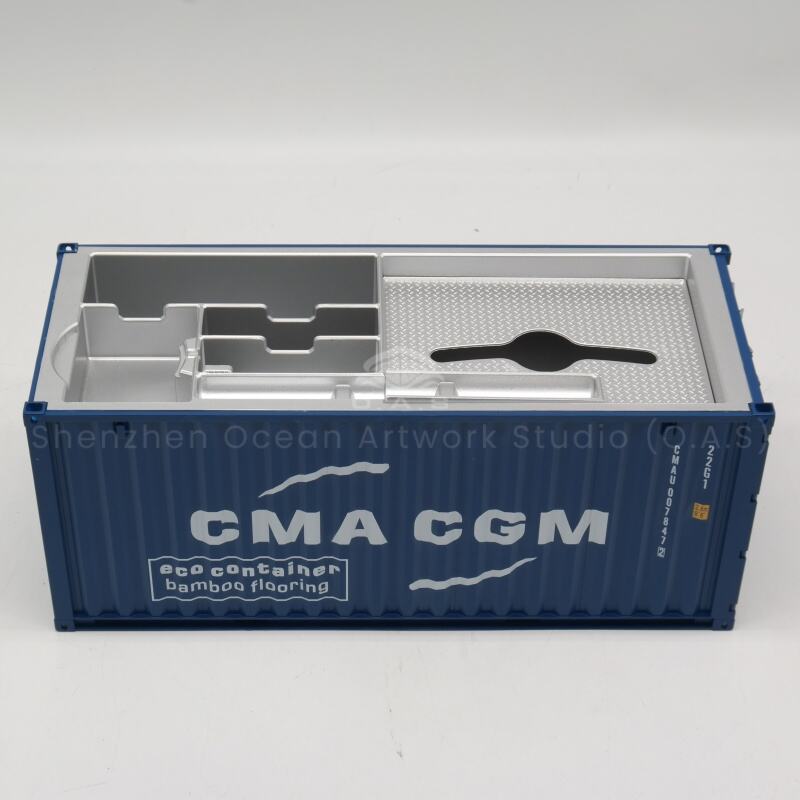
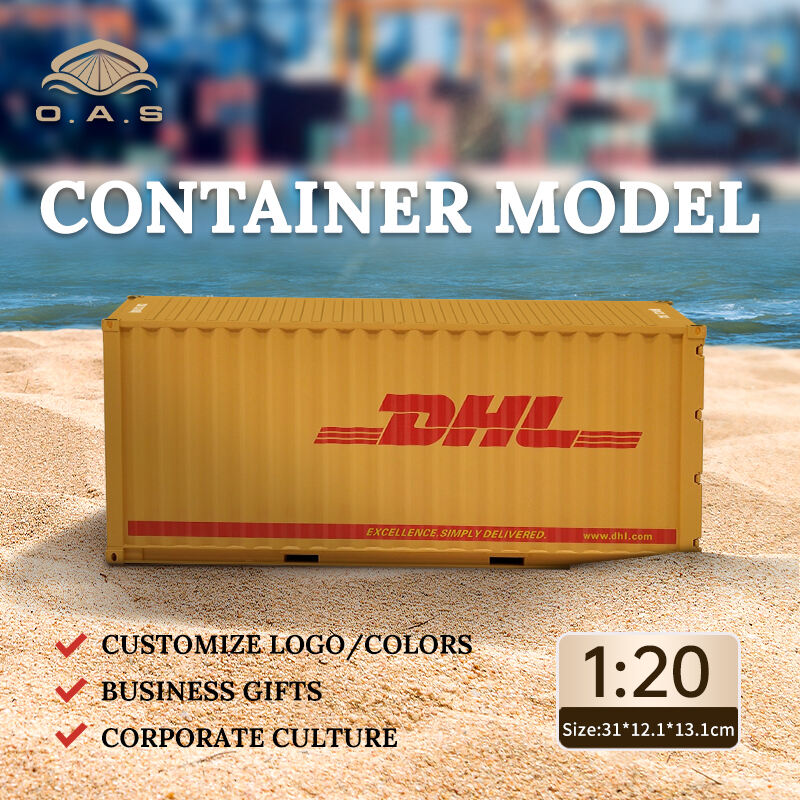
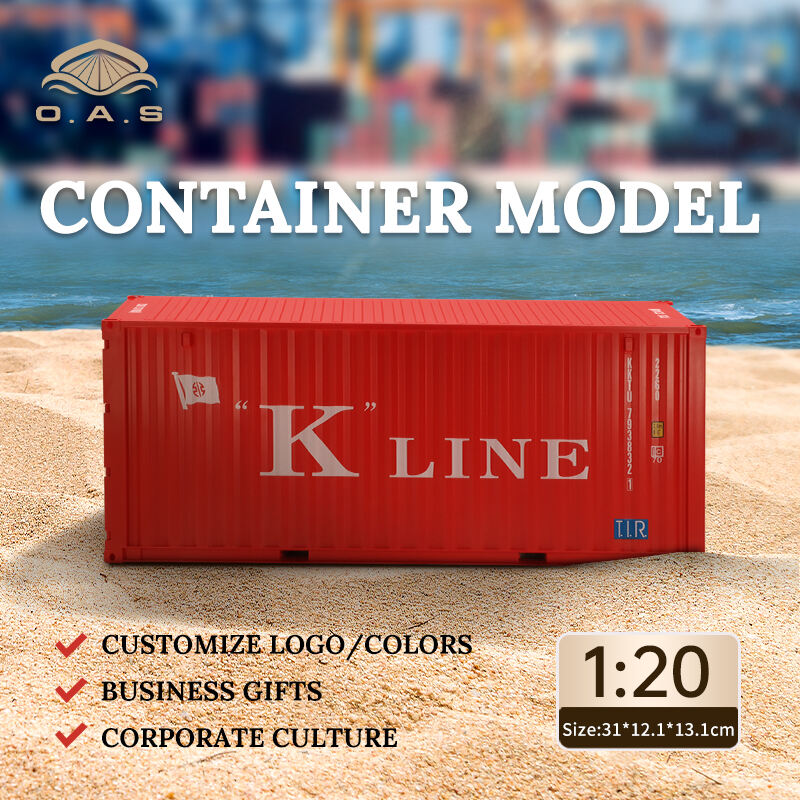
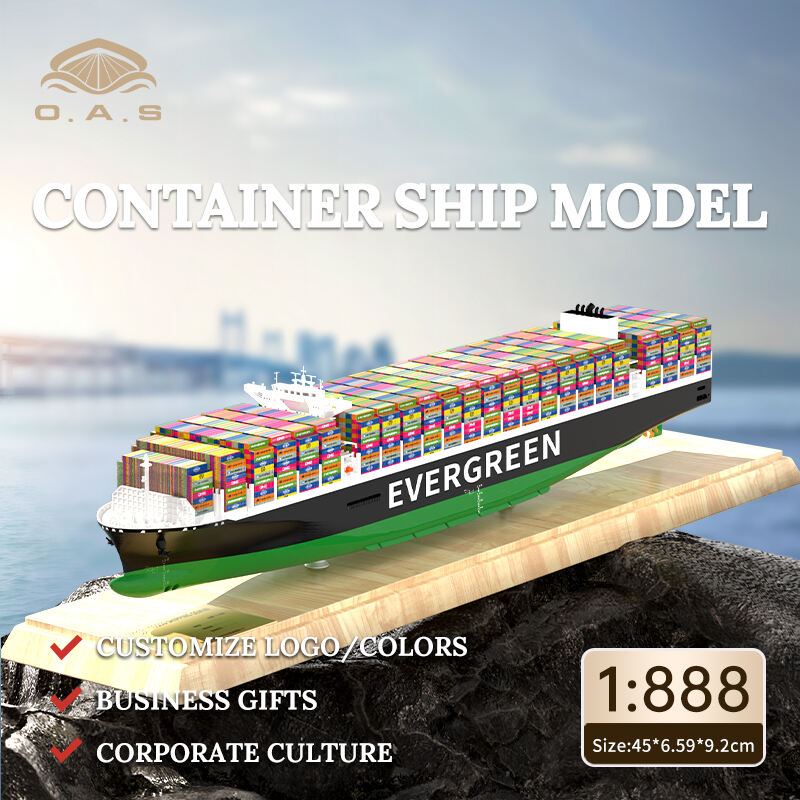
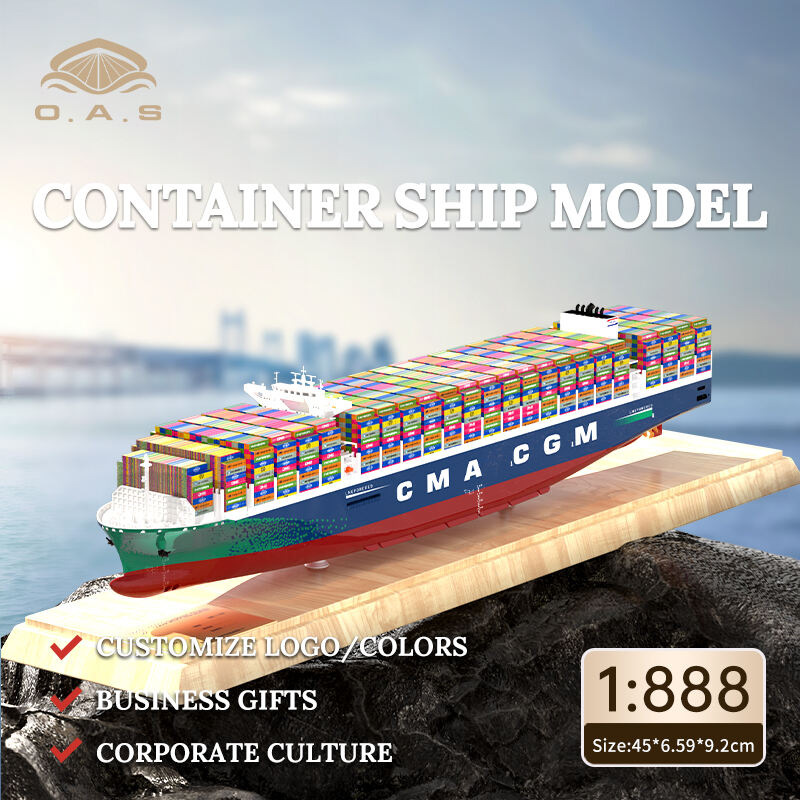
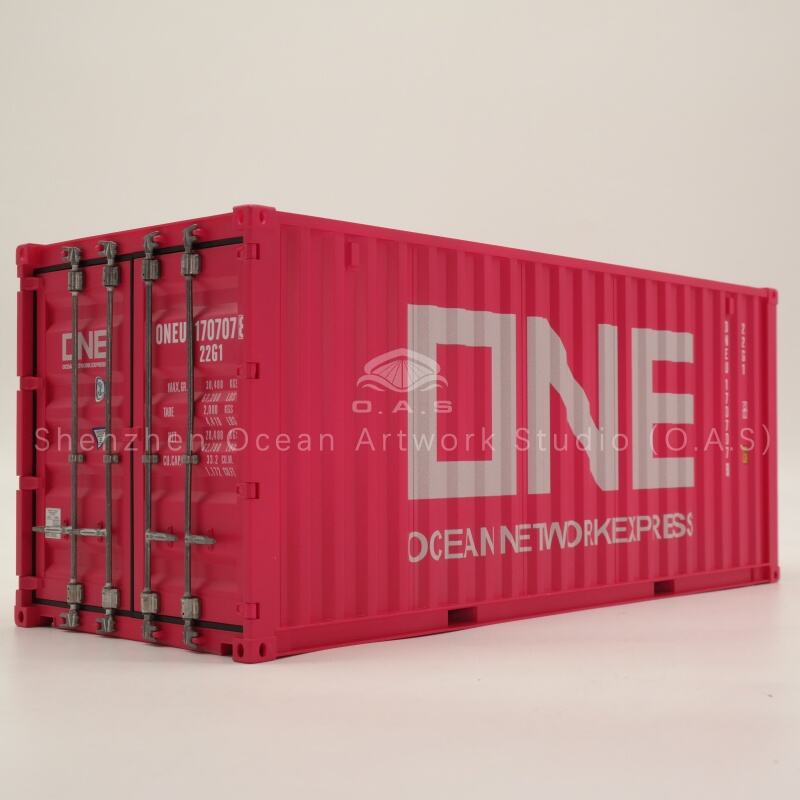
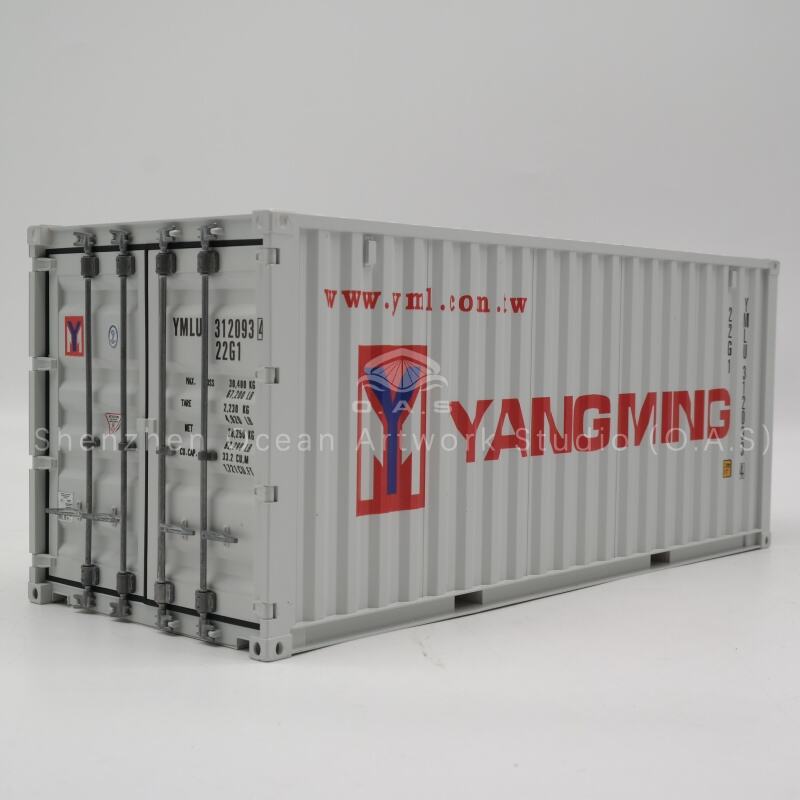
A scale model container represents a meticulously crafted miniature reproduction of full-sized shipping containers, designed to serve educational, commercial, and architectural purposes across multiple industries. These precision-engineered replicas maintain accurate proportional dimensions while incorporating sophisticated details that mirror real-world container specifications. Modern scale model containers utilize advanced manufacturing techniques including 3D printing, injection molding, and precision machining to achieve exceptional accuracy in both structural integrity and visual authenticity. The primary functions of scale model containers encompass educational training for logistics professionals, architectural planning for port facility development, marketing presentations for shipping companies, and collector displays for maritime enthusiasts. Technological features include weather-resistant materials such as high-grade plastics and metal alloys that ensure longevity and durability. Many scale model containers incorporate functional elements like working doors, removable tops, and modular stacking capabilities that demonstrate real container operations. Advanced versions feature digital integration with RFID tracking chips and LED lighting systems for enhanced presentation value. Applications span across maritime academies where students learn container handling procedures, architectural firms planning terminal layouts, shipping companies showcasing fleet capabilities, and museums creating educational exhibits. The construction process involves computer-aided design software to ensure dimensional accuracy, followed by materials selection based on intended use and environmental conditions. Quality control measures include stress testing for structural integrity and color matching to authentic container specifications. These scale model containers serve as invaluable tools for visualization, education, and planning purposes while maintaining cost-effectiveness compared to full-scale prototypes. Professional-grade models often include detailed interior structures, accurate door mechanisms, and authentic corner casting replications that demonstrate real-world container functionality.

New Product Releases

Scale model containers deliver substantial cost savings compared to full-sized alternatives while providing comprehensive visual representation for planning and educational purposes. Organizations save thousands of dollars by using these detailed replicas instead of purchasing or renting actual containers for demonstration and training activities. The compact size enables easy transportation and storage, eliminating logistical challenges associated with moving full-scale equipment between locations. Educational institutions benefit from hands-on learning experiences without requiring extensive warehouse space or heavy machinery operation. Students gain practical understanding of container dimensions, stacking procedures, and handling techniques through interactive manipulation of these accurately proportioned models. Business presentations become more engaging and effective when incorporating physical scale model containers that clients can examine and handle directly. Sales teams demonstrate container features, loading configurations, and operational capabilities with tangible examples that create lasting impressions on potential customers. The durability of modern scale model containers ensures long-term investment value through repeated use in various applications without significant wear or damage. High-quality materials resist fading, cracking, and deformation even under frequent handling and environmental exposure. Customization options allow businesses to brand these models with company logos, specific color schemes, and unique identification markings that reinforce corporate identity. Manufacturing flexibility enables production of specialized versions representing different container types including refrigerated units, tank containers, and open-top variants. Time efficiency improves significantly when using scale model containers for layout planning and spatial analysis compared to computer simulations alone. Physical models provide three-dimensional perspective that digital representations cannot fully replicate, leading to better decision-making processes. Maintenance requirements remain minimal with simple cleaning procedures and occasional replacement of moving parts ensuring continued functionality. The educational value extends beyond maritime industries to architecture, urban planning, and logistics management where spatial relationships and operational understanding prove essential. Training programs benefit from standardized scale model containers that provide consistent learning experiences across different locations and instructor preferences.

Practical Tips

Unique Maritime Gifts Customized for Shipping Companies

18

Jul

Unique Maritime Gifts Customized for Shipping Companies

Elevate corporate gifting with customized micro-scale container ships tailored to your shipping company’s branding. Impress clients with unique, high-quality gifts that reflect professionalism and foster lasting relationships. Discover our latest collection today.
View More
Comprehensive Range of Ship Models for Educational Institutions

18

Jul

Comprehensive Range of Ship Models for Educational Institutions

Enhance maritime education with our high-fidelity, customizable ship models designed for hands-on learning. Boost student engagement and understanding. Request a quote today.
View More
Why Custom Ship Models Are Ideal For Collectors

28

Jul

Why Custom Ship Models Are Ideal For Collectors

Discover why custom ship models are the ultimate choice for collectors—offering historical value, conversation-starting design, and investment potential. Elevate your collection today.
View More
Materials Used In High-Quality Ship Models

28

Jul

Materials Used In High-Quality Ship Models

Discover the best materials for ship models including wood, metal, plastic, and resin. Learn how material choice impacts durability, detail, and authenticity. Explore OAS's expert craftsmanship.
View More

Get a Free Quote

Our representative will contact you soon.
Email
Name
Company Name
WhatsApp
Message
0/1000

scale model container

Precision Engineering and Authentic Detail Replication

Precision Engineering and Authentic Detail Replication

Scale model containers showcase exceptional precision engineering that captures every critical detail of full-sized shipping containers through advanced manufacturing processes and quality control measures. Professional manufacturers employ computer-aided design software and precision tooling to ensure dimensional accuracy within strict tolerances, typically maintaining ratios of 1:20, 1:50, or 1:87 depending on intended applications. The attention to detail extends to authentic corner castings, door mechanisms, and structural reinforcements that mirror real container specifications. High-quality scale model containers feature functional door hinges and locking mechanisms that demonstrate actual container operations, providing users with tactile understanding of real-world functionality. Surface texturing replicates the corrugated steel patterns found on authentic containers, while color matching ensures visual accuracy that enhances presentation value. Advanced models incorporate weathering effects and realistic wear patterns that simulate containers in active service, adding authenticity for training and display purposes. The engineering process includes structural analysis to ensure models can withstand repeated handling while maintaining dimensional stability over extended periods. Materials selection focuses on durability and longevity, utilizing high-impact plastics, die-cast metals, and composite materials that resist environmental degradation. Quality assurance protocols include dimensional verification, stress testing, and visual inspection to guarantee each scale model container meets professional standards. The precision extends to interior details including floor patterns, wall reinforcements, and ceiling structures that provide complete representation of container interiors. This level of authenticity makes scale model containers invaluable for educational institutions, training centers, and professional presentations where accuracy directly impacts learning outcomes and decision-making processes. The combination of visual appeal and functional accuracy creates engaging tools that facilitate understanding of complex logistics operations and container handling procedures.
Versatile Applications Across Multiple Industries

Versatile Applications Across Multiple Industries

Scale model containers demonstrate remarkable versatility across diverse industries, serving educational institutions, architectural firms, shipping companies, and collector markets with specialized applications tailored to specific professional needs. Maritime academies utilize these detailed replicas for hands-on training programs where students learn container handling procedures, stacking techniques, and safety protocols without requiring access to actual container terminals or heavy equipment. The educational value extends to logistics management courses where scale model containers help illustrate supply chain concepts, port operations, and intermodal transportation systems through interactive demonstrations. Architectural and urban planning professionals employ scale model containers during facility design processes, using them to visualize port layouts, storage configurations, and traffic flow patterns before committing to expensive construction projects. These physical models enable spatial analysis and design optimization that computer simulations alone cannot provide, leading to more effective planning decisions and reduced project risks. Shipping companies leverage scale model containers for marketing presentations and client demonstrations, showcasing fleet capabilities, container specifications, and loading configurations in memorable formats that enhance customer engagement. Sales teams transport these portable models to client meetings and trade shows where physical interaction creates stronger connections than digital presentations alone. Museums and educational centers incorporate scale model containers into exhibits that teach visitors about global trade, transportation history, and modern logistics operations through engaging displays. Collector markets appreciate the craftsmanship and historical significance of scale model containers, particularly limited editions and vintage reproductions that represent specific shipping lines or historical periods. Research institutions use these models for studying container optimization, developing new stacking algorithms, and testing theoretical improvements to container design and functionality. The adaptability of scale model containers across such varied applications demonstrates their value as multi-purpose tools that serve both practical and educational functions while maintaining cost-effectiveness compared to full-scale alternatives.

Cost-Effective Solution with Long-Term Value

Cost-Effective Solution with Long-Term Value

Scale model containers provide exceptional cost-effectiveness by delivering comprehensive functionality at a fraction of the expense associated with full-sized alternatives, making them accessible to organizations with varying budget constraints while ensuring long-term value through durability and versatility. The initial investment in high-quality scale model containers pays dividends through repeated use across multiple applications, eliminating recurring rental fees or storage costs associated with actual containers. Educational institutions particularly benefit from this cost structure, as purchasing scale model containers for permanent use costs significantly less than arranging field trips to container terminals or renting demonstration equipment. The compact size reduces shipping and handling expenses while eliminating the need for specialized transportation equipment or storage facilities that full-scale containers require. Maintenance costs remain minimal throughout the lifespan of scale model containers, with simple cleaning procedures and occasional part replacement representing the primary ongoing expenses. The durability of modern materials ensures these models withstand years of regular use without significant deterioration or performance degradation. Training programs achieve better return on investment when using scale model containers that provide consistent, repeatable learning experiences without weather dependencies or scheduling conflicts with operational facilities. Organizations can conduct training sessions at convenient locations and times rather than coordinating access to actual container yards or terminals. The resale value of well-maintained scale model containers remains stable, particularly for professional-grade models with authentic details and functional features that appeal to multiple user groups. Customization options add value by allowing organizations to create branded models that serve dual purposes as training tools and marketing materials. The long-term value proposition improves further when considering the educational outcomes achieved through hands-on interaction with accurate scale model containers compared to theoretical instruction alone. Students retain information more effectively when they can manipulate physical models, leading to better comprehension and practical skills development that benefits their future careers in logistics and maritime industries.
Get a Quote Get a Quote

Get a Free Quote

Our representative will contact you soon.
Email
Name
Company Name
WhatsApp
Message
0/1000