Multi-Application Versatility and Customization
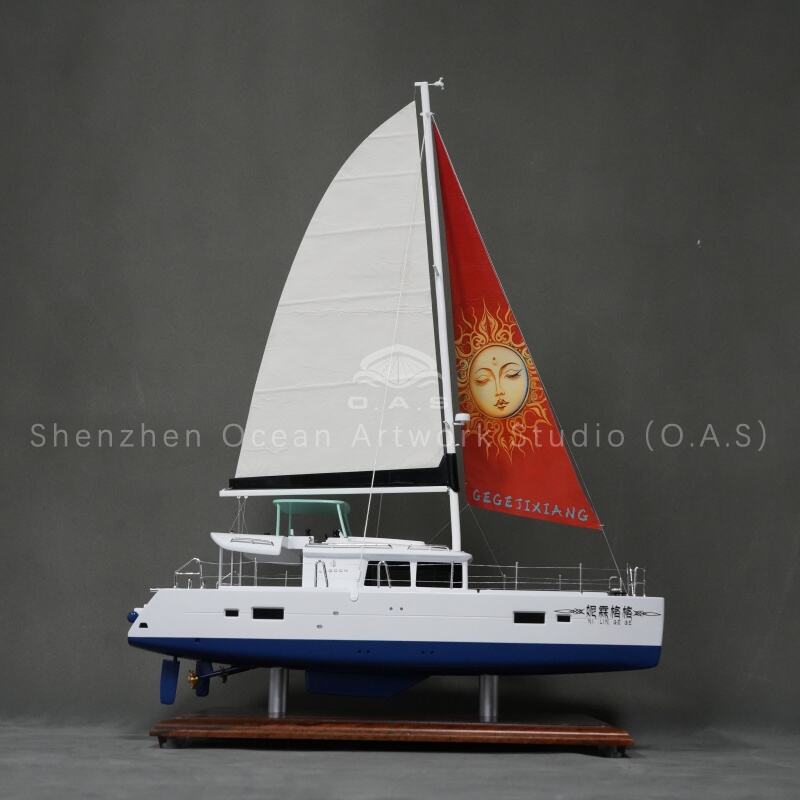
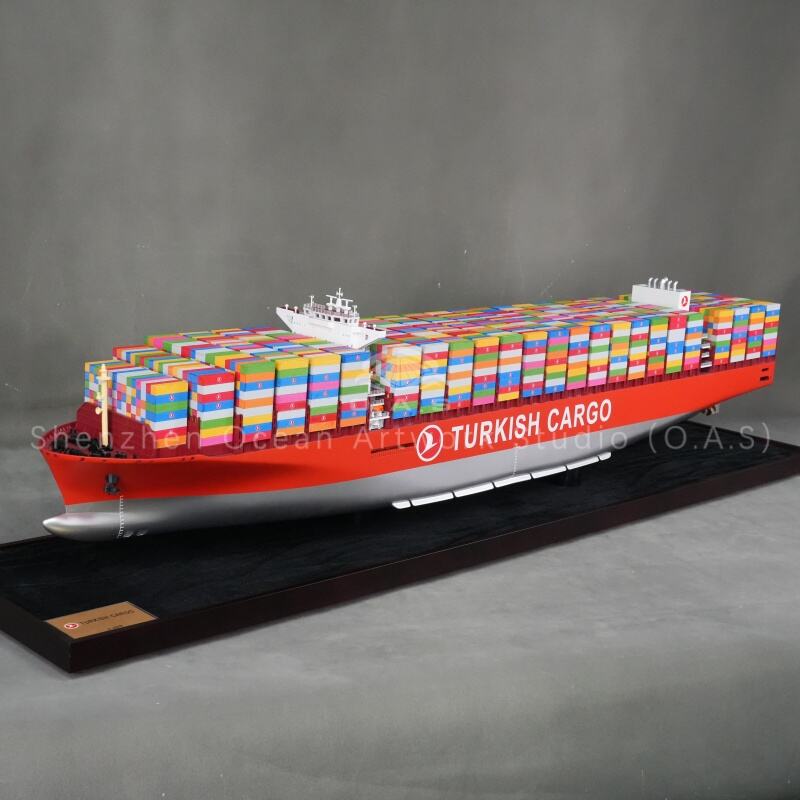
The hull type model demonstrates exceptional versatility through its ability to accommodate diverse vessel types and specialized applications while providing extensive customization options for unique operational requirements. This adaptability makes it an invaluable tool for designers working across various maritime sectors, from commercial shipping and fishing vessels to luxury yachts and specialized offshore platforms. The model's flexibility stems from its modular design approach, which allows engineers to modify specific parameters while maintaining overall system integrity and performance optimization capabilities. For commercial applications, the hull type model excels at designing cargo vessels that maximize carrying capacity while maintaining fuel efficiency and seaworthiness. The system can optimize hull shapes for different cargo types, whether the vessel carries containers, bulk materials, liquid cargo, or specialized equipment. Each cargo type presents unique challenges in terms of weight distribution, center of gravity considerations, and loading/unloading requirements, and the hull type model addresses these factors comprehensively during the design process. The model also accommodates varying operational profiles, from short coastal routes requiring shallow draft capabilities to long ocean voyages demanding maximum fuel efficiency and crew comfort. In the recreational boating sector, the hull type model provides customization options for performance characteristics such as speed, stability, and comfort. Yacht designers can optimize hull shapes for different activities, whether the vessel is intended for racing, cruising, fishing, or entertaining. The model considers factors such as living space requirements, equipment installation needs, and aesthetic preferences while maintaining optimal hydrodynamic performance. For specialized applications such as research vessels, offshore supply boats, or military craft, the hull type model accommodates unique requirements such as dynamic positioning capabilities, helicopter landing facilities, specialized equipment installations, or stealth characteristics. The customization process involves detailed consultation with end users to understand specific operational requirements, environmental conditions, and performance priorities. The hull type model then generates design solutions that address these requirements while maintaining overall vessel efficiency and safety. This comprehensive customization capability ensures that each vessel design perfectly matches its intended purpose, maximizing operational effectiveness and user satisfaction while delivering superior performance compared to generic design approaches.
 EN
EN