Educational Value and Professional Training Applications
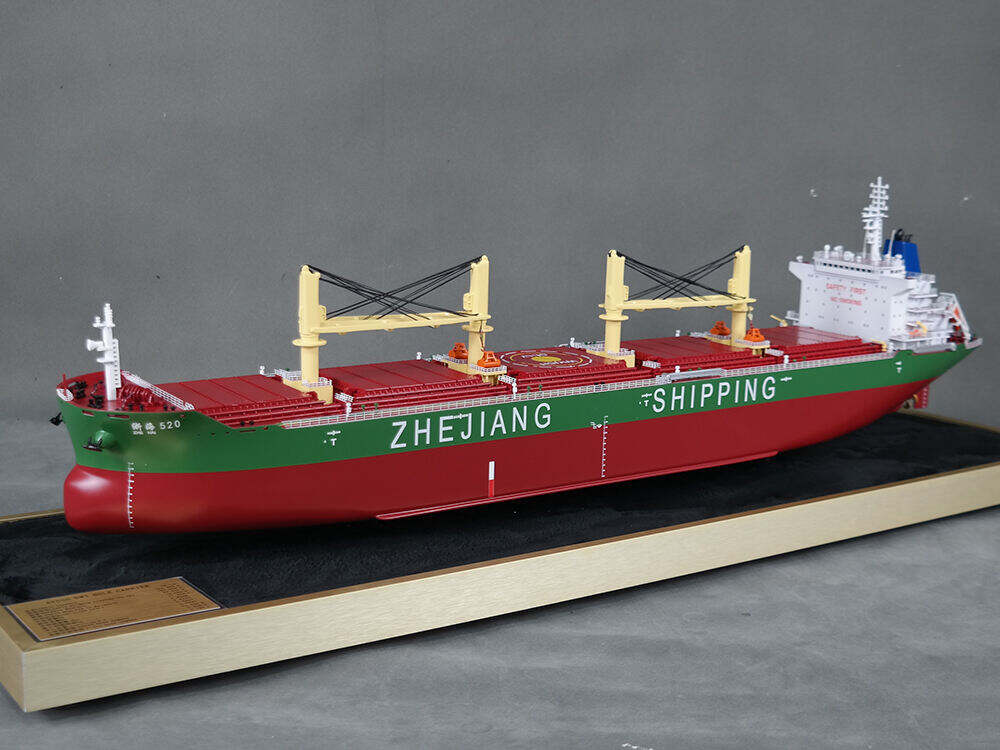
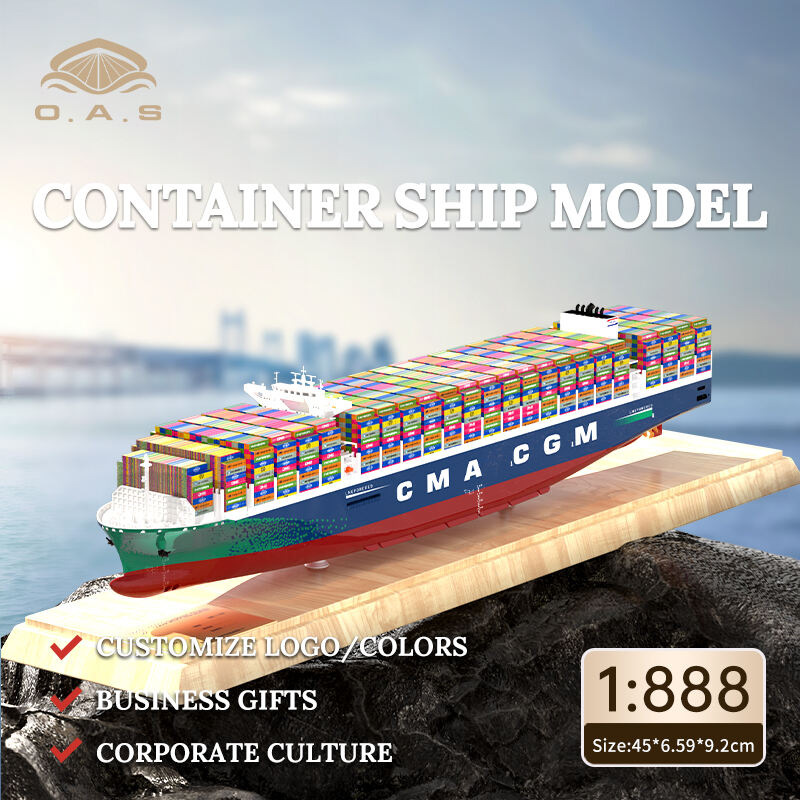
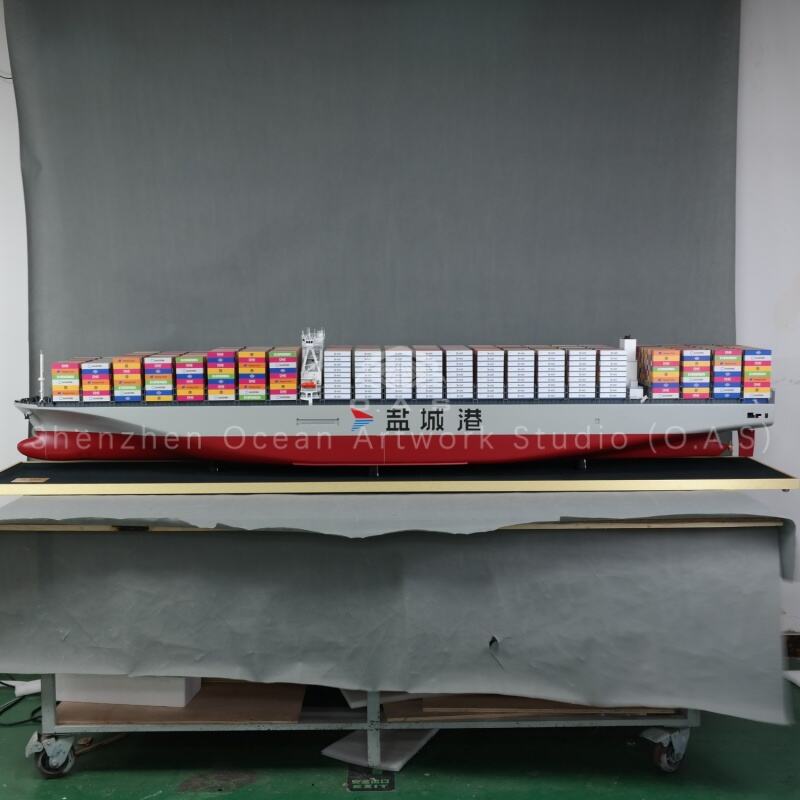
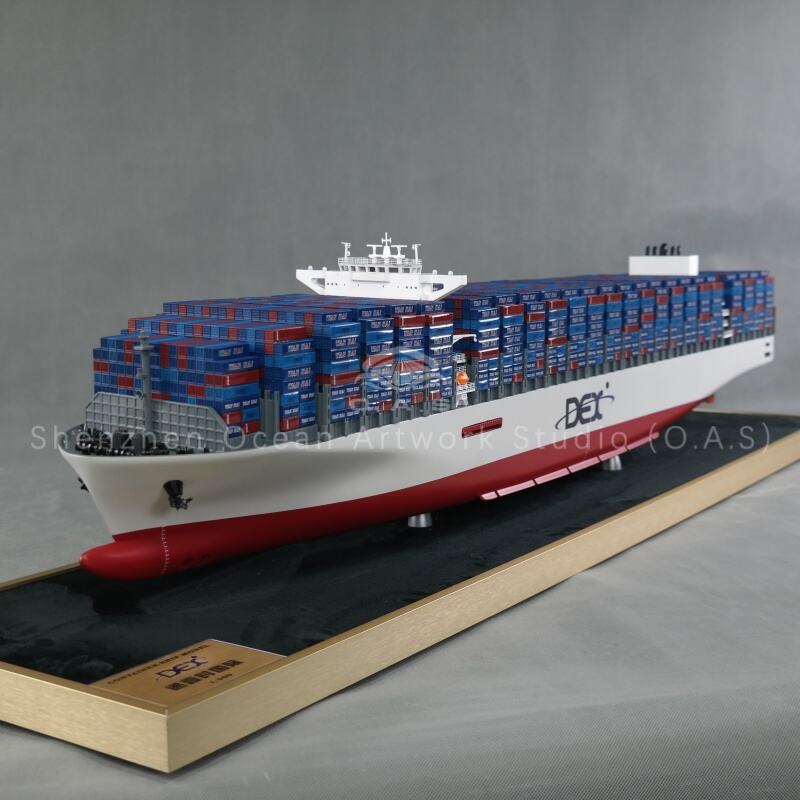
Container ship model manufacturers create invaluable educational resources that enhance maritime training programs, academic curricula, and professional development initiatives across multiple industries and educational institutions. These detailed replica vessels serve as tangible learning tools that bridge the gap between theoretical knowledge and practical understanding of complex maritime operations, vessel construction, and international shipping procedures. Educational institutions worldwide rely on professionally manufactured container ship models to illustrate fundamental concepts related to naval architecture, maritime engineering, logistics management, and international trade operations. The three-dimensional nature of these models provides students with hands-on learning opportunities that textbooks and digital presentations cannot replicate, enabling deeper comprehension of vessel design principles, cargo handling systems, and operational procedures. Professional training programs utilize container ship models from specialized manufacturers to demonstrate safety protocols, emergency procedures, and routine maintenance operations in controlled classroom environments before trainees encounter actual vessels. Maritime academies incorporate these detailed models into their practical training modules, allowing students to examine structural components, understand operational systems, and visualize complex procedures that would be impossible to demonstrate using full-scale vessels. Corporate training departments within shipping companies use custom container ship models to educate new employees about fleet capabilities, operational procedures, and company-specific vessel configurations, creating consistent training experiences across multiple locations and training sessions. The educational value extends to public outreach programs where museums, trade associations, and government agencies use professionally manufactured models to educate the general public about maritime commerce, international trade, and the economic importance of container shipping to global commerce. Professional container ship model manufacturers design their educational models with removable components, cutaway sections, and transparent elements that reveal internal structures and operational systems typically hidden from view. These specialized educational features enable instructors to demonstrate cargo loading procedures, ballast systems, engine room layouts, and navigation equipment arrangements that enhance student understanding of vessel operations. Research institutions utilize detailed container ship models for experimental purposes, testing design concepts, evaluating operational efficiency modifications, and conducting studies related to maritime safety and environmental impact assessment. The durability and accuracy of professionally manufactured models make them suitable for repeated handling in educational settings while maintaining their instructional value over extended periods of use, providing excellent return on investment for educational institutions and training organizations.
 EN
EN