EN
EN

In today's competitive business landscape, B2B clients increasingly seek partnerships with experienced model boat makers who can deliver exceptional craftsmanship and reliability. The maritime modeling industry has evolved significantly, with corporate clients demanding precision-engineered scale models that serve both promotional and educational purposes. When businesses invest in custom model vessels, they require partners who understand the intricate details of maritime engineering and can translate complex ship designs into accurate miniature representations. The relationship between B2B clients and experienced model boat makers extends beyond simple transactions, forming strategic partnerships that drive long-term success and brand recognition.
Experienced model boat makers possess comprehensive knowledge of naval architecture principles that enable them to create accurate scale representations of complex vessels. This expertise encompasses understanding hull dynamics, propulsion systems, and structural engineering elements that define modern maritime vessels. Professional model makers invest years developing their technical skills, studying blueprints, and mastering the intricacies of different ship types, from cargo vessels to luxury yachts. Their deep understanding of maritime engineering allows them to identify potential design challenges early in the modeling process and implement solutions that maintain both accuracy and structural integrity.
The precision required in maritime modeling demands extensive knowledge of materials science and manufacturing processes. Experienced craftspeople understand how different materials behave under various conditions and select appropriate components that ensure long-term durability. They employ advanced measuring techniques and quality control procedures that guarantee dimensional accuracy within tight tolerances. This technical foundation enables experienced model boat makers to deliver products that meet the exacting standards required by corporate clients who use these models for professional presentations and marketing initiatives.
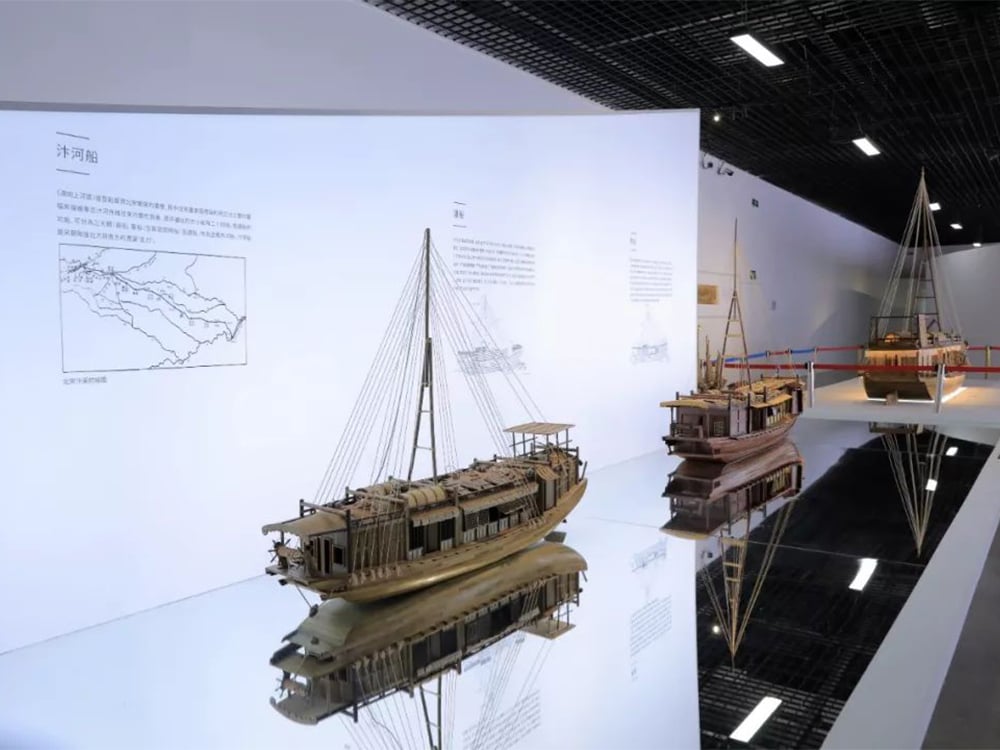
Professional model builders develop extensive knowledge of maritime history and cultural significance that enriches their craftsmanship. This historical perspective allows them to accurately recreate period-specific details and understand the contextual importance of different vessel types. Experienced model boat makers study historical documents, photographs, and museum collections to ensure authentic representation of classic ships and modern vessels alike. Their cultural understanding extends to different maritime traditions and regional shipbuilding techniques that influence design aesthetics and construction methods.
This deep historical knowledge proves invaluable when B2B clients require models that represent specific eras or commemorate important maritime milestones. Corporate clients often seek models that tell compelling stories about their company heritage or industry evolution, requiring craftspeople who can accurately interpret historical context while maintaining contemporary quality standards. The combination of technical skill and historical knowledge distinguishes experienced professionals from amateur builders who may lack the comprehensive understanding necessary for sophisticated commercial projects.
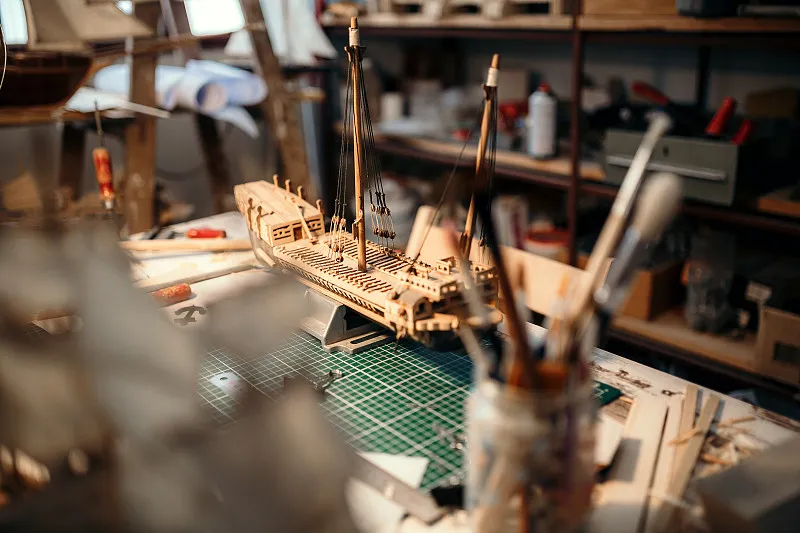
Professional model makers employ sophisticated manufacturing processes that ensure consistent quality across multiple projects. These advanced techniques include computer-aided design software, precision cutting equipment, and specialized finishing processes that achieve museum-quality results. Experienced model boat makers invest in professional-grade tools and equipment that enable them to maintain tight tolerances and produce components with exceptional surface finish quality. Their manufacturing capabilities extend beyond basic construction to include custom paint schemes, detailed rigging systems, and specialized hardware that enhances the overall presentation.
The implementation of quality management systems ensures that every project meets established performance criteria and client specifications. Professional builders document their processes, maintain detailed project records, and conduct thorough inspections at each construction phase. This systematic approach minimizes errors, reduces production time, and guarantees that finished models meet or exceed client expectations. The professional infrastructure maintained by experienced craftspeople provides B2B clients with confidence that their projects will be completed on schedule and within budget parameters.
Experienced professionals understand the importance of material selection in creating models that withstand handling and display requirements. They source high-quality materials from reputable suppliers and conduct compatibility testing to ensure long-term stability. Professional model makers evaluate factors such as thermal expansion, UV resistance, and chemical compatibility when selecting components for specific applications. Their material expertise enables them to recommend appropriate solutions for different display environments and usage patterns.
Durability testing procedures verify that finished models can withstand transportation, handling, and environmental exposure without degradation. Experienced model boat makers conduct accelerated aging tests, stress analysis, and performance evaluations that validate their design decisions and construction methods. This comprehensive approach to quality assurance provides B2B clients with durable products that maintain their appearance and functionality throughout extended service life.
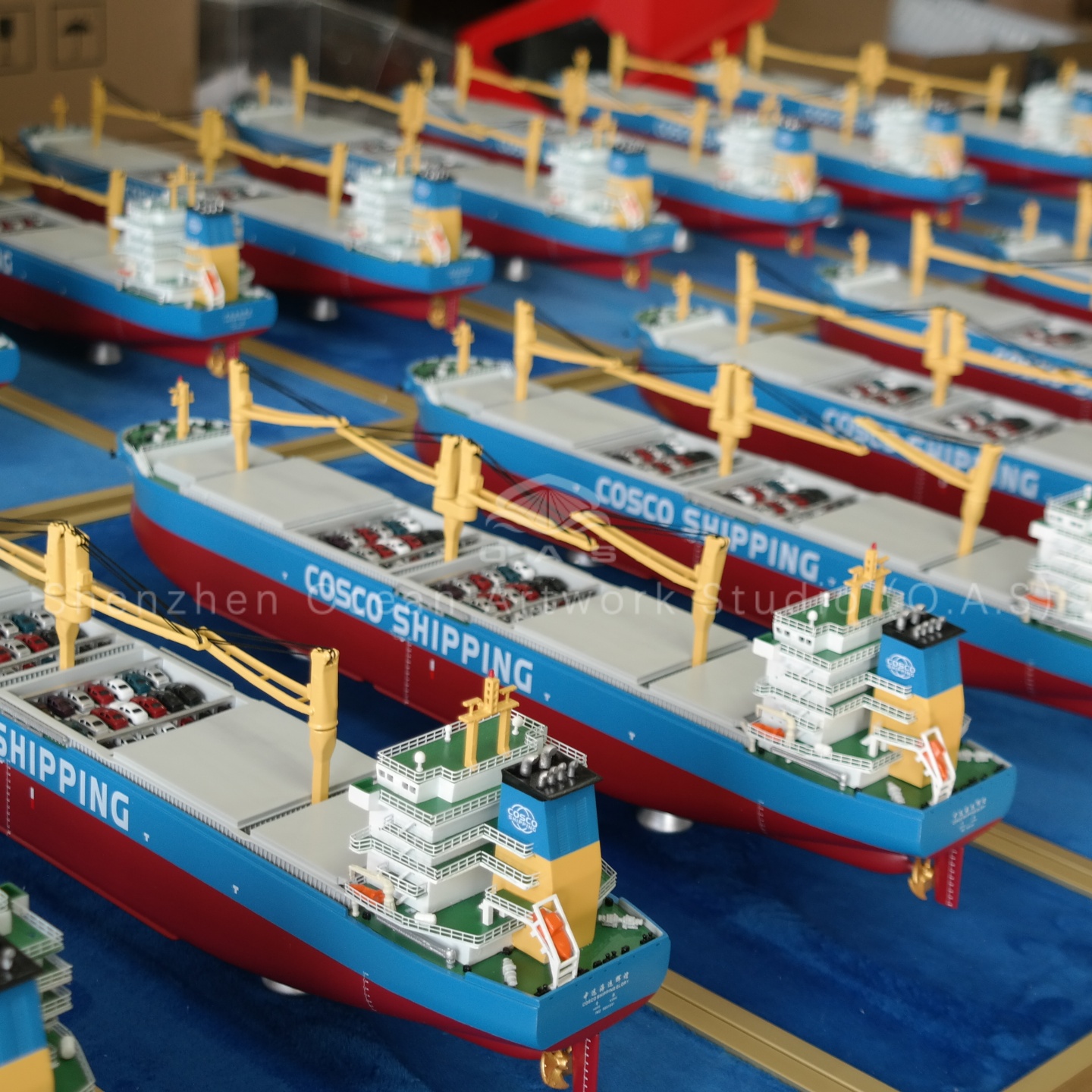
Professional model builders implement structured project management methodologies that ensure efficient workflow and timely completion. These processes include detailed project planning, milestone tracking, and resource allocation strategies that optimize production efficiency. Experienced model boat makers understand the importance of clear project timelines and maintain detailed schedules that accommodate client requirements and production constraints. Their systematic approach to project management minimizes delays and ensures that complex projects remain on track throughout the development cycle.
The implementation of professional project management tools enables experienced craftspeople to provide clients with regular progress updates and transparent communication. They maintain detailed documentation of design decisions, construction progress, and quality checkpoints that keep stakeholders informed throughout the development process. This level of professional organization builds client confidence and establishes trust relationships that support long-term business partnerships.
Experienced professionals offer comprehensive consultation services that help B2B clients define project requirements and optimize design specifications. These consultation processes include feasibility analysis, cost estimation, and timeline development that provide clients with realistic expectations for their projects. Professional model makers conduct thorough needs assessments that identify client objectives and translate business requirements into technical specifications. Their consultation expertise enables them to recommend design modifications that enhance functionality while maintaining budget constraints.
The collaborative design process employed by experienced craftspeople ensures that client vision is accurately captured and implemented. They provide detailed design presentations, progress reviews, and modification opportunities that keep clients engaged throughout the development cycle. This collaborative approach results in finished products that exceed client expectations and demonstrate the value of working with experienced professionals who understand both technical requirements and business objectives.
Professional model builders develop specialized knowledge in specific maritime sectors that enables them to serve niche markets effectively. This specialization includes understanding of commercial shipping, naval vessels, recreational boats, and offshore platforms that require different construction approaches and detail requirements. Experienced model boat makers study industry trends, regulatory requirements, and technological developments that influence their target markets. Their sector expertise enables them to anticipate client needs and provide informed recommendations that enhance project outcomes.
Industry specialization extends to understanding of different client types and their unique requirements for model presentations. Corporate clients in shipping, energy, and defense sectors have distinct needs for accuracy, detail, and presentation quality that experienced professionals can address effectively. This market knowledge enables experienced craftspeople to position their services appropriately and develop long-term relationships with key clients in their target industries.
Experienced professionals maintain awareness of relevant regulations and certification requirements that may impact their projects. This includes understanding of safety standards, environmental regulations, and quality certifications that demonstrate professional competence. Professional model makers invest in training and certification programs that validate their expertise and provide clients with confidence in their capabilities. Their commitment to regulatory compliance ensures that projects meet applicable standards and avoid potential liability issues.
The documentation and certification processes maintained by experienced model boat makers provide B2B clients with evidence of professional competence and quality assurance. These credentials support procurement processes and demonstrate the value proposition of working with established professionals rather than amateur builders. The professional credibility established through certification and compliance activities strengthens client relationships and supports business development efforts.
Modern experienced model boat makers leverage advanced digital design tools that enhance their creative capabilities and improve client communication. These technologies include three-dimensional modeling software, virtual reality visualization systems, and digital prototyping tools that enable precise design development and client review processes. Professional builders invest in cutting-edge technology that streamlines their workflow and provides clients with sophisticated design presentations. Their technological capabilities enable them to explore multiple design options and optimize solutions before committing to physical construction.
The integration of digital tools with traditional craftsmanship techniques creates unique value propositions that distinguish experienced professionals from competitors. They combine computer-aided design with hand-crafted finishing techniques that achieve exceptional quality results. This hybrid approach enables them to maintain traditional craftsmanship standards while leveraging modern efficiency tools that reduce development time and improve accuracy.
Professional model makers implement automation technologies that improve production consistency and reduce manufacturing variability. These systems include computer-controlled cutting equipment, automated finishing processes, and digital quality inspection tools that enhance overall production capabilities. Experienced model boat makers understand how to balance automation with traditional handcraft techniques to achieve optimal results. Their technology integration strategies focus on enhancing quality rather than simply reducing costs.
Advanced quality control systems enable experienced professionals to maintain consistent standards across multiple projects and production runs. They employ digital measurement tools, optical inspection systems, and statistical process control methods that identify potential issues early in the production cycle. This proactive approach to quality management ensures that finished products meet client specifications and maintain the high standards expected by B2B customers.
Establishing relationships with experienced model boat makers provides B2B clients with long-term strategic advantages that extend beyond individual project outcomes. These partnerships enable clients to leverage accumulated knowledge and expertise for future projects while maintaining consistent quality standards across their model inventory. Professional builders develop deep understanding of client preferences and requirements that streamlines future project development and reduces communication overhead. The continuity provided by long-term partnerships ensures that corporate branding and presentation standards remain consistent across multiple modeling projects.
The strategic value of working with experienced professionals includes access to industry networks and specialized resources that may benefit client organizations. Professional model makers maintain relationships with suppliers, specialists, and industry experts that can provide additional value for complex projects. Their market knowledge and industry connections enable them to identify opportunities and provide recommendations that enhance client business outcomes beyond the immediate modeling requirements.
While experienced model boat makers may command premium pricing, their expertise provides significant cost advantages through reduced project risks and improved outcomes. Professional builders minimize the likelihood of design errors, construction delays, and quality issues that can result in expensive rework or project failures. Their experience enables them to anticipate potential problems and implement preventive measures that protect client investments. The risk mitigation provided by experienced professionals often results in lower total project costs despite higher initial fees.
The time savings achieved through professional expertise translates directly into cost benefits for B2B clients operating under tight deadlines. Experienced craftspeople complete projects more efficiently and deliver results that meet expectations without extensive revision cycles. Their ability to manage complex projects effectively reduces client management overhead and enables organizations to focus on their core business activities while confident that their modeling requirements are being handled professionally.
An experienced model boat maker typically possesses several years of professional practice, demonstrated expertise in maritime engineering principles, and a portfolio of successful commercial projects. They should have formal training in relevant technical skills, understanding of materials science, and proven ability to manage complex projects from conception to completion. Professional credentials, client testimonials, and industry recognition also indicate experienced practitioners who can deliver high-quality results for B2B clients.
Experienced model boat makers employ systematic measurement and verification processes throughout the construction cycle. They utilize precision instruments, reference authentic technical drawings, and conduct dimensional inspections at critical construction phases. Professional builders also leverage computer-aided design tools for accurate scaling calculations and maintain detailed documentation that ensures consistency across all project elements. Their quality assurance procedures include multiple review checkpoints that validate accuracy before project completion.
Project timelines vary significantly based on model complexity, size requirements, and detail specifications. Simple display models may require 4-8 weeks for completion, while complex custom designs can extend to several months. Experienced professionals provide detailed project schedules during the planning phase and maintain realistic timelines that account for design iterations, material procurement, and quality assurance activities. They also build appropriate contingency time into their schedules to accommodate unforeseen challenges without compromising delivery commitments.
Professional model builders implement structured consultation processes that capture client requirements and translate them into technical specifications. They conduct thorough needs assessments, develop preliminary design concepts, and provide iterative design reviews that ensure client satisfaction. Experienced craftspeople maintain flexibility in their design approach while educating clients about technical constraints and optimization opportunities. Their custom design services include feasibility analysis, cost estimation, and timeline development that provide clients with comprehensive project understanding before construction begins.
 Hot News
2024-06-11
2024-06-07
2024-06-01
2024-06-01
2024-06-01
2024-05-25
Shenzhen Ocean Artwork Studio (O.A.S) Technology Co., Ltd. is a leading ship model manufacturer with over 15 years of experience. We specialize in designing and producing civil, military, and engineering ship models, working with top global shipping brands such as MAERSK, COSCO, and EVERGREEN.