EN
EN

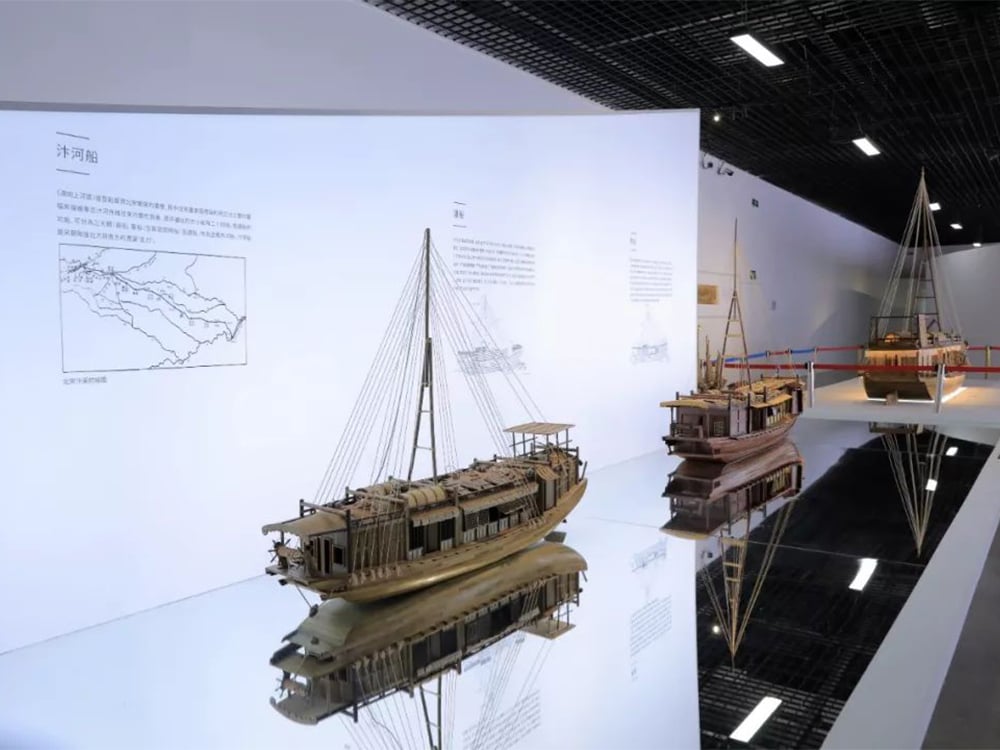
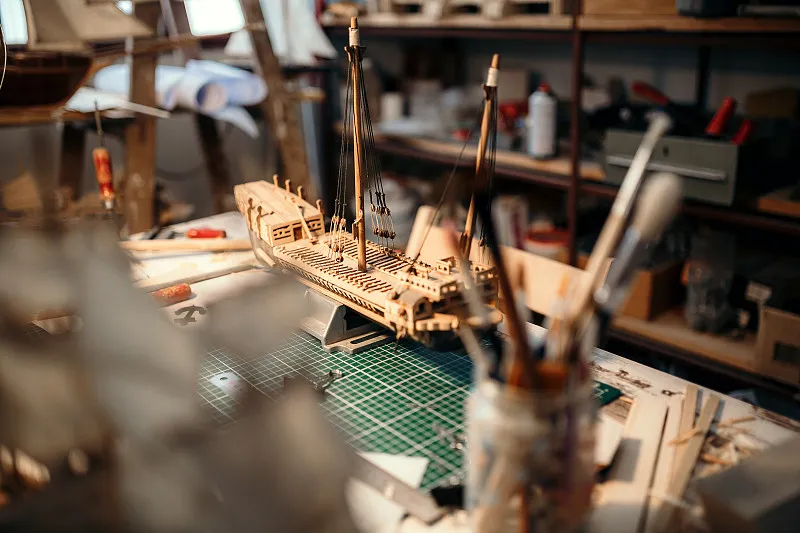
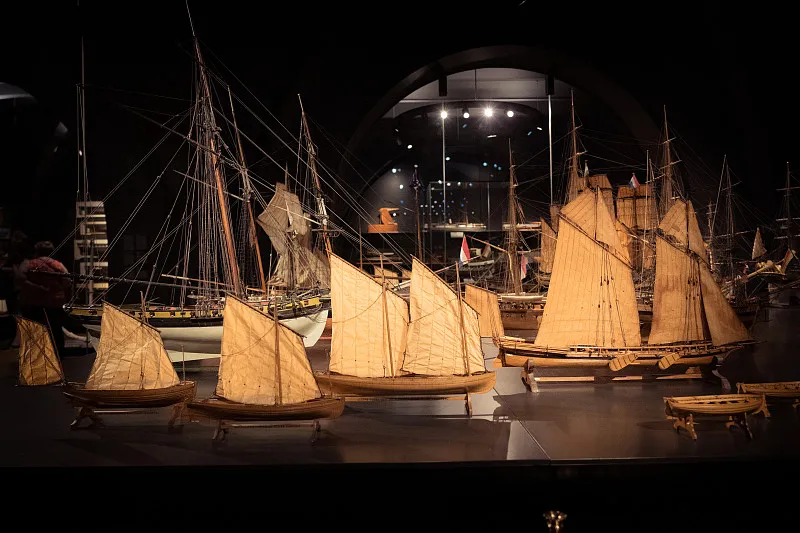
What makes a custom model ship truly museum quality? Three main things come together: using top notch materials that won't deteriorate over time, building with historical accuracy in mind, and keeping detailed records throughout the process. The wood has to be kiln dried first, usually boxwood, teak or oak works best. Metals need to be inert stuff like brass or copper joined with silver solder instead of regular welds. Colors must stay vibrant for decades so we only use pigments that resist fading from light exposure. When putting these models together, craftsmen follow traditional methods just like real shipbuilders did back in the 1700s and 1800s. That means no shortcuts with modern glues or machine made parts. Instead they use hide glue for joints, sew linen fabric into sails by hand, and assemble the hull planks onto frames exactly as ships were built centuries ago. Records aren't just pictures either. We track where every piece of material comes from, document the exact type of finishes applied, and even get third party experts to test how well the model will hold up over 100 years. According to recent research published in Conservation Science Journal last year, plastic components that aren't museum grade tend to break down about 87 percent quicker when exposed to normal lighting conditions and typical humidity levels inside display cases. So choosing proper materials isn't just about looking good on exhibit shelves. It's actually making an ethical decision about preserving history properly for future generations.
The ICOM-CC sets the standard for conservation ethics and technical practices across museum quality work. At heart, their guidelines focus on three main things: being able to undo any changes made, keeping interventions as small as possible, and ensuring materials stay stable over time. This means museums avoid using stuff like regular wood glue or plastic fittings that might break down or change color over years. They also steer clear of stained woods since those colors tend to disappear eventually. When it comes to sourcing materials, there's no getting around certain requirements anymore. Wood needs proper certifications like FSC or PEFC, while metals should come from sources where we know they weren't processed in harmful ways. Museums that stick to these rules see their artifacts lasting roughly twice as long according to last year's ICOM-CC review. What really matters though isn't creating perfect specimens today, but making sure that whoever handles these objects fifty years from now can still figure out what was done, fix anything that breaks, and maybe even interpret them differently if needed.
Begin with a formal commissioning brief that anchors the project in mission-driven clarity. Define three non-negotiable elements:
Vetting is not a formality—it's the single greatest risk mitigation step. Prioritize makers who demonstrate verifiable fluency in conservation practice, not just craftsmanship. Evaluate candidates across four criteria:
Kits that have been approved by places like the Smithsonian or National Maritime Museum for teaching purposes bring real benefits in certain situations. These ready-made solutions work well for things like pop-up displays, showing stuff in classrooms, or creating guides where looking good matters more than exact construction details. According to recent research from the Museum Studies Journal last year, these certified kits can cut down on building time anywhere between forty to sixty percent compared to making everything from scratch. Plus, they give pretty much the same results every time when dealing with common boat types such as those old Baltimore clippers or Thames barges we all know about. Still, there are limits though. When museums really need something special or historically accurate, these standard kits just don't cut it anymore.
When it comes to scratch built models, they offer far more than just extra detail. These creations actually draw from real maritime archaeology and conservation science principles. Serious model builders start by analyzing tree rings to find matching historic timber densities and growth patterns. This helps avoid the warping problem that plagues about three quarters of store bought kits after just five years according to a study published in Conservation Science Review back in 2023. Every single part gets special attention too. Brass deadeyes are forged by hand using methods similar to what shipwrights did in the 1800s. Linen sails get stitched with needles and threads that match what was available during the period being modeled. Even the finish goes through testing where they speed up the aging process to check if it can stand up against UV damage. All this careful work makes a real difference in how authentic these models look and last over time.
| Construction Factor | Kit Limitation | Scratch-Built Advantage |
|---|---|---|
| Material Lifespan | 15–20 years | 80+ years with conservation |
| Detail Resolution | 1:100 scale max | Down to 1:48 scale with functional rigging threads |
| Value Appreciation | Depreciates | Gains 7–12% annually per auction records |
More than an object, the result is a documented artifact—with its own chain of custody, material biography, and conservation roadmap. It meets ICOM-CC benchmarks not as an afterthought, but by design—transforming the model into a living extension of the collection’s scholarly and ethical mandate.
Museum-grade materials include kiln-dried woods like boxwood, teak, or oak, inert metals such as brass or copper joined with silver solder, and pigments that resist fading from light exposure.
Records document the source of materials and the process involved, ensuring historical accuracy and allowing future conservation work to be conducted efficiently.
Scratch-built models use selected materials based on historical and scientific analysis, ensuring authenticity and longevity. Kit models provide a simple solution but lack the detail and historical accuracy of scratch-built models.
Important factors include fluency in conservation practice, adherence to ICOM-CC principles, transparency in documentation, and historical rigor.
 Hot News
2024-06-11
2024-06-07
2024-06-01
2024-06-01
2024-06-01
2024-05-25
Shenzhen Ocean Artwork Studio (O.A.S) Technology Co., Ltd. is a leading ship model manufacturer with over 15 years of experience. We specialize in designing and producing civil, military, and engineering ship models, working with top global shipping brands such as MAERSK, COSCO, and EVERGREEN.